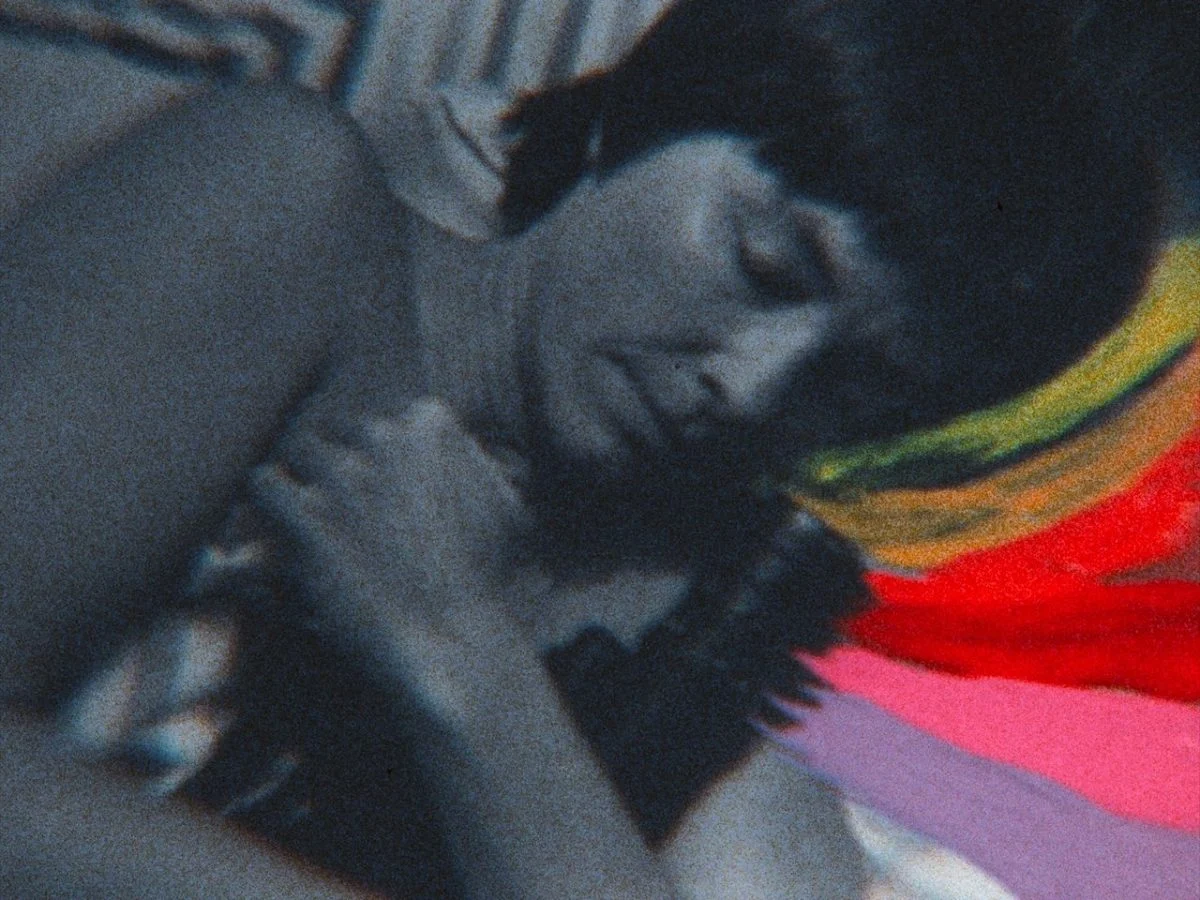
The Life and Work of an Experimental Icon
Barbara Hammer was born in 1939 and emerged as a transformative voice in the experimental film movement of the 1970s. Her filmography, which includes seminal works such as Dyketactics, No No Nooky T.V., and Nitrate Kisses, was characterized by a rigorous questioning of both the cinematic form and the lived reality of lesbian existence. Throughout her life, Hammer maintained a meticulous archive of her thoughts, outtakes, and personal recordings. This self-documentation was, in itself, a performative extension of her artistic practice, culminating in her memoir, Hammer! Making Movies Out of Sex and Life.

The release of Barbara Forever provides a comprehensive look at this archive. By utilizing vocal recordings that capture the evolution of Hammer’s voice—from her early, vibrant years to the later stages of her life marked by illness—O’Connor constructs a narrative that is both non-linear and deeply personal. This "queer chronology" allows Hammer to effectively narrate her own history, creating a dialogue between her younger self and her aging presence.
Archival Methodology and Historical Context
The production of the documentary involved a deep collaboration between O’Connor and Florrie Burke, Hammer’s widow and a noted human rights activist. The process of organizing the archive required a scholarly approach to preservation, moving beyond simple biography to provide a contextual lens through which to view 20th-century history.

"I’m fascinated by how archives contribute to a broader history—a broader queer history," O’Connor noted in a recent discussion regarding the film’s development. "Looking to personal collections as legitimate markers of history and the ways that we can see ourselves and our lineage with people who came before us is really special."
For O’Connor, the archive functions as a prism. The film does not merely document Hammer; it utilizes her life as a focal point to examine the cultural ecosystems of San Francisco in the 1970s and the New York art scene of the 1980s. By integrating personal footage with historical markers, the documentary frames Hammer’s individual journey as a microcosm of the broader struggle for visibility within academic and avant-garde film institutions.

Chronology of Recognition
Hammer’s career was defined by a persistent, often difficult, struggle for institutional validation. The timeline of her professional recognition follows a trajectory that mirrored the broader acceptance of queer art:
- 1970s: Hammer gains prominence in the experimental film circuit with early shorts that challenged traditional narratives of the female body.
- 1980s–1990s: A period of prolific output where Hammer increasingly interrogated themes of aging, death, and the politics of the body, yet often faced systemic misogyny and homophobia in institutional settings.
- 2010s: Increased institutional acknowledgement, highlighted by a major career retrospective at the Whitney Museum of American Art and the preservation of her films by the Academy Film Archive.
- 2019: Barbara Hammer passes away, leaving behind an extensive archive managed by her estate.
- 2025: The premiere of Barbara Forever at the Sundance Film Festival marks a new phase in the public consumption and preservation of her work.
Analyzing the Impact of the Archive
The significance of this documentary lies in its departure from traditional biographical storytelling. By eschewing the conventional "cradle-to-grave" narrative, O’Connor allows the audience to experience the fluidity of Hammer’s thought process. The decision not to explicitly label the timeframe of each audio clip is a deliberate artistic choice, reflecting Hammer’s own forward-looking perspective.

Florrie Burke has emphasized that one of the most rewarding aspects of the final years of Hammer’s life was her awareness of her growing influence. The ability to engage with audiences beyond the niche circles of experimental film—and to witness the transfer of her vision to a younger generation—was a goal Hammer articulated throughout her career. According to the film’s production team, the goal of the documentary is to facilitate this transfer, providing the necessary context for new viewers to engage with her films on their own terms.
Institutional and Cultural Implications
The academic and cultural implications of this project are significant. In contemporary film studies, the preservation of queer history remains a contested and vital field. The "queer chronology" employed in Barbara Forever challenges the normative ways in which documentaries are structured, suggesting that the life of an artist who challenged conventions should be presented in a form that respects those departures.

Furthermore, the film highlights the role of personal connections in the longevity of an artist’s legacy. By featuring figures such as artist Joey Carducci, the documentary frames Hammer’s work not as the product of an isolated genius, but as an ongoing conversation involving a network of queer creators. This emphasis on relationality is a key finding in current archival research, which increasingly views individual collections as part of a wider, interdependent social history.
The Future of Queer Archival Practice
The theatrical release of Barbara Forever in New York and other major markets represents a maturation of queer archival practice. It signals a move away from simply "saving" films and toward "activating" them. By presenting Hammer’s work in a way that is accessible without sacrificing its complexity, the film encourages institutions to reconsider how they categorize and exhibit the work of marginalized artists.

As the film moves into wider distribution, it serves as a testament to the endurance of Hammer’s vision. For O’Connor, the process was one of continuous discovery. "I’ve grown up with her in the past decade of research," the director noted, reflecting on the experience of documenting a life that spanned such a tumultuous and transformative era of American history.
In conclusion, Barbara Forever stands as a landmark in the documentation of queer film history. By successfully synthesizing an expansive and often fragmented archive into a cohesive, evocative portrait, the documentary ensures that Hammer’s interrogations of the body, age, and identity will remain part of the contemporary discourse. It is a work that acknowledges the absence of the artist while simultaneously celebrating the permanent, vibrant presence of her contributions to the cinematic canon. Through this documentary, the work of Barbara Hammer is not just remembered; it is actively re-integrated into the cultural life of the present, inviting future generations to continue the experiment she began over fifty years ago.