
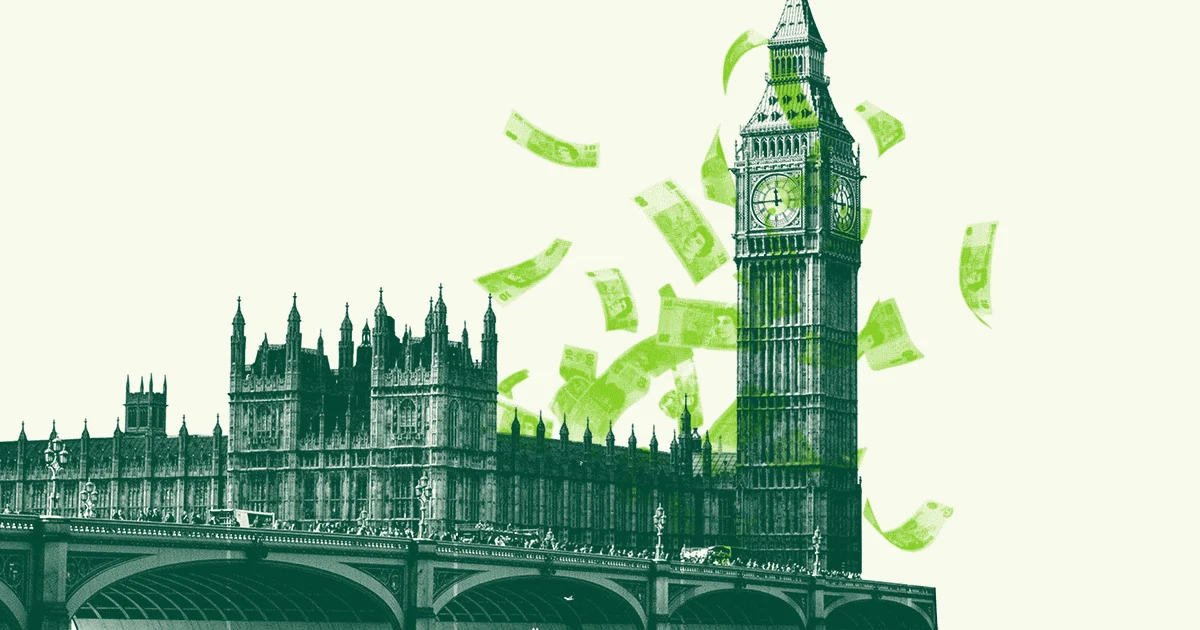
The intersection of global sports administration and national politics has increasingly become a battleground for corporate financialisation, unregulated donations, and systemic political influence. Over the past year, parallel crises in international football and domestic British politics have highlighted how vast concentrations of private wealth threaten public institutions, democratic accountability, and local communities.
From FIFA’s controversial attempts to commercialise the World Cup to the heavy reliance of UK political parties on ultra-high-net-worth donors, the mechanisms of modern governance face unprecedented scrutiny. Critics argue that a continuous loop of wealth accumulation, political lobbying, and regulatory capture is systematically eroding democratic safeguards across multiple tiers of society.
The FIFA Controversy and the Push for Private Equity
The structural vulnerabilities of global public institutions were thrust into the spotlight following the conclusion of the most recent international football World Cup. Public dissatisfaction, which initially centered around commercialized event logistics, inflated ticket resale caps, and persistent issues with fan and player welfare, quickly escalated into a governance crisis.
At the heart of the controversy was a strategic initiative proposed by FIFA President Gianni Infantino. Reports revealed a clandestine plan to transition the commercial rights of the World Cup into a newly established private subsidiary designated as FIFA Forward Enterprise (FFE). According to investigators, the subsidiary was designed to place the premier global sporting asset into the hands of private investors through an off-market valuation structure.
The implications of this strategy drew swift condemnation from major continental governing bodies. In response, the Union of European Football Associations (UEFA) initiated formal criminal legal proceedings in Switzerland against Infantino. The filings accuse the FIFA president of criminal mismanagement, alleging an attempt to push through a multibillion-dollar asset transfer designed to benefit a select circle of private stakeholders at the expense of the global game.
Financial Leverage Over National Associations
A central component of the contested FIFA strategy involved leveraging the financial precarity of smaller national football associations. Investigators noted that cash-strapped federations—struggling to fund basic youth development, travel, and grassroots infrastructure—were offered immediate financial incentives, colloquially termed survival money, valued at approximately $40 million (£30 million) per association.
In exchange, these associations were reportedly pressured to surrender long-term commercial equity and future revenue streams. Analysts have drawn parallels between this top-down financial extraction and the pressures faced by economically disadvantaged local authorities and communities worldwide. When public bodies or member organizations operate under severe financial constraints, their capacity to negotiate for long-term public benefit is severely compromised, leaving them vulnerable to predatory private acquisitions.
Campaign Finance and the UK Political Landscape
While international sports administration faces judicial scrutiny, the domestic political architecture of the United Kingdom is experiencing its own reckoning regarding the influence of mega-donors. Financial disclosures published by the Electoral Commission and monitored by transparency organisations reveal profound shifts in the funding models of major political parties.
Reform UK, led by Nigel Farage, has attracted significant scrutiny over the source of its accumulated donations, which surpass £45 million. Electoral data indicates that over 56% of this total—amounting to approximately £25.19 million—originated from a single donor, cryptobillionaire Christopher Harborne. This figure includes a single contribution of £9 million recorded in July 2025.
Investigative reporting by journalist Carole Cadwalladr, published in The Nerve, detailed the broader implications of such concentrated funding streams. The reporting highlighted law enforcement interest, including Metropolitan Police inquiries into donations accepted from family members of key party figures linked to historical financial offences. Political analysts and parliamentarians have argued that reliance on single offshore-connected donors risks creating a system where electoral outcomes are unduly influenced by private financial interests rather than the electorate.
Legislative U-Turns and the Debate on Donation Caps
The influence of political finance has directly shaped legislative agendas within Westminster, testing the resolve of newly elected leadership.
Earlier in the electoral cycle, senior political figures articulated strong support for sweeping campaign finance reforms. In May, Prime Minister Andy Burnham expressed written support for a £500,000 cap on individual political donations. In correspondence with electoral reform advocates, Burnham argued that such a measure was necessary to guard against the perception of undue influence by single entities, pledging to implement a wholesale cultural change in British politics over time.
However, following electoral success, the administration faced intense lobbying from diverse political stakeholders, including traditional party backers and trade union representatives concerned about the broader applicability of contribution limits. Consequently, the government opted not to include the proposed individual donation caps in subsequent legislative bills. Critics point to this policy reversal as evidence of the persistent difficulty elected leaders face when attempting to decouple political power from major financial contributors.
The Erosion of Independent Oversight and Defamation Lawsuits
The integrity of democratic governance relies not only on elected officials but also on independent regulatory bodies tasked with monitoring compliance and electoral transparency. In the UK, these institutions have faced severe operational constraints driven by legal and financial pressures.
Investigations into electoral interference have revealed that independent watchdogs, such as the Electoral Commission, have been systematically hindered in their oversight functions. When the Commission attempted to publish findings regarding vulnerabilities that allowed foreign capital to enter UK political campaigns through offshore jurisdictions like the Isle of Man, it encountered multi-million-pound defamation claims initiated by affluent donors.
Due to the prohibitive costs associated with defending complex litigation in London courts, public bodies with limited resources are frequently compelled to settle out of court. In several instances, this has resulted in the removal of critical informational pages from official regulatory websites, effectively erasing public records of systemic vulnerabilities. Transparency advocates argue that this dynamic creates a dangerous feedback loop: financial resources secure legal immunity, legal immunity protects political influence, and that influence subsequently shapes regulatory frameworks to favor capital accumulation.
Localized Impacts: Inequality and Community Resilience in Birmingham
The consequences of top-down financial extraction extend beyond national parliaments and international boardrooms, directly affecting municipal infrastructure and local populations.
In Birmingham, local data underscores the severity of regional economic disparity. Approximately 88% of electoral wards in the city register levels of deprivation higher than the national English average. Furthermore, child poverty rates affect nearly 43% of the city’s youth, coinciding with significant reductions in local authority funding for youth and social services.
Grassroots organizations and community networks are increasingly utilizing alternative engagement models to counter systemic deprivation. Projects such as The Equality Trust’s Cost of Inequality initiative in Birmingham employ community-led reporting frameworks. By training local residents to document and analyze their economic conditions, these initiatives seek to bypass traditional, extractive research methodologies that often utilize community trauma for academic reporting without providing reciprocal local benefits.
Implications for the Future of Public Governance
As legislative milestones approach—including the national implementation of the Socio-economic Duty (SED)—the tension between private wealth and public accountability remains a defining challenge for modern democracies.
Observers note that addressing systemic inequalities will require structural reforms across multiple levels of governance, ranging from stricter campaign finance regulations and anti-corruption measures to enhanced protections for regulatory watchdogs and whistleblowers. Whether international sports bodies, national parliaments, or municipal councils can successfully insulate themselves from extractive financial forces will largely determine the future stability of public institutions and democratic representation.




