
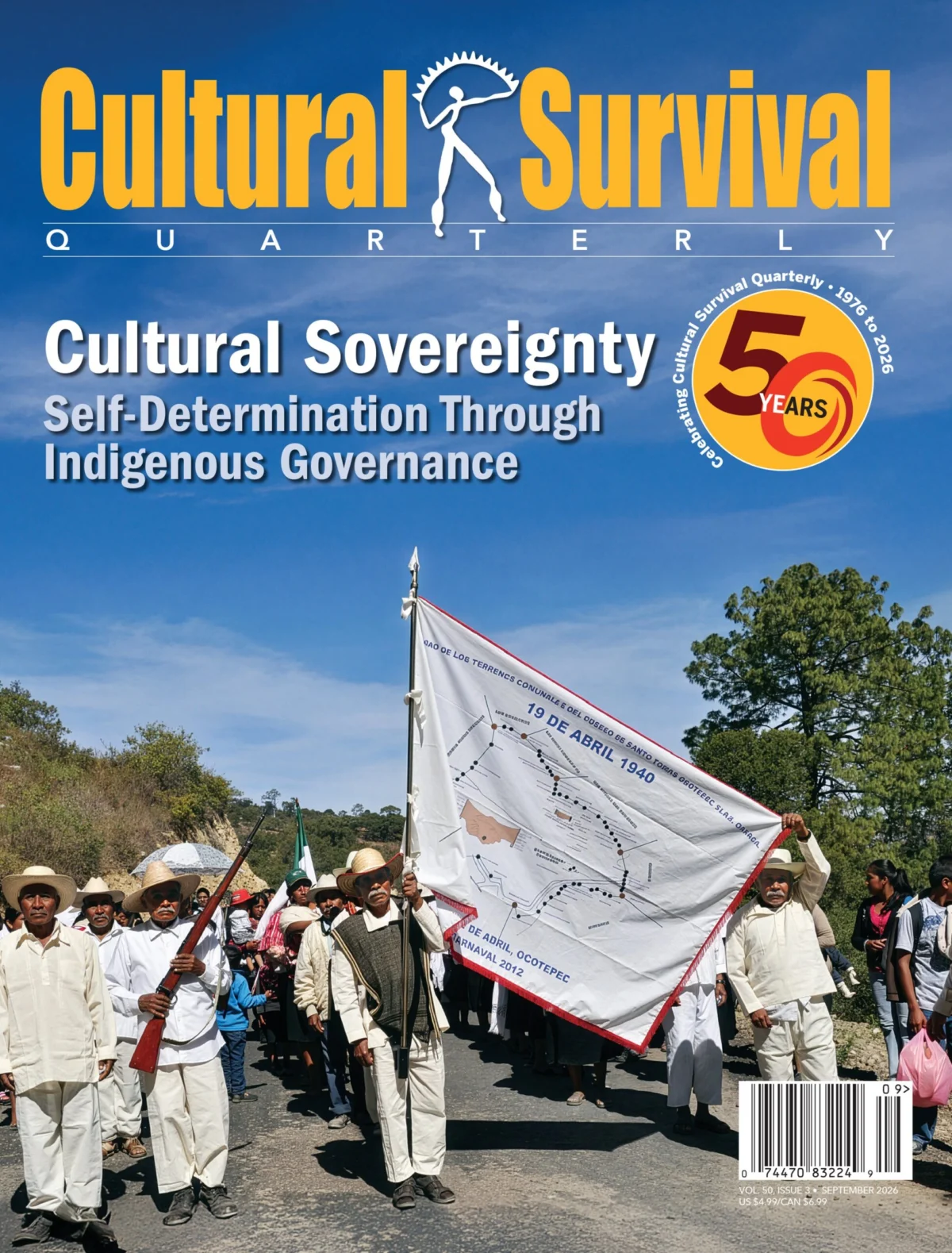
Centuries of colonial assimilationist policies, legal marginalization, and systemic efforts toward cultural erasure have fundamentally failed to extinguish the deeply rooted traditions of Indigenous self-governance across the globe. From the high-altitude communities of the Andes and Mesoamerica to the Arctic territories of Northern Europe and the Pacific islands of Aotearoa New Zealand, Indigenous self-determination remains a dynamic, living reality. Rather than relying solely on Western legal frameworks or state-sanctioned permissions, these systems of governance are perpetuated through collective memory, daily communal practices, and an unbroken continuity of cultural organization.
At the core of these diverse governance models lies an inseparable, foundational link between community, culture, and territory. To govern, within an Indigenous paradigm, is not merely to administer laws or adjudicate disputes; it is to actively care for collective life, manage shared resources sustainably, safeguard community well-being, and maintain a harmonious relationship with ancestral lands. This article examines the historical context, operational structures, modern challenges, and broader sociopolitical implications of Indigenous self-governance in the contemporary era.
Historical Context and the Legacy of Assimilation
For centuries, colonizing nation-states systematically attempted to dismantle Indigenous organizational structures. The primary objective of these assimilationist policies was the creation of homogenized national identities, standardized languages, and uniform Western lifestyles. Governments utilized legislative acts, forced boarding schools, and the imposition of foreign legal systems to subvert traditional authority.
Despite these aggressive campaigns, complete erasure was avoided through persistent resistance and clandestine preservation of cultural practices. Historically, Indigenous political life has always been deeply intertwined with geography. The stewardship of natural resources, protection of communal spaces, and reverence for sacred sites form the bedrock of Indigenous jurisprudence. Furthermore, justice systems within these communities historically prioritized restoration over retribution. Grounded in dialogue, communal reconciliation, and proportional reparations, these conflict-resolution mechanisms stand in stark contrast to colonial imperialist models that focus overwhelmingly on punitive incarceration of individuals.
Chronology of Modern Recognition and Legislative Milestones
The trajectory of Indigenous self-governance within modern state structures has evolved through distinct historical phases, marked by grassroots mobilization, international advocacy, and incremental legal concessions:
- Pre-1970s: Era of overt assimilation and state-mandated integration policies, where Indigenous governance was largely criminalized, ignored, or treated as primitive folklore.
- 1989: The International Labour Organization (ILO) adopts Convention 169 concerning Indigenous and Tribal Peoples, establishing the first major binding international instrument recognizing land rights and traditional institutions.
- 2007: The United Nations General Assembly adopts the United Nations Declaration on the Rights of Indigenous Peoples (UNDRIP), explicitly affirming the collective right to self-determination and autonomy.
- 2010s–Present: An era of localized constitutional reforms and persistent political friction, wherein states increasingly incorporate limited multicultural frameworks, though often accompanied by bureaucratic hurdles and resource-dependency traps.
Structural Mechanics: Assemblies, Councils, and Accountability
Within numerous communities across Abya Yala (a term used by the Kuna people to designate the American continent), the traditional assembly remains the preeminent space where political discourse circulates and decisions are forged collectively. Unlike Western democratic models driven by political parties, financial campaigns, and popularity contests, Indigenous leadership selection emphasizes a proven track record of selfless service to the community.
Assuming a leadership position entails a lifelong, permanent responsibility and the strict obligation to maintain absolute accountability to the people. In many traditions, governance structures also incorporate a Council of Wise People or Elders. The authority of an Elder is not acquired merely by chronological age; rather, it is conferred by community recognition, extensive life experience, and a demonstrated history of civic dedication.
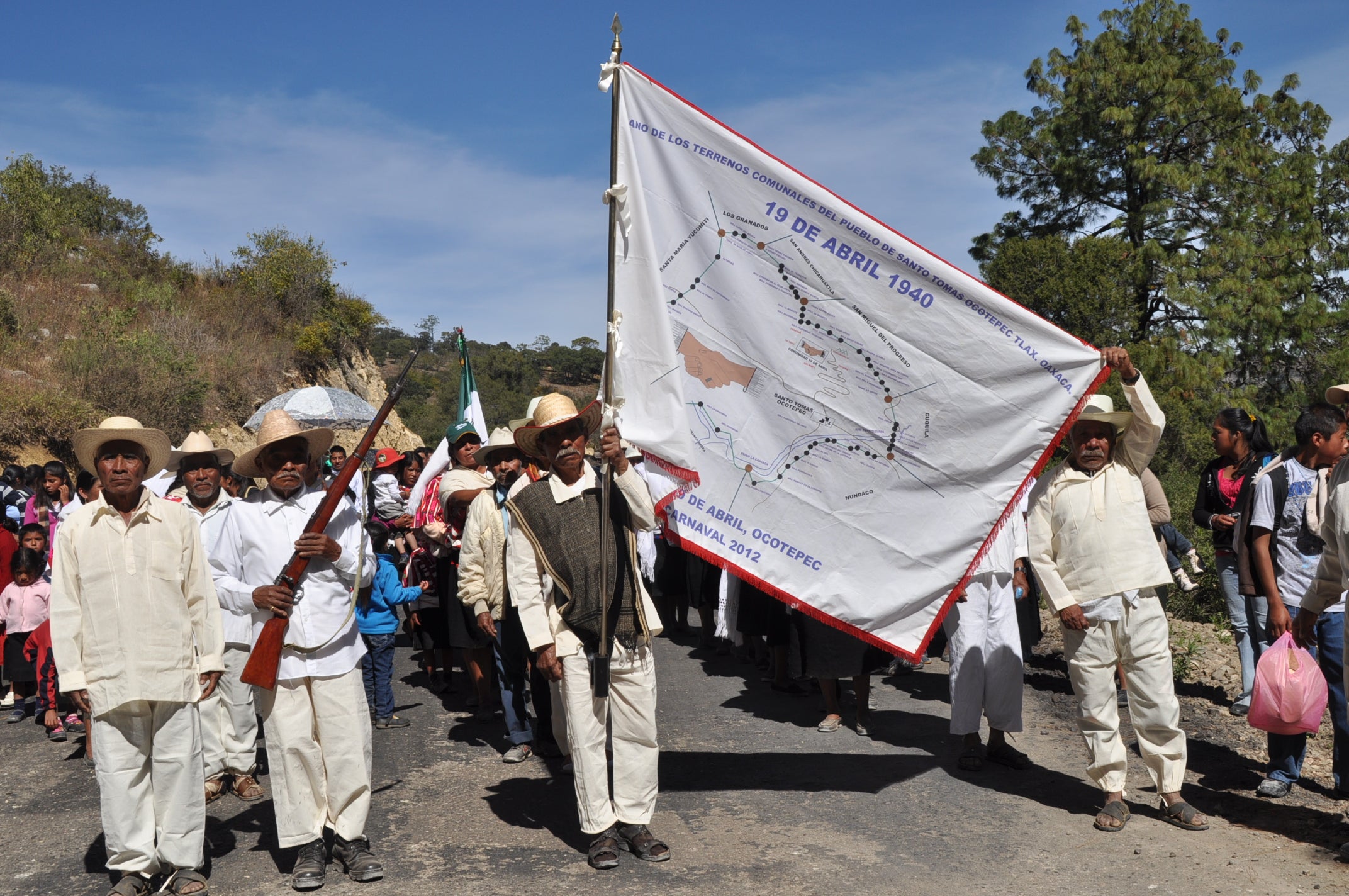
In regions such as Oaxaca, Mexico, these governance structures are codified within the modern administrative reality. Data from the Oaxaca State Electoral and Citizen Participation Institute indicates that 417 of the state’s 570 municipalities are officially governed by Indigenous regulatory systems (commonly known as usos y costumbres). In Ñuu Savi communities, for instance, leaders are elected through open assemblies, and administrative positions are largely unpaid, reinforcing the principle that authority is a sacred duty rather than a career path.
Comparative Global Models: The Sami Parliaments and Aotearoa
Globally, different regions have experimented with varying degrees of institutional integration. In Northern Europe, the Indigenous Sámi people have established institutional bodies known as Sámi Parliaments in Norway (founded in 1989), Sweden (1993), and Finland (1973). These parliamentary bodies function as representative institutions designed to foster dialogue with national governments, allowing the Sámi to participate in decision-making processes regarding cultural preservation, language rights, and traditional land-use practices.
However, the Sámi experience underscores the limitations of partial integration. While these parliaments provide a vital platform for advocacy, they do not constitute a full transfer of sovereign power. Fundamental decisions regarding national legislation, mining concessions, and large-scale territorial management remain concentrated within state apparatuses.
Similarly, in Aotearoa New Zealand, the Māori have continually advocated for co-governance models to ensure shared decision-making authority over natural resources and public services. These proposals, however, have frequently met with fierce political backlash from conservative factions, who have occasionally labeled such initiatives as "ethnic elitism" or "undue privilege," demonstrating how fiercely contested the redistribution of political power remains in post-colonial societies.
Current Challenges: Co-optation, Gender Inequity, and Resource Pressures
Putting Indigenous self-governance into practice in the 21st century remains fraught with systemic obstacles. Modern state policies frequently approach Indigenous populations through a paternalistic, welfare-oriented lens. Rather than addressing fundamental structural inequalities, state interventions often rely on rigid quotas and bureaucratic funding mechanisms that ignore local community dynamics.
Furthermore, the financial relationship between states and Indigenous communities has introduced complex internal tensions. The distribution of public resources and government grants can trigger disputes over administrative control, inadvertently fostering factionalism, internal divisions, and administrative corruption that weaken the traditional community fabric.
Gender equity within local governance presents another critical challenge. While women routinely shoulder the heavy burden of community leadership, agricultural work, and domestic responsibilities, their expanded roles often expose them to double or triple workloads. Efforts to increase formal political participation frequently fail to account for these systemic disparities, leaving women vulnerable to patriarchal pushback, institutional skepticism, and, in severe cases, gender-based violence rooted in traditionalist exclusion.
Simultaneously, ancestral territories face unprecedented external pressures. The relentless expansion of industrial mining, monoculture agribusiness, commercial real estate developments, unregulated tourism, and water-and-land grabbing has intensified territorial conflicts. Community defenders who resist corporate encroachment frequently face criminalization, physical displacement, and heightened personal risk.
Fact-Based Analysis of Implications
The persistent friction between state administrative frameworks and Indigenous self-governance systems carries profound geopolitical, environmental, and human rights implications. From an ecological standpoint, empirical studies consistently demonstrate that territories managed under Indigenous autonomy exhibit higher biodiversity preservation rates and superior carbon sequestration metrics compared to state-administered lands. Therefore, recognizing Indigenous self-governance is not merely a matter of historical redress, but a vital strategy for global climate resilience.
However, as long as state recognition remains partial, conditional, and tied to bureaucratic dependency, true self-determination will remain elusive. The co-optation of Indigenous authorities into administrative managers of state-allocated poverty budgets undermines the radical potential of traditional governance. True integration requires moving beyond superficial multiculturalism and tokenistic parliamentary representation toward a fundamental constitutional restructuring of how power, land, and sovereignty are shared.
Pathways Forward: Transforming the State-Indigenous Relationship
The continuity demonstrated by the Ñuu Savi, the Sámi, the Māori, and hundreds of other Indigenous groups globally proves that self-governance is not a static relic of the past, but an adaptive, living framework for the future. Their resilience—forged through centuries of mobilization, legal battles, and, tragically, loss of life—serves as an ongoing challenge to the centralizing tendencies of the modern nation-state.
Fully recognizing Indigenous self-governance demands more than international declarations, nominal apologies, or piecemeal legislative amendments. It requires a profound philosophical transformation in how modern societies conceptualize authority, territorial stewardship, and collective coexistence. By dismantling paternalistic state structures and embracing genuine co-governance, societies can foster pluralistic futures where cultural and political difference is not perceived as a threat to national unity, but as the foundational cornerstone of a more equitable and resilient global community.




