
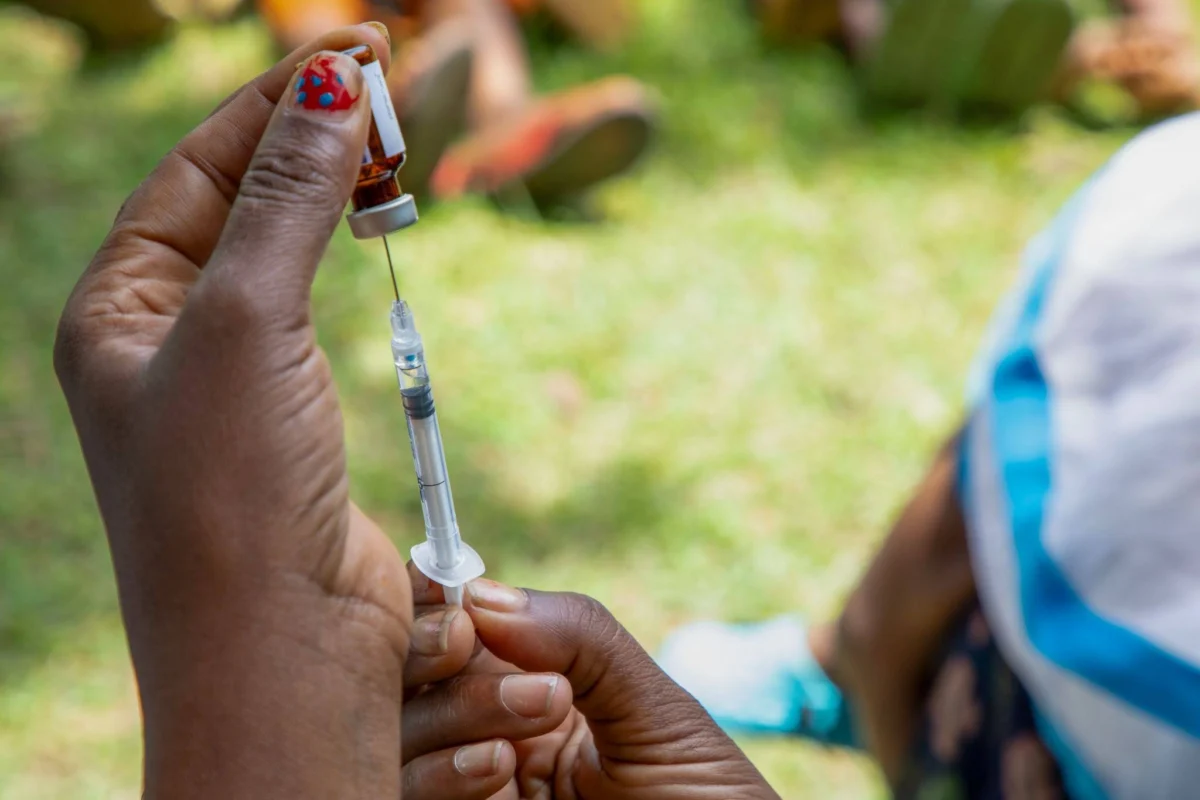
Billions of vaccine doses are lost annually on a global scale due to minor, preventable disruptions within the intricate logistics network known as the cold chain. While purchasing and installing state-of-the-art cold rooms is an undeniably vital step in modernizing public health infrastructure, the true measure of a resilient health care system lies in its enduring ability to maintain, manage, and dynamically adapt this infrastructure over time. Over the past year, JSI, working in close and strategic partnership with the Ethiopian Ministry of Health and the Ethiopian Pharmaceutical Supply Service (EPSS), has redefined infrastructure development. By turning routine management and necessary maintenance into rigorous training and forward-looking policy, this collaborative initiative has set a new benchmark for sustainable healthcare logistics in East Africa.
The Stakes of Cold Chain Integrity in Modern Public Health
The global public health community has long recognized that the efficacy of life-saving immunizations is entirely dependent on maintaining strict temperature controls from the point of manufacture down to the final administration site. Vaccines are inherently sensitive biological products; exposure to temperatures outside the recommended range of 2°C to 8°C—or freezing temperatures for certain formulations—can permanently degrade their potency. When cold chain integrity fails, the consequences are profound, resulting in wasted financial resources, depleted medical stockpiles, and, most critically, unprotected populations vulnerable to vaccine-preventable diseases.
In developing nations, maintaining a robust cold chain presents unique logistical challenges. Shifting demographics, rapid urban development, and daily operational inefficiencies continually place immense strain on existing supply chain architectures. In Ethiopia, these pressures necessitated a comprehensive reorganization of storage facilities to reliably serve a burgeoning population of over 32 million people across diverse geographic terrains. Rather than treating necessary infrastructural adjustments as mere transactional logistics tasks, implementing partners recognized a golden opportunity. They utilized these operational changes as a living training ground to substantially strengthen local technical capacity in cold chain management, ensuring that Ethiopian engineers and technicians would not merely inherit equipment, but master the knowledge required to sustain it indefinitely.
Chronology of Transformation: Strategic Hub Overhauls
The collaborative initiative between JSI and the EPSS unfolded across a carefully orchestrated timeline over the past year, targeting three critical regional and national hubs: Mekelle, Hawassa, and Addis Ababa. Each site presented distinct engineering challenges, geographic constraints, and operational bottlenecks, providing a progressive learning curve for local technical teams.
Streamlining Warehouse Operations in the Mekelle Hub
The operational journey began in the northern part of the country at the EPSS Mekelle hub, a vital distribution node serving more than seven million people. Prior to the intervention, the hub was severely hampered by operational inefficiencies, which comprehensive logistical assessments revealed were predominantly caused by scattered, poorly integrated equipment. The layout of the facility forced staff to navigate fragmented storage zones, increasing the risk of temperature excursions and complicating inventory management.
The strategic solution involved centralizing two walk-in cold rooms and one freezer into a single, cohesive space. This reorganization not only streamlined day-to-day warehouse operations but also drastically enhanced the safety and security of sensitive vaccines and dry medical supplies. Crucially, this was not executed by external contractors alone. EPSS staff worked side-by-side with JSI experts, rolling up their sleeves to enhance their hands-on skills in dismantling, safely transporting, and meticulously recommissioning complex cold rooms. This deliberate co-execution model transformed what could have been a simple equipment move into an intensive technical demonstration of industrial machinery mechanics.
Navigating Complex Relocations at the Hawassa Hub
Building upon the success in Mekelle, JSI and the EPSS undertook a significantly more complex relocation project at the Hawassa storage facility, a critical logistics anchor serving more than ten million people. Unlike the internal reorganization in Mekelle, the Hawassa hub faced an external deadline dictated by regional development: a government-sponsored road corridor expansion project required the urgent relocation of two large walk-in cold rooms to make way for urban infrastructure development.
Faced with tight deadlines and high stakes, the joint team successfully relocated 150 cubic meters of active cold storage to a brand-new site without a single hour of downtime or a breach in temperature thresholds. Strict storage standards and vaccine potency were flawlessly preserved throughout the transition. Notably, EPSS personnel took the operational lead, actively troubleshooting complex technical challenges under the expert coaching of JSI mentors. This demonstrated a rapid maturation of local management, proving that EPSS leadership was fully capable of directing major warehousing shifts driven by external geographic constraints.
Mastering Scale at the Addis Ababa National Hub
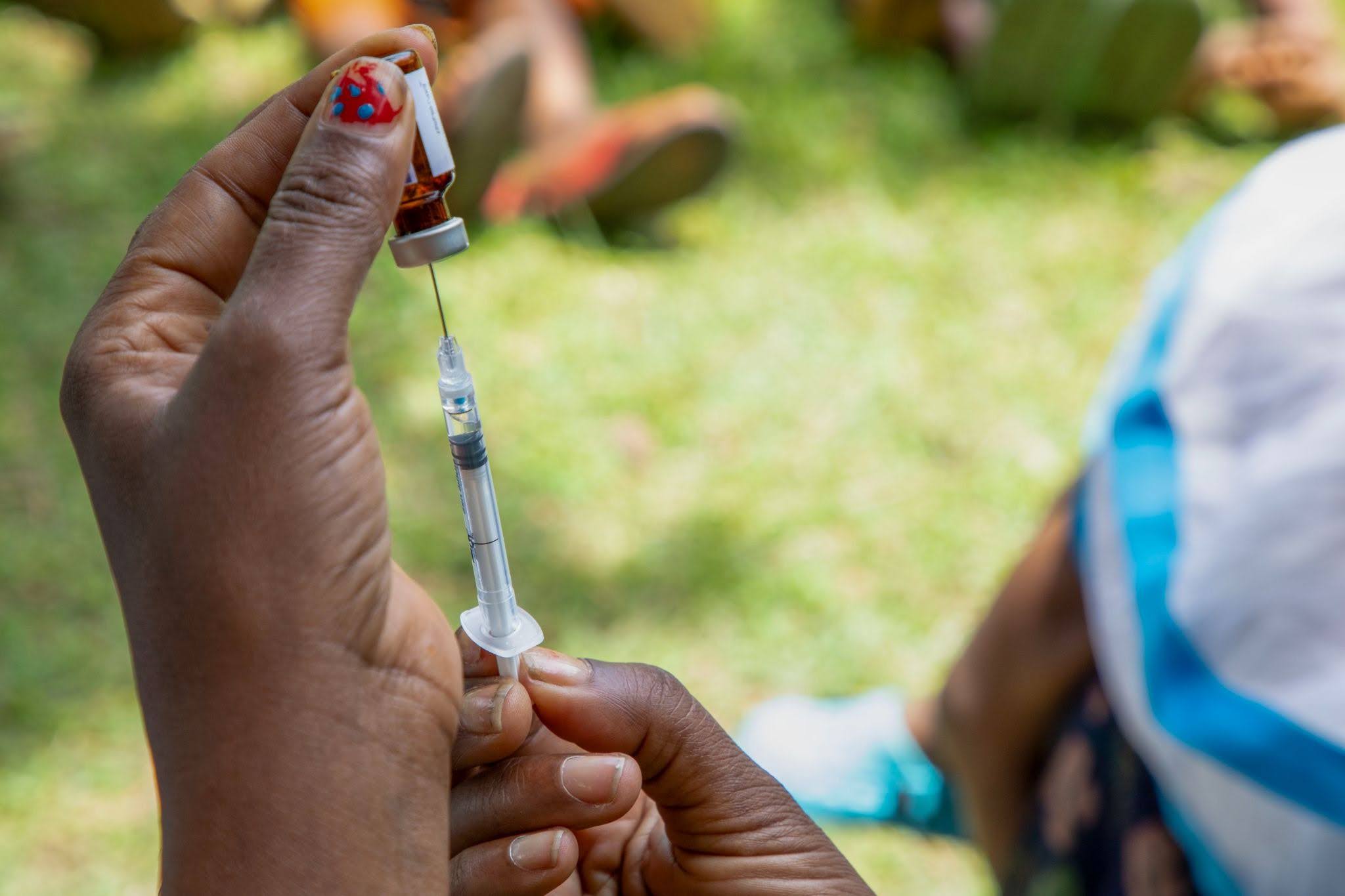
The capstone of this twelve-month capacity-building initiative took place at the Addis Ababa Hub 1, the nation’s largest sub-national vaccine store, which bears the immense responsibility of serving a catchment population of 15 million citizens. Prior to the intervention, the facility’s layout was plagued by severe architectural inefficiencies: five cold rooms and one freezer room were scattered across three separate warehouses.
This fragmented design forced supply chain staff to transport sensitive pharmaceutical items across open, unconditioned floors. During peak operational hours, ambient temperatures in these transit corridors would climb to a dangerous 38°C, threatening the integrity of the cold chain and placing immense physical strain on warehouse personnel.
Addressing this vulnerability required a monumental engineering effort: consolidating five cold rooms and one freezer room into a single, integrated, and thermally optimized facility. In a testament to the rapid accumulation of expertise over the preceding months, EPSS cold chain technicians took complete, independent leadership of the project. Working autonomously over a matter of weeks, local technicians successfully consolidated the entire complex infrastructure. JSI’s role shifted from active co-execution to high-level mentorship and quality assurance. The flawless completion of the Addis Ababa relocation put the compounding experience of the technicians to the ultimate test, resulting in a world-class, centralized cold chain facility managed entirely by national professionals.
Voices from the Field: Official Perspectives and Collaboration
The success of the JSI and EPSS partnership highlights a fundamental shift in international development philosophy—moving away from donor-driven implementation toward absolute local ownership. While specific individual quotations from institutional leaders emphasize the collaborative spirit of the initiative, official joint evaluations from the Ministry of Health underscore the profound strategic value of the program.
Logistics experts within the Ethiopian public health sector have frequently noted that traditional capacity-building efforts often rely too heavily on theoretical classroom instruction. By embedding training directly into high-stakes, real-world infrastructural overhauls, the JSI-EPSS model bridges the gap between knowledge acquisition and operational execution. Leadership from the EPSS has consistently emphasized that empowering local biomedical engineers and cold chain technicians is the single most effective defense against systemic supply chain vulnerabilities. By fostering an environment where local staff are trusted to manage high-value equipment relocations, the agency has cultivated a culture of confidence, accountability, and technical excellence.
Data-Driven Analysis: Implications for National Health Security
A rigorous examination of the data surrounding Ethiopia’s expanded immunization program reveals the profound implications of these infrastructural upgrades. With a catchment population spanning tens of millions of citizens—distributed across the 15 million served by Addis Ababa, the 10 million in Hawassa, and the 7 million in Mekelle—the stabilized hubs now protect a vast majority of the nation’s public health cold storage capacity.
From an economic and epidemiological standpoint, the implications are far-reaching. Eliminating temperature excursions in primary sub-national hubs directly correlates with a higher effective vaccine coverage rate. When wastage due to logistical bottlenecks is minimized, government and donor expenditures yield a significantly higher return on investment. Furthermore, the operational efficiencies gained through warehouse consolidation reduce energy consumption, lower facility maintenance costs, and accelerate the turnaround time for vaccine distribution campaigns down to regional health bureaus and local clinics.
Building Ethiopia’s Sustainable Cold Chain Legacy
The overarching philosophy that guided the past year of interventions can be summarized simply: teaching while doing. By intentionally sequencing projects across three increasingly complex hubs—Mekelle, Hawassa, and Addis Ababa—JSI and the EPSS engineered an iterative capacity-building framework. This methodology ensured that the skills of the local technical teams compounded over time, systematically transforming novice technicians into confident, self-reliant experts capable of troubleshooting industrial-grade refrigeration systems without external oversight.
However, the legacy of this initiative extends far beyond physical infrastructure and immediate technical training. To ensure that these hard-won gains outlive project timelines, the partners actively translated their hands-on field experiences into formal national policy. By codifying lessons learned into standardized national protocols and operating procedures, Ethiopia has established a regulatory and operational framework that ensures long-term institutional resilience.
As demographic shifts and development projects continue to test the boundaries of public health infrastructure across the African continent, the Ethiopia model offers a compelling blueprint. By marrying infrastructure improvement with aggressive, practical capacity development and supportive policy reform, nations can transition from fragile logistical dependency to enduring self-reliance, safeguarding the health of future generations one cold room at a time.




