
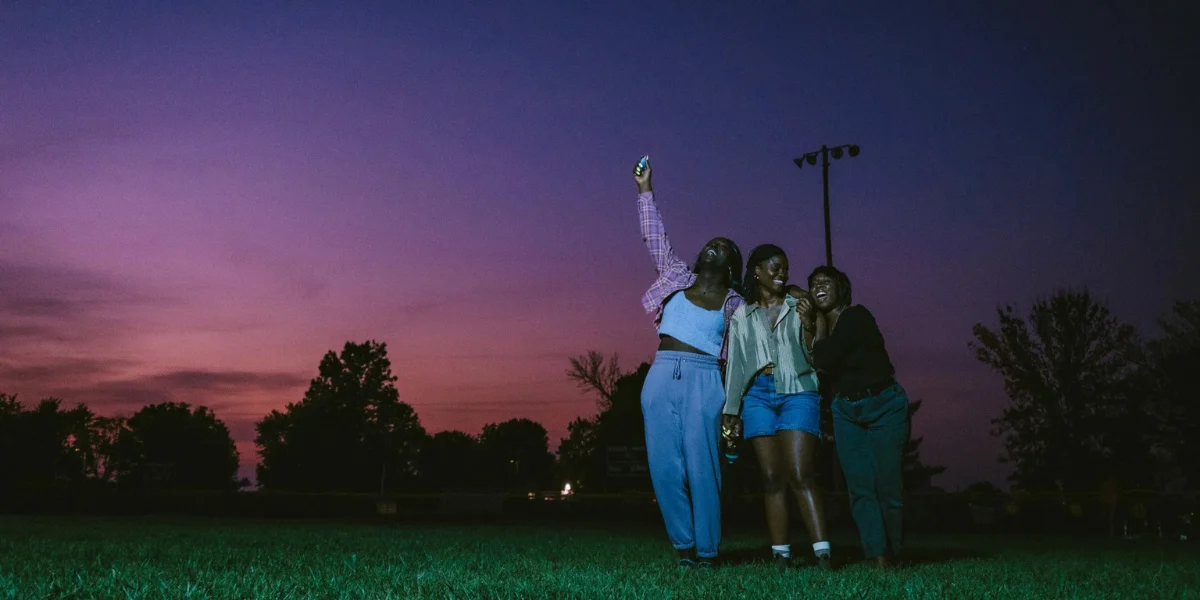
The landscape of modern Hollywood remains characterized by a persistent, measurable contraction in the visibility of queer characters of color. Recent data from the Gay & Lesbian Alliance Against Defamation (GLAAD) underscores a troubling trajectory for the representation of Black LGBTQ+ individuals in television. According to the organization’s annual "Where We Are on TV" reports, the number of Black LGBTQ characters on broadcast television has steadily declined from 101 in 2023 to 95 in 2024, falling further to 85 in the 2025 reporting cycle. These figures highlight a systemic reluctance within major studios to greenlight projects centered on the intersections of Black womanhood, non-monogamy, and transgender identity. Amidst this climate of industry-wide erasure, director Shatara Michelle Ford’s sophomore feature, Dreams in Nightmares, emerges as a critical intervention in the cinematic canon.
A Departure from Mainstream Erasure
Ford, who previously garnered critical acclaim for the 2020 feature Test Pattern, utilizes the road trip narrative structure in Dreams in Nightmares to map the internal and external struggles of a femme friend group. The film’s narrative arc centers on three college friends—Z, a creative writing professor portrayed by Denée Benton; Lauren, a poet played by Dezi Bing; and Tasha, a high-strung professional portrayed by Sasha Compère—as they navigate the intersections of personal ambition and the economic pressures of late-stage capitalism.
The story begins with the dissolution of their professional lives. Z faces unemployment after being laid off from her teaching position, leading to an existential crisis regarding her future as an author versus pursuing an MBA. Simultaneously, Tasha finds herself navigating the strain of supporting her roommate, Lauren, whose career as an independent poet relies on sporadic, unpaid gig work. The catalyst for the film’s central journey is the disappearance of their friend, Kel, played by Mars Storm Rucker. Suspecting that Kel has re-entered a volatile relationship with a former partner, the trio embarks on a cross-country odyssey through the American Midwest to locate them.
Chronology of Production and Thematic Evolution
The development of Dreams in Nightmares reflects a significant shift in the cultural evolution of Black independent cinema. While scholars often cite Spike Lee’s 1986 debut, She’s Gotta Have It, as a foundational text for the depiction of Black female sexual liberation, Ford’s latest work modernizes these themes by incorporating fluid, polyamorous relationship dynamics. The film is noteworthy for being among the first to depict a Black non-monogamous polycule with narrative center-stage presence and emotional sincerity.
The film’s production design and thematic framing utilize historical markers to ground the characters’ contemporary struggle. The opening sequence incorporates archival footage of labor-intensive agricultural work, drawing a visual parallel between historical systemic oppression and the current constraints imposed by modern economic structures on creative professionals. Throughout the journey, the characters intentionally navigate a "modern Green Book" route, utilizing digital tools to identify Black-owned businesses and avoid spaces where they anticipate encountering racial friction or discomfort. This deliberate spatial navigation serves as a recurring motif, emphasizing the ongoing negotiation of safety and community for Black queer subjects in America.
Fact-Based Analysis of Narrative Techniques
Ford’s directorial approach relies on a synthesis of naturalism and lyrical symbolism. The film utilizes a score composed by Lia Ouyang Rusli, which functions as an indicator of character interiority. The use of non-diegetic jazz swells serves to heighten the tension during scenes of conflict—such as encounters involving microaggressions or the refusal of family members to acknowledge a character’s gender identity—while a transition to harp-based arrangements signifies moments of communal joy and interpersonal connection.
The script, written by Ford, embeds the characters within a social context that challenges traditional cinematic tropes. For instance, the film addresses the complexities of navigating familial rejection through the characters’ interactions with the parents of the missing Kel, portrayed by Regina Taylor and Robert Wisdom. By documenting these interactions, the film provides a critique of how traditionalist ideologies in American culture continue to impact the lives of queer individuals, regardless of their professional success or social standing.
Industry Implications and Representation Metrics
The decision to center a film on a Black trans woman and a non-monogamous lesbian polycule represents a departure from current studio risk-mitigation strategies. Industry analysts have noted that the "middle-class" Black experience—a category into which the film’s protagonists fall—is often overlooked in favor of narratives centered on either trauma or exceptionalism. Dreams in Nightmares instead focuses on the "existential weight" of daily life, positioning the characters’ pursuit of creative passion as a radical act in a society that historically undervalues their labor.
The film’s focus on the "unproduced floor" of Hollywood—a reference to the myriad of stories about Black femmes that fail to secure funding—is underscored by the logistical choices made in the narrative. The characters’ discomfort in predominantly white spaces and their active effort to find solidarity in Black-owned establishments reflect a broader socio-political reality of modern Black life. By choosing to highlight these granular details, the film serves as a counter-narrative to the standard "universal" experience often presented in mainstream media.
Critical Reception and Cultural Impact
The performances of Benton, Bing, and Compère have been identified by critics as the film’s emotional anchor. The chemistry among the leads allows the film to sustain its two-hour runtime while maintaining a cohesive, character-driven focus. The portrayal of Tasha, in particular, has been highlighted for its nuanced depiction of the strain caused by the intersection of professional instability and the desire to support one’s chosen family.
The final sequence of the film, which features the dedication "for all of us," acts as a capstone to Ford’s intent to provide visibility to demographics that are frequently rendered invisible in national discourse. By situating the characters within a familiar road trip structure, the film invites the audience to inhabit their world, thereby validating their experiences of love, frustration, and liberation.
Broader Context of the 2025 Media Landscape
As the industry grapples with the decline of queer representation, as documented by GLAAD, projects like Dreams in Nightmares serve as essential evidence that there is a viable, significant audience for diverse storytelling. The film acts as a response to the institutional barriers that prevent these narratives from reaching a wide viewership. While the statistics regarding the reduction of Black LGBTQ characters in broadcast television remain bleak, the production of such features in the independent sector suggests a divergence between mainstream studio output and the actual demand for inclusive, authentic representation.
Ultimately, the impact of the film lies in its ability to reconcile the harsh realities of contemporary economic life with the necessity of communal support. By documenting the trio’s journey, Ford provides a roadmap for future creators, proving that the complexities of Black queer identity are not only worthy of cinematic exploration but are vital to the health of the modern cultural landscape. The film stands as a testament to the endurance of the chosen family, offering a vision of liberation that persists even in the face of widespread industry erasure and societal marginalization. The legacy of this project will likely be measured not only by its aesthetic contributions but by its role in challenging the conventions of what constitutes a "commercially viable" story in the 21st century.




