

Since January 2025, the landscape of U.S. immigration and asylum policy has undergone a radical transformation, characterized by the systematic dismantling of long-standing legal frameworks designed to protect those fleeing persecution. The current administration has implemented a series of executive orders and policy shifts that have fundamentally altered how the United States interacts with individuals seeking safety at its borders. As of late August 2026, the cumulative impact of these changes has effectively created a restrictive environment that prioritizes deterrence and mass expulsion over the international obligations established by the 1951 Refugee Convention and codified domestically in the Refugee Act of 1980.
The Legal Foundation and the Shift in Policy
The right to seek asylum is rooted in the principle of non-refoulement, an international legal concept that prohibits countries from returning individuals to territories where their lives or freedom would be threatened. Under the Refugee Act of 1980, the United States affirmed its commitment to this principle, establishing a formal process for individuals to claim refugee status regardless of their method of entry.
However, the administration’s approach beginning in early 2025 shifted the focus toward rapid processing and immediate exclusion. Central to this strategy is the expansion of "expedited removal," a fast-track deportation mechanism that bypasses standard immigration court proceedings. Under current directives, individuals are subjected to a high-threshold "credible fear" screening. If they fail to meet this initial burden, they are subject to immediate removal, often within days of their arrival. Critics argue that these screenings are conducted under conditions that do not allow for adequate legal preparation, essentially predetermining the outcome of asylum claims before a judge can review the merits of the case.
Chronology of Administrative and Judicial Developments
The following timeline outlines the key milestones in the transformation of asylum policy over the past 20 months:
- January 20, 2025: President Trump signs a series of executive orders effectively suspending traditional asylum processing. These orders prioritize the deployment of military and federal law enforcement resources to the southern border.
- February 2025: The administration formally terminates several humanitarian parole programs, which had previously served as a primary pathway for individuals to apply for asylum from outside the United States.
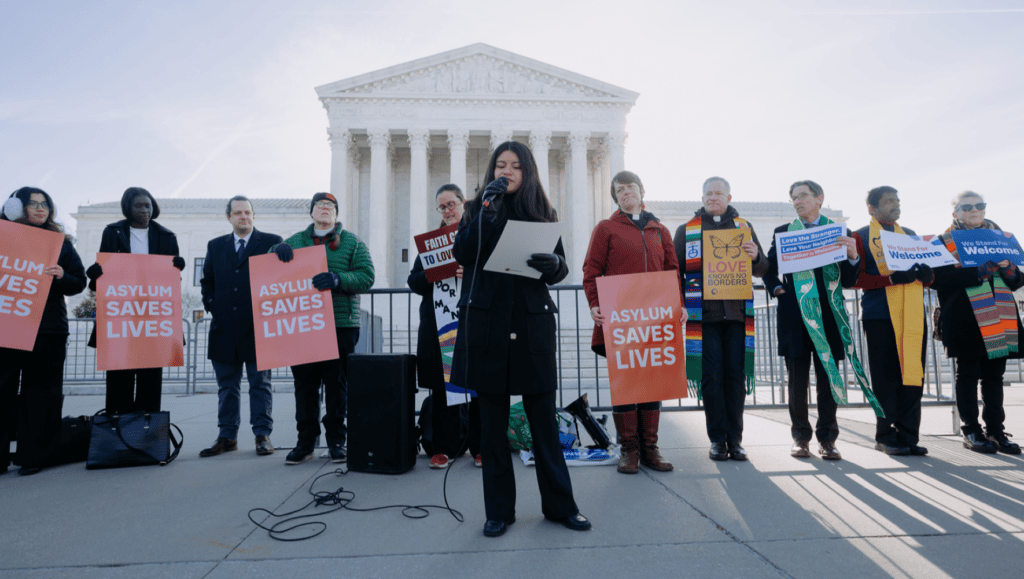
- March 2026: The Supreme Court hears oral arguments in Mullin v. Al Otro Lado, a pivotal case examining whether the executive branch has the authority to deny asylum seekers the right to initiate claims at ports of entry.
- June 2026: In a significant legal defeat for immigration advocates, the Supreme Court rules in favor of the administration, upholding the government’s authority to reject asylum seekers at the border without providing full due process in immigration court.
- August 2026: Implementation of an interim final rule by U.S. Citizenship and Immigration Services (USCIS) mandates that asylum seekers be referred directly to immigration court, bypassing initial interviews with trained asylum officers.
Data Trends and the Immigration Court Backlog
The operational strain on the U.S. immigration system is reflected in the record-breaking volume of pending cases. According to data from the Executive Office for Immigration Review (EOIR), the backlog of asylum cases in immigration courts reached an unprecedented 2.4 million by the end of 2025. This backlog has created a cycle of instability where claimants wait years for a final adjudication, often living in legal limbo without work authorization.
The administration has cited this backlog as a primary justification for its shift toward expedited processes. However, independent analysts suggest that the lack of investment in judicial capacity—specifically the hiring of additional immigration judges and support staff—is a more significant factor in the systemic failure than the volume of incoming claims itself. By focusing on rapid expulsion, the government has arguably traded procedural fairness for administrative expediency, leaving thousands of families in precarious situations in northern Mexican border cities.
Humanitarian Implications and Regional Consequences
The policy of returning asylum seekers to Mexico, often referred to in policy circles as the "Remain in Mexico" framework, has drawn sharp criticism from humanitarian organizations. Reports from international observers indicate that individuals returned to border towns face heightened risks of kidnapping, extortion, and physical violence by organized crime cartels that target vulnerable migrants.
HIAS and other advocacy groups have consistently highlighted that these policies force individuals into "protection voids." Without access to safe housing, legal counsel, or basic social services, asylum seekers are often coerced into abandoning their legal claims out of desperation. The parallel drawn by legal advocates between the current "turnback" policies and the historical turning away of the M.S. St. Louis in 1939 serves as a central theme in ongoing litigation, emphasizing the moral and legal stakes of the current administrative posture.
Official Responses and Legal Challenges
The administration maintains that its policies are necessary to secure the border, ensure national sovereignty, and manage the logistical burden of mass migration. In its filings to the Supreme Court, the Department of Justice argued that the executive branch maintains broad discretion in matters of border security, particularly under claims of national emergency.
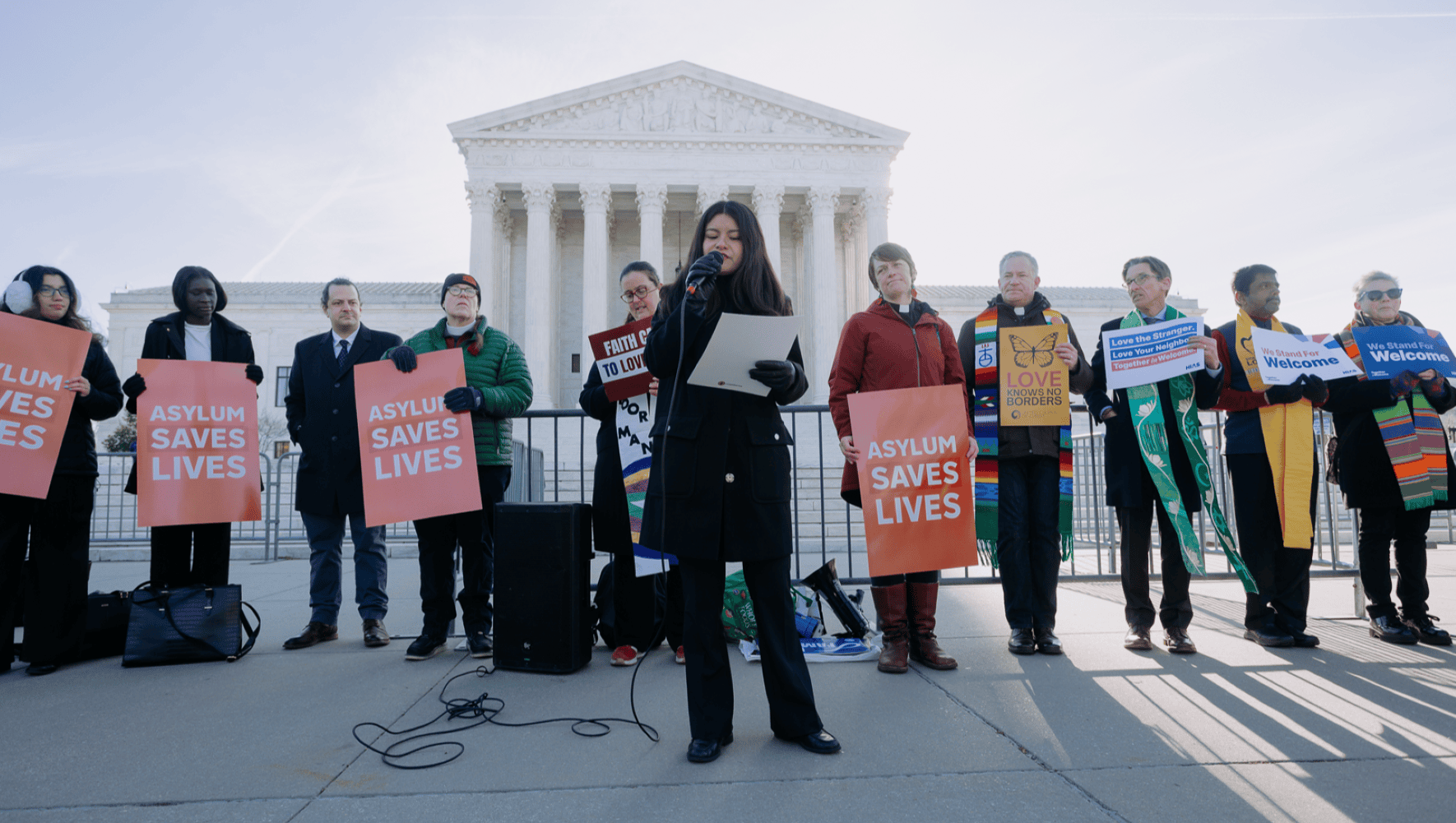
Conversely, the legal opposition, including groups like HIAS, argues that the administration’s actions violate both statutory law and the spirit of the Refugee Act. HIAS has filed multiple amicus briefs, contending that the current rules effectively negate the statutory right to seek asylum. The recent Supreme Court ruling in Mullin v. Al Otro Lado has shifted the focus of these advocates toward challenging individual regulations and interim rules. The current legal battle over the USCIS interim final rule—which would remove the initial interview step for asylum seekers—represents the latest front in this effort to preserve procedural safeguards.
Broader Impact on U.S. Immigration Policy
The shift in 2025 and 2026 represents more than just a temporary policy change; it marks a fundamental reorientation of the American stance on international protection. By moving away from a model of case-by-case adjudication and toward a model of border deterrence, the administration has effectively signaled that asylum is no longer a primary component of U.S. immigration strategy.
The implications for the future are significant. With the judiciary largely deferring to executive authority in border matters, the restoration of a "fair, safe, and efficient" process now appears to rely entirely on legislative action. However, with Congress remaining deadlocked on comprehensive immigration reform, the legislative pathway for creating a more sustainable system appears narrow.
As the debate continues, the humanitarian consequences of these policies remain a point of contention. The reduction in legal pathways has not necessarily resulted in a reduction in the number of people arriving at the border; rather, it has shifted the nature of that migration, often pushing individuals into more dangerous, clandestine routes.
Ultimately, the events of the last two years have left the U.S. asylum system at a crossroads. The tension between national security interests and humanitarian obligations remains the defining feature of the current debate. For observers and stakeholders, the core question remains whether the existing legal and moral frameworks are sufficient to survive the current climate, or if the fundamental principles of the 1980 Refugee Act will continue to be eroded by executive-level policy directives. The ongoing legal challenges, while currently facing significant hurdles, continue to serve as the only remaining mechanism for oversight in an environment where the traditional norms of asylum protection are being actively dismantled.




