
In the rugged highlands and vast pastoral lowlands of Ethiopia, geography has long been a matter of life and death for expectant mothers. Characterized by precipitous hills, deep ravines, and infrastructure deficits, these remote agrarian and pastoralist regions effectively isolate pregnant women from life-saving medical interventions when they reach full term. Historically, this geographic isolation—compounded by deep-seated sociocultural barriers, persistent stigmas, and limited healthcare literacy—has locked communities into a high-risk cycle of unattended home births and entirely preventable maternal and neonatal fatalities. Institutional delivery rates in these vulnerable pockets have historically hovered at a dismal 17 percent, leaving countless women to navigate labor alone without professional support, emergency obstetric care, or sterile delivery environments.
Recognizing the urgency of this ongoing humanitarian and public health challenge, a coalition consisting of John Snow, Inc. (JSI) and Amref Health Africa, working in close tandem with local community health leaders and regional health bureaus, rolled out a transformative solution in 2023. Known as the Community-Based Life-Saving Maternal and Newborn Health Service Delivery Model (cMNH), this targeted implementation research project was designed to upend traditional healthcare delivery paradigms. By focusing heavily on 38 highly vulnerable communities—comprising eight agrarian regions and 30 pastoral territories characterized by exceptionally high home-delivery rates—the initiative directly targeted seven primary health centers, ultimately extending its protective umbrella to a total population of 210,787 people. At the core of the cMNH framework is a deeply human element: the deployment of village health leaders (VHLs), who are local community volunteers specifically trained to act as a vital bridge between isolated households and institutional primary health facilities.
The Genesis and Chronology of the cMNH Initiative
The deployment of the cMNH model did not happen in a vacuum; it represents the culmination of years of targeted public health strategizing aimed at addressing Ethiopia’s stubborn maternal mortality ratios. While the Ethiopian government has made commendable strides in expanding its primary health care tier through the landmark Health Extension Program (HEP)—which deployed thousands of paid Health Extension Workers (HEWs) to rural kebeles (neighborhoods)—remote pastoralist and geographically fragmented agrarian communities continued to slip through the cracks. Distances to health posts and health centers often spanned hours of arduous travel on foot, an insurmountable barrier for women experiencing complicated labor.
In response to these persistent gaps, planning for the cMNH implementation research initiative began in earnest in late 2022, laying the operational groundwork for the interventions rolled out throughout 2023. The foundational phase of the project required intensive collaboration between regional health bureaus, woreda (district) health office experts, and community elders. This multi-tiered partnership ensured that the intervention would respect local cultural norms while systematically dismantling barriers to care.
During the recruitment phase, regional authorities and local health experts selected 187 village health leaders based on their standing within the community, trustworthiness, and baseline educational capacity. These VHLs underwent rigorous training regimens designed to equip them with essential public health mapping and tracking skills. Armed with this knowledge, the VHLs began systematically identifying and registering pregnant women within their respective jurisdictions, initiating a structured schedule of home visits designed to maintain continuous contact throughout the gestational period.
Operationalizing Community-Based Care: The VHL Protocol
The operational mechanics of the cMNH model are structured around proactive, preventive engagement rather than reactive emergency response. Once a pregnant woman is identified and registered by a VHL, she is integrated into a mandatory schedule consisting of at least three structured interactions throughout her pregnancy: two antepartum (prenatal) visits and one postpartum visit.
During these crucial home visits, VHLs execute a multifaceted healthcare package. Beyond routine wellness checks, they manage the advance distribution of essential maternal and newborn health commodities. By placing life-saving supplies directly into the hands of pregnant women well before their due dates, the initiative ensures that critical interventions are immediately accessible when labor begins. These distributed packages include misoprostol for the prevention of postpartum hemorrhage—the leading cause of maternal mortality globally—as well as chlorhexidine for umbilical cord care, iron and folic acid supplements to combat maternal anemia, and progestin-only pills for postpartum family planning.
Crucially, the physical distribution of medical commodities is paired with comprehensive behavior change communication (BCC). VHLs conduct tailored counseling sessions that emphasize birth preparedness, complication readiness, and the definitive promotion of facility-based deliveries. Women are educated on the danger signs of pregnancy, taught how to recognize obstructed or premature labor, and guided on how to utilize local referral networks, including maternity waiting homes attached to health centers.
Yet, the cMNH model is rooted in a pragmatic acknowledgment of ground-level realities. Recognizing that despite best efforts, socio-cultural pressures, sudden weather events, or precipitous labor will occasionally force women to give birth outside of a formal medical facility, the model incorporates pragmatic contingency counseling. If a mother is compelled by circumstances to deliver at home, the VHL ensures she is thoroughly instructed on the correct protocols for utilizing the cMNH package safely, minimizing the risk of infection and hemorrhage even in an unassisted environment.
Personal Narratives: Real-World Impacts on Vulnerable Women
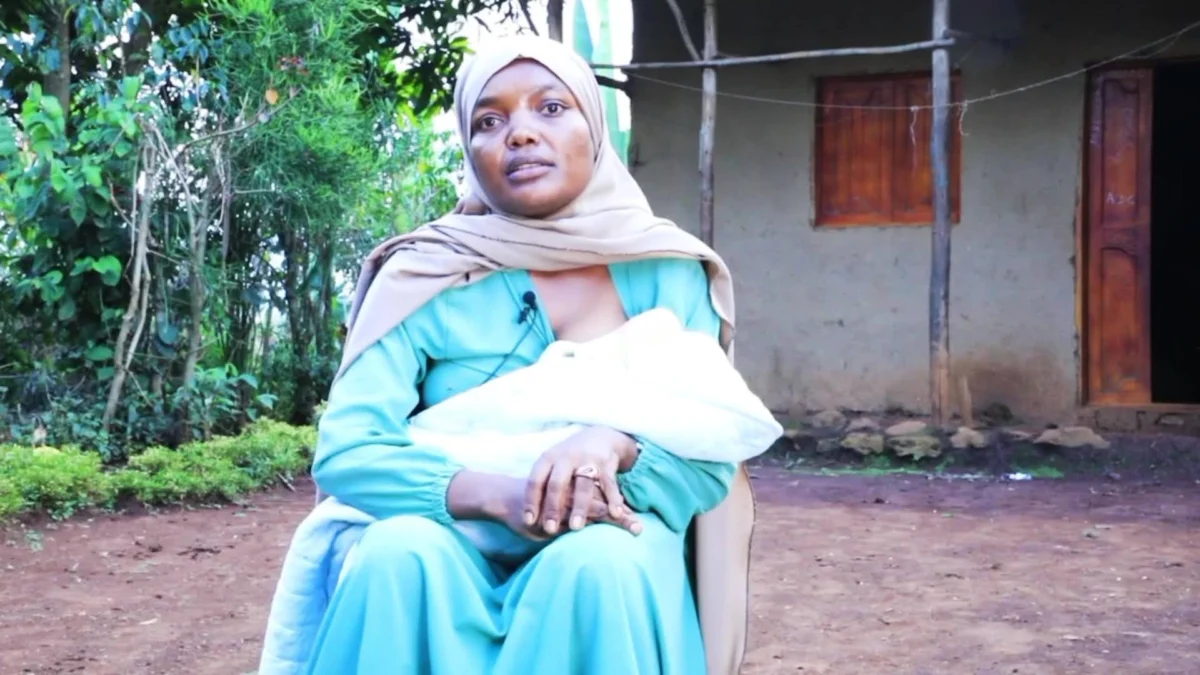
While public health data and broad statistical evaluations provide a macro-level view of success, the true efficacy of the cMNH model is best illustrated through the lived experiences of the women it serves. The stories of Iftu Abajebel and Adanech Bayu underscore the profound divergence in pathways that the intervention successfully navigates.
For Iftu Abajebel, the intervention represented a straightforward bridge to institutional care. Identified and registered by her local VHL during the fourth month of her pregnancy, Iftu received a series of three scheduled home visits. During these interactions, she was provided with an initial two-month supply of iron and folic acid supplements alongside intensive birth-preparedness counseling that strongly emphasized the safety and medical necessity of a facility birth. Empowered by the continuous support and actionable information provided by her VHL, Iftu successfully planned for her delivery, navigating the geographic hurdles to achieve a safe institutional birth at her nearest health facility.
"The home visits, counseling, and information from the VHLs gave me the preparation and confidence I needed for a facility birth," Iftu reflects, highlighting how informational empowerment directly translates into health-seeking behavior.
Conversely, the case of Adanech Bayu illustrates the model’s capacity to handle complex social vulnerabilities and extreme marginalization. Adanech, a teenager, faced severe familial conflict and intense social isolation upon discovering she had an unplanned pregnancy. In an effort to shield the family from perceived community stigma, her relatives confined her to the home, cutting her off from the outside world and any potential medical oversight.
A VHL identified Adanech during routine community surveillance, quickly establishing a confidential, non-judgmental channel of care that respected the delicate safety boundaries required in the household. While the VHL dutifully counseled Adanech on the importance of facility delivery, she pragmatically recognized that the teenager’s family would fiercely resist any attempt to seek public medical care due to their strong desire to keep the pregnancy hidden.
Rather than abandoning Adanech to the high risks of an unmanaged home birth, the VHL adapted to the crisis by equipping her with the cMNH emergency package and exhaustive safety protocols. When labor commenced in isolation, Adanech relied entirely on the training she had received.
"Just as the VHL had instructed, I wrapped the baby in a clean cloth, and the umbilical cord was cut using a boiled razor blade," Adanech recounts. "When I took the medication she gave me for post-delivery care, the placenta came out safely. She also gave me an ointment to apply to the umbilical cord, which I used. Today, my child is completely healthy."
Evaluating Success: Data, Findings, and Endline Surveys
To rigorously measure the success of the implementation research project, an endline household survey was conducted, evaluating 1,867 women who delivered during the active intervention period across the 38 targeted communities. The resulting data yielded significant, quantifiable improvements across nearly all monitored maternal and newborn health indicators.
The evaluation demonstrated that the strategic deployment of VHLs successfully drove up the utilization of essential antenatal care services, markedly increased the advance distribution and correct usage of life-saving postpartum hemorrhage prophylaxis (misoprostol), and improved newborn hygiene practices through the widespread adoption of chlorhexidine gel. Furthermore, in communities where institutional delivery was previously an anomaly, the presence of trained village health leaders fostered a measurable uptick in facility-based births among women who had access, while drastically improving safety outcomes for those who remained compelled by circumstance to deliver at home.
Public Health Analysis: Feasibility, Scalability, and Broader Implications
The overarching implication of the JSI and Amref Health Africa initiative is clear: community-based delivery of an integrated maternal and newborn health package by trusted, locally recruited agents is not only highly feasible, but also safe and remarkably acceptable within underserved, hard-to-reach populations.
In low-resource global health settings, public health interventions frequently falter due to a top-down approach that fails to account for entrenched geographic barriers, infrastructural deficits, and local sociocultural dynamics. By leveraging village health leaders—individuals who share the language, culture, and immediate environment of the populations they serve—the cMNH model effectively bypasses the distrust and alienation that often plague formal health outreach programs.
Furthermore, the model demonstrates a high degree of economic and operational scalability. By augmenting rather than replacing existing primary healthcare systems, VHLs act as force multipliers for overburdened Health Extension Workers, optimizing referral networks and driving utilization rates for maternity waiting homes and primary health centers.
As Ethiopia and other sub-Saharan African nations continue the arduous climb toward achieving global sustainable development goals related to maternal and child health, the cMNH framework offers a proven, evidence-based blueprint. By systematically dismantling geographic isolation and cultural stigma, this community-driven approach proves that even the most remote mothers can be reached, protected, and empowered to bring new life safely into the world.




