
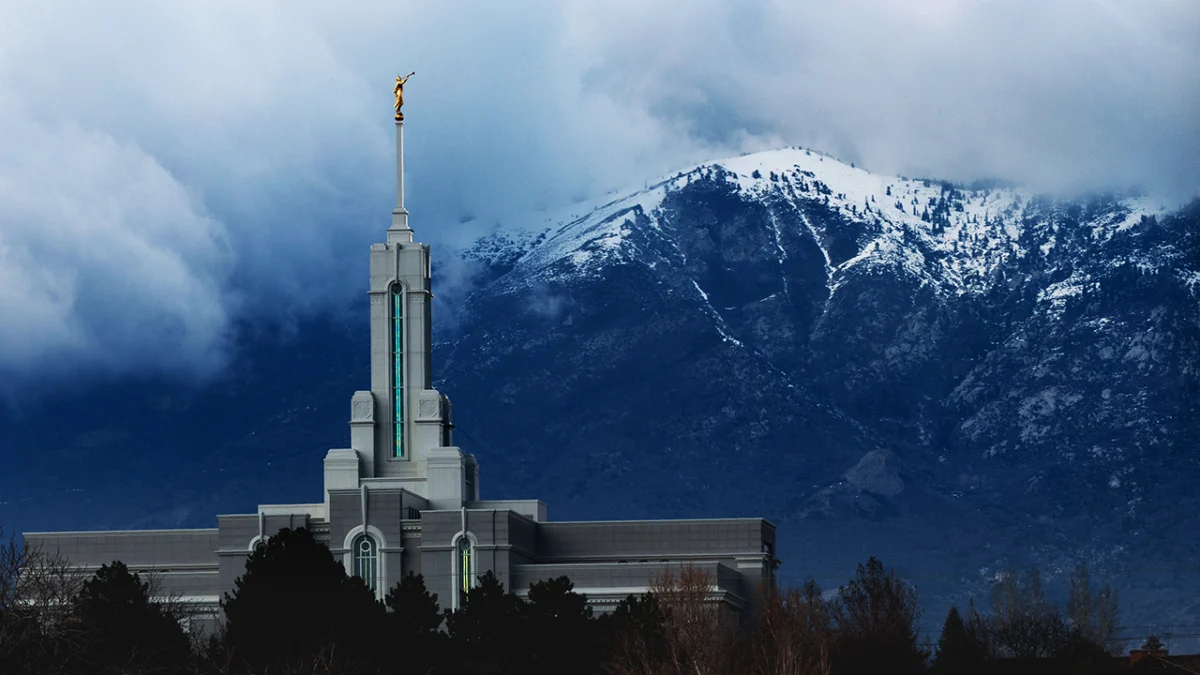
The landscape of American religious life is currently undergoing a period of profound reevaluation, and central to this shift is the evolving demographic and ideological profile of The Church of Jesus Christ of Latter-day Saints (LDS). According to new findings derived from the 2023-24 U.S. Religious Landscape Study (RLS), the organization, which has long been defined by its rigid internal cohesion and high rates of religious participation, is grappling with the same secularizing pressures that have impacted broader American Christianity. This extensive research, conducted by the Pew Research Center, offers an empirical window into how the faith is navigating the intersection of traditional values and the modern, pluralistic American experience.
A Chronology of Demographic Evolution
To understand the current state of the Latter-day Saint population, one must look at the historical trajectory of the faith in the United States. For much of the 20th century, the LDS Church was characterized by rapid growth, driven by both high fertility rates and a robust missionary program. However, the data from the 2023-24 RLS suggests that this period of expansion has reached a point of stabilization.
In the early 2000s, studies indicated that the LDS population was a demographic outlier, maintaining higher levels of retention and attendance than most Protestant or Catholic denominations. By the 2010s, however, researchers began to note a subtle decline in the percentage of Americans identifying as Latter-day Saints. The 2023-24 findings indicate that while the precipitous drop in Christian affiliation observed across the United States has slowed or leveled off, the LDS Church is currently engaged in a distinct struggle to balance its historical emphasis on community and behavioral conformity with the increasingly individualistic values of the contemporary American public.
The Methodology of the Landscape Study
This report represents a collaborative, multi-disciplinary effort spearheaded by Jonathan Evans and Rebecca Leppert. The project was made possible through the generous support of The Pew Charitable Trusts, with additional contributions from a coalition of philanthropic organizations, including the Lilly Endowment Inc., Templeton Religion Trust, The Arthur Vining Davis Foundations, and the M.J. Murdock Charitable Trust.
The methodology behind the 2023-24 RLS is arguably the most rigorous in the field of religious sociology. The research team, led by Alan Cooperman and Gregory A. Smith, utilized advanced survey sampling techniques to ensure representation across age, geography, and socioeconomic status. The methods team, featuring experts such as Andrew Mercer and Ashley Amaya, employed sophisticated weighting mechanisms to account for the nuances of religious identification, which often fluctuates in an era of "nones" (religiously unaffiliated individuals). This level of detail ensures that the data is not merely a snapshot of current sentiment, but a reliable barometer of long-term cultural shifts.
Supporting Data and Key Findings
The data suggests that the LDS population in the United States is currently experiencing a divergence in religious observance. While core members continue to exhibit higher-than-average rates of weekly worship attendance and daily prayer, there is an observable uptick in what sociologists term "cultural membership"—individuals who identify with the faith tradition but report lower levels of strict adherence to institutional mandates.
Furthermore, the study highlights a significant generational divide. Younger cohorts of Latter-day Saints are more likely to support policy changes regarding social issues than their predecessors. This internal dialogue reflects a broader trend seen in many American religious institutions: a tension between the hierarchy’s official doctrinal stance and the evolving social consciousness of the rank-and-file membership. While the church has maintained a reputation for strong institutional loyalty, the data reveals that this loyalty is increasingly conditional, influenced by educational attainment, exposure to diverse social environments, and digital connectivity.
Official Responses and Institutional Context
While the LDS Church has not issued a formal rebuttal to the Pew Research Center’s specific findings, leadership statements over the past several years indicate an awareness of these demographic challenges. The church has consistently emphasized "staying on the covenant path" while simultaneously investing heavily in global humanitarian efforts. Observers note that these outreach efforts serve a dual purpose: fulfilling the church’s theological mandate to serve, while also improving its public image in a media environment that has occasionally been critical of the church’s historical stances on social and political issues.
Religious scholars often point to the "Utah-centric" model of the church as both a strength and a potential limitation. As the church expands its global footprint, the domestic U.S. population is forced to reconcile its identity with a more international church body. This friction, while productive for institutional growth, complicates the traditional narrative of the Latter-day Saint experience as a singular, monolithic cultural phenomenon.
The Sociological Implications
The implications of these findings are substantial. For political analysts, the shifting views of Latter-day Saints provide a critical data point for understanding the voting behavior of a bloc that has historically been reliably conservative. As the membership becomes more diverse in its thinking, the predictability of the "LDS vote" may diminish, potentially altering the political landscape in Western states where the church’s influence is most concentrated.
For the field of sociology, the RLS provides a template for studying "high-demand" religions in a secularizing environment. The LDS Church serves as a case study for whether an organization that demands significant time, financial, and behavioral commitment can survive in a society that increasingly values personal autonomy above all else. The leveling off of decline within Christianity, as documented by this project, suggests that religious institutions may have reached a "floor" of committed members who are unlikely to depart regardless of wider cultural pressures.
Future Outlook and Research Trajectory
The project, which included extensive input from editorial specialists like David Kent and graphic designers such as Bill Webster, aims to provide more than just raw numbers; it aims to provide context. By making the data publicly available, the Pew Research Center invites further scrutiny from academic institutions and policy analysts. The ongoing efforts of the communications team, including Hannah Taber and Maya Pottiger, ensure that these findings are accessible to a wider audience, including the media and the public.
Looking forward, the research team, including contributors such as Besheer Mohamed and Asta Kallo, will likely focus on the role of digital ministry and the impact of technology on religious retention. If the 2023-24 study serves as any indicator, the future of the faith will not be defined by a return to past patterns, but by a continuous adaptation to the pressures of a changing world.
Conclusion: A Faith in Transition
The study of Latter-day Saints in the U.S. is, in many ways, the study of the American experiment itself: a tension between deeply held tradition and the relentless forward motion of modern progress. As the data suggests, the church remains a robust and influential force in American life, even as it navigates a changing landscape.
The findings underscore the reality that no institution, regardless of its internal cohesion or historical stability, is immune to the currents of social and demographic change. As researchers continue to monitor these shifts, the data will remain an essential resource for understanding how faith functions in the 21st century. The work of Evans, Leppert, and the entire Pew research team provides the foundational evidence required to hold a meaningful, fact-based conversation about the future of one of the nation’s most prominent religious movements. For those seeking to understand the intersection of faith and the future, the 2023-24 U.S. Religious Landscape Study stands as the definitive starting point for inquiry.
Recommended citation: Evans, Jonathan and Rebecca Leppert. 2026. “Tradition and Change Among Latter-day Saints in the U.S.” Pew Research Center. doi: 10.58094/a124-c097.




