
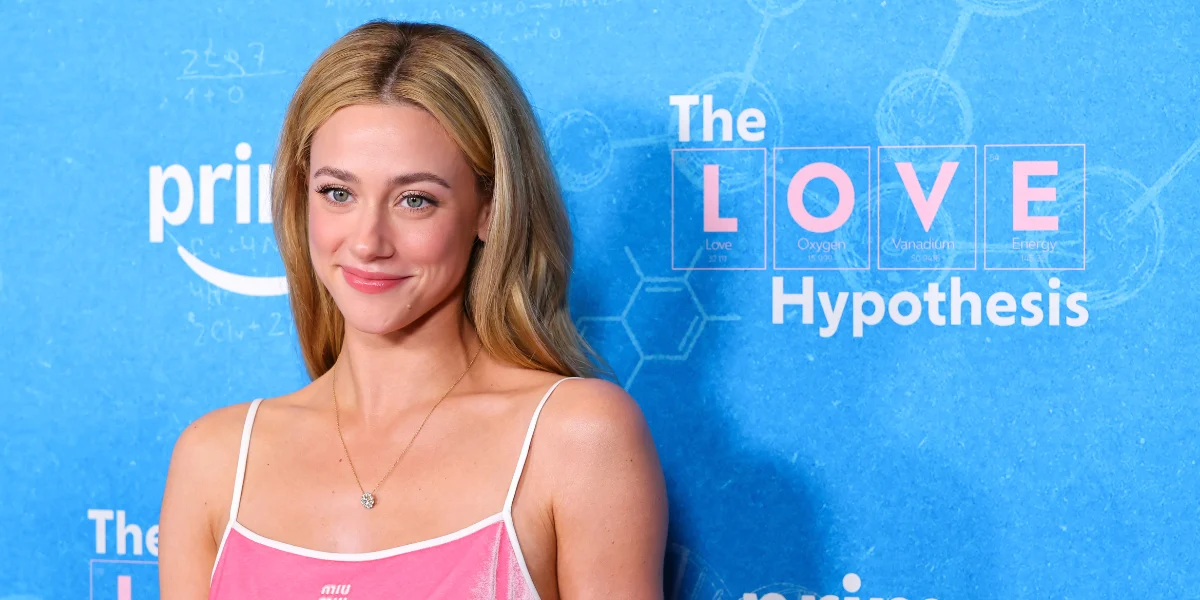
Actor and producer Lili Reinhart has utilized the promotional circuit for her upcoming film, The Love Hypothesis, to advocate for greater LGBTQ+ representation in Hollywood, explicitly expressing her desire to spearhead a project featuring a queer protagonist. While the film—a romantic comedy adapted from the viral fanfiction-turned-novel—adheres to the conventional heteronormative tropes of the genre, Reinhart’s public remarks have shifted the focus toward her personal identity and her ambitions as a filmmaker to expand the scope of queer storytelling in mainstream cinema.
The Intersection of Fanfiction and Mainstream Cinema
The Love Hypothesis, which originated as a Star Wars-inspired fanfiction written by Ali Hazelwood, follows the "fake dating" narrative structure, a trope that has seen a massive resurgence in popularity within contemporary publishing and cinema. Despite the source material’s established success, Reinhart’s involvement has brought a new dimension to the press tour. During a series of high-profile interviews, the actor, who has publicly identified as bisexual, has consistently navigated discussions regarding the film’s conventional plot by pivoting to her own career aspirations.
In a recent video interview, Reinhart addressed the industry’s ongoing challenges regarding queer casting, stating, "I’m instantly way more interested in doing a movie if my character is a little gay, because I’m a little gay." This sentiment reflects a broader movement among younger Hollywood stars who are increasingly leveraging their platforms to demand roles that reflect their lived experiences, rather than settling for traditional scripts that lack diversity in sexual orientation.
Addressing the Industry’s Resistance to Queer Horror
Beyond her acting roles, Reinhart has disclosed her active efforts to develop a film adaptation of a lesbian vampire novella. She characterized the current industry climate as "too afraid" to greenlight such a project, suggesting that major studios remain hesitant to invest in queer-centric genre films, particularly those that blend horror with sapphic romance.
While Reinhart did not explicitly name the source material, industry analysts and fans have speculated that she may be referring to Carmilla, the 1872 gothic novella by Joseph Sheridan Le Fanu. Carmilla has long been considered a foundational text for lesbian literature, predating Bram Stoker’s Dracula by 25 years. The story has seen numerous adaptations over the last decade, most notably a popular webseries that garnered a dedicated digital following.
The hesitation Reinhart describes is not uncommon in independent production. According to data from the GLAAD Studio Responsibility Index, while LGBTQ+ representation in major films has seen incremental growth, the inclusion of nuanced queer leads—especially within the horror and period drama genres—remains statistically lower compared to side-character roles. Studios often view "niche" queer content as higher-risk, despite evidence that audiences are increasingly seeking diverse, character-driven narratives.
Contextualizing the Call for Representation
Reinhart’s comments come at a time when the entertainment industry is undergoing a significant transition regarding how it treats LGBTQ+ narratives. Historically, queer characters were relegated to secondary roles or defined entirely by their trauma. Current trends, however, point toward a demand for "queer joy" and stories where sexual orientation is a facet of the character’s identity rather than the primary conflict of the plot.
The "five pillars of bisexuality" comment, which Reinhart embraced during her tour, highlights the cultural significance of her visibility. For a star of her magnitude—having gained global recognition through series like Riverdale—the willingness to openly discuss her identity in the context of professional development marks a shift in how celebrity branding is handled. By aligning her professional output with her personal identity, Reinhart is setting a precedent for stars who want to influence the production side of the industry.
Broader Trends in Television and Film
Reinhart is not an outlier in her advocacy; she is part of a growing cohort of performers actively seeking to diversify their filmographies. Recent developments across the industry suggest that the appetite for these stories is indeed expanding:
- Diverse Casting Initiatives: Actors such as Florence Pugh have recently taken on roles that explore queer themes, such as her upcoming portrayal of identical twins in an adaptation of Cassandra at the Wedding.
- Genre Expansion: Television dramas, including those in the medical and crime genres like Doc and the Canadian-produced Anna Pigeon, have begun incorporating queer relationships as central, non-exploitative subplots.
- Musical and Performance Art: Pop culture icons like Kylie Minogue have increasingly collaborated with queer artists, such as G-Flip, signaling a cultural convergence between mainstream pop music and LGBTQ+ advocacy.
- Reality and Competition: Shows like Dancing with the Stars have begun to feature queer contestants, such as Amber Glenn, who use their platform to showcase queer culture through performance art, regardless of the gender of their assigned dance partner.
Financial and Cultural Implications
The hesitation Reinhart perceives from Hollywood executives is often attributed to the "global market" argument—the idea that films with explicitly queer themes may face censorship or reduced box-office returns in international markets. However, a 2026 report by the Geena Davis Institute on Gender in Media suggests that diverse films, particularly those that target younger demographics, often see higher engagement rates and longer-term streaming success, which are increasingly the metrics studios prioritize.
If Reinhart succeeds in securing funding for her lesbian vampire project, it would represent a significant win for independent-leaning producers aiming to bridge the gap between cult classic literature and high-budget production. The success of such a film would rely on the "prestige horror" model—films like The Lighthouse or Raw that utilize genre tropes to explore deep, character-driven themes.
The Road Ahead
As the press tour for The Love Hypothesis concludes, the industry is left to consider whether the "fear" Reinhart identifies is grounded in commercial reality or outdated institutional bias. For many creators, the goal is to reach a point where a film about a lesbian vampire is viewed as a standard genre exercise rather than a revolutionary act of defiance.
Reinhart’s vocal commitment to these projects suggests that she is moving toward a career trajectory focused on creative control. By using her platform to highlight the specific stories she wants to tell, she is positioning herself as a bridge between the fan-driven content of the internet age and the traditional studio system. Whether her next project is the rumored gothic adaptation or another venture, the industry’s response to her pitch will serve as a bellwether for how seriously major production houses are taking the calls for authentic, creator-led queer representation in the coming years.
With public interest in queer-led narratives currently at an all-time high, the logistical and financial barriers that previously hindered such projects are beginning to weaken. As noted by industry observers, the "season" for these stories has arrived; it remains to be seen which production entity will be the first to capitalize on the vision Reinhart has laid out.




