
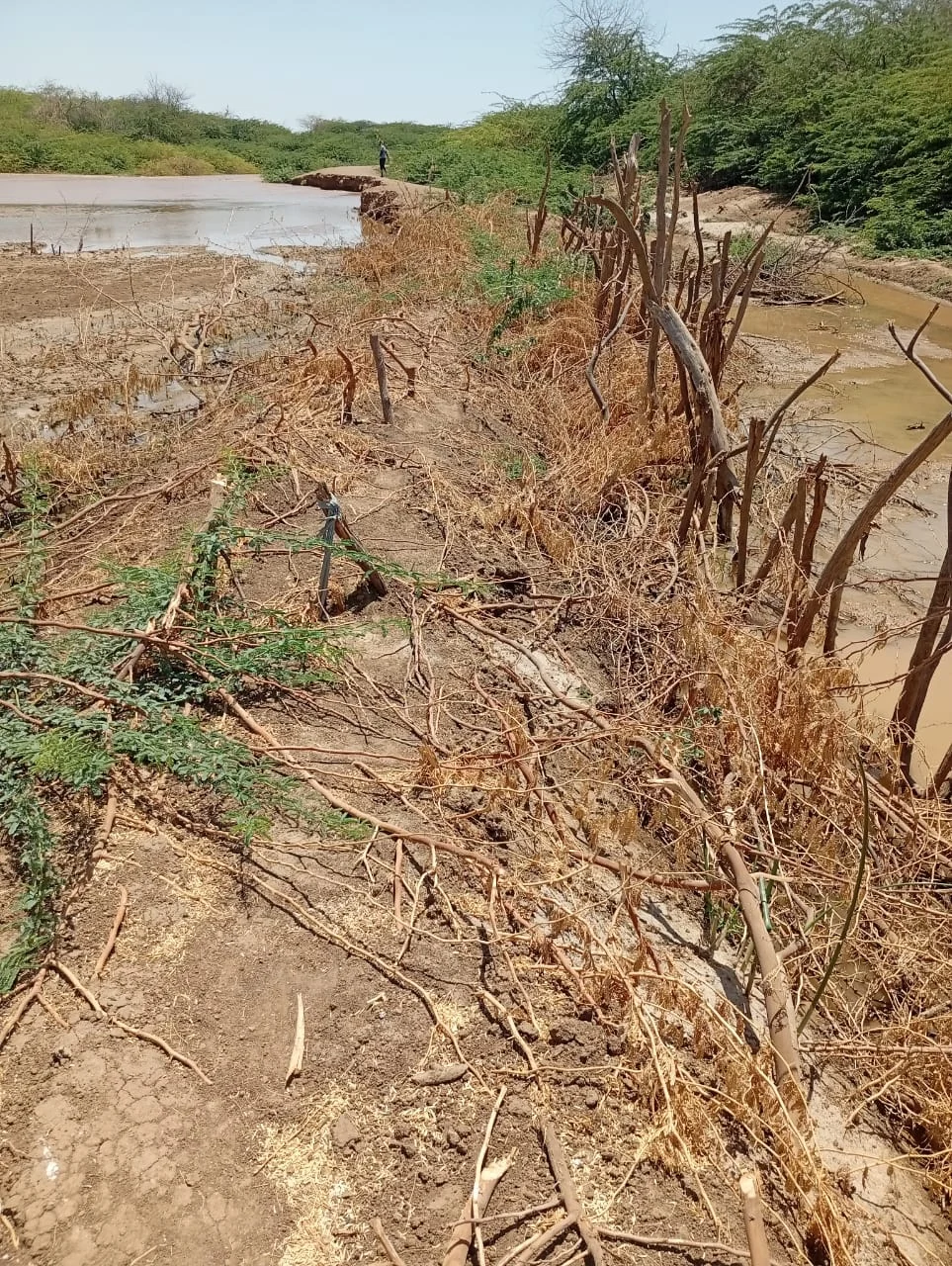
For the pastoralist communities traversing the arid and semi-arid lands (ASAL) of Northern Kenya, livestock is far more than a mere economic resource; it is the absolute bedrock of physical survival, social structure, and cultural identity. Across the vast, unforgiving landscape of Marsabit County, generations of families have relied on cattle, goats, sheep, camels, and donkeys to navigate an environment defined by extremes. These animals provide essential sustenance, yielding milk for children and generating the household income required to pay for education, medicine, and trade. Yet, this ancient, intricately adapted way of life is facing an existential crisis. Driven by relentless, long-term climate change and a series of compounding, severe droughts, the foundational pillars of pastoralism are rapidly crumbling, leaving communities vulnerable to systemic collapse.
The Genesis of the Crisis: A Changing Climate in Northern Kenya
The environmental degradation unfolding across Marsabit County is not an isolated anomaly, but rather the cumulative result of decades of shifting global weather patterns and localized ecological strain. Historically, pastoralism in Northern Kenya was characterized by an intuitive, highly mobile rhythm. Indigenous communities, including the Rendille, Borana, Gabra, and Samburu, developed sophisticated traditional ecological knowledge systems. Elders and herders could accurately read environmental indicators, predict seasonal shifts, and map out grazing patterns, moving livestock preemptively across vast expanses of land before ecological conditions deteriorated to critical levels.
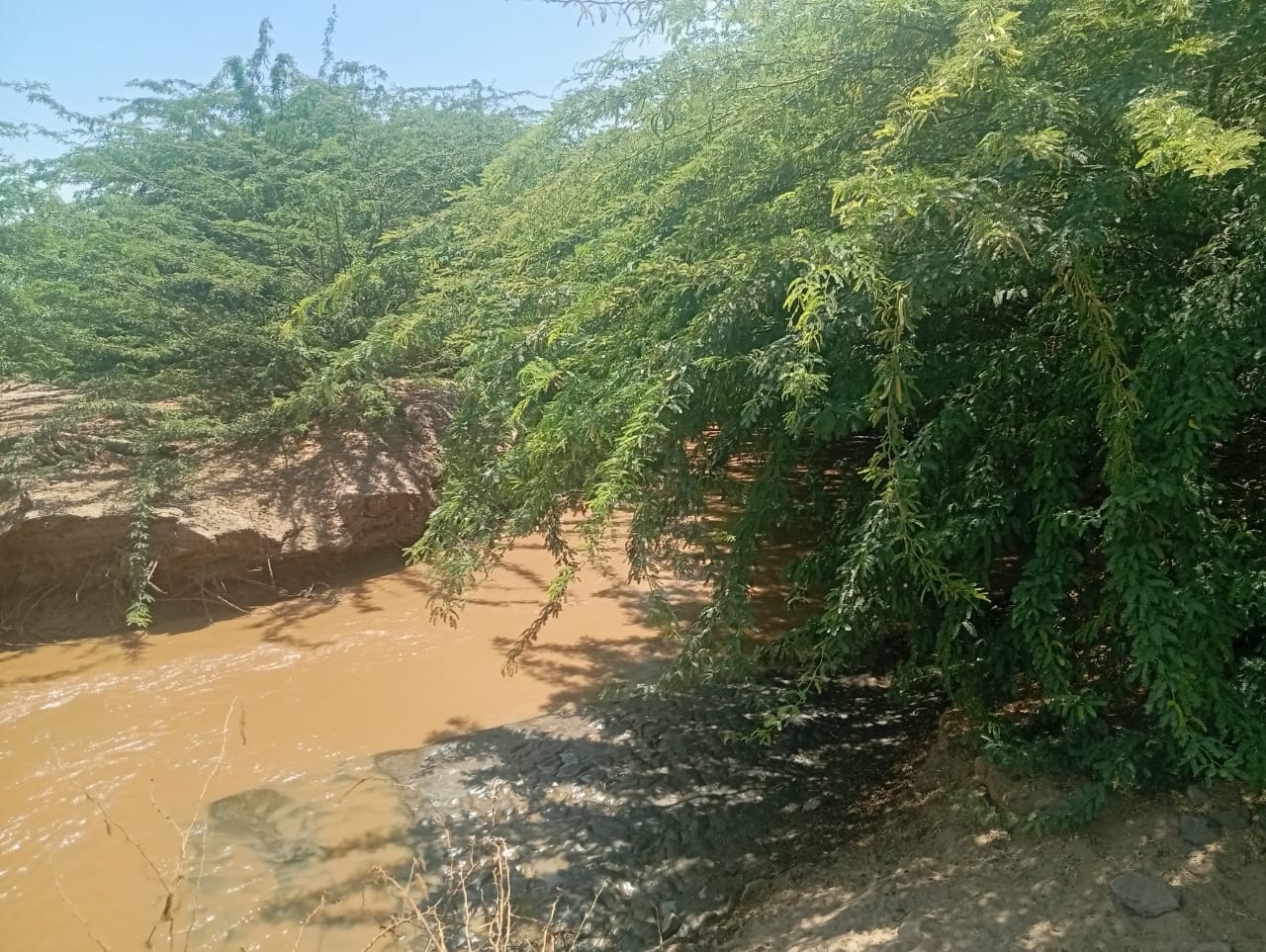
However, over the past twenty years, these reliable natural rhythms have broken down entirely. Meteorological data from the Horn of Africa indicates a significant, alarming trend: prolonged meteorological droughts are occurring with unprecedented frequency, while the traditional long and short rainy seasons have become erratic, unreliable, and frequently fail altogether. When rains do arrive, they often manifest as sudden, destructive flash floods that strip away vulnerable topsoil rather than replenishing groundwater tables or stimulating pasture growth.
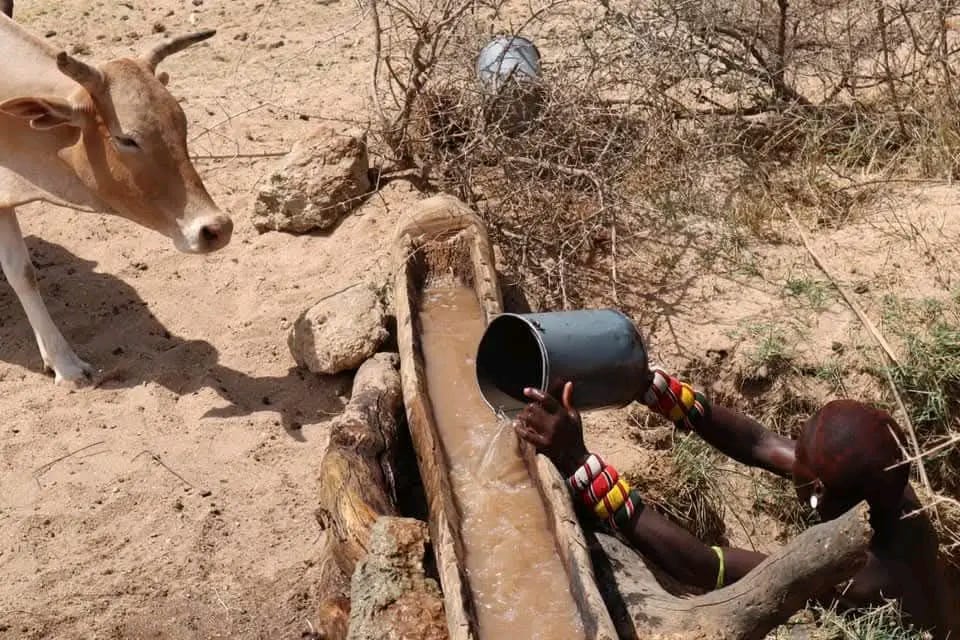
As temperatures in the ASAL regions rise significantly faster than the global average, the landscape has transformed. Grazing fields that historically sustained immense herds of livestock for months at a time have withered into desolate expanses of dust, hot sand, and impenetrable thorn bushes. Simultaneously, traditional shallow wells, boreholes, and subsurface water pans have dried up across the sprawling Marsabit landscape. This forces contemporary herders to embark on grueling, hazardous treks spanning dozens or even hundreds of kilometers in desperate search of water and remnants of vegetation—a journey from which a devastating proportion of their livestock never returns.
Human Faces of the Drought: A Morning Encounter in Marsabit
The human toll of this ecological catastrophe is starkly visible in the daily routines of the region’s inhabitants. On a typical crisp morning at approximately 6:00 a.m., as local radio journalist and Cultural Survival Indigenous Journalism Fellow Damaris Lenantare made her regular commute to the studio for her breakfast broadcast, she encountered Nareu Lito. A 20-year-old Rendille woman, Lito was walking her dwindling herd through the dust toward distant, uncertain grazing fields.
Stopping to exchange traditional greetings, Lenantare—who routinely documents the realities of climate change for Indigenous populations in Northern Kenya—uncovered a narrative of profound distress. In Lito’s voice, there was an unmistakable undercurrent of raw fear: the terror of losing everything. As she detailed the daily struggle to keep her family’s remaining animals alive, tears rolled down her cheeks, underscoring the deep psychological and economic trauma inflicted by the unfolding crisis.
For Lito and countless households across Marsabit, the loss of an animal resonates far beyond immediate market valuations. In the pastoralist economy, livestock functions simultaneously as a living savings account, a localized food security system, and an emergency insurance policy. When a cow succumbs to starvation or dehydration, a household loses its primary source of daily milk for young children. The death of a goat translates directly to an inability to purchase staple foodstuffs, pay school tuition, or secure basic clothing. The collapse of a camel—often regarded as the ultimate drought-resistant asset—strips a family of its most resilient economic buffer, eliminating the singular resource that could otherwise be liquidated during a severe emergency.
Chronology of a Slow-Motion Disaster: The compounding Vulnerability
To fully understand the severity of the situation in Northern Kenya, it is necessary to examine how vulnerability has escalated over successive decades. The chronology of the crisis reveals a distressing pattern of truncated recovery periods:
Phase 1: Historical Resilience (Pre-1990s)
Pastoralism operated within a sustainable equilibrium. Droughts occurred, but they were interspersed with sufficient recovery periods lasting five to seven years. During these intervals, vegetation replenished, water tables recharged, and livestock herds naturally multiplied, allowing families to rebuild their wealth and secure their food systems.
Phase 2: The Acceleration of Shocks (2000–2015)
The frequency of severe droughts escalated dramatically. Intervals between major droughts shrank from nearly a decade down to three or four years. Communities found themselves trapped in a continuous cycle of emergency response, selling off healthy animals at depressed market rates simply to buy grain, thereby depleting their breeding stock before natural regeneration could occur.
Phase 3: Systemic Overload and Near-Collapse (2016–Present)
Consecutive failed rainy seasons—compounded by the global economic shocks of the COVID-19 pandemic and subsequent supply chain disruptions—pushed the ASAL regions to the brink of systemic failure. Whole herds were wiped out within matter of weeks. The traditional safety nets of communal sharing and animal gifting (such as the traditional stock-loan systems practiced by many Cushitic and Nilotic groups) collapsed because entire communities were simultaneously impoverished.
Socio-Economic Implications and Data Insights
The broader implications of this ongoing crisis extend far beyond the immediate loss of animal life, threatening the socioeconomic stability, public health, and security of the entire region. According to data compiled by humanitarian organizations and food security monitors operating in Northern Kenya, malnutrition rates among children under five spike dramatically during prolonged dry spells, directly correlating with the loss of livestock milk yields.
Furthermore, the economic architecture of Marsabit County is fundamentally dependent on the livestock trade. When herds perish en masse, local market economies grind to a halt. The cascading effects include:
- Educational Disruption: Families unable to sell livestock or generate secondary income are forced to withdraw their children from school, leading to long-term stagnation in literacy and professional development.
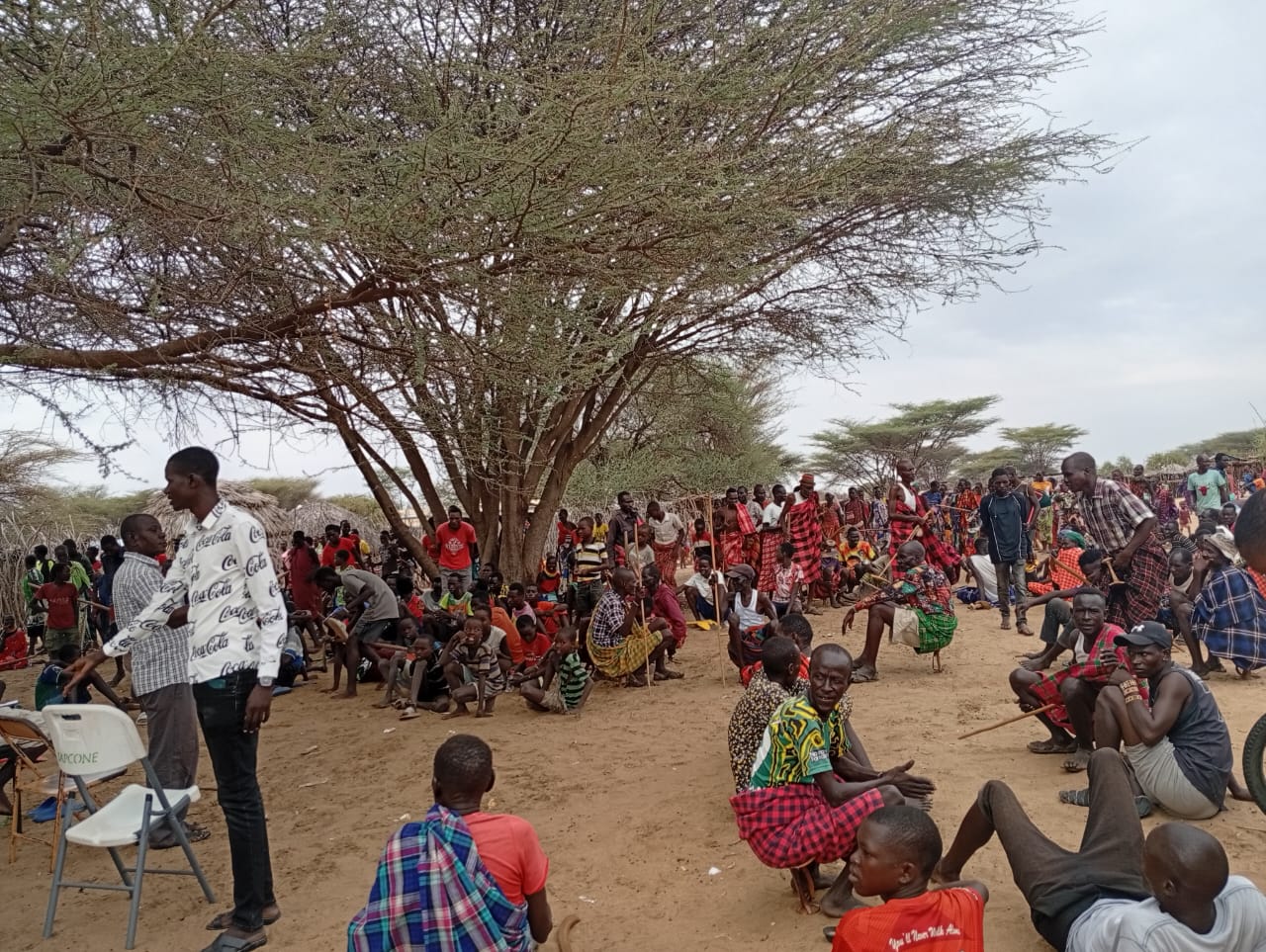
- Inter-Communal Conflict: As viable pasture and functional water points dwindle to a handful of locations, pastoralist groups are increasingly forced into closer proximity. This concentration frequently sparks resource-based conflicts over grazing rights and water access, straining traditional peace-building mechanisms.
- Forced Urban Migration: Impoverished youth and dispossessed herders, having lost their ancestral herds, migrate toward marginal urban centers like Marsabit town, Moyale, and Isiolo, where they frequently encounter high unemployment, poverty, and systemic socioeconomic marginalization.
Official Responses, Humanitarian Interventions, and Policy Gaps
In response to the recurring emergencies, a coalition of local and international humanitarian actors—including the Pastoralist Community Initiative and Development Assistance (PACIDA), Caritas Marsabit, and various international relief agencies—has consistently stepped in to provide vital safety nets. These interventions typically include emergency water trucking, distribution of livestock feeds, cash transfer programs, and supplementary feeding centers for malnourished children.
However, local leaders, traditional elders, and civil society advocates emphasize that short-term humanitarian aid, while life-saving in the immediate term, represents a mere bandage on a systemic wound. Emergency relief does not address the structural vulnerabilities driving the crisis.
Experts and regional policymakers argue that long-term survival requires a paradigm shift in how government and development partners invest in Northern Kenya. Key recommendations frequently cited by local stakeholders include:
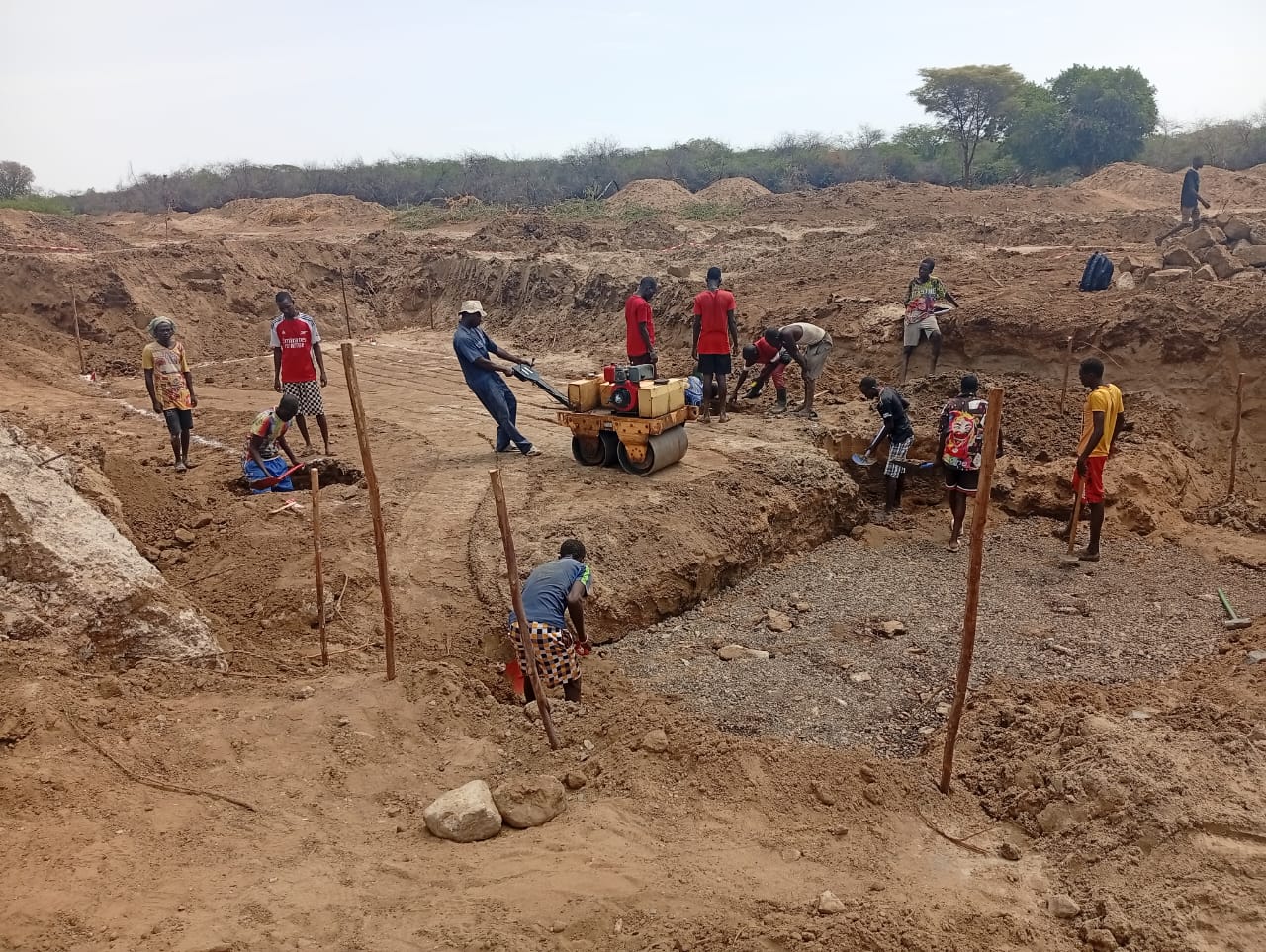
- Water Infrastructure Investment: Constructing and maintaining large-scale water harvesting systems, strategic deep boreholes, and sub-surface dams designed to withstand prolonged dry periods.
- Index-Based Livestock Insurance (IBLI): Expanding and subsidizing financial protection schemes that payout indemnities to pastoralists based on satellite-measured vegetation conditions, enabling herders to purchase fodder before their animals starve.
- Diversification of Livelihoods: Establishing institutional frameworks that support alternative income-generating activities—such as beekeeping, gum and resin harvesting, drought-tolerant agriculture along seasonal riverbeds, and eco-tourism—without alienating ancestral lands.
- Revitalization of Traditional Governance: Integrating Indigenous ecological knowledge systems and customary rangeland management practices into county and national climate adaptation policies.
The Unyielding Resilience of Northern Kenya
Despite the compounding hardships, the spirit of the pastoralist communities in Marsabit County remains unbroken. Every morning, despite the grim statistical realities and the memories of decimated herds, herders continue to wake before dawn, scanning the horizon for signs of weather changes, sharing intelligence via mobile networks and traditional communication lines regarding water availability, and fighting tenaciously to preserve their heritage.
For the Rendille, Borana, Gabra, and their neighbors, livestock is not merely an asset that can be easily replaced when times improve; it is the physical embodiment of their culture, history, and future. As global climate negotiations continue to deliberate emissions targets and adaptation financing, the human cost of environmental degradation is being paid in real-time across the dusty tracks of Northern Kenya. Safeguarding the livestock and strengthening the adaptive capacity of these resilient pastoralist communities is not just an act of regional humanitarian necessity—it is an essential imperative for preserving the cultural diversity and ecological stewardship that have sustained human life in the Horn of Africa for centuries.




