The past two years have been a period of unprecedented global upheaval, thrusting societies and economies into a rapid-paced, large-scale experimentation with new ways of working. The ongoing pandemic era has fundamentally reshaped our collective understanding of work, its intrinsic value, and its future trajectory. While many questions remain open and data continues to evolve, a clear and significant shift has emerged: a widespread re-evaluation of personal and organizational purpose. This article, part of a broader series examining the emerging trends categorized as ‘Purpose,’ ‘People,’ ‘Process & Policy,’ and ‘Polarisation & Activism,’ delves into the profound implications of this purpose-driven transformation, particularly for Diversity, Equity, and Inclusion (DEI) initiatives.
The Genesis of the Purpose Imperative: A Global Catalyst
The onset of the COVID-19 pandemic in early 2020 served as an immediate and disruptive force, compelling governments worldwide to implement lockdowns, travel restrictions, and social distancing measures. This abrupt shift dramatically altered daily routines, forcing millions into remote work arrangements and blurring the traditional lines between professional and personal life. Beyond the logistical challenges, the pandemic introduced a period of intense introspection. Confronted with mortality, uncertainty, and extended periods at home, individuals began to re-evaluate their priorities, values, and how they spent their finite time and energy.
Prior to the pandemic, discussions around work-life balance, employee engagement, and organizational culture were already gaining traction. However, these were often viewed as secondary concerns or "nice-to-haves" within a predominantly growth- and profit-driven corporate landscape. Burnout was prevalent, particularly in high-demand sectors, but often normalized as an unavoidable cost of career progression. The implicit work model, which often demanded significant personal sacrifices for professional advancement, had long been accepted as the norm. The pandemic, however, shattered this complacency, laying bare the unsustainable nature of many pre-existing work models and accelerating a latent desire for more meaningful engagement.
The Great Re-evaluation: Data Illuminating a Shifting Landscape
The introspection sparked by the pandemic quickly translated into tangible shifts in the global workforce. A U.S. survey conducted by McKinsey & Company revealed that nearly two-thirds of respondents were actively reflecting on their purpose due to their pandemic experience. This reflection was not merely philosophical; it prompted fundamental questions about career choices and life aspirations: "Is this job truly worth it for me?" and "Is this how I want to spend my energy and time?"
This re-evaluation transcended demographic boundaries, impacting workers across generations and geographies. The 2021 Edelman Trust Barometer, a global survey of employees, underscored the severity of this shift, reporting that nearly 60% of respondents had either left or were planning to leave their jobs to find a role that better aligned with their personal values. Furthermore, half of the surveyed employees were seeking roles that offered an improved lifestyle. These motivations represent a significant departure from pre-pandemic drivers for job changes, where higher compensation and career growth were typically paramount. The pandemic effectively inverted this hierarchy of priorities for many, placing purpose and well-being at the forefront.
Generational differences, while present, highlighted a universal trend. In the U.S., millennial workers, already known for their emphasis on purpose and social impact, were three times more likely to be re-evaluating their work compared to other age groups, according to McKinsey. Their existing values found amplified resonance in the post-pandemic context. Simultaneously, in the U.K., the number of employees over the age of 50 opting for early retirement since the pandemic’s onset more than doubled, as reported by The Times. This surge in early retirement among older workers suggests a desire to reclaim personal time, pursue long-deferred interests, or simply disengage from increasingly demanding or unfulfilling work environments, especially if financial security allowed. While not every job exit can be attributed solely to a lack of purpose, it has undeniably emerged as a critical consideration in career decisions.
The Unequal Burden: Exacerbated Disparities and the Demand for Healthier Models
The lockdowns and the shift to remote work did more than just encourage introspection; they starkly illuminated pre-existing inequalities and the limitations of traditional work models in supporting a holistic, purposeful life. For many women, particularly those with caregiving responsibilities, the pandemic brought into sharp focus the "dual work burdens" in both professional and domestic spheres. While this phenomenon was not new, its visibility and intensity reached unprecedented levels. The rapid closure of schools and childcare facilities, coupled with the expectation of maintaining professional output, created an untenable situation for millions.
The result was a disproportionate impact on women in the workforce, often referred to as a "she-cession." Data from the Washington Post revealed that during the first year of the pandemic, women’s employment declined by 54 million globally, representing a 4.2% drop, compared to a 3% drop for men. The "Women in the Workplace" report further documented significantly higher rates of burnout and resignations among women with caregiving responsibilities. This was not solely due to voluntary resignations; many women were forced out of their jobs due to the impossible demands of balancing work and caregiving without adequate support systems.
This crisis underscored a critical point: the old way of working was demonstrably failing to support a healthy, connected, and fulfilled life for all, and particularly for women and other marginalized groups. The societal "realization" of this systemic failure has created an urgent imperative for organizations to redesign work models. Integrating personal purpose with work and life in a holistic and sustainable manner is no longer merely an ideal but a critical necessity for talent retention, gender equity, and overall workforce well-being. Failure to act risks exacerbating existing disparities and alienating a significant portion of the talent pool.
The Intention-Action Gap: Organizational Responses and Challenges
The growing recognition of purpose’s importance among employees has placed significant pressure on organizations. While the value of purpose has long been acknowledged in leadership circles, a substantial gap has historically existed between intention and action. Pre-pandemic research by PwC, for instance, indicated that nearly 79% of business leaders recognized the importance of organizational purpose, yet only 34% actually integrated this purpose into their decision-making processes. Furthermore, many organizations struggled to cultivate an environment that genuinely stimulated employees’ feelings and experiences of personal purpose, extending beyond the company’s stated mission.
This intention-action gap was largely sustained by traditional corporate structures, which often prioritized short-term financial metrics over long-term employee well-being and engagement. The pandemic, however, served as a powerful forcing function, making the cost of this gap painfully evident through phenomena like the "Great Resignation." Organizations are now realizing that a failure to address the purpose imperative directly impacts their ability to attract, retain, and motivate talent.
In response, many companies have begun to re-evaluate their mission statements, increase their focus on Corporate Social Responsibility (CSR) initiatives, and promote flexible work arrangements. HR departments are increasingly tasked with developing strategies that link individual employee contributions to the broader organizational purpose, aiming to foster a sense of meaning and impact. Leaders are being challenged to articulate and embody the company’s purpose more authentically, demonstrating how daily work contributes to a larger, meaningful objective. However, the complexity lies in translating a broad organizational purpose into a personalized sense of meaning for each employee, acknowledging diverse values and aspirations. This requires a deeper understanding of individual motivators and a commitment to creating inclusive cultures where all employees feel their contributions are valued and aligned with their personal sense of purpose.
Redefining Success: Broader Implications and Future Trajectories
The pandemic-era shift towards purpose-driven work signals a fundamental redefinition of success, moving beyond purely financial metrics to encompass human well-being, societal impact, and individual fulfillment. This transformation has far-reaching implications for various stakeholders:
- For Employees: A renewed sense of agency and a demand for work that aligns with personal values, offering a better quality of life and opportunities for personal growth. This is evident in the rise of concepts like "quiet quitting," where employees fulfil their job duties but disengage from going "above and beyond" if they perceive a lack of purpose or meaning.
- For Managers and Leaders: A critical need to develop new leadership competencies focused on empathy, coaching for purpose, fostering psychological safety, and creating inclusive environments where diverse perspectives and values are honored. Leaders must move beyond transactional management to become inspirational guides who connect individual work to a larger, meaningful vision.
- For Organizations: A strategic imperative to articulate an authentic purpose that resonates internally and externally. Companies with a strong, genuine purpose are proving to be more resilient, innovative, and attractive to top talent, gaining a competitive edge in a tight labor market. This also requires a re-evaluation of performance metrics to include indicators of employee well-being, engagement, and alignment with purpose.
- For Society: A potential catalyst for a more equitable and sustainable future. A workforce aligned with broader social and environmental values could drive greater corporate responsibility, innovation in sustainable practices, and a stronger commitment to community engagement.
The journey toward fully integrating purpose into the fabric of work is ongoing, with "open questions and evolving data" continuing to shape our understanding. However, the foundational shift has occurred. The pandemic did not create the desire for purpose in work, but it undeniably accelerated its prominence, making it an undeniable force shaping the future of employment and organizational strategy.
Strategic Imperatives for DEI and Inclusive Leadership
The emphasis on purpose in the workplace is inextricably linked to the advancement of Diversity, Equity, and Inclusion. For individuals to truly find and fulfill their purpose at work, they must operate within an environment where they feel a sense of belonging, psychological safety, and equitable opportunity. An inclusive culture is foundational for purpose to thrive; without it, efforts to align work with personal values may fall flat, particularly for those who face systemic barriers.
Organisations must therefore consider:
- How to create pathways for all employees, regardless of background, to articulate and connect their personal purpose with their work.
- How to ensure that purpose-driven initiatives are inclusive and do not inadvertently exclude or marginalize certain groups.
- How to leverage the insights from the ‘Purpose’ shift to design more equitable processes and policies that support holistic well-being for everyone, especially for women and other underrepresented groups who have historically borne the brunt of unsustainable work models.
- How leaders can model purposeful behavior and foster an environment where challenging existing norms for the greater good is encouraged.
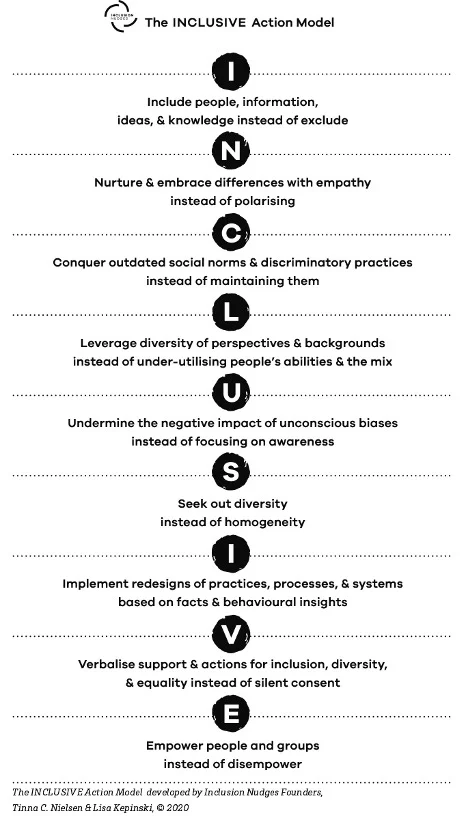
Experts in the field suggest practical frameworks and interventions to support these reflections. Tools such as ‘The Speech Bubble Intervention’ can facilitate open dialogue and empathy by encouraging individuals to share their perspectives and experiences of purpose. ‘Telling Employees’ Stories for Inclusion’ can humanize the organizational purpose and connect it to individual lives, making it more tangible and relatable. By actively addressing the "why not?" behind inclusion and diversity initiatives, organizations can dismantle barriers and foster an environment where every employee feels empowered to bring their full, purposeful self to work.
The insights from this pandemic-era re-evaluation underscore that the integration of personal and organizational purpose is not a fleeting trend but a fundamental shift. Organizations that genuinely embrace this imperative, by fostering inclusive environments and redesigning work to support holistic well-being, will be best positioned to thrive in the evolving landscape of work.
For further insights into the pandemic-era shifts in work and DEI, readers are encouraged to explore the full series on ‘People,’ ‘Process & Policy,’ and ‘Polarisation & Activism’ available on the Inclusion Nudges blog.