
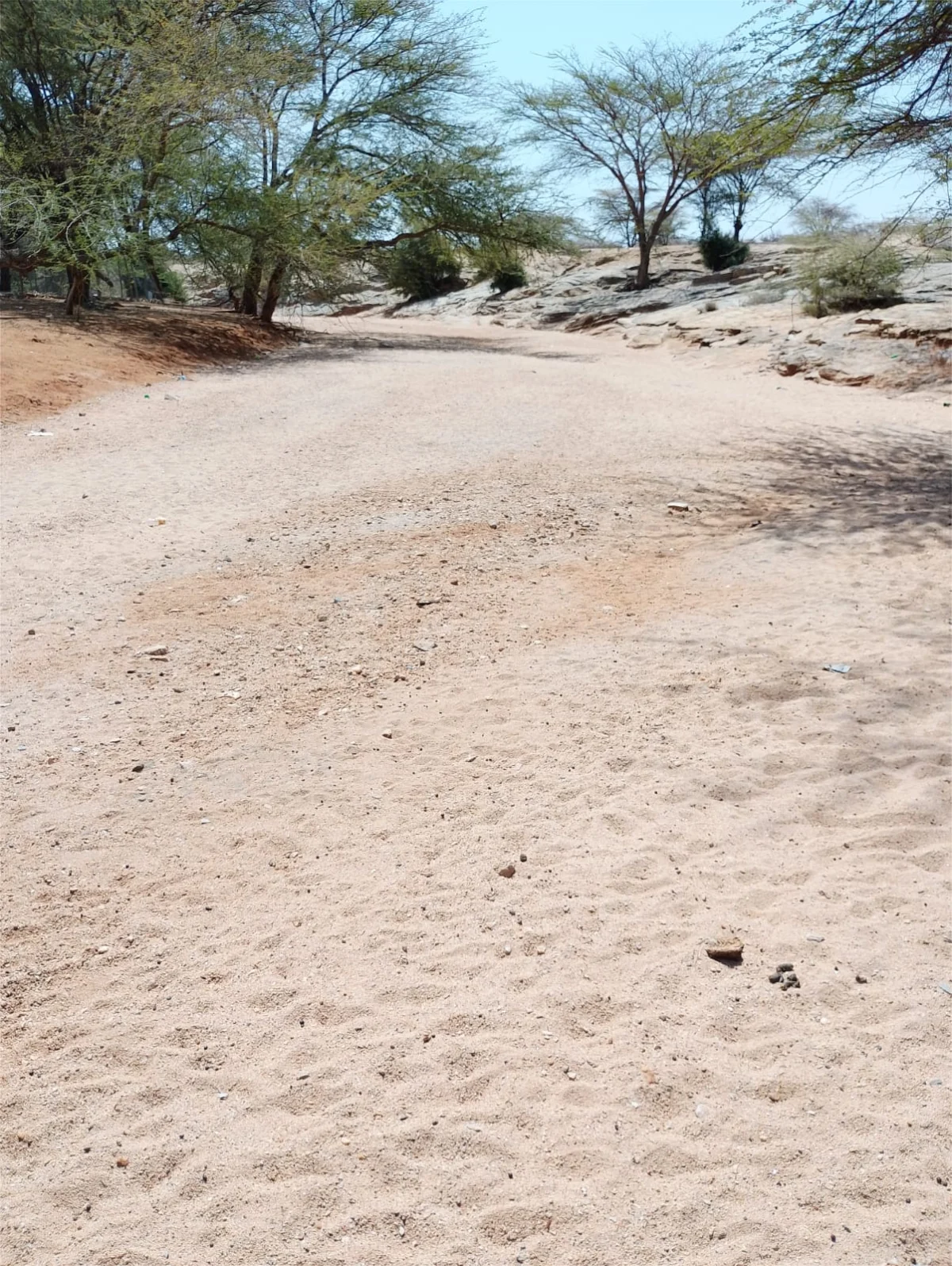
Before the first light of dawn breaks over the arid expanses of Marsabit County in northern Kenya, a familiar and exhausting daily migration begins. Women and children, equipped with ropes and empty plastic jerricans, set out across the sun-baked dust. Their destination is not a modern municipal water grid, but rather the precarious, hand-dug shallow wells carved deep into dry, sandy riverbeds in areas such as Korr and Laisamis. Here, they wait for hours, sometimes overnight, to lower their containers into narrow subterranean openings. Their goal is modest yet vital: to secure enough murky water to sustain their families for another day.
For generations, the Rendille people—an Indigenous pastoralist community whose cultural identity, social structures, and economic survival are inextricably linked to livestock rearing—have measured the passage of time not in hours, but in the agonizing length of these water queues. Today, however, this age-old struggle has escalated from a seasonal hardship into a profound existential emergency. Prolonged, recurring droughts, exacerbated by globally shifting rainfall patterns, are draining Marsabit’s subterranean aquifers and seasonal watercourses faster than natural hydrological cycles can replenish them.
The consequences stretch far beyond the immediate discomfort of thirst. Across northern Kenya, this unfolding climate calamity is triggering a cascade of secondary crises, threatening public health, decimating livestock herds, fueling malnutrition, and straining the resilience of communities that have adapted to harsh environments for centuries.
The Shrinking Hydrological Baseline of Northern Kenya
Marsabit County, encompassing vast arid and semi-arid lands (ASAL), has historically experienced cyclical dry spells. Traditionally, pastoralist communities relied on a sophisticated coping mechanism centered on mobility, following seasonal pastures and utilizing traditional water management systems. However, climate scientists and local authorities note that the frequency, duration, and intensity of droughts have altered dramatically over the past two decades.
According to data from the National Drought Management Authority (NDMA), the Horn of Africa has suffered an unprecedented sequence of failed rainy seasons in recent years. Successive years of below-average precipitation have prevented regional water tables from recharging.
"Water sources are no longer recharging as they used to," explains Guyo Guracho, an NDMA officer based in Marsabit County. "Across the region, rains have become less predictable, and prolonged droughts are drying up rivers, water pans, and wells faster than they can recover."
Guracho points out that even deep-drilling boreholes, long viewed as a reliable technological buffer against surface droughts, are experiencing diminished yields. As subsurface water levels drop, the static water head within these boreholes recedes, forcing communities to endure exceptionally long queues at remaining operational water points. The competition for these shrinking resources has intensified pressures on local infrastructure, frequently leading to mechanical breakdowns due to overuse.
Health Hazards of Compromised Water Quality
In the absence of piped municipal water networks, remote pastoralist settlements rely almost entirely on unprotected surface water pans, seasonal riverbed wells, and aging boreholes. This heavy reliance exposes vulnerable populations to severe public health risks.
Open shallow wells are exceptionally vulnerable to environmental contamination. High-velocity winds characteristic of Marsabit’s arid plains routinely blow dust, animal feces, and organic debris directly into the uncovered water sources. Furthermore, when erratic, torrential downpours do occur, the runoff washes biological waste from surrounding grazing lands into the same pools utilized for human consumption.
Consequently, outbreaks of waterborne diseases—including typhoid, acute watery diarrhea, and cholera—pose a constant threat. Local health clinics report spikes in morbidity rates during dry periods when families are forced to consume stagnant, contaminated water.
Compounding the biological hazards is the issue of high geochemical salinity. As groundwater levels recede in certain geological formations of Marsabit, the concentration of dissolved minerals increases significantly. High salinity not only renders the water unpalatable but also poses long-term health risks, particularly for pregnant women, infants, and individuals with hypertension or renal vulnerabilities. Despite the known dangers, communities often have no alternative, prioritizing immediate hydration over the invisible risks of chronic water toxicity.
The Socioeconomic and Nutritional Toll on Pastoralist Livelihoods
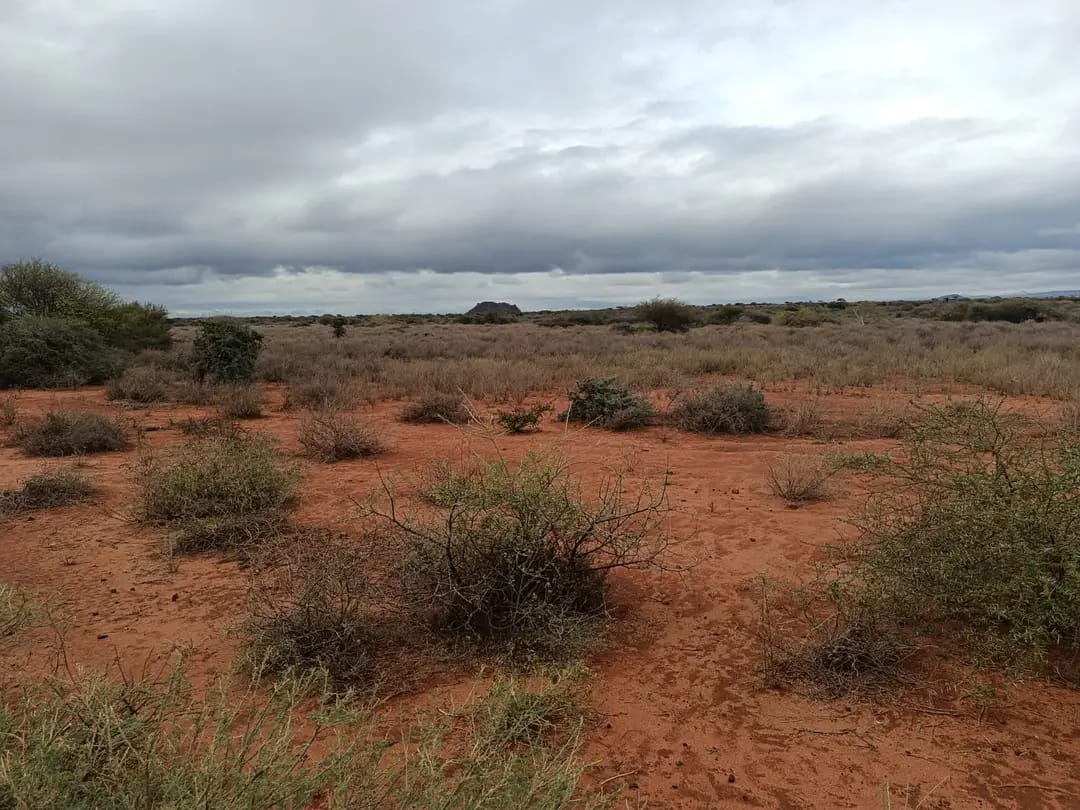
The water scarcity crisis acts as a multiplier of hardship, deeply affecting nutrition, education, and economic stability. Pastoralism is the economic backbone of Marsabit County, supporting communities in North Horr, Laisamis, Moyale, and Saku. Livestock—primarily cattle, camels, sheep, and goats—represent capital, savings, social standing, and nutritional security.
As water and pasture vanish, livestock herds are decimated. Weakened animals fetch depressed market prices or perish en masse, depriving families of their primary source of income and savings. For the Rendille, the loss of livestock directly translates into food insecurity. Milk, which constitutes a critical dietary staple for pastoralist households, has become scarce.
Humanitarian agencies operating in the region warn that this loss of dietary diversity is driving a surge in acute malnutrition, particularly among children under the age of five. Malnourished children, already immunocompromised by inadequate caloric and nutrient intake, are exceptionally susceptible to the secondary impacts of waterborne illnesses, creating a vicious cycle of disease and wasting.
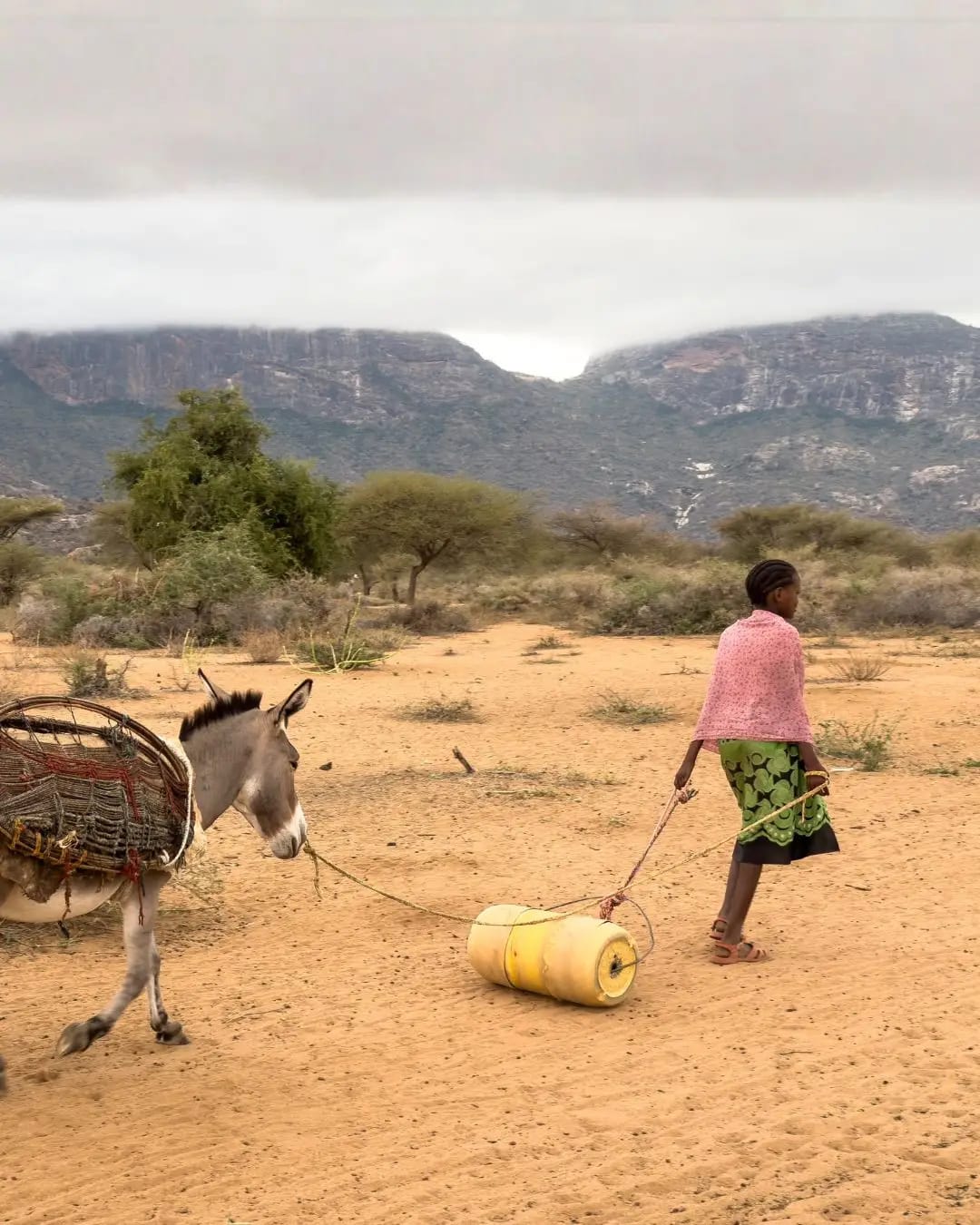
The burden of this crisis falls disproportionately on women and girls. Within Rendille culture, domestic water collection is strictly a female responsibility. As nearby water points dry up, the journey to fetch water lengthens, requiring hours of daily trekking. This expenditure of time and physical energy deprives young girls of educational opportunities, as they are kept home to assist their mothers. For adult women, the grueling physical labor crowds out time for income-generating activities, community leadership, and maternal care.
Chronology of Adaptation and Technological Intervention
Faced with mounting climate pressures, regional stakeholders, humanitarian agencies, and local development organizations have mobilized to deploy both emergency relief and long-term infrastructure projects.
- Pre-2020: Communities rely almost exclusively on traditional hand-dug shallow wells, seasonal rivers, and early-generation government boreholes, experiencing acute stress during multi-year drought cycles.
- 2021–2023: Successive failed rainy seasons across the Horn of Africa trigger a severe humanitarian emergency. Non-governmental organizations (NGOs) initiate emergency water trucking and borehole rehabilitation programs across Marsabit to prevent total community displacement.
- 2024: Recognizing the limits of emergency water trucking—which is financially unsustainable and logistically constrained—local civil society organizations shift focus toward permanent subterranean resource mapping and deep-well development.
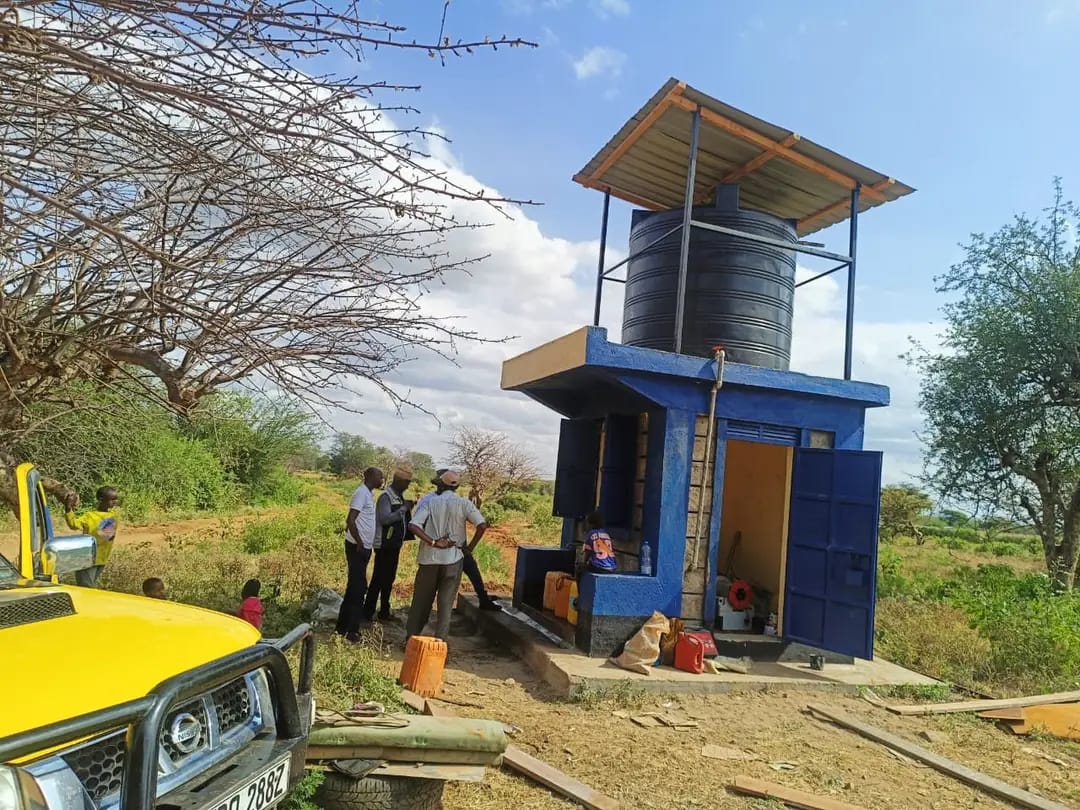
- 2025: The Pastoralists Community Initiative and Development Assistance (PACIDA), a prominent public benefit organization, successfully drills a high-yield exploratory borehole in Marsabit, initially striking water that flows at an impressive rate of 40,000 liters per hour. However, subsequent laboratory testing reveals dangerously high salinity levels, rendering the water unpotable.
- Late 2025 – Present: Through strategic partnerships with international donors such as Caritas, PACIDA secures targeted funding to procure, transport, and install a reverse osmosis (RO) desalination plant at the borehole site. The facility becomes operational, successfully filtering excess mineral salts and transforming previously unusable subterranean brine into safe, potable water for the Rendille community.
Broader Implications and the Path Toward Climate Resilience
While technological innovations like reverse osmosis plants offer localized relief, development experts emphasize that engineered interventions alone cannot permanently resolve a crisis driven by structural climate disruption. The degradation of arid and semi-arid ecosystems in northern Kenya represents a systemic challenge requiring comprehensive policy integration.
Analysts argue that building long-term resilience among Indigenous pastoralist communities necessitates moving beyond reactive humanitarian aid. Key policy recommendations from regional experts include:
- Climate-Resilient Infrastructure Investment: Scaling up the construction of multi-use water systems, including solar-powered boreholes, sub-surface dams, and modern water pans equipped with filtration and purification units.
- Ecosystem Restoration and Rangeland Management: Supporting community-led rangeland management practices, such as rotational grazing and the rehabilitation of degraded grasslands, to improve soil moisture retention and prevent desertification.
- Livestock Diversification and Commercialization: Encouraging adaptive pastoral strategies, such as transitioning from cattle—which have a high water demand—to more drought-resilient livestock species like camels and dairy goats.
- Integrated Early Warning Systems: Strengthening community-based drought monitoring mechanisms to enable proactive resource allocation before livestock mortality and malnutrition reach emergency thresholds.
- Social Protection and Livelihood Diversification: Expanding safety-net cash transfer programs and promoting alternative income-generating activities to cushion pastoralist families against total asset loss during prolonged dry spells.
Conclusion
The unfolding water crisis in Marsabit County is a stark manifestation of global climate change impacting local realities. For the Rendille Indigenous community, the crisis is not an abstract policy debate or a distant environmental projection; it is measured in the depth of a dry well, the weight of a heavy jerrican, and the survival of the next generation.
As local organizations, traditional leaders, and international partners continue to search for durable solutions, the resilience of the Rendille people remains their strongest asset. Yet, without sustained institutional investment, systemic climate adaptation, and dedicated international climate finance, the very survival of traditional pastoralism in northern Kenya hangs in a delicate balance—where every single drop of water truly represents the margin between life and collapse.




