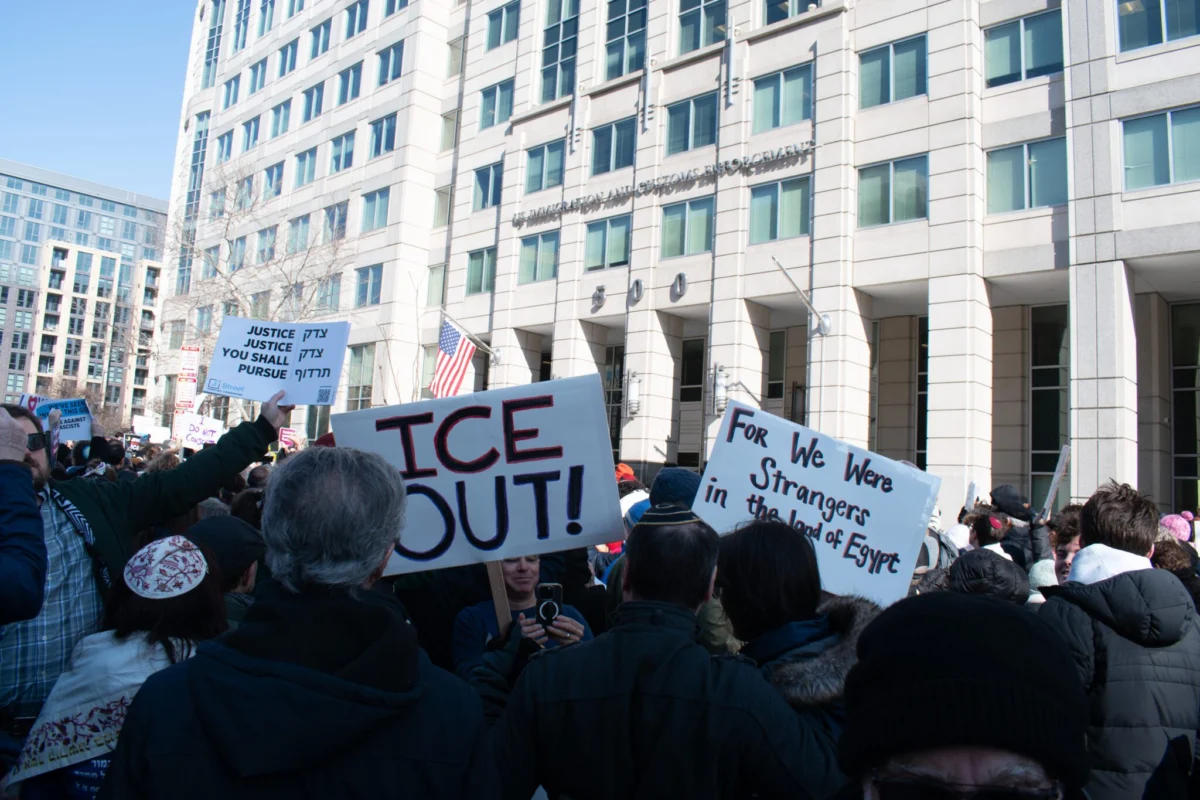
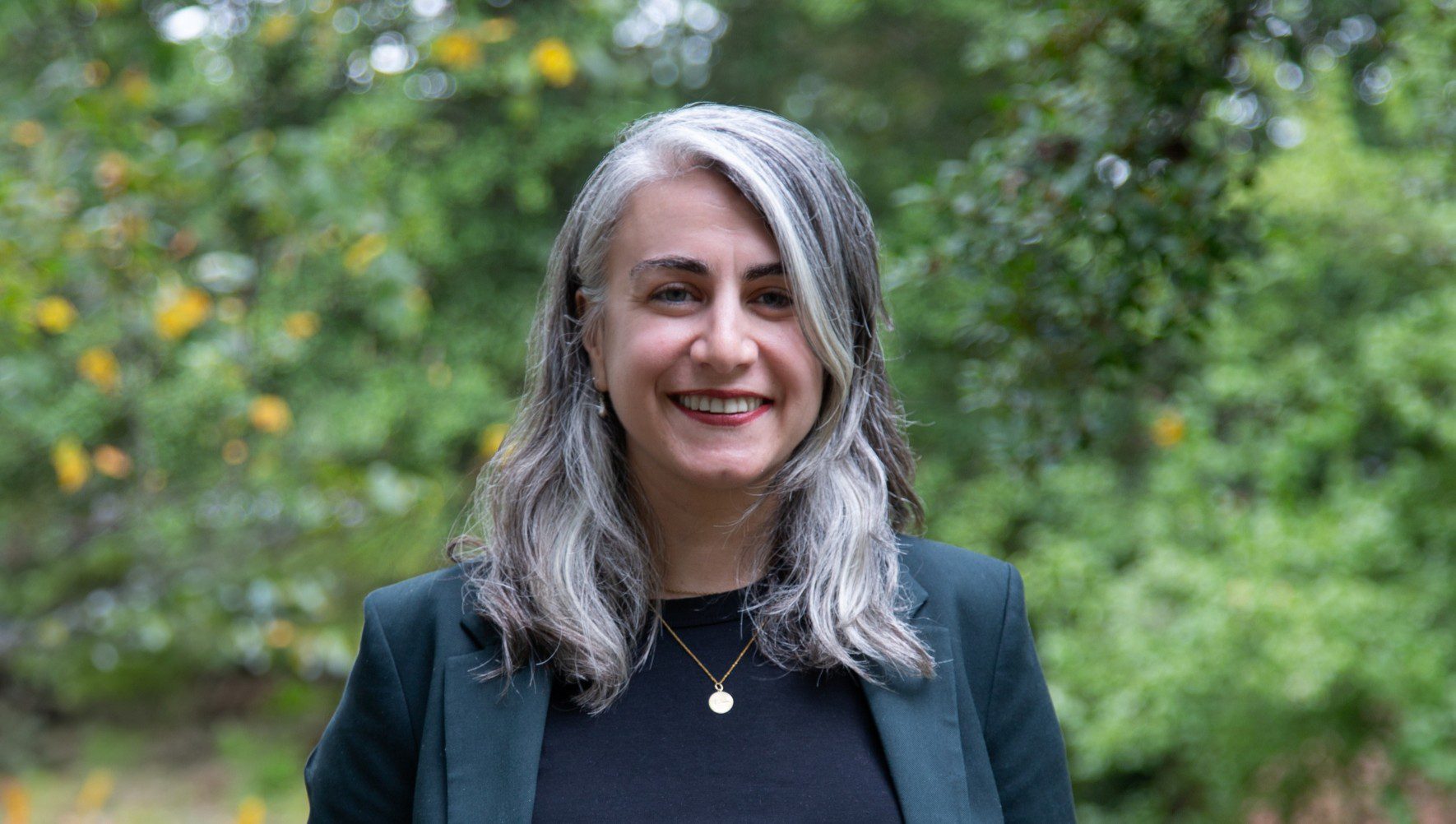
April 14, 2026 – On the solemn occasion of Yom HaShoah, the Day of Remembrance of the Holocaust, Dr. Beth Oppenheim, CEO of the Hebrew Immigrant Aid Society (HIAS), shared a deeply personal narrative that underscores the organization’s century-long mission and the critical, ongoing need to provide refuge and support to those displaced by persecution. Her family’s journey, marked by the profound impact of HIAS, serves as a potent reminder of the historical parallels between past crises and contemporary humanitarian challenges.
Dr. Oppenheim’s grandfather, a university student in neutral Switzerland when World War II erupted, made the courageous decision to return to Germany to rescue his parents. This act of familial devotion led to their deportation and imprisonment. Miraculously, through a series of events not fully known, they managed to escape, navigating through France and Spain before finding sanctuary in Portugal. It was in the summer of 1941, in Lisbon, that HIAS provided Dr. Oppenheim’s grandfather with his vital exit visa, a document that not only facilitated their escape but, as she poignantly states, "I owe my very existence to HIAS."
This deeply personal connection to the mission of HIAS informs Dr. Oppenheim’s leadership. "I carry this story with me every day," she affirmed, emphasizing the weight of her responsibility as the organization’s chief executive. The video accompanying her reflection, shared on the HIAS platform, features a brief but impactful message, further humanizing the abstract challenges of refugee crises.
The Unspoken Scars and the Uncovered Past
Like many survivors of profound trauma, Dr. Oppenheim’s grandfather remained largely silent about his wartime experiences. He did not recount the horrors to his children or grandchildren. His passing when Dr. Oppenheim was eleven years old left a void, but also a nascent mystery. It was only after his death that her father discovered a box containing old photographs and a letter written in German. Though the content remained enigmatic to the young Dr. Oppenheim, the mention of European cities and the distinct, four-letter acronym "HIAS" hinted at a crucial, yet untold, chapter of their family history.
The full significance of this discovery would not be revealed for another quarter-century, when the letter was finally translated. The revelation confirmed that HIAS had been instrumental not only in facilitating her grandfather’s escape but also in helping other family members find a new home and a sense of belonging in the United States. This realization solidified Dr. Oppenheim’s nascent desire to dedicate her career to aiding those in similar predicaments. "When I started my career, I knew that I, too, wanted to help refugees find lasting safety for themselves and the generations after them. And I only knew one organization in that space. HIAS," she explained.
Yom HaShoah: A Call to Remember and Act
The observance of Yom HaShoah serves as a critical inflection point, prompting not just mourning but a profound act of remembrance. Dr. Oppenheim articulated this sentiment, stating, "Yom HaShoah calls us to do more than mourn. It asks us to remember the history of our people – not just the suffering, but the resilience. The choices, the helpers, the narrow paths toward safety. It asks us to remember that there were always people and organizations who made a different future possible."
This historical perspective is vital in understanding the contemporary refugee landscape. As the generation of Holocaust survivors gradually passes, the custodianship of these harrowing yet inspiring stories falls to the living. The imperative, as Dr. Oppenheim highlighted, is to heed the lessons learned: "sanctuary was never accidental. It was the result of deliberate acts of courage – by individuals, and by organizations willing to stand in the breach."
HIAS: A Historical Beacon of Hope
The Hebrew Immigrant Aid Society has a long and distinguished history of assisting those fleeing persecution. Founded in 1881 by Jewish immigrants in New York City to aid fellow Jews arriving from Eastern Europe, HIAS has evolved over its more than 120 years of operation. Its mandate has expanded to serve refugees and asylum seekers of all backgrounds, providing critical legal, social, and resettlement services. The organization’s historical role in facilitating the immigration of Jews escaping pogroms and later, Nazism, is a cornerstone of its legacy.
Timeline of Key HIAS Milestones:
- 1881: HIAS (then known as the Hebrew Immigrant Aid Society) is founded in New York City to assist Jewish immigrants arriving from Eastern Europe.
- Early 20th Century: HIAS plays a significant role in facilitating the immigration of Jewish refugees fleeing persecution and economic hardship in Europe.
- World War II Era: HIAS is instrumental in assisting Jews escape Nazi Germany and occupied Europe, providing visas, travel documents, and resettlement assistance. This period includes the critical assistance rendered to Dr. Oppenheim’s grandfather.
- Post-World War II: HIAS continues to aid survivors of the Holocaust and other displaced persons, including those fleeing Soviet expansion and political upheaval.
- Late 20th Century to Present: HIAS broadens its mission to assist refugees and asylum seekers from diverse regions and backgrounds, including those fleeing conflict, persecution, and natural disasters in countries such as Vietnam, Cuba, Ethiopia, and more recently, Syria, Afghanistan, and Ukraine. The organization remains a key player in advocating for refugee rights and providing direct services globally.
Contemporary Challenges and the Enduring Mission
Dr. Oppenheim’s reflection comes at a time when global displacement is at an all-time high. According to the United Nations High Commissioner for Refugees (UNHCR), the number of forcibly displaced people worldwide has surpassed 100 million, a stark figure highlighting the magnitude of the humanitarian crisis. Factors contributing to this surge include ongoing conflicts, political instability, economic hardship, and the intensifying impacts of climate change.
In this context, the work of organizations like HIAS is not merely a matter of historical continuity but an urgent necessity. "Today, as our country grows more hostile to those seeking safety, that work is more urgent than ever. It is sacred," Dr. Oppenheim stated, referencing a growing trend of restrictive immigration policies and heightened anti-immigrant sentiment in various parts of the world.
The implications of such hostility are profound. They not only impact the lives of individuals seeking refuge but also erode the principles of humanitarianism and international cooperation. Countries that once championed asylum and provided sanctuary are increasingly facing internal political pressures that lead to stricter border controls and reduced humanitarian aid. This creates a challenging environment for refugees, often forcing them into precarious situations or prolonging their displacement.
The Analysis of Implications: A World Facing a Moral Crossroads
The current global landscape presents a complex interplay of geopolitical forces, economic pressures, and evolving social attitudes that directly impact refugee flows and resettlement efforts. The rise of nationalist and protectionist sentiments in many nations has led to a contraction of humanitarian spaces, making the work of organizations like HIAS more challenging and, paradoxically, more critical.
Supporting Data and Trends:
- Rising Displacement Figures: The UNHCR’s latest reports consistently highlight record numbers of refugees, asylum seekers, and internally displaced persons. This trend is driven by protracted conflicts in regions like Ukraine, Sudan, and the Democratic Republic of Congo, as well as the ongoing impact of crises in Syria and Afghanistan.
- Funding Gaps: Humanitarian organizations frequently face significant funding shortfalls, hindering their ability to provide adequate support to the growing number of displaced individuals. This often forces difficult decisions about resource allocation and program limitations.
- Policy Shifts: Numerous countries have implemented more stringent asylum policies, including expedited removal processes, limitations on legal pathways to protection, and increased scrutiny of asylum claims. This creates significant hurdles for individuals seeking safety and can lead to increased numbers of individuals living in limbo or facing deportation.
- Rise in Xenophobia and Anti-Immigrant Rhetoric: In many Western democracies, there has been a noticeable increase in public discourse that is hostile towards immigrants and refugees. This often translates into political pressure on governments to adopt more restrictive policies and can foster a less welcoming environment for those seeking asylum.
The analysis of these trends suggests a global community at a crossroads. The historical lessons of the Holocaust, where timely intervention and sanctuary saved countless lives, are directly relevant to the present. The "narrow paths toward safety" that Dr. Oppenheim referenced are becoming even narrower, and the "helpers" – individuals and organizations dedicated to opening those paths – are facing unprecedented challenges.
A Commitment to an Open Door
Dr. Oppenheim’s personal story is not just a testament to her family’s resilience but a powerful advocacy tool for the ongoing work of HIAS. Her message is a call to action, urging a collective commitment to the principle that "sanctuary was never accidental." It is a reminder that behind the statistics and policy debates are individuals and families yearning for safety, dignity, and the opportunity to rebuild their lives.
"Remembering his story, and stories like it, is not only an act of memory. It is a commitment: to ensure that the door to safety stays open, and that no one is ever left to face the world alone," she concluded. This commitment translates into tangible action through HIAS’s multifaceted programs, which include legal aid, resettlement assistance, and advocacy for refugee rights.
The organization actively works to counter the narrative of hostility by highlighting the contributions of refugees and advocating for policies that uphold humanitarian values. In the face of increasing global challenges, the enduring legacy of HIAS, rooted in personal histories of survival and a steadfast commitment to humanitarianism, remains a vital force in offering hope and refuge to those in dire need. The plea is clear: to learn from the past and to act decisively in the present to ensure that the "doors of welcome never close."
The Call for Support
Recognizing the profound and urgent needs of refugees and displaced individuals worldwide, HIAS continues to rely on the generosity of supporters. The organization emphasizes that now, more than ever, external assistance is crucial to enable refugees and displaced people to rebuild their lives, find safety, and regain their dignity. Donations contribute directly to vital services, including legal representation, trauma-informed care, and community integration programs, all of which are essential in navigating the complex journey towards a secure future.