As the 2024 general election campaign enters its critical early stages, Age Action, Ireland’s leading advocacy organization for older people, has issued a formal challenge to all political parties and candidates to provide concrete policy solutions addressing the needs of the country’s aging population. The organization’s appeal centers on the necessity of upholding the rights and equality of citizens as they age, while simultaneously demanding a robust strategy to combat ageism in both public discourse and state service delivery. With nearly one-third of the electorate now aged 60 or older, the advocacy group warns that the lack of meaningful discussion regarding senior-focused policies represents a significant disconnect between the political establishment and a major voting bloc.
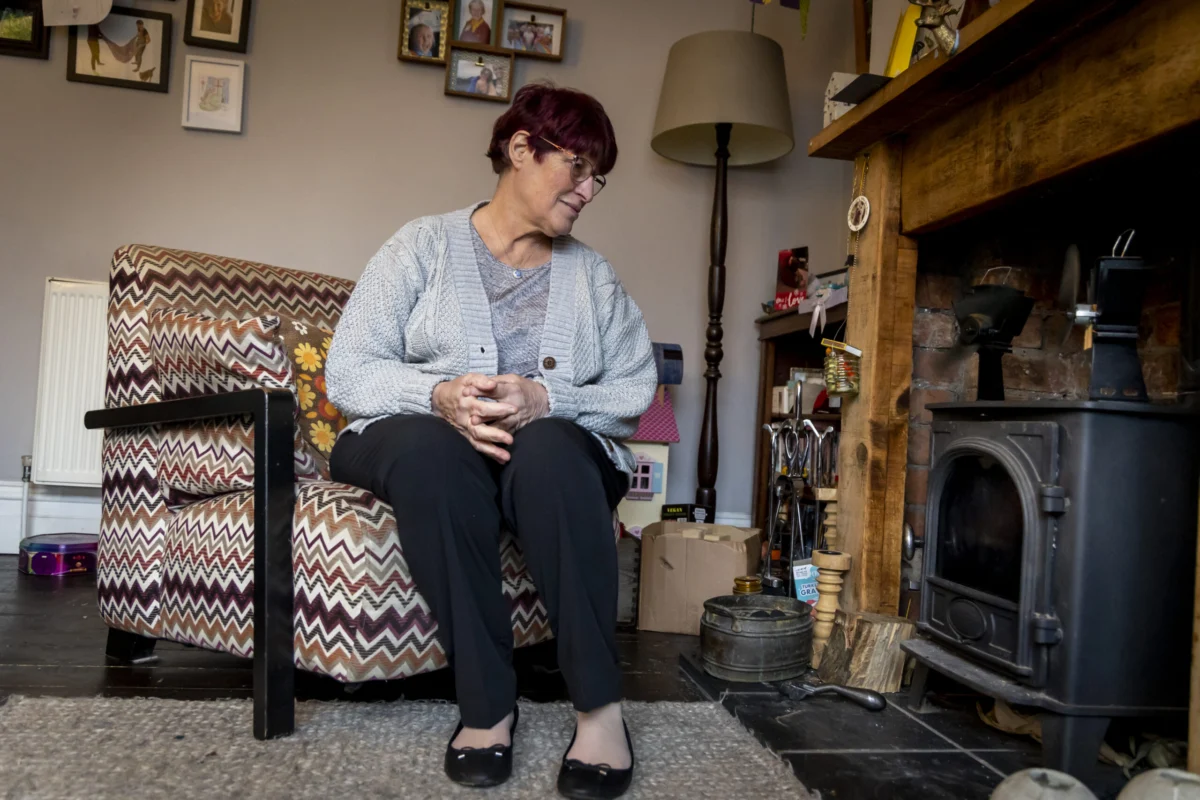
Dr. Nat O’Connor, senior policy adviser at Age Action, highlighted the growing frustration among older citizens who feel their concerns are being sidelined in favor of more high-profile campaign issues. According to Dr. O’Connor, the 2024 election represents a pivotal moment for Ireland, yet the discourse thus far has failed to reflect the reality that one in three voters is over the age of 60. Feedback collected by the organization suggests a pervasive sentiment among seniors that they are neither respected nor prioritized by the current political class. This perceived marginalization comes at a time when older people are facing unprecedented challenges related to the cost of living, digital exclusion, and a healthcare system struggling to keep pace with demographic shifts.
The Demographic Shift and Long-Term Planning Requirements
The scale of the demographic transition facing Ireland is substantial. Current statistics indicate that there are over one million people in the country aged 60 or older, a cohort that includes approximately 185,000 individuals aged 80 or older. Projections from the Central Statistics Office (CSO) suggest that in just twenty years, the number of older people will nearly double. This shift will see a significant increase in the number of individuals in advanced old age, a demographic that traditionally requires more intensive state support in the form of specialized healthcare, social care services, and accessible infrastructure.
Age Action has expressed concern that none of the major political parties have presented a comprehensive, long-term plan to meet this eventuality. The organization argues that the failure to plan for a doubling of the older population constitutes a major policy oversight that will affect not only current seniors but all citizens as they age. The lack of a "rights-based" approach to aging policy is seen as a primary hurdle. Age Action is calling for a paradigm shift where older people are viewed through the lens of their diverse needs and contributions rather than as a monolithic burden on the state’s resources.
Economic Pressures and the Adequacy of the State Pension
A primary concern voiced by older voters involves the increasing difficulty of maintaining a basic standard of living on the state pension. While recent budgets have seen incremental increases in pension rates, advocacy groups argue these have been largely swallowed by the high rate of inflation in essential goods, particularly energy and food. The "triple lock" system, which is utilized in the United Kingdom to ensure pensions rise in line with inflation, wages, or 2.5%, has been a point of comparison for Irish advocates seeking similar statutory protections for the purchasing power of the state pension.
The frustration regarding financial security is compounded by the rising costs of private healthcare and the lack of affordable, "right-sized" housing options for those wishing to move out of large family homes. Without a clear commitment to benchmarking the state pension against a percentage of average earnings or a calculated Minimum Essential Standard of Living (MESL), many older people fear they will face poverty in their later years. Age Action emphasizes that financial dignity is a cornerstone of a rights-based aging policy, and candidates must clarify whether they support a statutory link between pensions and the cost of living.
The Digital Divide and Access to Essential Services
One of the most frequent complaints received by Age Action involves the "digital by default" approach adopted by both public and private sectors. Older people have reported significant hurdles in accessing basic services, including banking, utilities, and government departments, as more organizations move toward online-only platforms. This trend has led to a sense of "digital disenfranchisement" among those who either lack the skills or the hardware to navigate complex digital interfaces.
The closure of physical bank branches and the reduction of face-to-face services in post offices and government buildings have left many seniors reliant on family members or community volunteers to manage their affairs. Age Action is demanding that political parties commit to maintaining "offline" pathways for all essential services. The organization argues that while digital literacy programs are helpful, they are not a universal solution, and the right to access public services should not be contingent on internet proficiency.
Healthcare, Housing, and Transport Infrastructure
The anxieties of older voters are further fueled by the state of Ireland’s healthcare and social care systems. While the Sláintecare reform program aims to provide universal healthcare, the current reality for many seniors involves long waiting lists for elective surgeries and a chronic shortage of home care packages. The "home-first" policy, which aims to keep older people in their own homes for as long as possible, is currently undermined by a lack of qualified care staff and insufficient funding for home modifications.
In terms of housing, the 2024 election comes at a time when the broader housing crisis is also impacting the elderly. There is a noted lack of purpose-built senior living communities that offer a balance between independence and support. Furthermore, for those in the private rental sector, the lack of long-term security is a source of acute stress. Age Action has called for integrated planning that links housing policy with healthcare, ensuring that new developments are "age-proofed" and located near essential transport links.
Transport remains another critical issue, particularly in rural Ireland. While the Free Travel Scheme is a highly valued support, its utility is limited in areas where public transport frequency is low or non-existent. For many older people, the loss of a driving license can lead to immediate social isolation if the state does not provide viable transport alternatives.
Chronology of Aging Policy and the Lead-up to the 2024 Election
The current climate of dissatisfaction among older voters has been building over several years. Following the 2013 National Positive Ageing Strategy, there were high hopes for a coordinated cross-departmental approach to aging. However, many of the goals set out in that strategy have seen slow implementation.
- 2013: Launch of the National Positive Ageing Strategy, intended to provide a blueprint for making Ireland a great country in which to grow old.
- 2020-2022: The COVID-19 pandemic disproportionately affected older people, highlighting vulnerabilities in the nursing home sector and the impact of social isolation during lockdowns.
- 2023: Budget 2024 introduced a €12 increase in the state pension, which many advocacy groups, including Age Action and ALONE, criticized as insufficient to cover the rising cost of living.
- Early 2024: Pre-election polling began to show that "cost of living" and "healthcare" remained the top priorities for voters over 55, yet political manifestos remained vague on specific senior-focused reforms.
- Late 2024: Age Action officially launches its "Ten Asks" for the general election, marking a formal intervention in the national campaign.
Analysis of Implications: The Political Risk of Ignoring the "Silver Vote"
From a strategic political perspective, ignoring the concerns of older people is a high-risk approach. Historically, older demographics have higher voter turnout rates compared to younger age groups. In a closely contested general election, the "silver vote" can be the deciding factor in many constituencies, particularly in rural areas where the aging profile is more pronounced.
The failure of parties to address long-term demographic planning also has broader economic implications. If the state does not invest in home care and community supports now, the future cost of acute hospital care and long-term residential care will likely become unsustainable. Analysis suggests that for every euro invested in home-based support, the state saves significantly more by avoiding unnecessary hospital admissions and delayed transfers of care.
Furthermore, the issue of ageism in policy-making—where older people are often excluded from the design of the services they use—can lead to inefficient spending. By adopting the rights-based approach advocated by Age Action, the government could potentially create more resilient public services that benefit all generations.
Official Responses and the Political Landscape
While specific responses to Age Action’s latest demands are still emerging from the various party headquarters, the general landscape shows a mix of traditional promises and cautious fiscal management. Fine Gael has historically emphasized stability and the protection of the state pension, while Fianna Fáil has focused on community-based healthcare initiatives. Sinn Féin, the main opposition party, has frequently criticized the government on the pension age and the adequacy of home care funding.
However, Age Action argues that these piecemeal promises are no longer sufficient. The organization is looking for a cohesive "Ageing in Place" strategy that is backed by statutory rights rather than discretionary budget allocations. The demand is for a "New Deal" for older people that recognizes their role as active participants in society, rather than passive recipients of welfare.
Conclusion: The Path Forward for the 2024 Campaign
As the election campaign progresses, the pressure on candidates to provide specific answers to Age Action’s questions is expected to intensify. The organization’s "Ten Asks" serve as a benchmark against which party manifestos will be judged. These asks cover a wide spectrum, from pension adequacy and the right to home care, to digital inclusion and the appointment of an Independent Commissioner for Older People.
The 2024 general election represents a crossroads for Irish social policy. The country can either continue with a reactive approach to its aging population or it can take the proactive, rights-based path suggested by Age Action. As Dr. O’Connor concluded, the ability of political parties to demonstrate that they take older people seriously will not only determine their success at the ballot box but will also define the social fabric of Ireland for decades to come. The message from Age Action is clear: the one million people over 60 are watching, and they are waiting for a plan that respects their past contributions and secures their future rights.