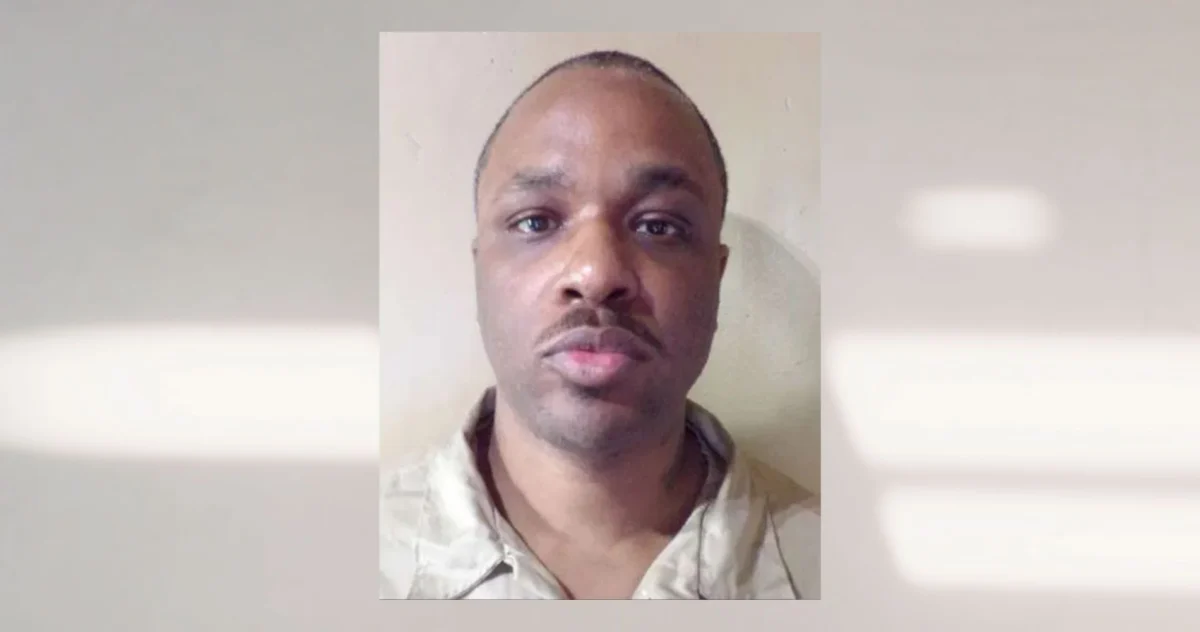
The United States Supreme Court has cleared the path for Michael Sockwell, now 63, to receive a new trial, 36 years after a Montgomery judge sentenced him to death. The nation’s highest court declined to review a decision by the Eleventh Circuit Court of Appeals, which last summer granted Mr. Sockwell a new trial based on overwhelming evidence of racial discrimination in jury selection during his original 1990 capital murder proceedings. This significant development underscores persistent issues of racial bias within the justice system and highlights the long shadow cast by Alabama’s now-abolished practice of judicial override in capital cases.
Mr. Sockwell was convicted in connection with the 1988 killing of a Montgomery sheriff’s deputy, an incident that prosecutors alleged was orchestrated by the deputy’s wife. The case garnered significant attention in Alabama at the time, given the victim’s profession and the shocking nature of the alleged conspiracy. However, the subsequent legal process that led to Mr. Sockwell’s conviction and death sentence has been marred by critical procedural flaws that have taken decades to address through the exhaustive appeals process.
The Troubling History of Judge Override in Alabama
One of the most contentious aspects of Mr. Sockwell’s initial sentencing was the trial judge’s decision to override the jury’s recommendation. Following his conviction for capital murder, the jury voted 7-5 to impose a sentence of life without parole. Despite this clear expression of the jury’s will, the trial judge chose to override their verdict and sentence Mr. Sockwell to death. This practice, known as judicial override, allowed judges to impose the death penalty even when a jury had recommended life imprisonment.
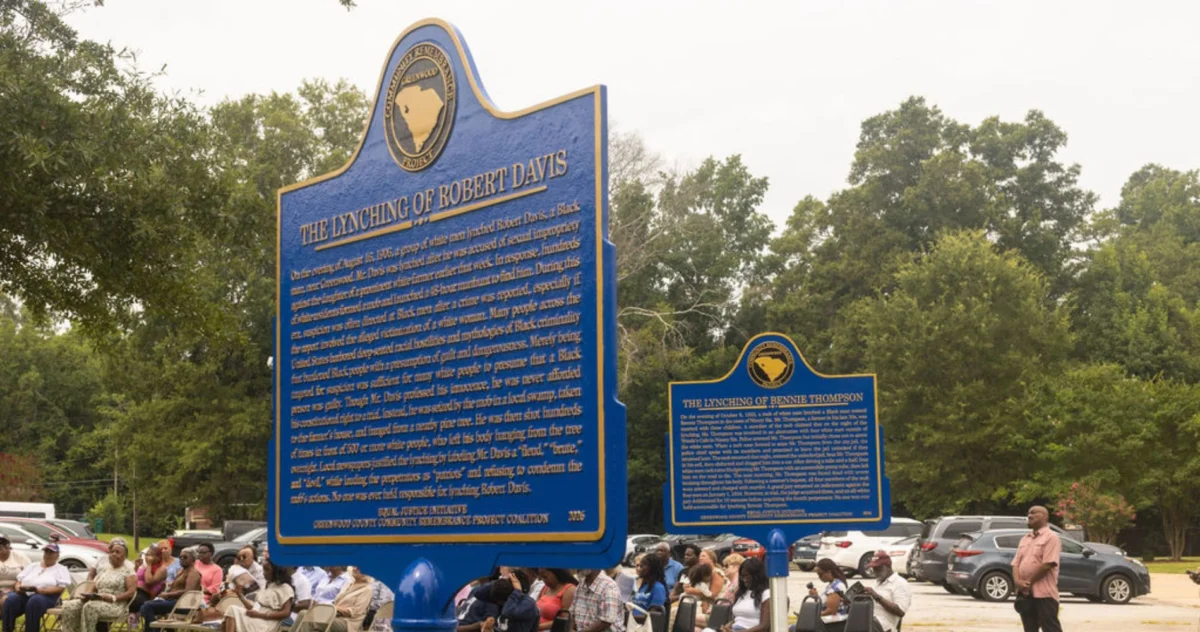
Alabama stood as the last state in the nation to permit judicial override, a practice that drew widespread criticism from legal scholars, civil rights organizations, and international human rights bodies. Critics argued that judicial override undermined the role of the jury, which is intended to be the conscience of the community, and contributed to arbitrary sentencing. Data compiled by organizations like the Equal Justice Initiative (EJI) revealed that Alabama judges frequently overrode jury verdicts of life to impose death sentences, particularly in cases involving Black defendants or white victims. Between 1976 and 2017, Alabama judges overrode jury life recommendations to impose death in 101 cases. Conversely, judges overrode jury death recommendations to impose life in only nine cases. The practice was finally eliminated in Alabama in 2017, making Mr. Sockwell’s case a stark reminder of a now-defunct, yet deeply impactful, judicial mechanism.
Racial Discrimination: The Core of the Appeal
Central to the Eleventh Circuit’s decision to grant Mr. Sockwell a new trial was the irrefutable evidence of racial discrimination during jury selection, a violation of his rights under the Equal Protection Clause of the Fourteenth Amendment, as established by the landmark Supreme Court case Batson v. Kentucky (1986). Batson prohibits prosecutors from striking potential jurors based solely on their race. The ruling provides a three-step process for courts to determine if a peremptory strike was racially motivated: first, the defendant must make a prima facie showing that a strike was based on race; second, the prosecutor must offer a race-neutral explanation; and third, the trial court must determine whether the defendant has proven purposeful discrimination.
In Mr. Sockwell’s 1990 trial, then-Assistant District Attorney Ellen Brooks struck an astonishing 80% of the qualified Black prospective jurors. This pattern alone raised significant red flags. Further, Ms. Brooks explicitly admitted to striking one Black man because he was the “same race, sex, and age” as the defendant, Mr. Sockwell. This admission directly contravenes the principles established in Batson, which seeks to prevent the exclusion of jurors based on racial stereotypes or assumptions about their perceived loyalty to a defendant of the same race.
The Eleventh Circuit Court of Appeals observed that Ms. Brooks had a "significant history of striking jurors in a racially discriminatory manner right before and during Sockwell’s trial in 1990." Both of Alabama’s appellate courts had previously identified several instances where Ms. Brooks struck Black jurors in violation of Batson. The federal court noted that "Brooks purposefully struck Black jurors in the cases she prosecuted" both before and after the Batson decision was handed down, indicating a systemic issue rather than an isolated incident.
Furthermore, the appellate court highlighted that Ms. Brooks was "not the only culprit within the Montgomery County District Attorney’s office." Bruce Maddox, another prosecutor in the office, also engaged in striking Black jurors in a racially discriminatory manner. The Alabama Supreme Court had repeatedly chastised Mr. Maddox for this behavior, noting that his "whimsical, ad hoc excuses" for striking Black jurors had been rejected previously and were necessitating costly retrials. This broader context paints a picture of a prosecutorial culture within the Montgomery County District Attorney’s office that was, at least during that era, tolerant of or engaged in discriminatory jury selection practices.
In Mr. Sockwell’s specific case, Ms. Brooks struck eight of the ten Black jurors from the jury pool. By meticulously comparing the reasons she provided for striking Black jurors against her reasons for not striking white jurors who shared similar characteristics, the court concluded that there was a "substantial likelihood of race-based considerations in the exercise of those strikes." This finding pointed to the use of pretextual reasons to mask racial discrimination, a common challenge in Batson claims.
A Chronology of Justice Delayed
The journey to this pivotal ruling has been exceptionally long, spanning nearly four decades and navigating multiple levels of the state and federal judiciary.
- 1988: The alleged crime occurs, leading to Mr. Sockwell’s arrest and charges.
- 1990: Michael Sockwell’s capital murder trial takes place. During jury selection, prosecutor Ellen Brooks strikes a disproportionate number of Black prospective jurors, admitting to striking one based on race, sex, and age. The jury convicts Mr. Sockwell but recommends a life-without-parole sentence (7-5). The trial judge overrides this recommendation, sentencing Mr. Sockwell to death.
- 1990s-2010s: Mr. Sockwell begins his lengthy appeals process through state courts, challenging his conviction and sentence. During this period, the systemic issues of judicial override and racially biased jury selection in Alabama continue to be litigated and debated.
- 2017: Alabama officially abolishes judicial override, becoming the last state to do so. This legislative change, while not directly impacting Mr. Sockwell’s past sentence, underscores the societal and legal consensus against the practice that initially led to his death sentence.
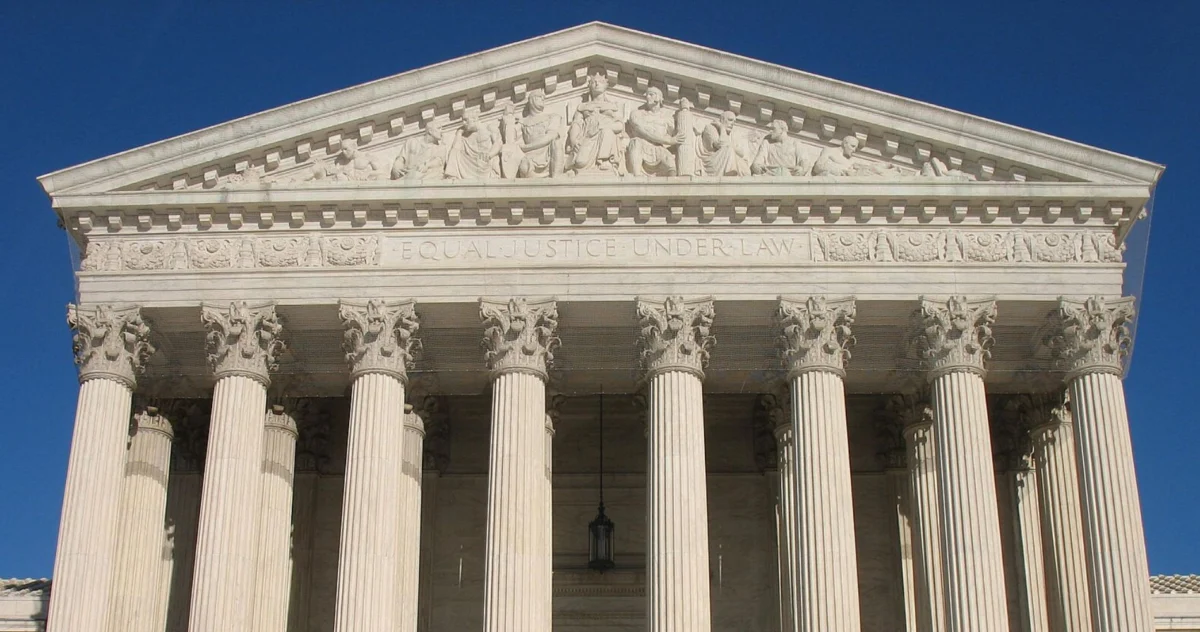
- Summer 2023 (approx.): After exhausting state remedies, Mr. Sockwell’s case reaches the federal habeas corpus stage. The Eleventh Circuit Court of Appeals reviews his claims and, finding overwhelming evidence of Batson violations, grants him a new trial. The court emphasizes that "Equal justice under law requires a criminal trial free of racial discrimination in the jury selection process."
- Late 2023: The State of Alabama appeals the Eleventh Circuit’s decision to the U.S. Supreme Court, asking it to review the lower court’s ruling.
- January 2024: The U.S. Supreme Court declines to hear Alabama’s appeal, thereby upholding the Eleventh Circuit’s mandate for a new trial for Michael Sockwell.
- November 2023 (reported): Prior to the Supreme Court’s decision, a federal judge had already directed prosecutors to finalize plans for a new trial by March 18, 2024, or release Mr. Sockwell from prison.
Reactions and the Path Forward
The Montgomery County District Attorney’s office, through a spokesperson, has indicated its intention to retry the case. This decision means that after 36 years of incarceration, predominantly on death row, Michael Sockwell will once again face a capital murder trial. The challenges of retrying a case that is almost four decades old are substantial, including the availability of witnesses, the preservation of evidence, and the memories of those involved.
Defense attorneys and advocates for Mr. Sockwell are expected to emphasize the profound injustice of his original conviction and sentencing. While no official statements have been released by his legal team since the Supreme Court’s decision, the outcome represents a significant victory in their long fight. Organizations like the Equal Justice Initiative, which have consistently challenged discriminatory practices in Alabama’s justice system, will likely view this case as further vindication of their advocacy, highlighting the enduring need for vigilance against racial bias.
The family of the deceased deputy may also experience a renewed sense of grief and uncertainty as the legal process recommences. The passage of time often complicates the pursuit of justice for all parties involved, and a new trial after such a long delay can reopen old wounds.
Broader Implications for Justice and Reform
The Supreme Court’s decision not to intervene in the Sockwell case sends a clear message regarding the strict enforcement of Batson v. Kentucky and the federal courts’ commitment to rectifying egregious instances of racial discrimination in jury selection. This case serves as a powerful reminder that the pursuit of justice is not time-bound, and systemic flaws, once identified, must be addressed, regardless of how many decades have passed.
The implications extend beyond Mr. Sockwell’s individual case. It underscores the ongoing challenges in ensuring fair trials, particularly in capital cases, where racial disparities have historically been well-documented. The case also adds to the growing body of jurisprudence and public discourse advocating for comprehensive criminal justice reform. It highlights the human cost of delayed justice and the immense resources expended when fundamental constitutional rights are violated at trial. As Alabama moves forward with a new trial for Mr. Sockwell, the proceedings will undoubtedly be watched closely as a testament to the enduring struggle for equal justice under law.