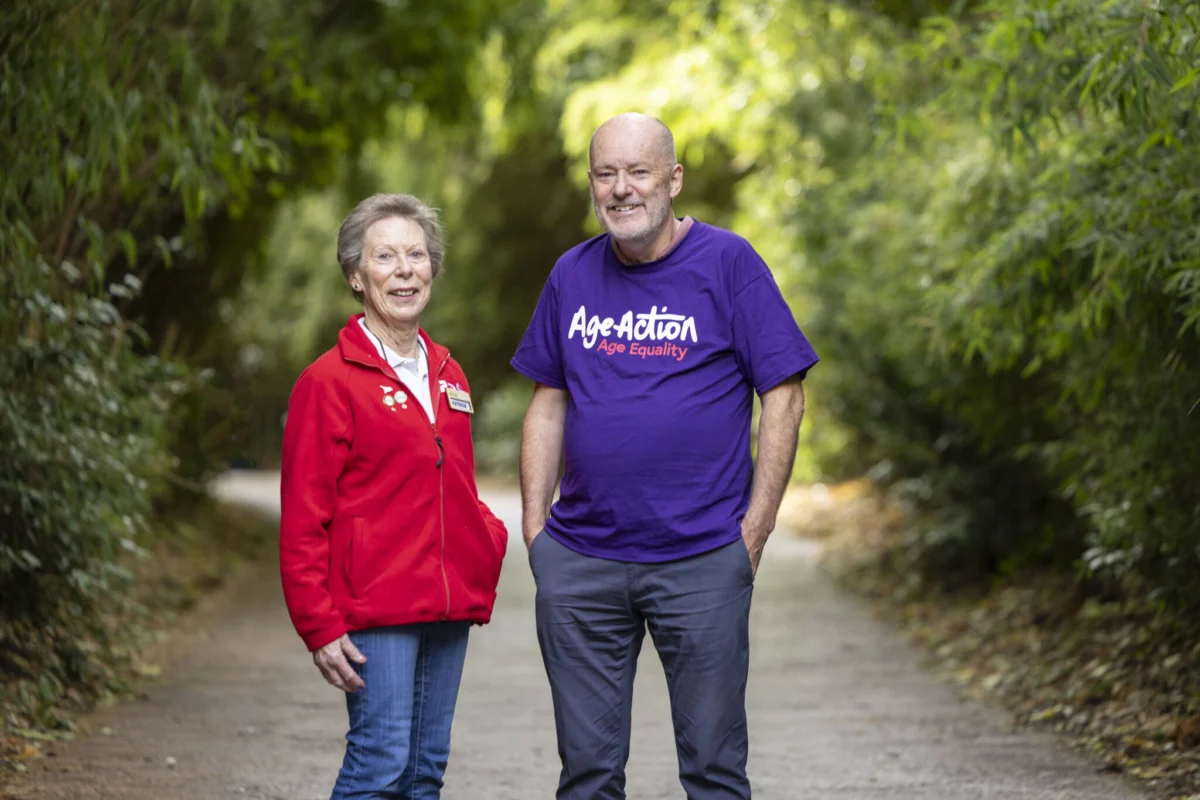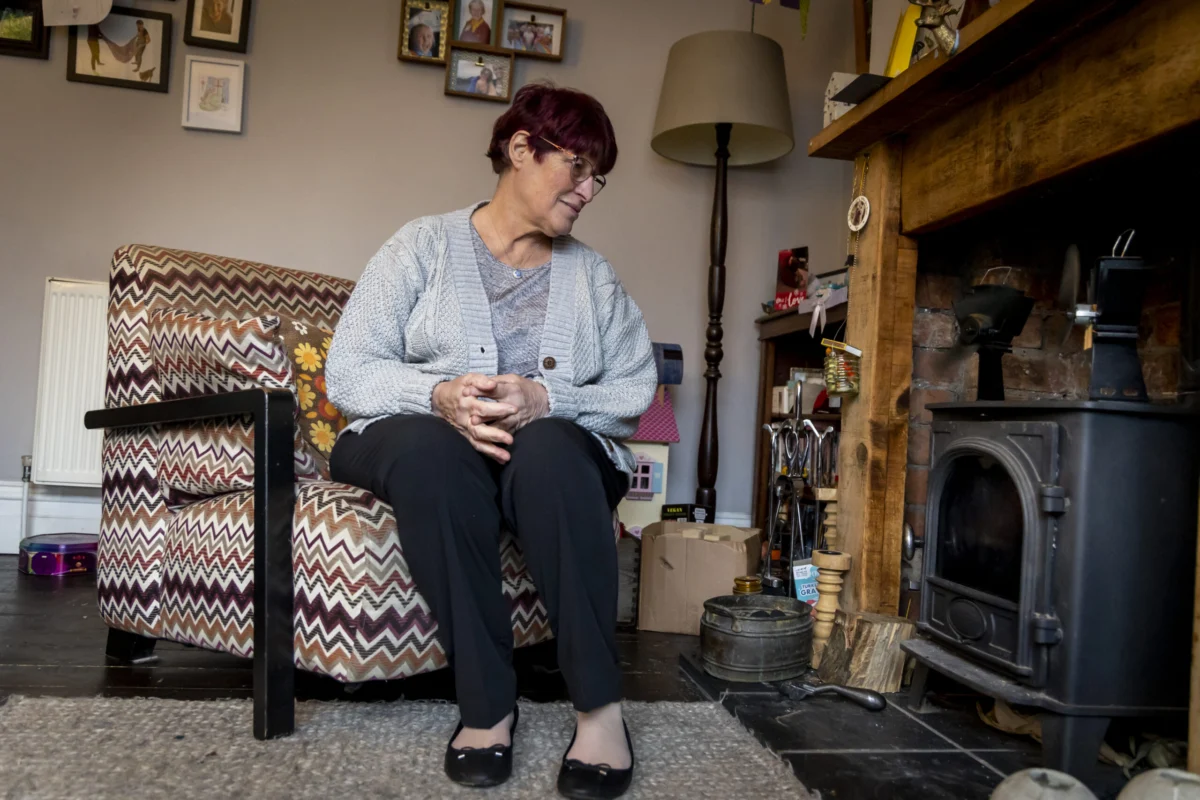
The recent publication of the Central Statistics Office (CSO) Survey on Income and Living Conditions (SILC) for 2025 has ignited a serious debate regarding the efficacy of current social protection policies for Ireland’s ageing population. According to the data, Age Action, the leading advocacy group for older citizens, has formally expressed profound concern over escalating poverty levels, particularly among those living in single-person households. The statistics reveal a troubling trajectory: income poverty among older people living alone climbed to 30.3% in 2025, a stark 4.4 percentage point increase over the previous year. This figure is not merely a statistical outlier; it represents a demographic segment struggling significantly more than the national average, with poverty rates for this group standing at nearly two-and-a-half times the national norm.
The Chronology of Financial Strain
To understand the current crisis, one must examine the timeline of economic intervention in Ireland over the past 36 months. Following the inflationary shocks of 2022 and 2023, the Irish government introduced a series of "one-off" cost-of-living measures. These temporary, emergency-style payments were designed to act as a buffer against skyrocketing energy costs, food price inflation, and the general rising cost of essential services.
Throughout 2024, these subsidies—delivered via fuel allowance lump sums, electricity credits, and enhanced pension supplements—successfully dampened the immediate effects of inflation. However, the data for 2025 indicates that the reliance on these non-permanent supports created a "fiscal cliff." As the government transitioned away from these emergency measures in the lead-up to Budget 2026, the absence of permanent, structural increases to the State Pension and other age-related social supports left the most vulnerable exposed. The 5.9 percentage point reduction in poverty risk attributed to 2025 interventions serves as a retrospective reminder of what can be achieved, but it also highlights the fragility of a system that relies on discretionary spending rather than systemic reform.
Understanding Enforced Deprivation and Consistent Poverty
The CSO data goes beyond simple income metrics, offering a harrowing glimpse into the daily lives of those struggling to maintain a basic standard of living. "Enforced deprivation" is defined as the inability to afford two or more essential items—such as adequate heating, warm clothing, or nutritious meals. The findings are sobering: 18.3% of older people living alone and 9.8% of older households consisting of couples reported going without these necessities.
Even more concerning is the measurement of "consistent poverty." This classification is reserved for those suffering from both low income and enforced deprivation simultaneously. With one in ten (9.8%) older people living alone falling into this category in 2025, the data confirms that for a significant portion of the elderly population, poverty is not a temporary inconvenience but a persistent, daily reality. For an individual in this bracket, the choice between heating a home and purchasing medicine is not hypothetical—it is a routine calculation dictated by limited pension income.
The Failure of Policy Integration
Camille Loftus, Head of Advocacy and Public Affairs at Age Action, has been vocal in her critique of the fiscal strategy adopted in Budget 2026. Loftus argues that the government’s failure to consolidate the gains made during the cost-of-living crisis into permanent, inflation-proofed pension increases was a strategic error.
"While one-off cost of living measures have reduced the poverty risk for older people in recent years—by 5.9 percentage points in 2025—the failure to replace these supports with permanent and targeted measures in Budget 2026 means that older people will face a growing risk of living in poverty in 2026," Loftus stated.
The implication of this policy shift is clear: by withdrawing support without structural adjustment, the government has essentially mandated a decline in the real-world purchasing power of pensioners. As utility costs remain elevated and the cost of healthcare services continues to rise, the fixed nature of the State Pension becomes increasingly insufficient to cover the rising floor of basic living costs.
Economic Implications and Societal Burden
The surge in poverty among the elderly carries long-term consequences that extend beyond the individuals affected. From a public health perspective, there is a well-documented correlation between cold, damp living conditions—often a result of energy poverty—and the incidence of respiratory illnesses, cardiovascular stress, and increased hospital admissions among the elderly.

When older people are forced to cut back on "essential items," nutrition is frequently the first casualty. A diet lacking in necessary nutrients can lead to weakened immune systems, increased frailty, and a slower recovery time from minor ailments. Consequently, the fiscal savings realized by the state through the withdrawal of cost-of-living supports may be offset by an increase in demand for acute health services and social care interventions. The "cost of inaction" is, therefore, a multifaceted economic burden that shifts expenditure from preventative social support to reactive healthcare.
The Demographic Context
Ireland’s demographic profile is shifting rapidly. The "greying" of the population is not a future concern; it is a current reality. As the number of people aged 65 and over continues to rise, the social protection system must evolve to meet the specific needs of this cohort. Older people, particularly those who live alone, often lack the economies of scale that families or multi-generational households enjoy. Rent, utility standing charges, and home maintenance costs are disproportionately high for the single occupant.
When these economic factors are combined with social isolation—which often accompanies age-related mobility issues or the loss of a spouse—the risk of poverty is compounded. The CSO data highlights that the risk is not evenly distributed; it is concentrated in those living in isolation. This necessitates a more granular policy approach that moves away from "one-size-fits-all" pension increases and toward targeted interventions for those living alone.
Broader Socio-Economic Analysis
Critics of the current fiscal approach suggest that the government’s focus has remained too heavily weighted toward stimulating the broader economy through tax cuts for the working-age population, while neglecting the "floor" of the social safety net. While tax relief for workers is a common political priority, the failure to index social welfare payments to the actual rate of inflation—rather than a forecasted figure—has left pensioners perpetually catching up.
Furthermore, the reliance on the SILC data to track these trends is essential, but it is also a lagging indicator. By the time the data is processed and released, the lived experience of poverty has already spanned an entire calendar year. The current data, released in March 2026, reflects the impact of decisions made in late 2025. This creates a policy lag that, in an inflationary environment, can be catastrophic for those on the lowest fixed incomes.
Looking Ahead: The Path to Reform
The findings from the CSO have prompted calls from various non-governmental organizations (NGOs) and social justice groups for an immediate review of the adequacy of the State Pension. Among the proposed solutions are:
- Benchmarking the Pension: Linking the State Pension to a set percentage of average earnings, ensuring that the income of older people keeps pace with the standard of living enjoyed by the rest of society.
- Targeted Energy Supports: Rather than broad-based credits, implementing a permanent "Energy Guarantee" for pensioners living alone, covering a baseline of heating and electricity costs.
- Expansion of the Fuel Allowance: Adjusting the eligibility criteria to include a wider net of low-income older people who currently fall just outside the means-tested threshold.
- Housing and Retrofitting: Accelerating home energy retrofitting programs specifically for older homeowners, which would provide a permanent reduction in their energy needs and, by extension, their cost of living.
As the government prepares for the mid-year fiscal review, the pressure from advocacy groups like Age Action will likely intensify. The data released this March serves as a stark metric of the current state of social equity in Ireland. Whether the government chooses to prioritize structural reform or persists with the stop-gap measures that have proven insufficient, the lives of thousands of older citizens remain in the balance.
Conclusion
The evidence provided by the 2025 SILC survey is a clear indictment of the current approach to elder poverty in Ireland. With 30.3% of older people living alone facing income poverty, the data highlights a systemic failure to protect the most vulnerable during a period of economic volatility. The transition from emergency cost-of-living measures to a lack of permanent, structural support has created a new, harsher reality for those who have contributed decades to the Irish economy.
As the discourse shifts toward the next budgetary cycle, the focus must move beyond short-term fixes. Ensuring that the elderly in Ireland can live with dignity—free from the constant threat of consistent poverty and enforced deprivation—is not merely an act of charity; it is a fundamental obligation of a functioning social contract. The figures released by the CSO are not just numbers; they represent a call for urgent, evidence-based policy reform that recognizes the unique economic challenges faced by the oldest members of our society. The clock is ticking, and for those currently navigating the reality of poverty, the need for a permanent, robust, and compassionate policy framework is more pressing than ever.