
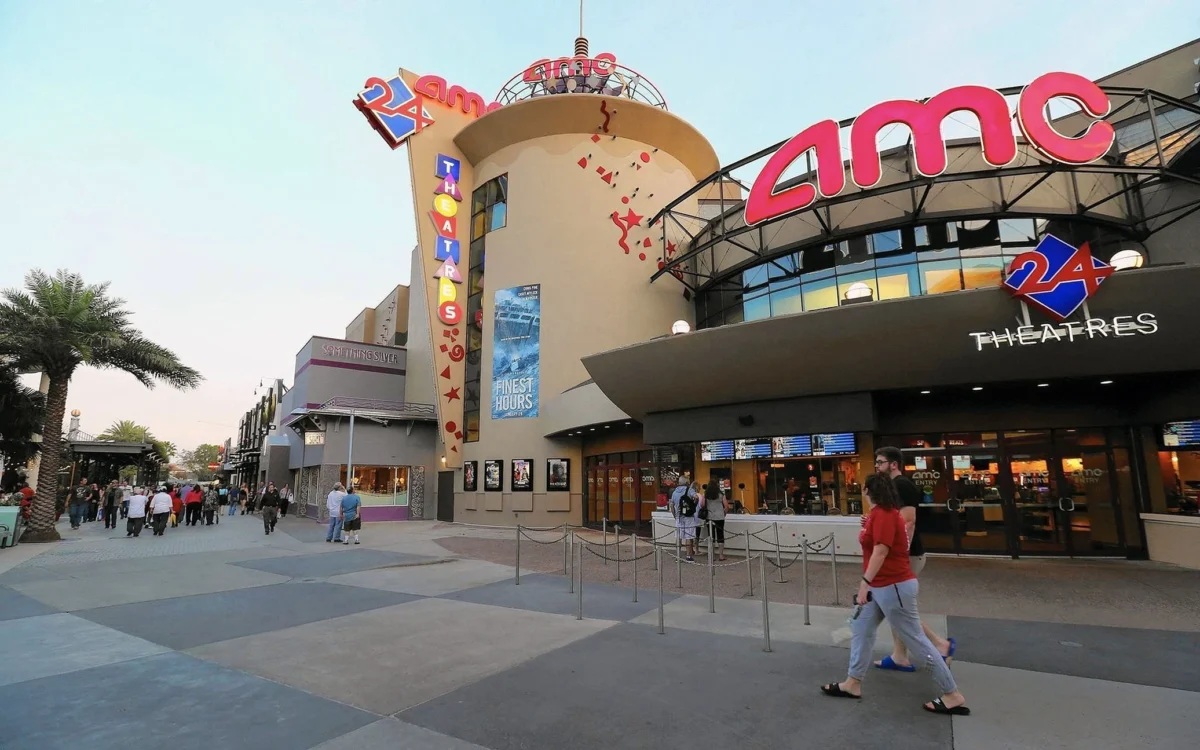
The nation’s largest movie theater chain, American Multi-Cinema, commonly known as AMC Theatres, has agreed to a $56,000 settlement to resolve a federal lawsuit filed by the U.S. Equal Employment Opportunity Commission (EEOC). The legal action accused the corporate giant of violating the Americans with Disabilities Act (ADA) by unlawfully forcing out a dedicated employee with cerebral palsy who had served the company faithfully for over two decades.
Beyond the monetary compensation directed to the former employee, the comprehensive consent decree mandates that AMC implement sweeping operational reforms. These changes encompass the revision of internal policies and procedures governing reasonable accommodation requests, enhanced mandatory staff training regarding disability discrimination, and the prominent posting of employee rights notices across its facilities.
The resolution brings a formal conclusion to a high-profile legal battle initiated by the EEOC on behalf of Marc Gillis, a loyal worker who spent 22 years at an AMC location in Owings Mills, Maryland. The case has since drawn significant attention from labor advocates, disability rights organizations, and employment law experts, shedding light on the ongoing challenges faced by workers with significant disabilities within the modern service industry.
Background and the Genesis of the Conflict
The events leading up to the federal lawsuit center on the experiences of Marc Gillis, whose tenure at the Owings Mills theater spanned more than two decades. Throughout his long employment history, Gillis established a reputation as a reliable and dedicated staff member, successfully performing his duties despite the physical manifestations of cerebral palsy, a neurological disorder that affects muscle tone, movement, and motor skills.
For the vast majority of his 22-year career, Gillis managed his responsibilities effectively, aided by informal understandings and standard operational flexibility that allowed him to navigate his daily tasks. However, the operational dynamic at the Owings Mills branch shifted dramatically following a management transition.
According to court filings submitted by the EEOC, Gillis was assigned a new general manager who demonstrated a distinct lack of understanding—or willingness to accommodate—his medical needs. The newly appointed manager allegedly subjected Gillis to hostile treatment, which included verbal abuse such as shouting, arbitrary reductions in scheduled work hours, and a persistent refusal to grant basic, necessary workplace adjustments.
Under the Americans with Disabilities Act, employers are legally obligated to provide reasonable accommodations to qualified individuals with disabilities, provided such adjustments do not impose an undue hardship on business operations. In Gillis’s case, the requested accommodations were modest yet vital for him to perform his job duties safely and efficiently. Specifically, Gillis requested a modified ticket scanner equipped with a secure hand strap and an accessible side button to compensate for his motor control limitations. Additionally, he requested a large-font printed reference list detailing each movie title and its corresponding auditorium number to assist patrons accurately and efficiently.
Despite the simplicity and reasonableness of these requests, management allegedly rejected them outright. The situation escalated when the manager reportedly ceased scheduling Gillis altogether, effectively executing a constructive discharge—a legal term for forcing an employee to resign by making their working conditions intolerable.
Chronology of the Legal Proceedings
The legal pathway from workplace grievance to federal settlement involved several critical milestones over a multi-year period, reflecting the rigorous investigative process undertaken by federal regulatory agencies.
- Pre-Lawsuit Phase: Following his effective ouster from AMC Theatres, Marc Gillis sought recourse by filing a formal charge of discrimination with the EEOC. Federal investigators reviewed employment records, interviewed witnesses, and evaluated the legitimacy of the accommodation requests.
- EEOC Investigation and Determination: After reviewing the evidence, the federal agency concluded there was reasonable cause to believe that AMC Theatres had violated Title I of the ADA by failing to provide reasonable accommodations and subjecting Gillis to disparate treatment based on his disability.
- Conciliation Efforts: In accordance with federal statutory requirements, the EEOC entered into conciliation discussions with AMC Theatres representatives to secure a voluntary settlement without resorting to litigation. When these negotiations failed to yield a mutually agreeable resolution, the agency authorized federal litigation.
- Filing of the Lawsuit: The EEOC officially filed its civil lawsuit against American Multi-Cinema in federal court, alleging discrimination, failure to accommodate, and wrongful termination under the ADA.
- The Settlement Agreement: Following months of legal proceedings, both parties reached a negotiated consent decree. Under the terms of the settlement, AMC agreed to pay $56,000 in monetary relief to Gillis and commit to systemic injunctive relief to prevent future violations.
Terms and Conditions of the Consent Decree
The resolution of the EEOC lawsuit extends far beyond financial compensation, establishing a strict compliance framework designed to transform how AMC Theatres handles similar employment scenarios nationwide.
The financial component of the settlement requires AMC to pay $56,000 to Marc Gillis, intended to compensate him for lost wages, emotional distress, and other damages incurred as a result of the unlawful separation.
More broadly, the injunctive provisions of the consent decree impose several affirmative duties on the corporation:
- Policy Revisions: AMC must thoroughly review and update its corporate policies and operating procedures regarding disability discrimination and the interactive process for evaluating reasonable accommodation requests. These revisions must align strictly with EEOC guidelines and judicial interpretations of the ADA.
- Mandatory Training: The company is required to conduct comprehensive training sessions for human resources personnel, managers, and supervisors at the Owings Mills location—and potentially expand these protocols regionally—focusing on legal obligations under the ADA, recognizing disability-based discrimination, and properly executing the interactive accommodation process.
- Posting of Notices: AMC must post physical and digital notices in prominent employee areas informing staff members of their rights under federal anti-discrimination laws, details regarding the resolution of the lawsuit, and contact information for reporting workplace grievances.
- Monitoring and Reporting: The corporation will be subject to EEOC oversight for a specified duration, requiring AMC to submit periodic compliance reports demonstrating adherence to the terms of the consent decree.
Official Responses and Regulatory Perspective
Federal labor enforcement officials utilized the resolution of the case to underscore the absolute necessity of workplace inclusivity and strict adherence to federal disability statutes.
“From its inception, the ADA has protected the right of people with significant disabilities like cerebral palsy to participate fully in the workforce,” stated Karen McDonough, acting field office director for the EEOC in Baltimore. “Employers have a legal obligation to provide reasonable accommodations, and the EEOC will hold them accountable when they fail to do so.”
The sentiment reflects the overarching mission of the EEOC, which enforces federal laws prohibiting employment discrimination based on race, color, religion, sex, national origin, age, disability, or genetic information. Legal analysts note that the commission frequently prioritizes cases involving long-term employees, as arbitrary terminations of workers with established performance records often underscore systemic cultural failures within management structures.
Representatives for AMC Theatres declined requests for comment regarding the settlement terms and the underlying allegations made in the federal complaint. The company’s silence is a standard legal and public relations strategy in civil rights settlements, where corporate entities often resolve claims to mitigate legal expenses and avoid protracted negative publicity without explicitly admitting liability.
Broader Impact and Implications for the Service Industry
The resolution of the EEOC v. American Multi-Cinema lawsuit carries notable implications for the broader retail, hospitality, and entertainment sectors, where hourly employees frequently encounter decentralized management structures and high turnover rates.
The Importance of the Interactive Process
Under the ADA, employers are legally required to engage in an "interactive process"—a flexible, two-way communication channel between the employer and the employee to identify workplace barriers and determine appropriate accommodations. The AMC case highlights the legal perils organizations face when local managers short-circuit this process, substituting professional evaluation with arbitrary decision-making or outright hostility.
Vulnerability of Workers with Developmental Disabilities
Advocacy organizations focused on developmental and physical disabilities frequently point out that individuals with conditions like cerebral palsy often excel in long-term stable employment when provided with minor, low-cost accommodations. Cases like this one demonstrate how easily decades of successful employment can be upended by a single managerial transition if corporate oversight and ADA compliance training are lacking at the store level.
Financial and Reputational Costs of Non-Compliance
While a $56,000 financial settlement represents a negligible sum for a multi-billion-dollar theatrical exhibition chain like AMC—which operates hundreds of locations across the globe—the indirect costs of federal litigation are substantial. Defending against an EEOC lawsuit incurs significant legal fees, consumes administrative bandwidth, and risks severe reputational damage among consumers and labor pools increasingly prioritizing corporate social responsibility and inclusive workplace practices.
As the entertainment and service industries continue to navigate labor shortages and evolving expectations surrounding workplace culture, the settlement serves as a potent reminder of the enduring reach of the Americans with Disabilities Act. For major employers, the lesson is clear: robust compliance programs, continuous managerial education, and a genuine institutional commitment to reasonable accommodation are not merely legal niceties, but essential operational safeguards against federal intervention.




