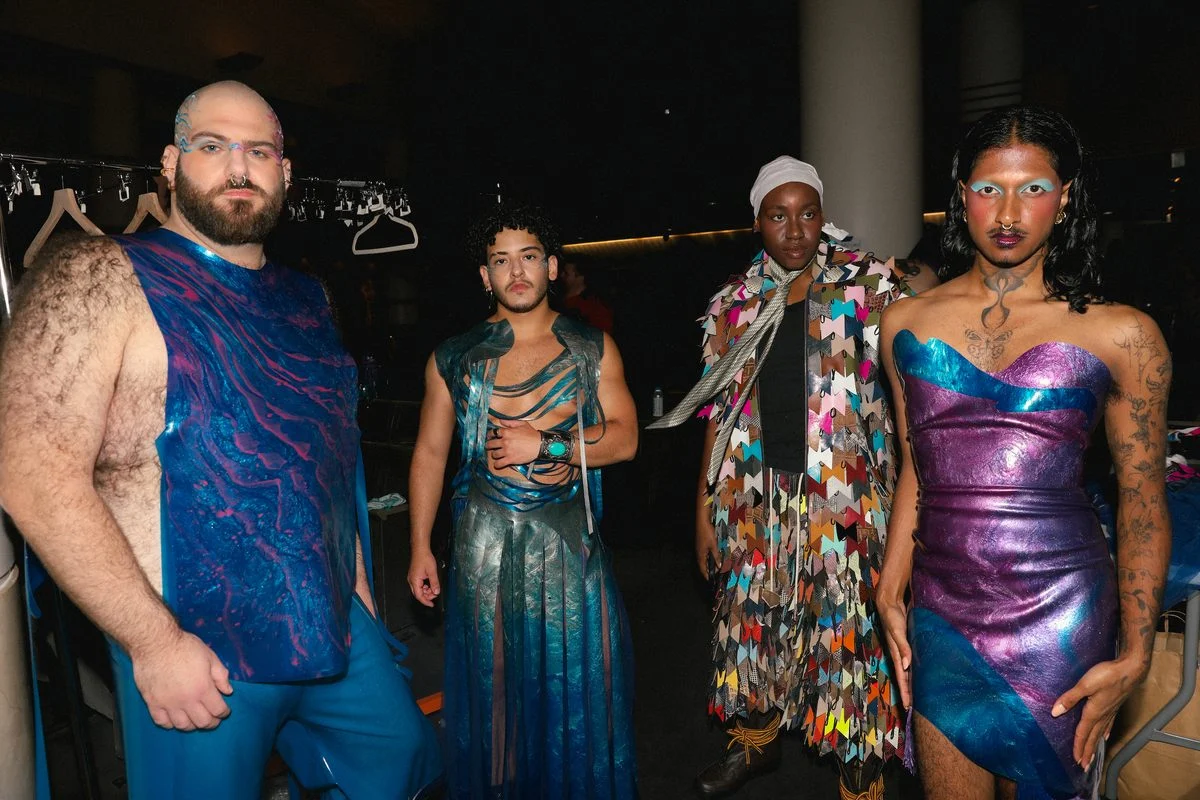
For over a decade, the fashion industry has undergone a slow but definitive reckoning regarding representation, inclusivity, and the gatekeeping of creative capital. While mainstream New York Fashion Week (NYFW) has historically functioned as a rigid, top-down hierarchy, dapperQ has carved out a defiant, decentralized space within the Brooklyn Museum. Marking its eleventh season, the organization has solidified its position as the premier platform for queer, trans, and gender-nonconforming design, effectively shifting the narrative from passive inclusion to active ownership.
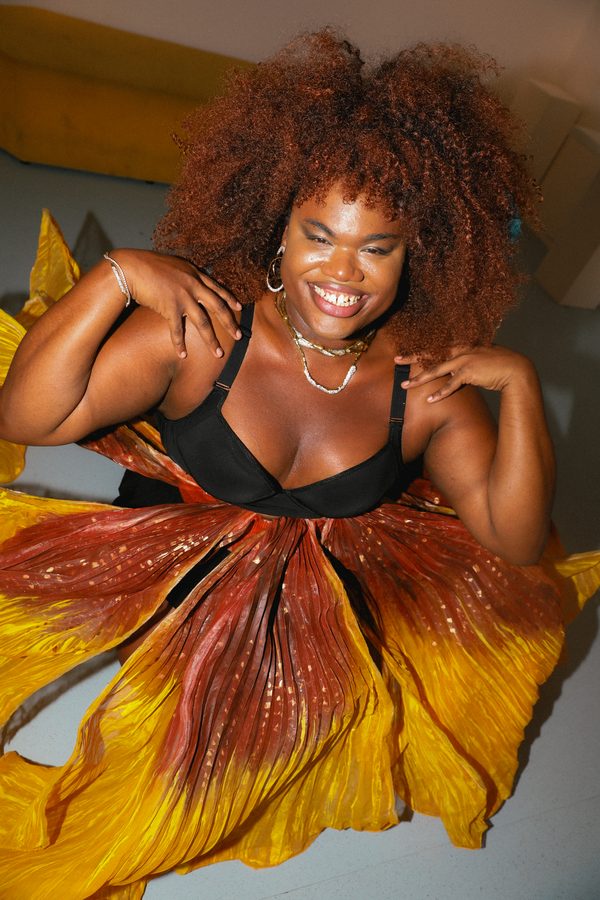
A Decade of Institutional Disruption
Founded in 2009 as a digital publication, dapperQ transitioned its mission from a blog to a live-runway phenomenon during NYFW in 2014. The objective was clear: to address the glaring absence of masculine-of-center and queer-centric fashion in the traditional industry canon. Since that inaugural show, the organization has consistently occupied the Brooklyn Museum, transforming a space typically reserved for historical curation into a site of living, breathing contemporary history.
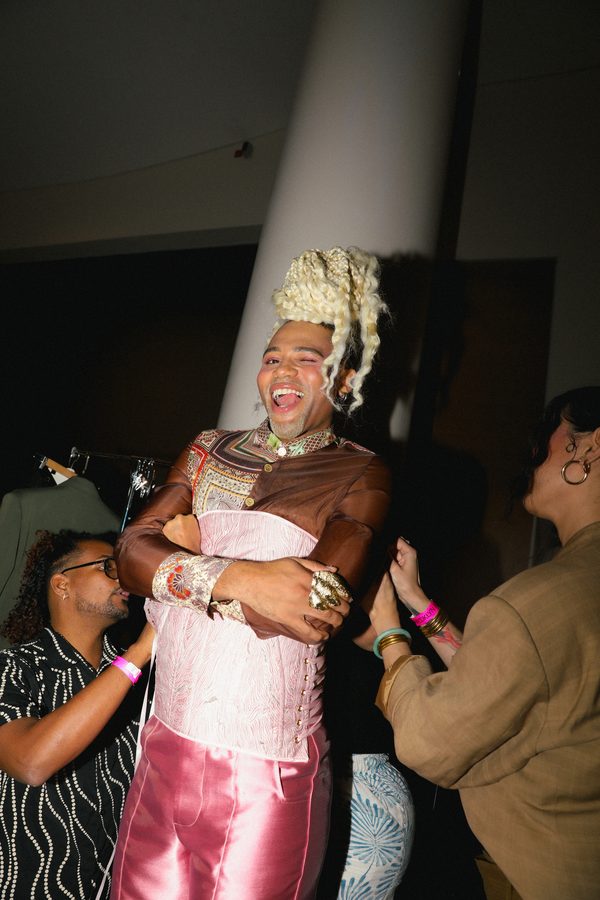
The eleven-season trajectory of dapperQ represents a significant departure from the standard fashion calendar. By prioritizing designers who are often overlooked by major fashion conglomerates, the organization has bypassed the traditional vetting processes of high-fashion labels. This approach has allowed the runway to become a mirror of the community it serves—a space where queer and trans people are not merely the aesthetic inspiration for luxury brands, but the architects of the trends themselves.
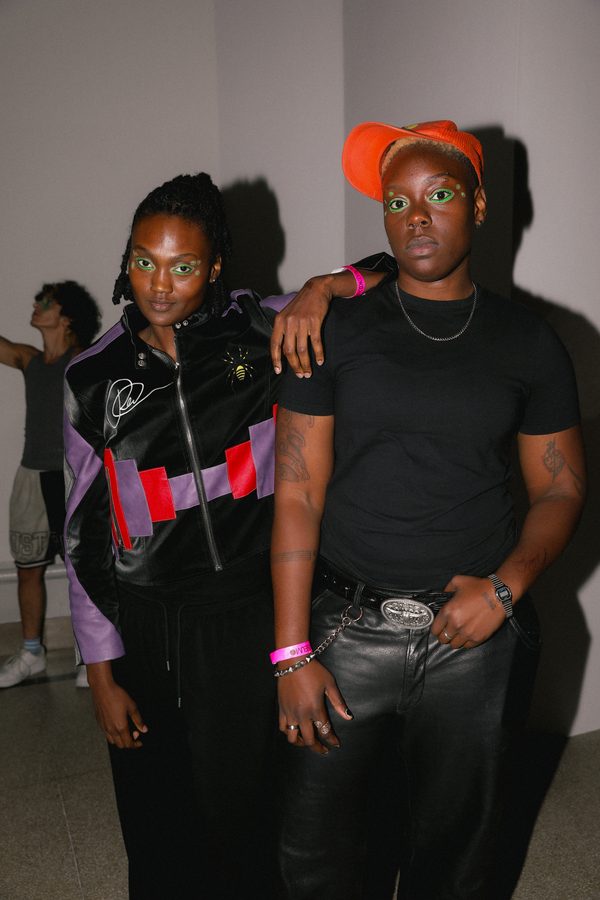
Behind the Curtains: The Mechanics of Community
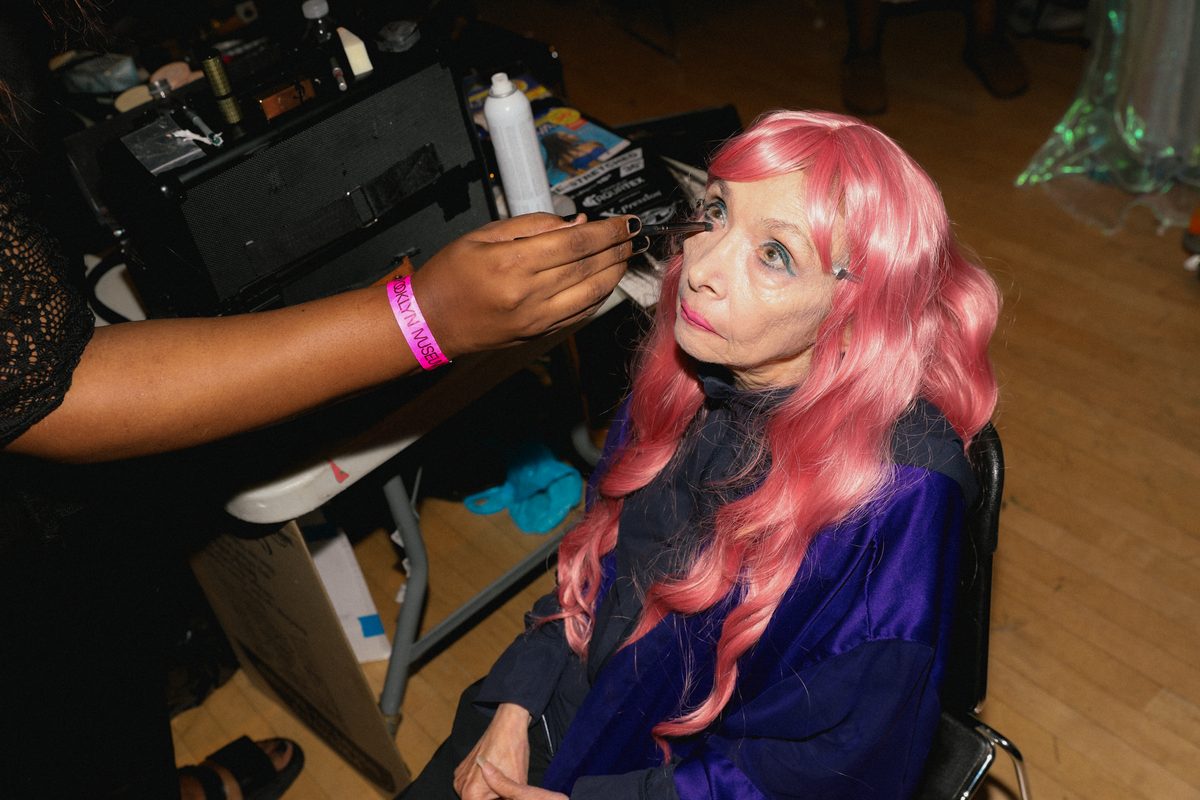
While the runway spectacle draws the largest crowds, the structural integrity of the event is built backstage. In the traditional fashion industry, backstage environments are frequently characterized by high-pressure, competitive dynamics. In contrast, the dapperQ ecosystem operates on a model of communal affirmation.
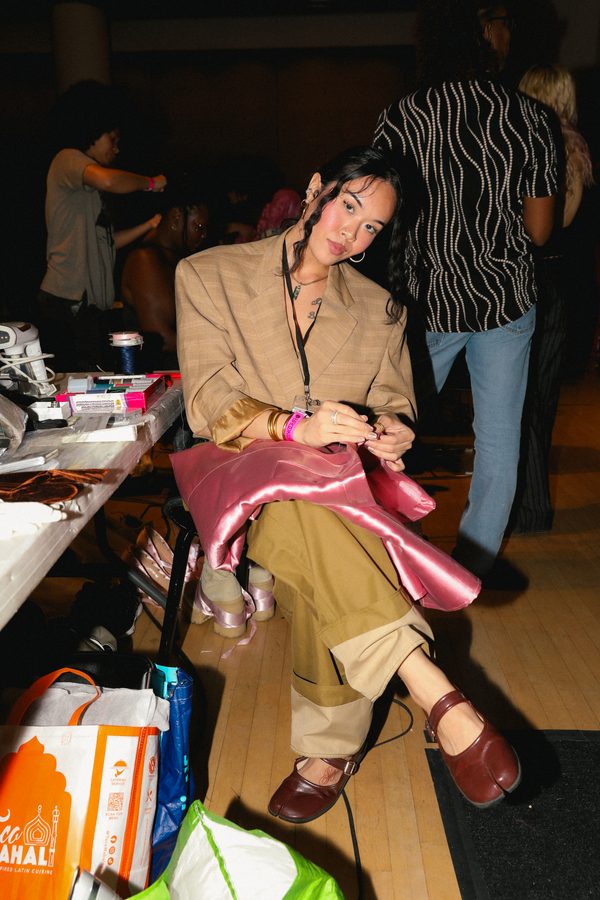
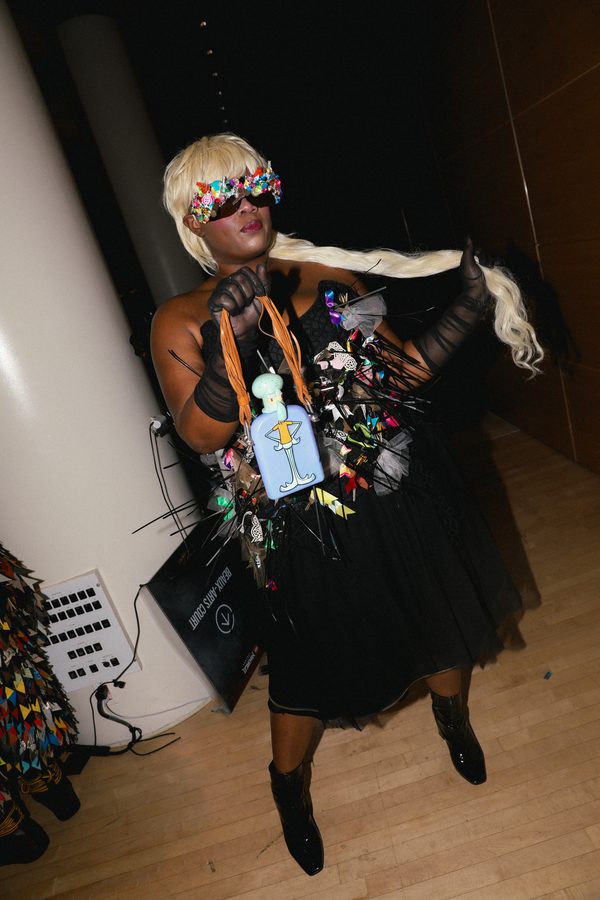
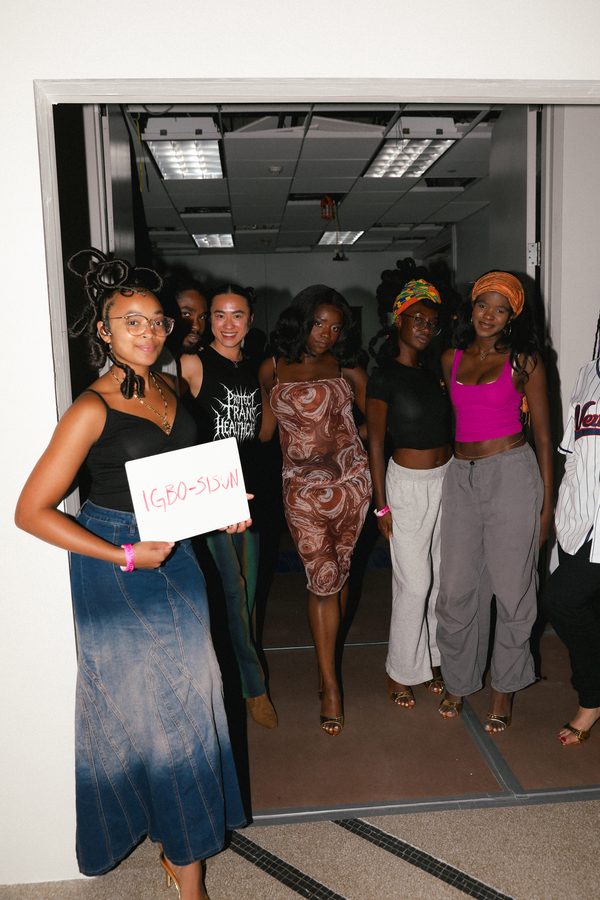
Professional accounts from participants suggest that this environment serves as a "portal" to an alternative industry experience. Designers such as those behind the labels IGBO-SISUN, Llessur, Dykemint, and Harley De Oliveira work in proximity, often cross-pollinating ideas and fostering a collaborative atmosphere. This is evidenced by the meticulous attention to detail—such as the creation of avant-garde garments, including one notable dress composed of 8,000 straws—that highlights a commitment to sustainable innovation and material experimentation that often goes unrewarded in mass-market fashion.
Supporting Data and Industry Context
The rise of dapperQ coincides with a broader shift in consumer demographics. According to recent data from the Williams Institute at UCLA School of Law, the LGBTQ+ population in the United States has reached record highs, with a significant portion of Gen Z identifying as queer or gender-nonconforming. This demographic shift has created a tangible economic demand for fashion that rejects binary categorization.
Mainstream luxury brands have begun to respond to this market pressure, often through "gender-neutral" collections. However, industry analysts note a distinct difference between "gender-neutral" marketing—which often relies on minimalist, androgynous aesthetics—and the work presented at dapperQ, which centers on the lived experience of queer identity. The dapperQ runway provides a vital counter-narrative, proving that gender-expansive fashion is not merely a trend but a fundamental requirement for a large and growing segment of the global population.
Chronology of Influence
- 2009: dapperQ launches as an online platform dedicated to masculine-of-center style, filling a void left by mainstream fashion magazines.
- 2014: The first live dapperQ runway show takes place, establishing a physical presence during New York Fashion Week.
- 2017–2020: The platform expands its roster of international designers, creating a global network of queer talent.
- 2023: The organization deepens its partnership with the Brooklyn Museum, formalizing its status as an artistic institution.
- 2026: The "Legacy" season marks the eleventh installment, focusing on the historical importance of queer-led fashion in the context of contemporary civil rights and social justice.
The Significance of the "Legacy" Theme
The choice of "Legacy" as the theme for the eleventh season was not merely aesthetic; it was a deliberate assertion of historical permanence. By choosing to host the show within the hallowed halls of the Brooklyn Museum, dapperQ asserts that the artistry of queer and trans designers deserves the same preservation and academic rigor as any other artistic movement.
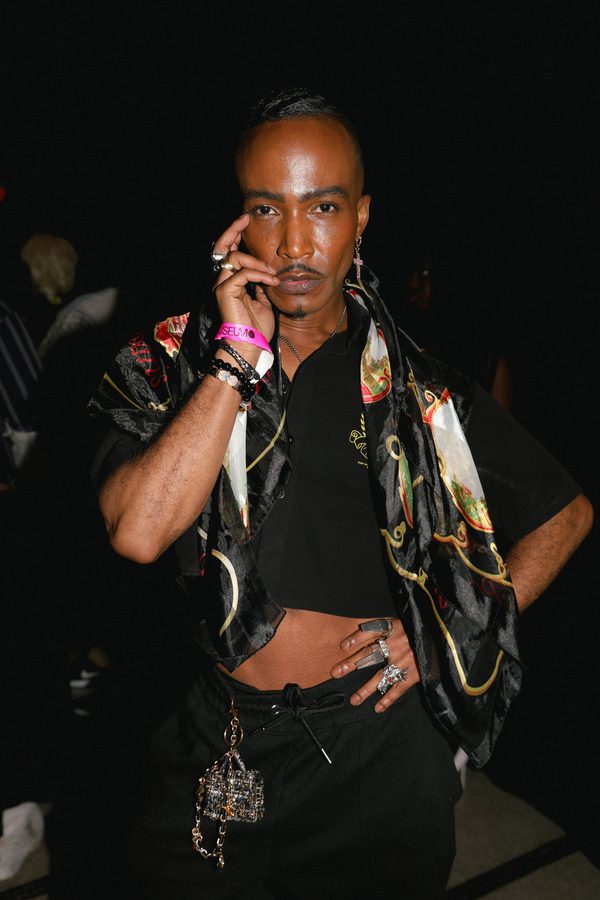
Industry observers have noted that this "in-real-time" exhibit allows the models and designers to reclaim their place in history. In a period where LGBTQ+ rights are being legislated against in various regions, the act of occupying a prominent, public, and intellectual space like the Brooklyn Museum becomes a profound act of resilience. The show does not ignore the "horrors of the outside world"—a reality faced by many in the community—but instead uses the runway to transmute that grief into a collective, visible strength.
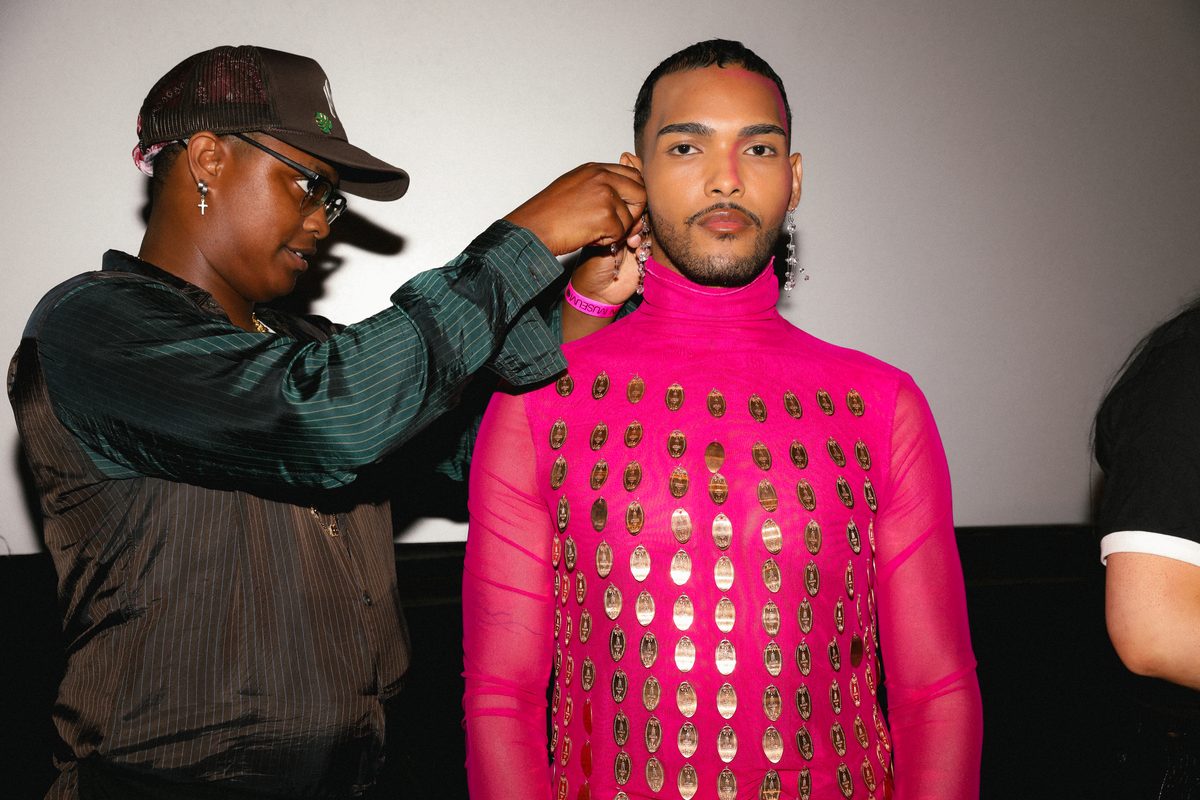
Official Perspectives and Artistic Contributions
While dapperQ operates independently, its influence has been acknowledged by the wider fashion community. Runway coordinators, such as Buffy Sierra, have been instrumental in bridging the gap between independent queer designers and professional production standards. The success of the "Legacy" show is a testament to the organizational capability of a team that functions entirely "by-queer, for-queer."
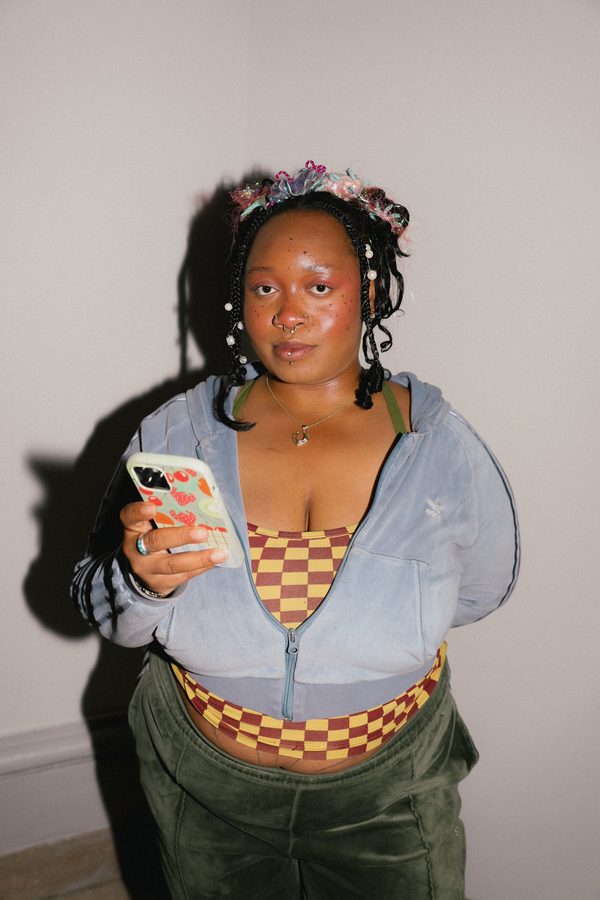
The designers involved, including those representing emerging labels like Soid Studios and Jasmine Knits, have consistently emphasized the importance of being "in the room" when the decisions are made. By calling the shots, these creators are dismantling the traditional model where designers are expected to compromise their identity to fit into the industry’s existing silos.
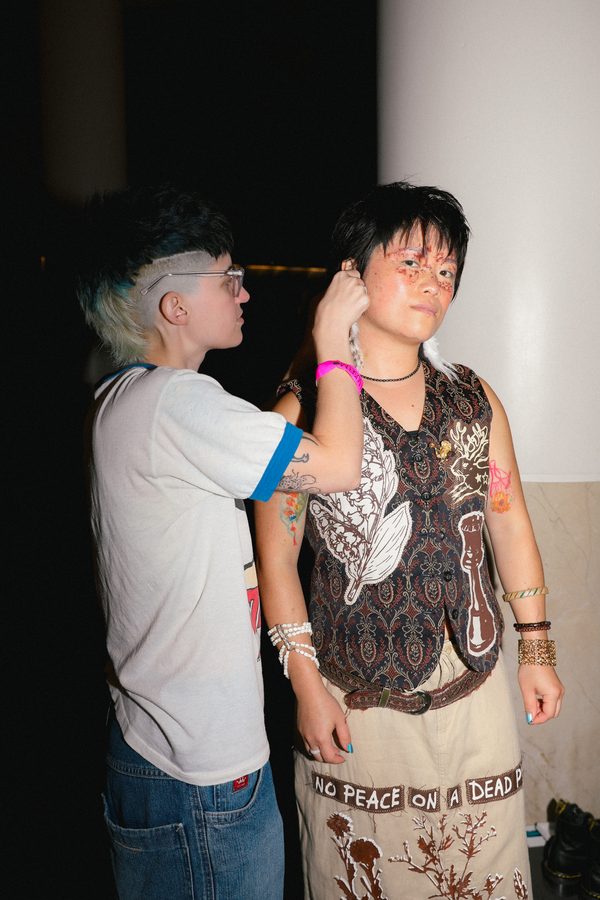
Broader Impact and Future Implications
The long-term implication of dapperQ’s success is the forced evolution of the broader fashion industry. As more consumers demand transparency and authenticity, the "dapperQ model"—which prioritizes the artist over the conglomerate—is becoming an increasingly attractive alternative.
- Supply Chain Sustainability: By encouraging the use of unconventional materials and upcycled fabrics, these designers are leading the way in sustainable fashion practices.
- Market Diversification: The success of the show serves as a business case for brands to invest in diverse creative leadership rather than merely tapping into queer culture for seasonal campaigns.
- Institutional Validation: The ongoing partnership with the Brooklyn Museum signals a shift in how museums and art institutions engage with subcultures, moving toward a collaborative rather than extractive relationship.
As the industry looks toward the next decade, the "Legacy" established by dapperQ will likely serve as a blueprint for other marginalized groups seeking to establish their own platforms. The show has successfully proven that fashion is more than a commercial endeavor; it is a vital tool for community building, a medium for political expression, and a mechanism for reclaiming the narrative in an industry that has historically been closed to the very people who inspire its greatest innovations.
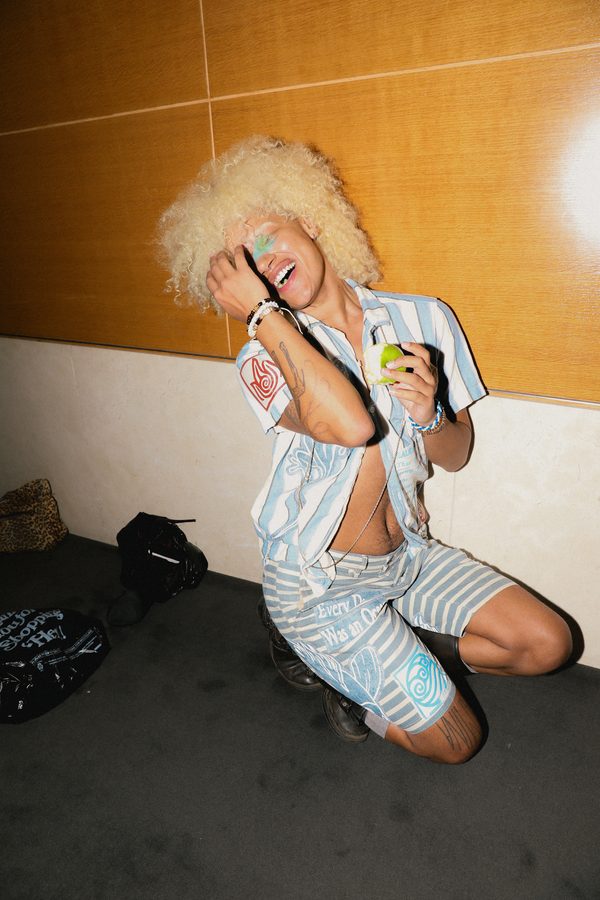
By continuing to uplift future generations of LGBTQ+ trendsetters, dapperQ is ensuring that the story of fashion is no longer written by the few, but by the many who have been waiting to take their rightful place at the center of the stage. The runway at the Brooklyn Museum remains, as it has for over a decade, a beacon for those who choose to create their own history, one look at a time.