
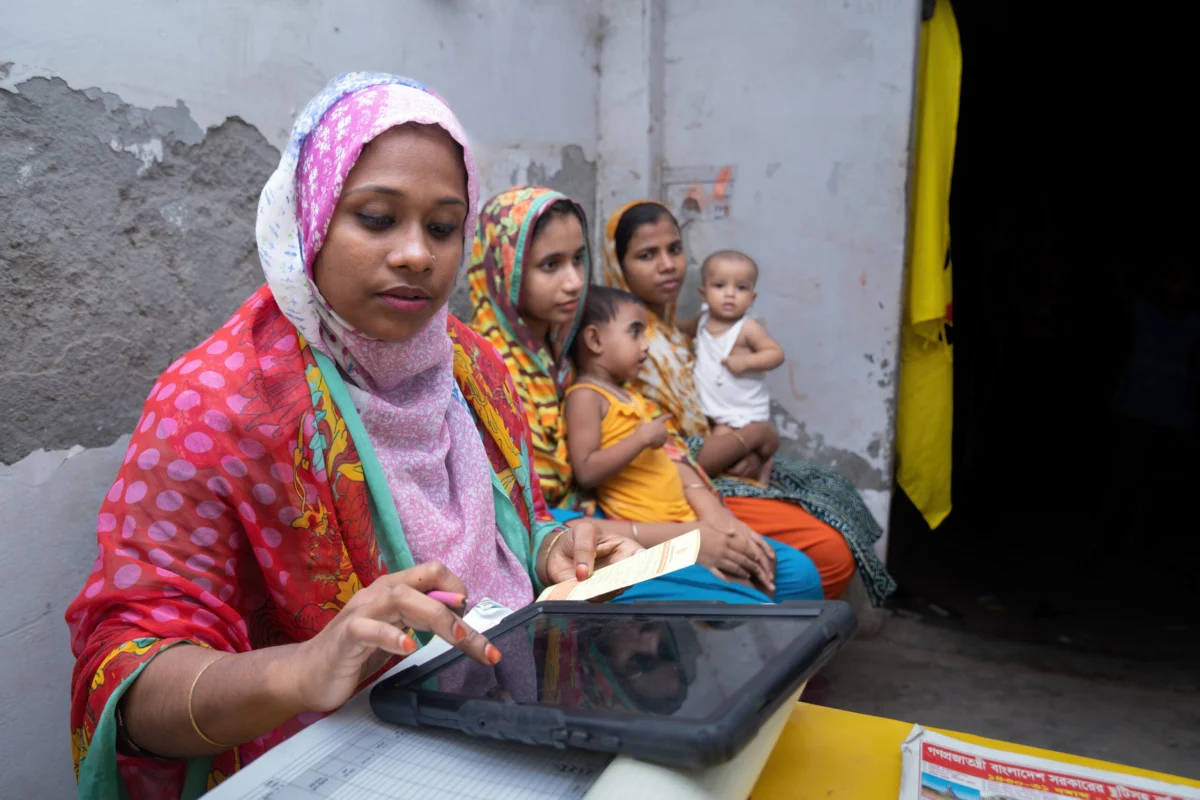
Reaching zero-dose and under-immunized children remains one of the most persistent and complex challenges in contemporary global public health. These vulnerable populations—often hidden within remote geographic terrains, marginalized urban settlements, or communities plagued by profound financial and infrastructural constraints—frequently fall through the cracks of routine immunization schedules. National vaccination coverage estimates often mask severe subnational disparities, hiding pockets where children receive few or no routine vaccines. Addressing this disparity requires far more than broad national campaigns; it demands granular evidence, localized programmatic adaptations, and highly responsive technical support tailored to the complex realities on the ground.
From 2022 through 2026, JSI stepped forward to address these systemic hurdles by serving as the global learning partner for the Gavi-funded Zero-Dose Learning Hub (ZDLH). Operating in close collaboration with key consortium partners, including the International Institute of Health Management Research and The Geneva Learning Foundation, JSI spearheaded an ambitious initiative to support Country Learning Hubs across Bangladesh, Mali, Nigeria, and Uganda. The primary mandate of this coalition was to generate, synthesize, and apply actionable evidence to identify and effectively reach zero-dose (ZD) and under-immunized (UI) children. As the initiative reaches its conclusion, its extensive framework, sophisticated methodology, and rich suite of implementation tools offer vital lessons for the broader international health community.
A Hub-and-Spoke Model: The Architecture of the Zero-Dose Learning Hub
Designed at its inception to bridge the persistent chasm between macro-level global guidelines and micro-level country realities, the ZDLH adopted an innovative hub-and-spoke learning model. In this ecosystem, Country Learning Hubs functioned as vital domestic engines, continuously generating rigorous programmatic data and localized evidence with a sharp focus on subnational realities. Simultaneously, JSI and its global consortium partners provided overarching technical assistance, synthesized cross-cutting evidence, facilitated knowledge translation, and promoted cross-country peer learning.
This bidirectional flow of information was essential to the project’s success. Rather than operating under a top-down paradigm where global mandates dictated local actions, the ZDLH inverted the traditional framework. The operational experiences, contextual questions, and institutional constraints identified directly by frontline country teams actively shaped the global learning agenda. By treating local implementation research as a driving force, the ZDLH ensured that the resulting interventions were rooted in the lived experiences of caregivers, community health workers, and district-level managers.
Chronology of the Initiative: Implementation and Evolution from 2022 to 2026
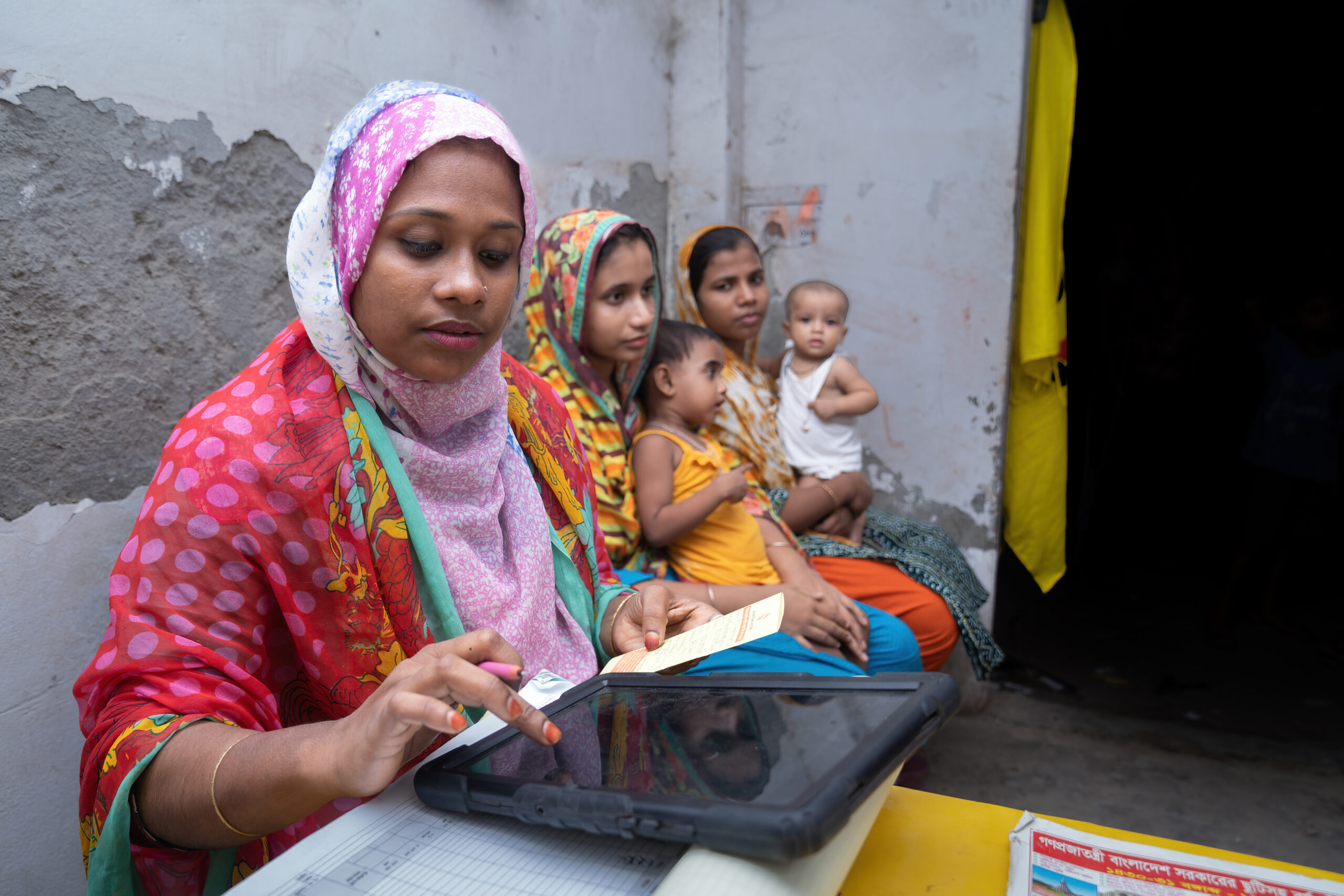
The trajectory of the Zero-Dose Learning Hub reflects a carefully phased implementation timeline structured to maximize local ownership and long-term sustainability.
During the initial phase in 2022, the consortium focused heavily on establishing Country Learning Hubs in Bangladesh, Mali, Nigeria, and Uganda. This foundational period involved setting up governance structures, forging partnerships with local research and academic institutions, and identifying key data gaps related to zero-dose clustering. Teams deployed qualitative rapid assessments and household surveys to pinpoint the precise barriers keeping children unimmunized, ranging from social norms and vaccine hesitancy to severe supply chain bottlenecks and logistical hurdles.
Between 2023 and 2024, the initiative transitioned from exploratory research to active evidence generation and piloting. Country teams began testing localized intervention strategies while JSI rolled out its demand-driven technical assistance model. During this period, recurring operational roadblocks—such as difficulties in evaluating complex community-level strategies, estimating the true incremental costs of reaching marginalized populations, and monitoring coverage at decentralized administrative levels—surfaced repeatedly across multiple countries.
In the final phase spanning 2025 to 2026, the focus shifted decisively toward institutionalization, knowledge translation, and the codification of global public goods. Recognizing that recurring implementation challenges in Bangladesh, Mali, Nigeria, and Uganda reflected broader systemic gaps in global health guidance, JSI synthesized these country-level lessons into reusable, adaptable toolkits. As the project formally concludes in 2026, the emphasis has shifted entirely to ensuring that these resources are widely disseminated, adopted by national governments, and integrated into Gavi’s broader strategic planning for its subsequent strategic periods.
Demand-Driven Technical Assistance as a Catalyst for Change
A defining characteristic of JSI’s tenure as the global learning partner was its steadfast commitment to demand-driven technical assistance. In traditional international development frameworks, technical assistance frequently takes the form of a standardized, pre-packaged set of training modules or supervisory templates deployed uniformly across diverse settings. JSI rejected this one-size-fits-all approach, operating instead as a dedicated thought partner alongside national and subnational health teams.
This consultative methodology meant that technical support was dynamically adapted to the specific needs emerging from implementation research. When a country team encountered a methodological roadblock in conducting household surveys or interpreting subnational coverage data, JSI provided direct operational troubleshooting and technical reviews. Furthermore, when similar bottlenecks surfaced independently across multiple countries, JSI recognized these recurring pain points as signals of broader deficiencies in global health architecture. Over time, this responsive loop transformed localized hurdles into structured opportunities for global tool development.
Fostering Collaboration: Perspectives from the Ground
The success of the ZDLH hinged on multi-sectoral collaboration, bridging academic institutions, nongovernmental organizations, ministries of health, and community-level actors. Stakeholders across the four focus countries routinely emphasized the value of embedding evidence generation directly into routine programmatic workflows.
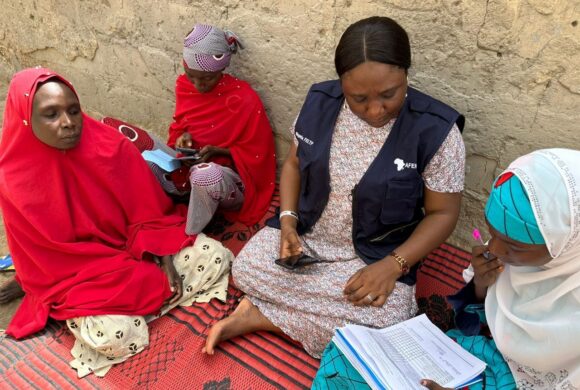
"Working closely with local health authorities and community structures has fundamentally changed how we understand immunization dropouts," noted a senior coordinator from the Nigeria Learning Hub, implemented through the African Field Epidemiology Network (AFENET). "By engaging households directly and analyzing data at the district level, we moved away from guessing why children were missed and began designing precise, evidence-backed outreach strategies."
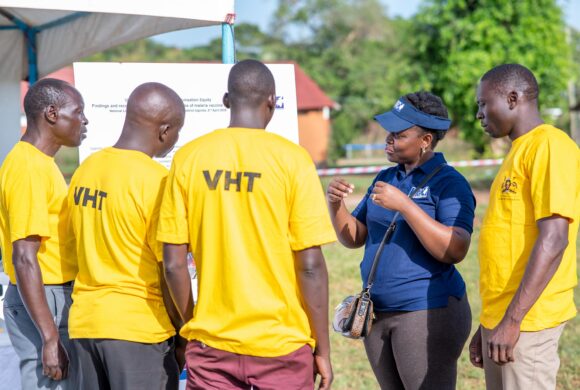
Similarly, public health officials in Uganda highlighted how the bidirectional learning model empowered decentralized health teams. Through close cooperation with the Uganda Learning Hub and initiatives involving Village Health Teams, district managers gained the analytical capacity to track zero-dose pockets that traditionally remained invisible in national aggregate reports. This grassroots engagement not only strengthened immunization delivery but also fostered lasting trust between formal health systems and historically underserved communities.
Building a Legacy: The ZDLH Suite of Practical Tools
Rather than producing theoretical reports destined to sit on shelves, the ZDLH generated an extensive suite of practical, highly actionable toolkits designed to close critical gaps in global health execution. These resources directly address four persistent constraints: evaluation complexity, financial transparency, decentralized monitoring, and knowledge translation.
The Theory-Based Evaluation Toolkit was developed to address the acute need for evaluation methodologies capable of navigating complex, rapidly changing implementation environments. Traditional experimental designs are frequently impractical or unethical in dynamic public health settings. JSI’s toolkit provides a practical framework for strengthening causal logic, making underlying programmatic assumptions explicit, and fostering adaptive management by helping teams understand not only whether an intervention succeeded, but precisely why, under what conditions, and through what causal pathways.
Addressing the severe global shortage of cost data for reaching marginalized populations, the Costing Toolkit offers a transparent, bottom-up, ingredients-based approach for estimating incremental retrospective costs. For program planners and national budget authorities, understanding cost drivers and potential efficiencies is vital for financial sustainability, advocacy, and successful scale-up. The toolkit enables teams to identify potential funding gaps before they compromise service delivery.
To combat the masking effect of national coverage averages, JSI engineered the Lot Quality Assurance Sampling (LQAS) Toolkit. Designed specifically to support decentralized monitoring and decision-making, LQAS allows local program managers to classify supervision areas against specific immunization coverage targets rapidly. By providing operational guidance, decision rules, and step-by-step templates, the toolkit empowers districts to pinpoint exact geographic pockets where corrective action is urgently required.
Finally, recognizing that robust research findings rarely translate automatically into policy or clinical practice, JSI created the Knowledge Translation Toolkit. Accompanied by specialized measurement guidance, this resource equips public health teams to systematically plan stakeholder engagement, tailor complex scientific messages for diverse decision-makers, and track progress along the entire knowledge translation continuum—from initial dissemination and transmission to acquisition, application, and measurable public health impact.
Broader Implications and Future Outlook for Global Health
The lessons gleaned from the Zero-Dose Learning Hub extend far beyond the realm of routine immunization. The core challenges tackled by JSI and its consortium partners—evaluating multifaceted strategies, accurately estimating localized costs, maintaining rigorous decentralized surveillance, and bridging the persistent gap between data generation and actionable policy—are universal across nearly all sectors of international public health.
As global health financing evolves and institutions like Gavi look toward future strategic periods, the ZDLH model provides a clear blueprint for maximizing the impact of investments in country-led learning. The initiative has demonstrated conclusively that sustainable progress in health systems strengthening depends on listening to local actors, respecting country ownership, and transforming recurring implementation hurdles into standardized, publicly accessible global goods.
As the Zero-Dose Learning Hub concludes its active programming cycle, its true legacy is not merely the volume of data generated or the specific toolkits published, but an institutionalized methodology of work. By empowering country teams to ask sharper questions, utilize evidence more critically, and construct practical solutions to stubborn operational barriers, JSI has left an indelible mark on global health practice. The proven principles of demand-driven technical assistance, adaptive implementation research, and intentional knowledge translation stand ready to fortify health programs worldwide, ensuring that no child—regardless of geography or circumstance—is left behind.




