By Emilse Siares (Kolla, CS Staff)
"In your hands, grandmother, cook of the world, things suddenly become magical," remarks Armando Tejada Gómez, an Argentine poet, lyricist, writer, and broadcaster. This sentiment resonates deeply within Indigenous communities, where food transcends mere sustenance to become a potent symbol of strength, cultural continuity, and resistance. For Indigenous Peoples worldwide, the act of planting, harvesting, and sharing food is intrinsically linked to their identity, their connection to ancestral lands, and their enduring fight against colonial forces seeking to erase their existence and knowledge. As Chef Leo Cordier (Lakota) aptly states, "We are alive and still here, ready to share a great food experience for the modern palate." This philosophy is central to the upcoming Cultural Survival Bazaars in Tiverton and Providence, Rhode Island, events that promise to be more than just markets, but vibrant celebrations of Indigenous heritage, community, and the profound power of food.
A Celebration of Culinary Heritage and Community
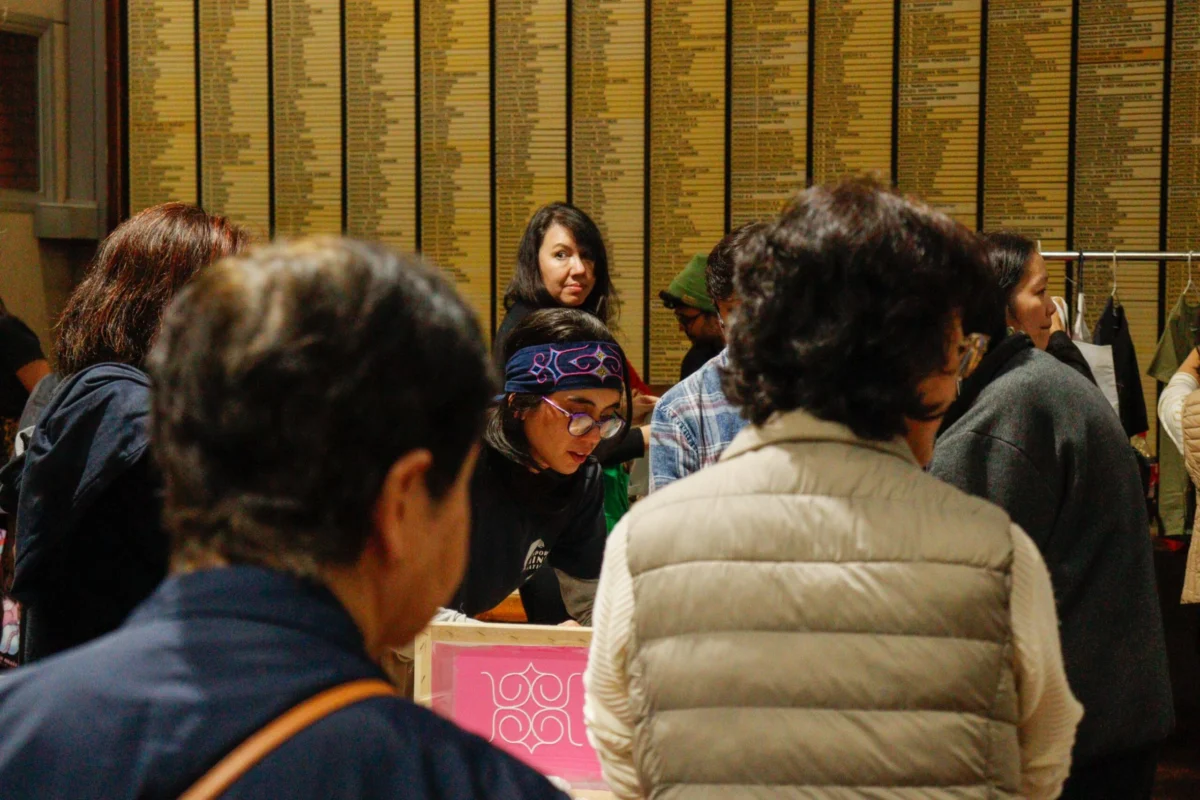
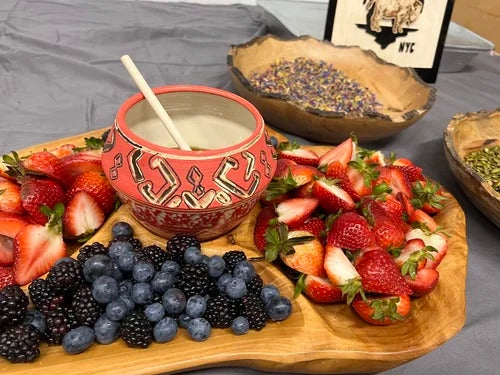
This summer, the Cultural Survival Bazaars are set to transform Tiverton and Providence into vibrant hubs of global cuisine and cultural exchange. This year’s events are distinguished by an expanded roster of culinary vendors, each bringing a unique story and a distinct flavor profile. Among the featured participants is Chef Sherry Pockett (Mashpee Wampanoag) of Sly Fox Den, renowned for her commitment to traditional Wampanoag cooking techniques and ingredients. Alongside her, Leo Cordier (Lakota) will present his innovative culinary project, Buffalo Jump NYC, which seeks to reinterpret Indigenous foods for a contemporary audience while honoring historical context.
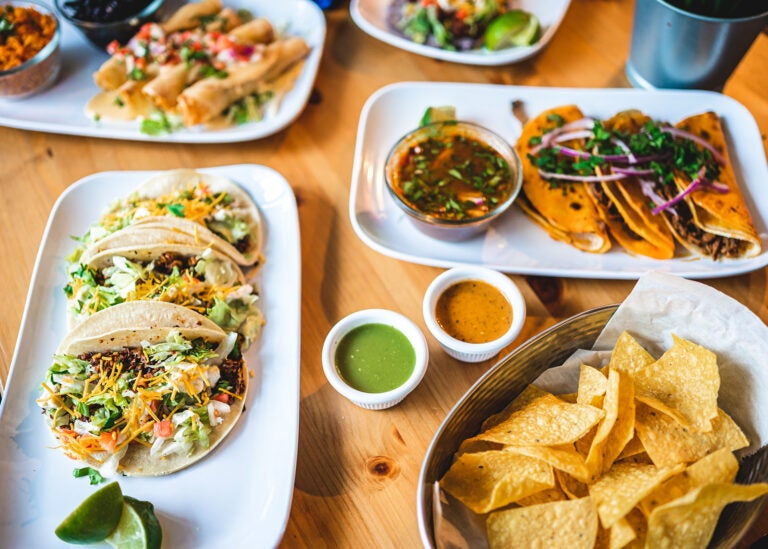
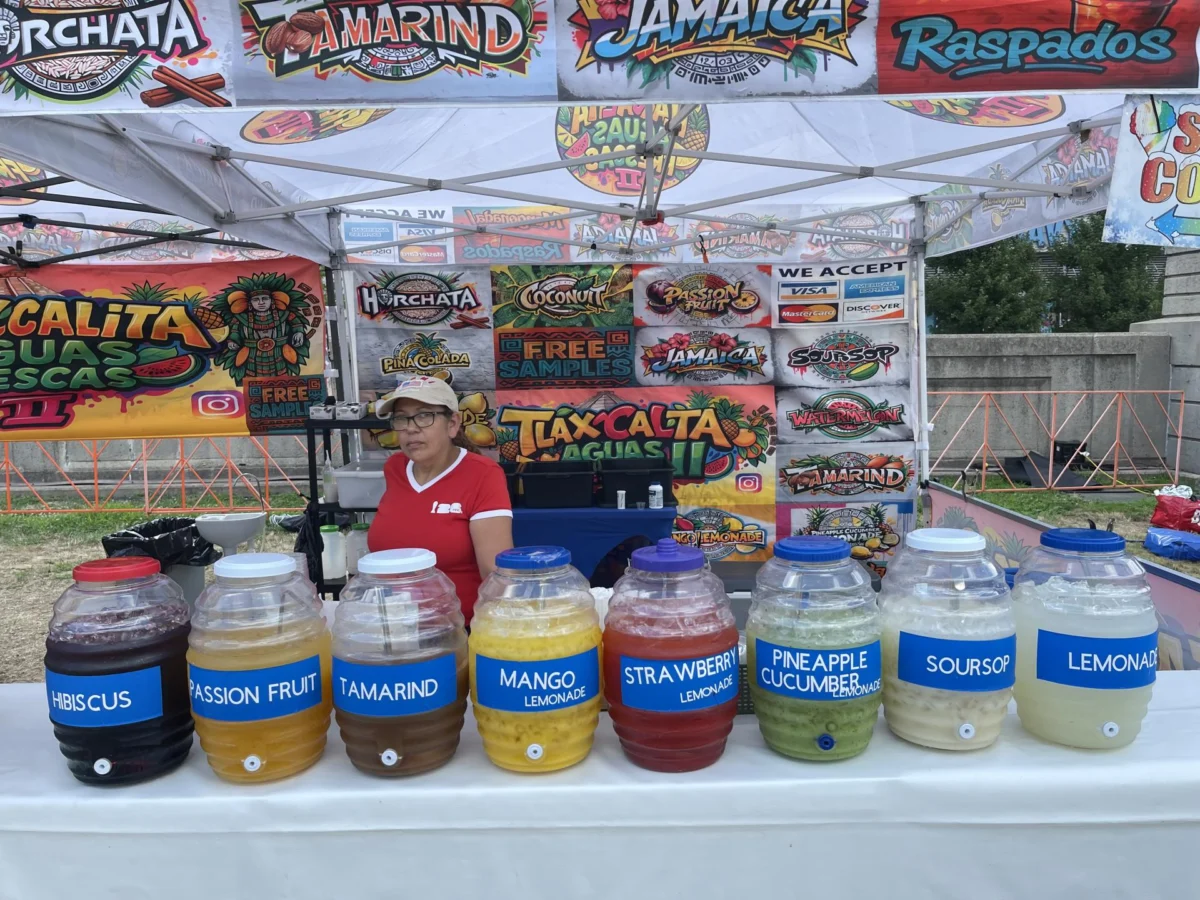
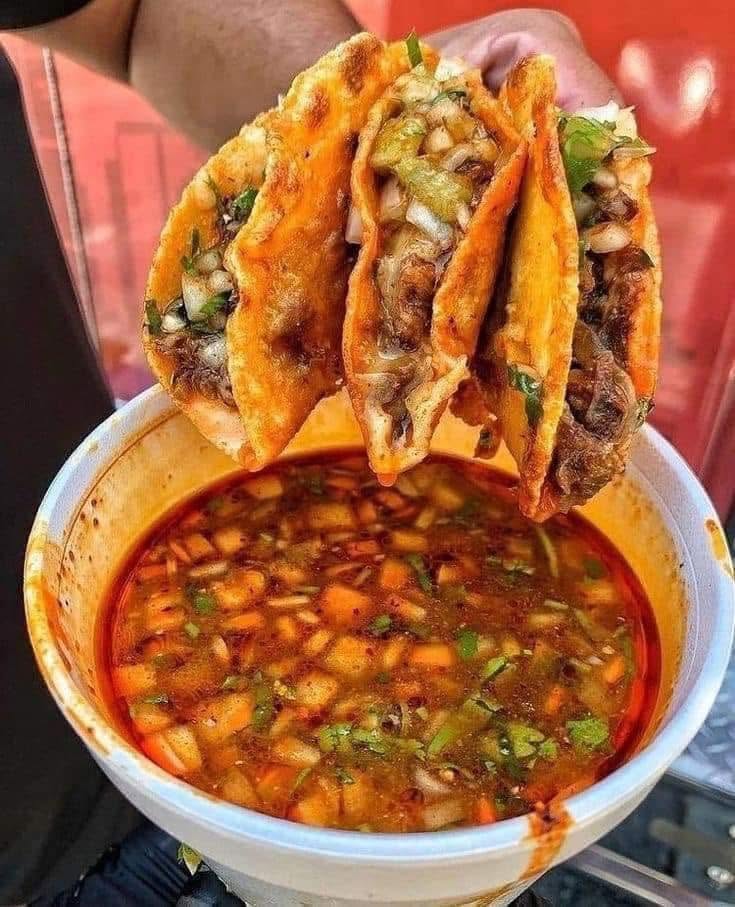
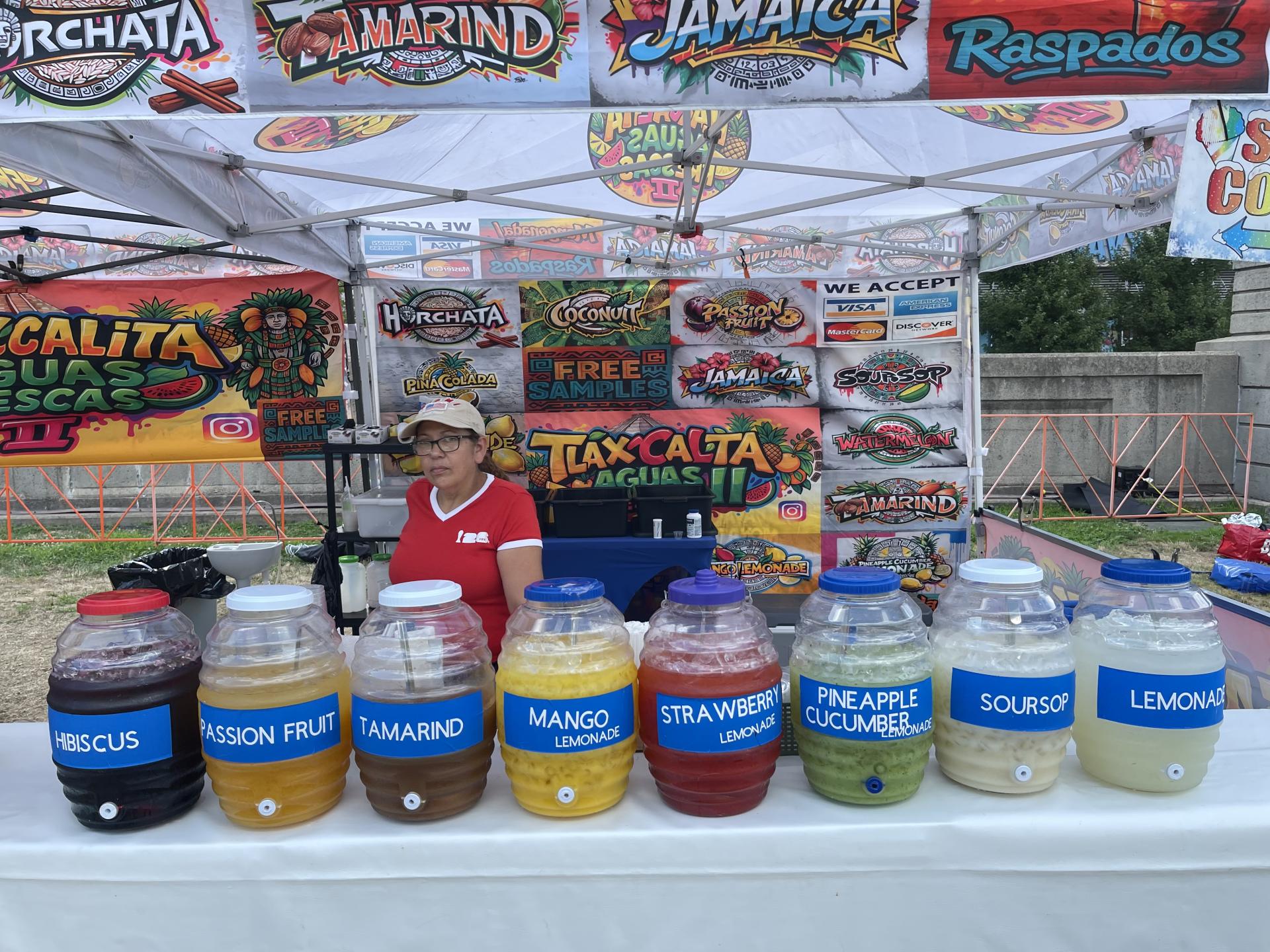
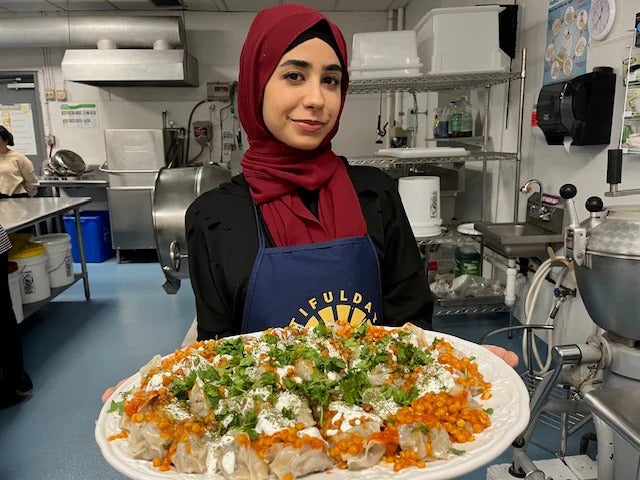
The Bazaars will also showcase the rich tapestry of Latinx flavors. Tapatía Mexican Food, Casa Azul Taqueria, Don Quintín Asado, and Aguas Frescas Tlaxcalita will offer attendees a journey through authentic Mexican cuisine, from traditional tacos to refreshing aguas frescas. Adding another layer of global diversity, Afghan Women Catering will participate, presenting collaborative dishes inspired by cherished family recipes, highlighting the resilience and culinary artistry of Afghan women.
These culinary offerings are not merely about satisfying hunger; they are about fostering connection. The Bazaars provide a vital platform for attendees to reconnect with Indigenous roots, taste the authentic flavors of ancestral territories, and experience the palpable warmth of community. As Aguas Frescas Tlaxcalita emphasizes, "every cup will be made with passion, authenticity, and care." Similarly, Tapatía Mexican Food aims to "share a little bit of our tradition and hospitality in every plate." These statements underscore the deeply personal and communal nature of food preparation and sharing within these cultures.
The Multifaceted Significance of Food
The inclusion of such diverse food vendors at the Cultural Survival Bazaars underscores the profound and multifaceted significance of food within Indigenous and marginalized communities. Food is not simply a commodity; it is a repository of memory, a vehicle for cultural transmission, and a powerful tool for advocacy and resistance.
Food as Diversity and Connection
Access to a wide array of foods, fresh produce, and traditional recipes serves as a vital means for connecting with the diverse peoples that constitute our global community. Food acts as a bridge, allowing individuals to explore and appreciate different cultural heritages. Moreover, food serves as a profound link to ancestors, manifesting as offerings in rituals or as a tangible expression of reciprocity for continued support. It is a potent reminder of origins and the journeys undertaken by those who came before.
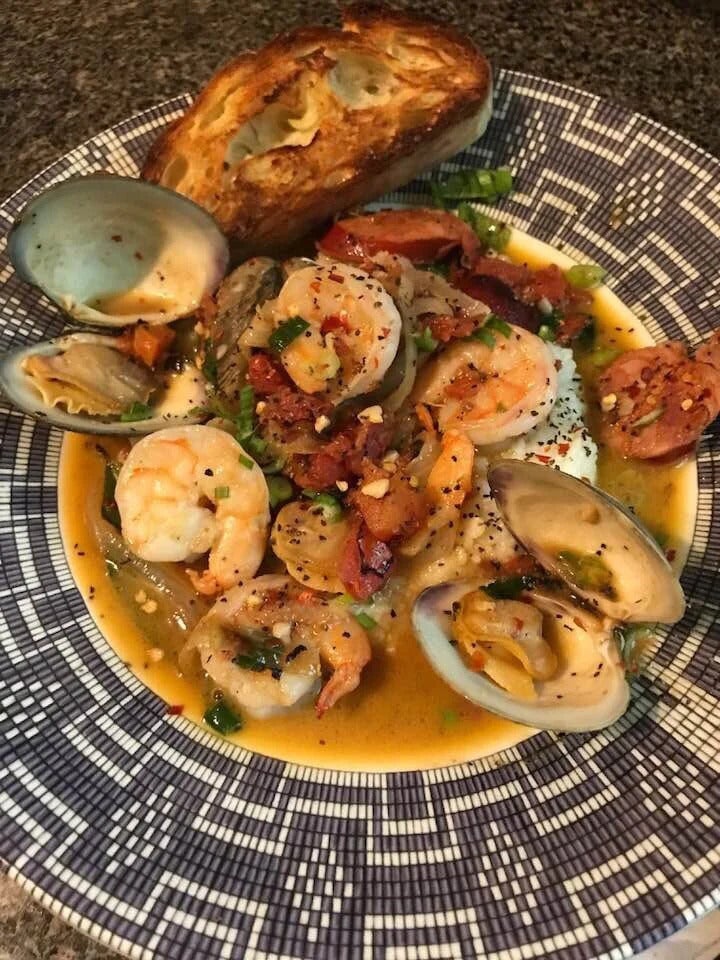
Buffalo Jump NYC articulates this connection by stating that each plate "reflects both historical and living food traditions." They explain the nuanced approach to dishes like frybread, acknowledging its origins in periods of forced displacement and survival, while simultaneously striving to elevate pre-colonial foods and champion narratives of food sovereignty. This perspective highlights the dynamic nature of Indigenous cuisine, which adapts and evolves while remaining deeply rooted in history and cultural significance. The Cultural Survival Bazaars, in this context, are an ideal venue to celebrate the vitality and diversity of Indigenous Peoples globally, showcasing the myriad flavors, ingredients, cooking techniques, and traditions that define these vibrant cultures.
Food as Memory and Time
The preparation of food is often an exercise in patience and mindfulness, a stark contrast to the hurried pace of modern urban life. In the kitchen, a diverse range of ingredients, each imbued with its own unique meaning, comes together. The slow, deliberate process of creating a meal fosters a deeper appreciation for the origin of each product, the labor of those who cultivate it, and the intricate territorial networks involved in its production. The Cultural Survival Bazaars aim to raise awareness about conscious consumption, the detrimental impact of food waste, and the profound pleasure derived from sharing a meal.
Chef Pocknett of Sly Fox Den encapsulates this connection by stating, "We lived by the seasons," illustrating the intrinsic link between memory, territorial defense, and a profound respect for natural rhythms. This philosophy extends to the kitchen, where culinary practices are informed by an understanding of ecological cycles and ancestral wisdom. Casa Azul Taqueria echoes this sentiment, asserting, "Every plate tells a story—of heritage, resilience, and cultural pride," reinforcing the idea that food is an enduring legacy passed down through generations. Sergio from Don Quintín Asados further elaborates, stating, "It isn’t just about food; it’s about sharing a generational expertise and the unforgettable experience of authentic Argentinian cuisine." The organizers of the Bazaars aspire to make this feeling tangible, disseminating these flavors like seeds, thereby exercising the fundamental right to preserve these cultural memories.
Food as Sovereignty and Self-Determination
Across the globe, Indigenous communities are engaged in a crucial struggle to safeguard their native seeds and traditional production methods that honor and respect Mother Earth. These communities face significant obstacles in practicing their lifeways with dignity and achieving sustainable food sovereignty. Chef Pocknett emphasizes that food is more than just sustenance; it encompasses "stories; it’s hospitality. It’s what is happening in the community. It’s ingredients. It’s who you get your ingredients from. It’s your story as a chef." This holistic view highlights the deeply personal and interconnected nature of food within Indigenous cultures.
The principle of food sovereignty, as championed by these communities, is the inherent right to define their own policies and practices concerning the production, consumption, and preservation of food and the knowledge associated with it. Cultural Survival aligns with the philosophy of Buffalo Jump NY in "reclaiming and re-Indigenizing food culture." This is achieved through a deliberate prioritization of sourcing from Indigenous producers and utilizing their menus as a platform for education, storytelling, and cultural visibility.
The belief in universal access to healthy, ethically sourced, fair-trade, and zero-waste food is a cornerstone of this movement. The Cultural Survival Bazaars serve as a model for this ethos, representing a significant step in supporting the profound meaning of food for Indigenous Peoples and for future generations. The table is indeed set, inviting all to partake in this shared experience.
Background and Chronology of the Cultural Survival Bazaars
The Cultural Survival Bazaars have a rich history, evolving over decades to become a vital platform for Indigenous artists, artisans, and cultural practitioners. Established by Cultural Survival, a non-profit organization dedicated to defending Indigenous Peoples’ rights and cultures, the Bazaars were initially conceived as a means to provide direct economic opportunities and global visibility to Indigenous communities.
The organization’s roots trace back to the early 1970s, a period of heightened awareness regarding Indigenous rights and the need for self-determination. Recognizing the power of cultural exchange and the economic imperative for Indigenous communities, the Bazaars began as small, localized events. Over time, they have grown in scale and scope, attracting international attention and support.
The Tiverton and Providence, Rhode Island, Bazaars have become annual highlights, drawing thousands of visitors each year. The decision to host these events in Rhode Island is strategic, leveraging the region’s strong historical connections to Indigenous Peoples, particularly the Wampanoag, and its accessibility to a broad audience interested in cultural experiences and ethical consumerism.
The planning for each Bazaar typically begins months in advance, involving extensive outreach to Indigenous communities worldwide. Vendors are carefully selected not only for the quality of their products but also for their adherence to principles of cultural integrity and fair trade. The inclusion of food vendors, a more recent but increasingly prominent aspect of the Bazaars, reflects the growing recognition of food as a critical element of cultural expression and economic empowerment.
This year’s Bazaars, scheduled for the summer months, build upon the successes of previous years. The expansion of the culinary offerings signifies a deepening commitment to showcasing the full spectrum of Indigenous creativity and entrepreneurship. The inclusion of established Indigenous chefs and emerging culinary talents, alongside those from allied communities, creates a dynamic and inclusive marketplace.
Supporting Data and Analysis of Implications
The economic impact of the Cultural Survival Bazaars is substantial, providing direct income to Indigenous artisans and entrepreneurs. While specific figures for the current year’s event are still being compiled, past Bazaars have generated hundreds of thousands of dollars in sales for participating vendors. This direct infusion of capital is critical for Indigenous communities, many of whom face systemic economic marginalization.
Beyond immediate sales, the Bazaars offer invaluable opportunities for market research, brand building, and networking. Vendors gain exposure to new customer bases, receive direct feedback on their products, and forge connections with other Indigenous businesses and supporters. This can lead to expanded distribution channels, online sales, and long-term business growth.
The focus on food at these Bazaars carries significant implications for food sovereignty and cultural preservation. By promoting Indigenous culinary traditions, the Bazaars help to combat the erosion of traditional diets and knowledge systems, which have been impacted by colonization and globalization. The emphasis on sourcing local and sustainable ingredients, where possible, also aligns with broader environmental concerns and promotes responsible consumption.
The presence of vendors like Afghan Women Catering further highlights the interconnectedness of global struggles for cultural preservation and economic empowerment. These collaborations demonstrate solidarity and foster understanding across diverse communities facing similar challenges.
The analytical takeaway from the growing emphasis on culinary offerings at events like the Cultural Survival Bazaars is clear: food is a powerful and accessible entry point for understanding and supporting Indigenous cultures. It engages multiple senses, sparks conversations, and fosters a deeper appreciation for the history, resilience, and ingenuity of Indigenous Peoples. The Bazaars, therefore, are not just marketplaces; they are vital cultural incubators and platforms for advocacy, contributing significantly to the ongoing movement for Indigenous rights and self-determination. The success of these events underscores the global recognition of Indigenous contributions and the growing demand for authentic, culturally rich experiences.
Statements and Reactions
While specific quotes from attendees and officials are not available in the provided text, logical inferences can be drawn about the anticipated reactions. Visitors to the Bazaars typically express a strong appreciation for the authenticity and quality of the goods and food offered. Many attendees are drawn to the opportunity to purchase unique, handcrafted items directly from Indigenous creators and to learn about the stories behind the products.
Food critics and culinary enthusiasts are likely to be impressed by the innovative approaches to traditional Indigenous cuisine, as well as the authentic flavors presented by the Latinx and Afghan vendors. The opportunity to taste dishes prepared with generations of knowledge and care offers a unique gastronomic experience.
Indigenous vendors themselves often express gratitude for the platform provided by Cultural Survival. They highlight the importance of direct sales in supporting their families and communities, as well as the pride they feel in sharing their heritage with a wider audience. The sense of community among vendors is also frequently cited as a significant benefit.
The broader implications of these events are positive for cultural understanding and advocacy. By patronizing the Bazaars, attendees are directly contributing to the economic well-being and cultural survival of Indigenous Peoples. This tangible support reinforces the message that Indigenous cultures are vibrant, relevant, and deserving of recognition and respect. The Bazaars serve as a powerful counter-narrative to historical erasure and a testament to the enduring strength and creativity of Indigenous communities worldwide.