On May 7, 2026, the democratic landscape of the United Kingdom will undergo a significant shift as voters head to the polls to decide the composition of 136 English local authorities, with a total of 5,014 seats contested. While national general elections often dominate the media cycle, these local contests represent a critical juncture for addressing the systemic inequalities that define daily life for millions. Local councils are not merely administrative bodies; they are powerful entities with the jurisdiction to influence housing availability, social care standards, urban planning, and regional economic procurement. As the cost-of-living crisis continues to place unprecedented pressure on households, the 2026 elections offer a direct mechanism for residents to demand accountability and substantive policy shifts from their local representatives.
The Chronology of the 2026 Electoral Cycle
The road to the May 7 elections follows a structured legislative and civic timeline designed to ensure democratic participation. The process began in early 2026 with the formal review of ward boundaries in several jurisdictions to ensure equitable representation. By March 2026, local authorities began issuing the formal "Notice of Election," marking the start of the nomination period for candidates.
Throughout April 2026, the focus shifts to the electorate, with the deadline for voter registration typically falling three weeks prior to polling day. This period is characterized by intensive door-to-door canvassing and the publication of party manifestos. In Scotland and Wales, where voters are also electing representatives for their respective national parliaments and assemblies, the campaigning period involves a complex interplay between local issues and devolved national priorities. Following the close of polls at 10:00 PM on May 7, the counting process commences, with results expected to trickle in throughout the night and the following day, ultimately determining the political direction of local governance until 2030.
Analyzing the Crisis of Inequality in the United Kingdom
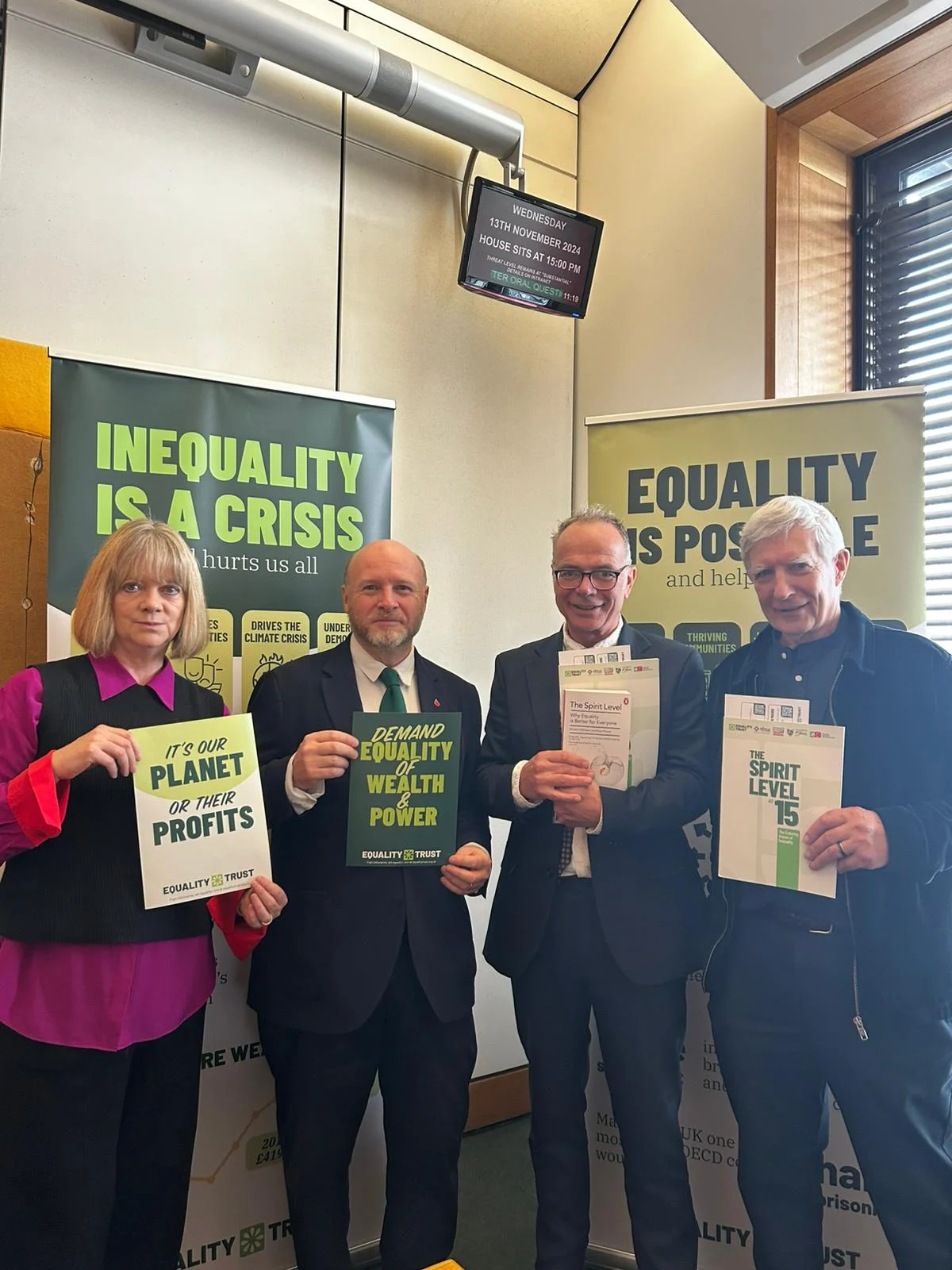
The 2026 elections take place against a backdrop of stark socio-economic disparities. Research from organizations such as The Equality Trust consistently indicates that the UK remains one of the most unequal developed nations in the world. High levels of wealth concentration among the top 1% have been linked to a variety of social ills, including lower life expectancy, reduced social mobility, and increased rates of mental health issues.
Local data provides a more granular view of this crisis. In many of the 136 authorities holding elections, the gap between the highest and lowest earners has widened over the last decade. Furthermore, the "poverty premium"—where low-income households pay more for essential goods and services—remains a persistent challenge. For voters, identifying local data through tools like the Office for National Statistics (ONS) or local authority "Joint Strategic Needs Assessments" (JSNA) is a vital first step in challenging candidates with factual evidence of local deprivation.
Strategic Priorities: Five Critical Questions for Candidates
To move beyond political rhetoric, voters are encouraged to engage candidates on specific, actionable policy areas. The following five themes represent the primary levers available to local government to combat inequality.
1. The Crisis of Affordable Housing and Urban Renewal
Housing remains the most significant expenditure for the average UK household, yet the supply of truly affordable social housing has failed to keep pace with demand. Local councils possess the legal power to drive housing policy through planning permissions and the management of council-owned stock.
Voters are increasingly asking whether candidates will commit to a "social-rent-first" policy. Beyond new builds, councils have the authority to issue Compulsory Purchase Orders (CPOs) on long-term empty properties to bring them back into the social housing pool. A candidate’s stance on resisting the further sell-off of existing council assets serves as a litmus test for their commitment to long-term community stability versus short-term fiscal gains.
2. The Implementation of the Socio-Economic Duty
A significant but often overlooked tool in the fight against inequality is the Socio-Economic Duty (SED). Contained within Section 1 of the Equality Act 2010, this duty requires public bodies to consider how their decisions can reduce the inequalities of outcome resulting from socio-economic disadvantage. Although the central government has never formally commenced this duty in England, many forward-thinking councils have voluntarily adopted it.
Adopting the SED ensures that every council decision—from closing a library to approving a new commercial development—is viewed through the lens of how it affects the most disadvantaged residents. Candidates who pledge to adopt or strengthen the SED are signaling a move toward transparent, equity-based governance.
3. Community Wealth Building and Ethical Procurement
Local authorities in England spend billions of pounds annually on goods and services. Historically, much of this procurement has favored large, multinational corporations, leading to "wealth leakage" where local tax pounds leave the community. The "Preston Model," pioneered in Lancashire, demonstrates an alternative: strategic procurement that favors local cooperatives and small businesses.
Furthermore, councils manage massive pension funds, many of which remain invested in fossil fuels or the arms trade. Voters are encouraged to ask candidates if they will support divestment from exploitative industries and reinvest those funds into local green energy projects or social enterprises that provide living-wage employment for residents.
4. Rebuilding Trust in Local Democracy
Public trust in political institutions is at a historic low. Many residents feel that local planning decisions are made behind closed doors, often in favor of powerful developers. To address this, candidates must propose concrete measures to democratize decision-making.
This includes the implementation of participatory budgeting—where residents vote directly on how a portion of the local budget is spent—and the establishment of citizens’ assemblies. Meaningful democratic reform requires moving beyond "consultation" toward genuine "co-production" of services with the people who use them.
5. Safeguarding Social Care and Essential Services
Since 2010, local government funding has seen a real-terms reduction, leading to devastating cuts in social care, youth services, and community spaces. Social care, in particular, is at a breaking point, with an aging population requiring more support while budgets shrink.
Voters should challenge candidates on how they intend to protect the most vulnerable from further austerity. This includes exploring innovative funding models and advocating for a fairer central government funding formula that recognizes the specific needs of deprived urban and rural areas.
Engagement Tactics: From Hustings to Media Advocacy
For a voter’s voice to be heard, engagement must be strategic. The 2026 campaign period offers several platforms for direct advocacy.
Public Hustings: These debates are essential for public accountability. When asking questions at a hustings, brevity and specificity are key. Voters should aim to frame their questions around the "impact on the most vulnerable," forcing candidates to move away from prepared talking points.
Broadcast Advocacy: Radio call-in shows, such as those on LBC or BBC Local Radio, provide a massive platform. Successful callers often use a "personal-to-structural" narrative—starting with a specific local example of inequality and concluding with a demand for structural policy change. This approach humanizes the statistics and makes a compelling case for listeners.
Local Journalism: Writing letters to the editor remains a powerful tool for influencing the local political agenda. A well-argued letter that references specific local data or a recent council decision can set the tone for the weekly news cycle and force candidates to respond to issues they might otherwise ignore.
Broader Implications and Analysis
The outcome of the May 7, 2026, elections will serve as a bellwether for the national political climate. Beyond the immediate local impact, these results will indicate the public’s appetite for redistributive policies and localism. If a significant number of councils shift toward community wealth building and the adoption of the Socio-Economic Duty, it could provide a "proof of concept" that pressures the central government to adopt similar measures on a national scale.
Furthermore, the elections in Wales and Scotland will highlight the differing approaches to tackling inequality within the Union. As devolved governments implement more progressive taxation or social security measures, English local authorities may find themselves under increased pressure to innovate within their more limited powers.
Ultimately, the 2026 local elections are a test of the resilience of the UK’s democratic fabric. By shifting the focus from national personality politics to the substantive issues of housing, procurement, and social care, the electorate has the opportunity to redefine what local governance can achieve. The goal is not merely to elect new representatives, but to establish a new mandate for a more equal and just society, starting at the community level. When candidates knock on doors this spring, the answers they provide will determine the trajectory of local inequality for the remainder of the decade.