
Finding accessible, high-quality dental care has long been a daunting obstacle for families raising children with developmental disabilities. Too often, parents face closed doors, long waiting lists, and dental clinics simply unequipped to handle sensory sensitivities, physical differences, or specialized communication needs. Recognizing this systemic failure, the federal government has launched a significant financial intervention designed to reshape the pediatric dental landscape for individuals with autism, Down syndrome, cerebral palsy, and intellectual disabilities.
The U.S. Department of Health and Human Services (HHS), through its Health Resources and Services Administration (HRSA), has initiated a $51 million funding program aimed directly at expanding oral health services in communities nationwide. By channeling these resources into 28 selected health centers, federal health officials hope to bridge the glaring gap between the specialized needs of vulnerable children and the availability of competent, compassionate dental professionals.
The Scope of the Crisis in Pediatric Dental Care
Oral health disparities among children with developmental disabilities are well-documented and deeply concerning. According to federal health data and numerous public health studies, children with conditions such as autism and cerebral palsy face an elevated risk of developing severe tooth decay, periodontal disease, and chronic oral pain. These elevated risks stem from a variety of factors, including dietary requirements, medication side effects, physical challenges that impede effective daily brushing and flossing, and difficulties in communicating oral discomfort.
Despite this heightened vulnerability, finding a dentist who is both willing and able to treat these patients remains an extraordinary challenge. Traditional dental offices are frequently overwhelming environments for children with sensory processing differences. Bright overhead lights, loud drilling noises, unfamiliar textures, and the requirement to remain still for extended periods can trigger severe anxiety or behavioral meltdowns. Consequently, routine cleanings are frequently neglected, turning minor, preventable dental issues into major medical crises that ultimately require costly, invasive interventions under general anesthesia.
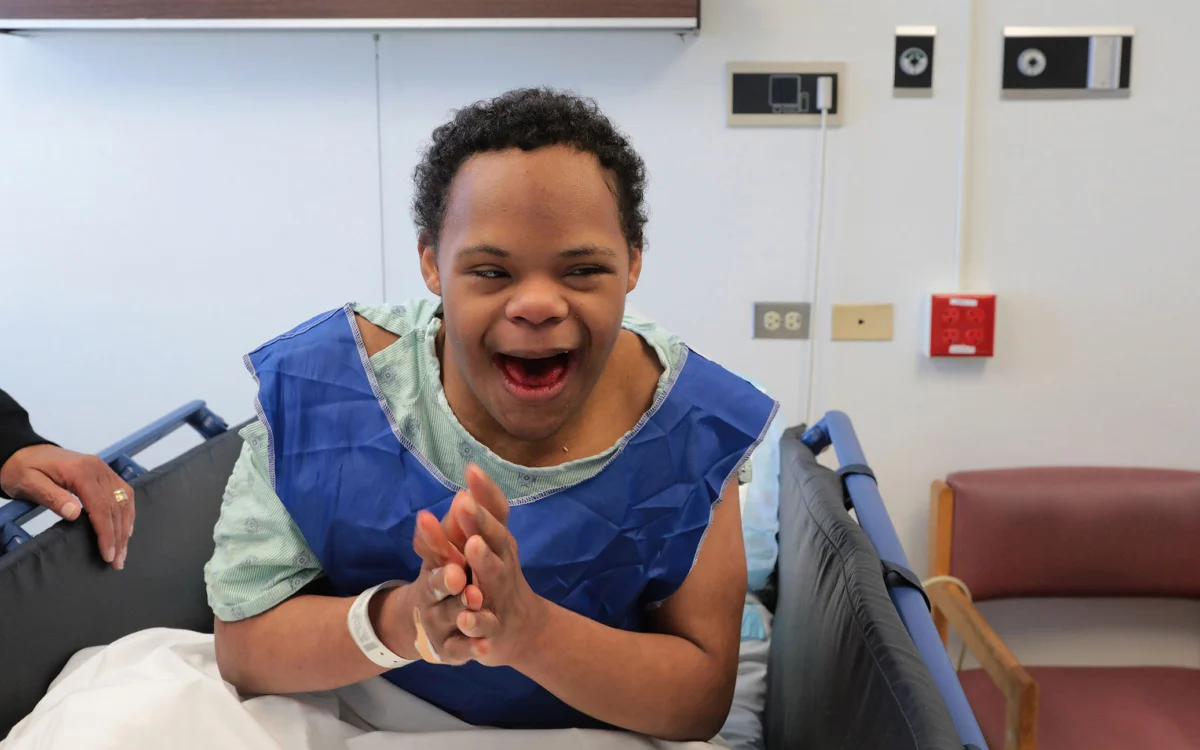
A striking example of this systemic breakdown occurred in Chicago, where a teenager named Andy Mitchell—who lives with intellectual and physical disabilities—was forced to undergo emergency oral surgery to receive 23 fillings and eight extractions. His parents had spent years searching in vain for a local dental provider equipped to manage his care before the untreated decay necessitated extensive surgical intervention. Stories like Mitchell’s are far from isolated; they represent a widespread reality for thousands of families across the United States.
How the $51 Million Initiative Will Function
Under the newly announced HRSA initiative, participating health centers will each receive up to $2 million to overhaul, expand, and adapt their pediatric dental services. The program is intentionally structured to test and scale innovative, evidence-based care models that can eventually be replicated by dental practices nationwide.
Rather than merely increasing appointment slots, the funding is earmarked for comprehensive systemic improvements. Health centers are expected to allocate resources toward:
- Workforce Development: Training dentists, dental hygienists, and support staff in specialized behavioral management techniques, sensory-friendly accommodations, and patient-centered communication strategies tailored for children with diverse cognitive and physical profiles.
- Infrastructure and Equipment: Upgrading clinic environments to minimize sensory overload, incorporating specialized positioning equipment for patients with mobility impairments, and enhancing sedation capabilities where clinically necessary.
- Preventive Care Expansion: Increasing outreach programs to ensure that children with developmental disabilities receive regular preventive screenings, sealants, and education before minor issues escalate.
Federal officials emphasize that federally qualified health centers are uniquely positioned to spearhead this initiative. Because these community health centers already provide comprehensive primary care, they possess established channels for addressing social determinants of health. Furthermore, they maintain integrated networks that can connect families with vital support services, such as specialized transportation, translation services, and patient education programs, all while operating on a sliding-fee scale that ensures care is delivered regardless of a family’s ability to pay.
Official Responses and Collaborative Framework
The announcement has drawn praise from federal leaders who view the initiative as a crucial step toward health equity. Tom Engels, administrator of the Health Resources and Services Administration, underscored the fundamental right of every child to receive appropriate medical and dental attention without encountering discriminatory barriers.
“A parent shouldn’t have to struggle to find a dental provider who is prepared to care for their child,” Engels stated following the funding announcement. He noted that the initiative is designed not only to build immediate local capacity but also to generate actionable data on what works best in clinical settings. “This investment will help health centers build the skills, services, and approaches needed to make dental care more accessible and responsive to children and families—and help us learn what works so successful models can reach more communities.”
In addition to receiving direct financial support, the 28 participating health centers are required to participate in structured collaborative learning and evaluation activities. By sharing clinical data, operational strategies, and patient feedback, these centers will help federal regulators identify best practices. The ultimate goal is to establish a standardized blueprint for accessible pediatric dentistry that can be adopted by private practices, hospitals, and community clinics across the country.
Broader Implications for Disability Advocacy and Public Health
Public health experts and disability advocacy groups have welcomed the $51 million infusion, viewing it as long-overdue federal recognition of an overlooked crisis. For decades, advocates have lobbied for systemic reforms in dental education, pointing out that dental schools rarely provide adequate clinical training in treating patients with intellectual and developmental disabilities.
By tying federal funds to measurable improvements in workforce training and service delivery, the HRSA initiative addresses the root cause of the shortage: a lack of provider preparedness. If successful, the program could permanently alter how dental professionals are trained, shifting the industry standard toward universal accessibility.
Moreover, the initiative aligns with a broader national push to integrate specialized care into primary community health settings. In recent years, professional medical organizations, including pediatric associations, have issued updated clinical guidance urging primary care doctors to screen for dental issues and coordinate more closely with dental specialists when managing patients with developmental disabilities.
As the 28 health centers begin implementing their funded programs over the coming months, health advocates will closely monitor patient outcomes, wait times, and family satisfaction metrics. While $51 million alone cannot single-handedly solve a decades-old infrastructure deficit, federal officials and community leaders are optimistic that this targeted investment will lay a robust foundation for a more inclusive, compassionate, and accessible healthcare future for children with developmental disabilities nationwide.




