
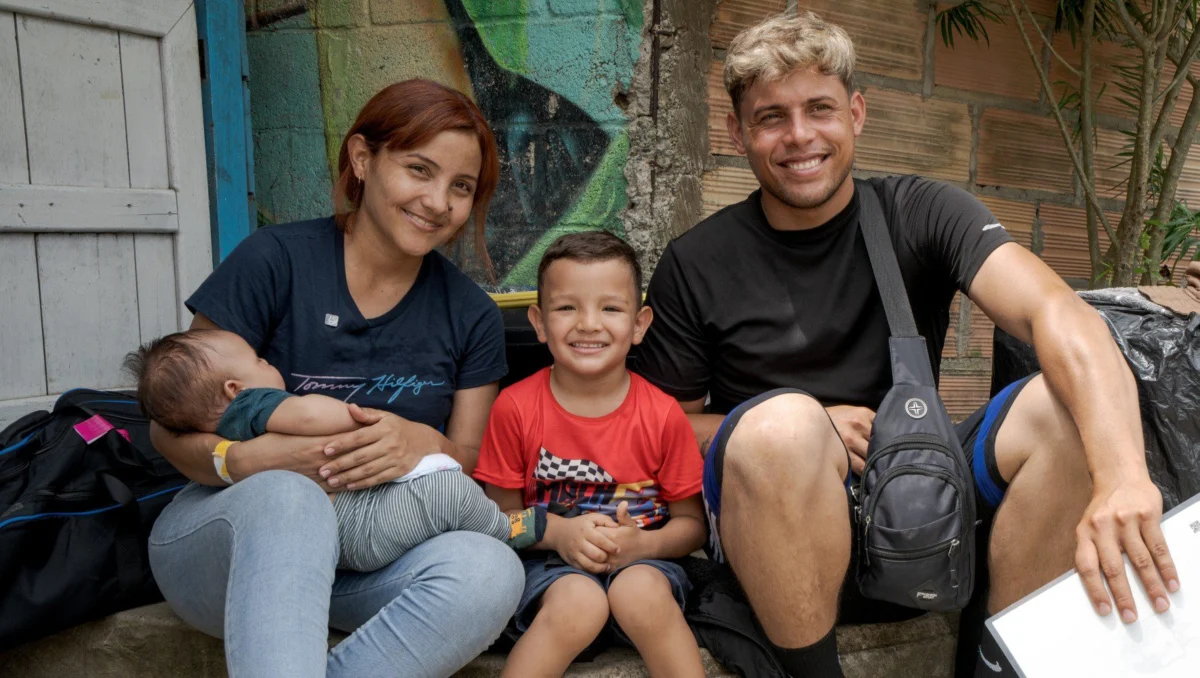
The humanitarian landscape in Colombia remains precarious as the nation grapples with the long-term aftermath of a catastrophic 7.4 magnitude earthquake that struck the Chocó province on August 10, 2026. Centered in San José del Palmar, the seismic event triggered a cascade of destruction across the western reaches of the country, fundamentally altering the lives of nearly half a million citizens. More than one month after the initial tremor, the scale of the displacement and the depth of the structural damage serve as a stark reminder of the region’s ongoing vulnerability to natural disasters, compounded by a complex intersection of environmental and socioeconomic stressors.
Chronology of the Crisis: From Tremor to Ongoing Recovery
The crisis began at approximately midday on August 10, when the tectonic shift occurred, sending shockwaves through the provinces of Risaralda, Valle del Cauca, Chocó, Quindío, and Caldas. Within hours, local and international aid organizations, including HIAS Colombia, transitioned from routine operational status to full-scale emergency response.
The first 72 hours were characterized by desperate search-and-rescue operations led by national civil defense teams and local volunteers. As the dust settled, the magnitude of the infrastructure failure became clear: over 200,000 homes were rendered uninhabitable, and critical conduits—including health centers and educational facilities—were severely compromised. By the end of August, the focus of organizations like HIAS had shifted from immediate rescue to the stabilization of displaced populations, prioritizing the distribution of hygiene kits, food, and the implementation of temporary housing solutions. As of late September 2026, the recovery phase remains in its infancy, with humanitarian actors preparing for a protracted reconstruction process that could span several years.
Statistical Overview and Human Impact
The human cost of the August 10 earthquake is among the highest recorded in recent Colombian history. Official reports confirm that at least 331 lives were lost, while more than 4,500 individuals sustained injuries ranging from minor to life-threatening. Perhaps most distressing to families are the 111 individuals who remain missing, leaving a lingering void in the communities of the affected provinces.
The broader displacement crisis involves at least 466,000 people who have been forced to abandon their homes. In rural enclaves such as Naranjal and Primavera, the impact is particularly severe. These communities, already characterized by limited infrastructure, now face a near-total collapse of basic services. Data from the UN Office for the Coordination of Humanitarian Affairs (OCHA) indicates that residents in these areas are struggling with acute shortages of potable water, erratic electricity access, and the total severance of digital communication channels. For these rural populations, the earthquake did not merely destroy structures; it severed the lifelines necessary for subsistence, making the provision of external aid the only viable pathway to survival.
The Converging Crisis: Environmental and Social Pressures
The devastation caused by the earthquake does not exist in a vacuum. Humanitarian experts have noted a "compounding crisis" effect, where the seismic disaster has intersected with a series of pre-existing environmental and social challenges. The region is currently experiencing the adverse effects of El Niño, which has manifested in prolonged droughts and heightened wildfire risks in parts of the country. Simultaneously, heavy rainfall has triggered flooding in other sectors, further complicating the logistics of disaster relief.
Furthermore, the earthquake-affected regions include areas already struggling with conflict-related displacement. The layering of natural disaster upon chronic, man-made instability has strained the capacity of both the Colombian government and non-governmental organizations (NGOs). Public health officials have warned that the combination of damaged sanitation systems and the forced proximity of displaced families in temporary shelters creates an elevated risk for disease outbreaks, necessitating a multi-faceted approach to public health that includes hygiene education and water purification initiatives.
HIAS Colombia’s Multi-Tiered Response Strategy
In response to the mounting humanitarian needs, HIAS Colombia has deployed a comprehensive intervention strategy focused on both immediate relief and long-term resilience. Working in conjunction with the UNIR consortium and supported by the Colombia Humanitarian Fund, the organization has prioritized the delivery of cash assistance. This modality allows families to exercise agency in their recovery, ensuring that aid is directed toward the specific needs of each household, whether that involves purchasing food, medicine, or repairing critical domestic infrastructure.
A cornerstone of the HIAS strategy is the partnership with Airbnb.org, which facilitates temporary housing for the most vulnerable survivors. This program is specifically designed to support households led by women, families with members who have chronic health conditions or disabilities, and individuals at risk of domestic or sexual violence. By providing 28 days of secure, temporary shelter in cities like Cali, HIAS provides a "stabilization window." This time allows survivors to navigate the trauma of their loss and develop a plan for longer-term housing without the immediate threat of homelessness.
The story of Catherine, a survivor who lost her home in the initial tremors, exemplifies the necessity of this intervention. After her roof and walls collapsed, she was left with no recourse for her two children. Through a referral from a local partner, HIAS provided her with access to temporary housing, offering a safe environment that allowed her to transition from crisis management to the beginning stages of long-term recovery.
Community Education and Empowerment
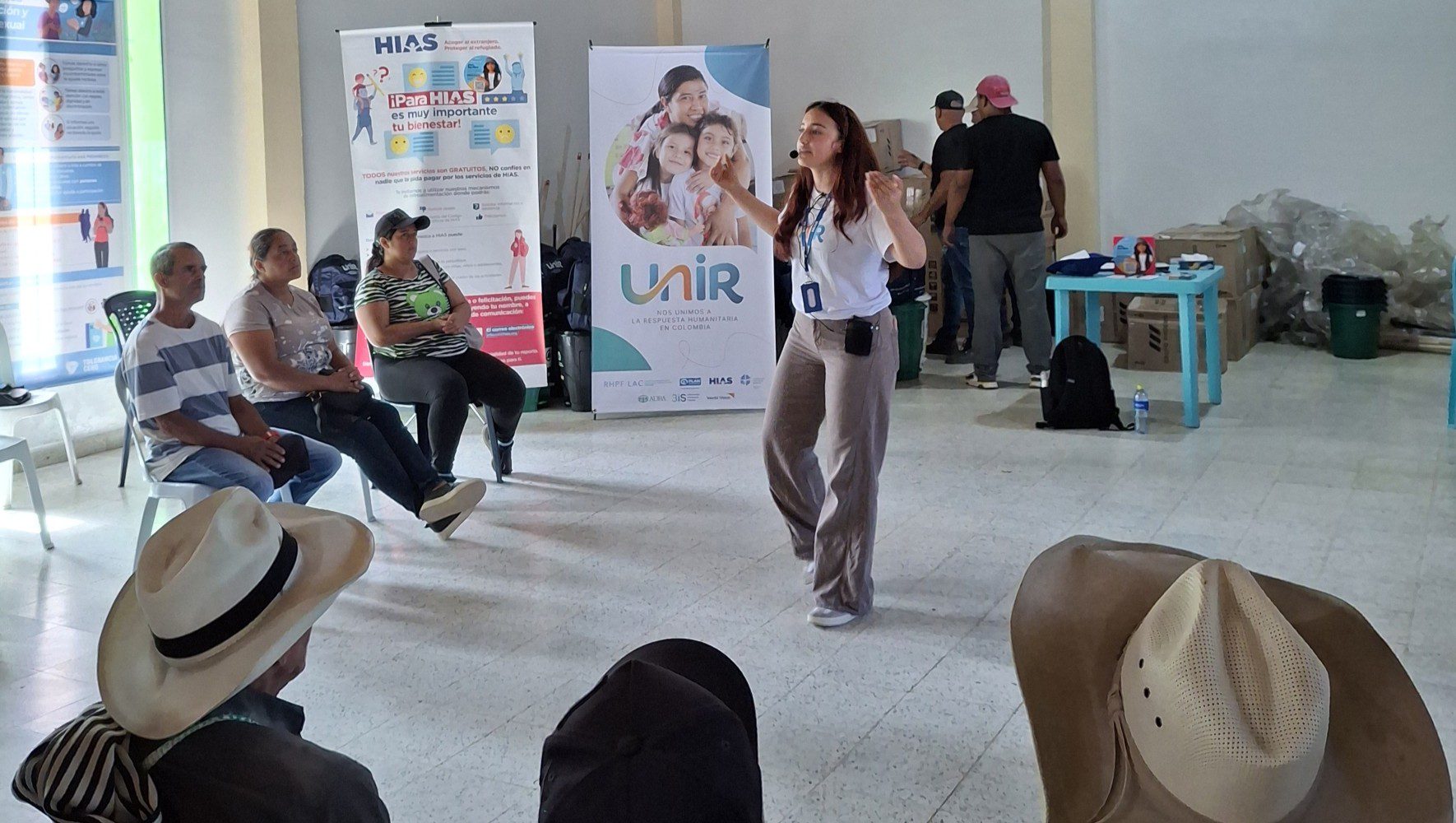
Beyond physical shelter and caloric intake, HIAS Colombia recognizes that long-term recovery requires the transfer of knowledge. The organization has implemented a series of community-based learning workshops in the areas of Naranjal and Primavera. These sessions go beyond basic disaster survival, covering topics such as:
- Waste Management and Sanitation: Essential for preventing the spread of waterborne illnesses in the wake of destroyed sewage infrastructure.
- Safe Water Practices: Training on how to treat available water sources to ensure potability.
- Self-Care and Mental Health: Providing psychological first aid to address the trauma experienced by families who have lost their homes and, in many cases, their neighbors and loved ones.
- Nutritional Health: Guidance on maintaining healthy dietary standards despite the limitations of emergency rations.
By equipping survivors with these practical skills, HIAS aims to foster a culture of self-sufficiency that will assist these communities as they transition from emergency relief to permanent reconstruction.
Broader Implications and Future Outlook
The 2026 earthquake serves as a critical stress test for Colombia’s disaster management systems. The response has highlighted the importance of inter-agency cooperation and the efficacy of cash-based interventions in humanitarian aid. However, the sheer scale of the damage suggests that the recovery will require sustained international attention and funding.
The implications of this disaster extend to urban planning and structural engineering standards. There is a growing consensus among regional analysts that future reconstruction efforts must prioritize seismic retrofitting of schools and hospitals to ensure that essential services remain operational during future events. Furthermore, the vulnerability of rural infrastructure in provinces like Chocó has reignited the national conversation regarding the equitable distribution of resources to prevent such total isolation during emergencies.
As the international community continues to monitor the situation, the focus remains on the thousands of individuals who are still living in precarious conditions. The road to recovery for the people of western Colombia is long, but the concerted efforts of humanitarian organizations, in tandem with community resilience, provide a foundation for rebuilding. The recovery is not merely a matter of replacing lost property, but of restoring the social fabric and the essential security that the August 10 earthquake attempted to shatter. The sustained support of donors and international partners will be essential in ensuring that the survivors of this disaster are not left to face the future alone, and that the lessons learned from this tragedy are translated into policies that safeguard the most vulnerable populations in the years to come.




