
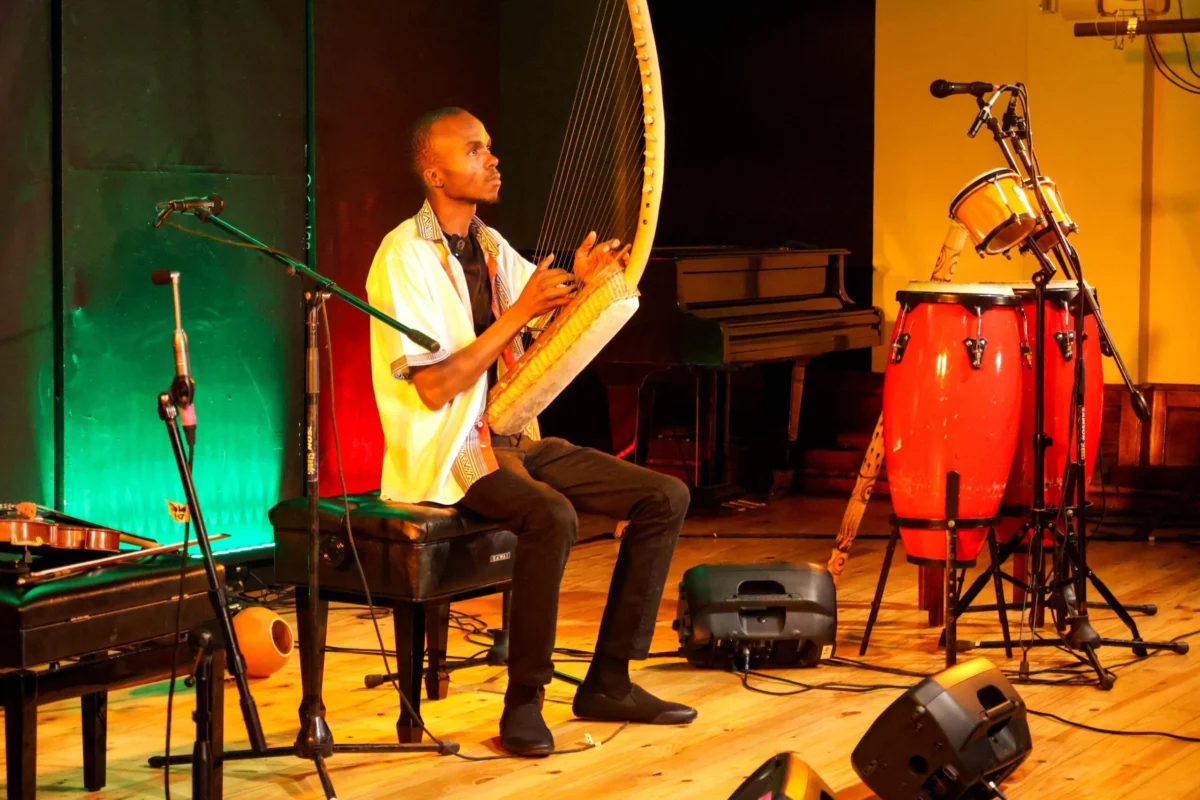
Across the globe, Indigenous communities are navigating the complex pressures of globalization, rapid urbanization, and cultural displacement. While museums and academic institutions often attempt to preserve Indigenous heritage as static history, living cultures thrive through active transmission—through songs, native languages, indigenous instruments, oral storytelling, and dances passed seamlessly from one generation to the next. In South Africa and across the wider African continent, this transmission is facing unprecedented challenges. As younger generations become increasingly immersed in digital, Westernized media, ancient epistemologies and traditional arts risk fading into historical footnotes. Yet, a vibrant counter-movement led by Indigenous youth is rising to reclaim these narratives. Utilizing modern creative practices, digital media, and grassroots organizing, young leaders are revitalizing their cultural roots. A prominent example of this movement is spearheaded by Asakhe Cuntsulana, a young South African musician, educator, and composer whose work is reshaping how traditional African sounds are understood, archived, and taught. Through the support of Cultural Survival’s Indigenous Youth Fellowship Program, Cuntsulana is leading a cultural renaissance that bridges ancient Xhosa traditions with contemporary pan-African musical dialogues, offering a blueprint for the preservation and evolution of Indigenous Knowledge Systems (IKS).
Main Facts and the Vision of Cultural Survival
The contemporary struggle for cultural preservation is deeply intertwined with the quest for self-determination among Indigenous populations worldwide. Cultural Survival, an international Indigenous rights organization, established its Indigenous Youth Fellowship Program specifically to combat the erosion of traditional knowledge. The fellowship invests directly in young leaders aged 17 to 28 who are developing community-based projects designed to strengthen cultural identities, protect ancestral lands, and transmit Indigenous languages and philosophies.
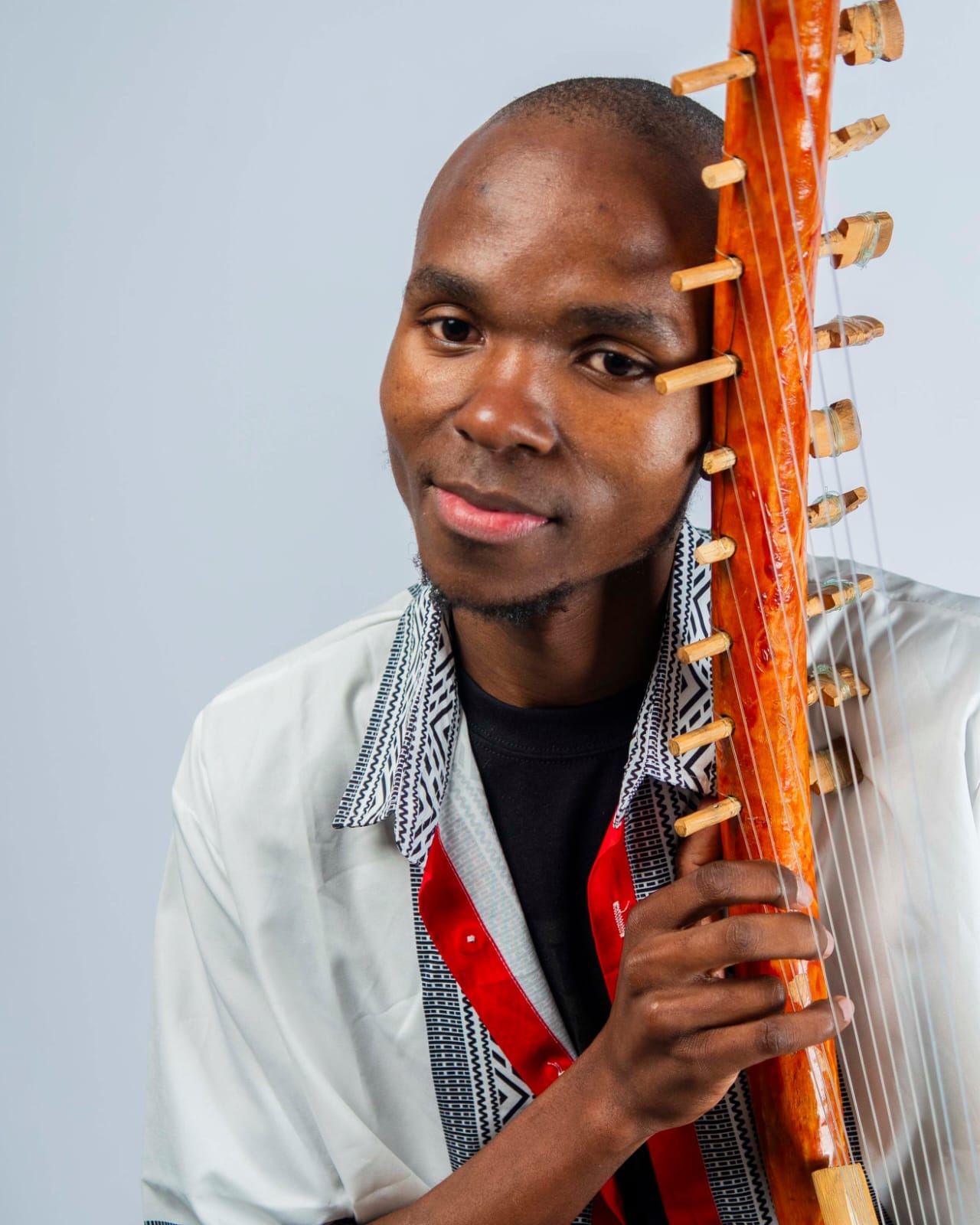
Asakhe Cuntsulana, a proud member of the amaXhosa community and a graduate of Rhodes University’s esteemed music program, received this fellowship to expand his groundbreaking work. Cuntsulana is not merely a musician; he is a cultural archivist and the founder of IThala leAfrika, an organization dedicated to promoting Ubuntu—the African philosophy of human interconnectedness—alongside arts and literature. His core thesis challenges the long-standing colonial hierarchy of knowledge, which has historically privileged written, Western-institutionalized paradigms over oral and embodied Indigenous systems. For Cuntsulana, traditional music is not a passive artifact to be displayed behind glass, but a living, breathing epistemology—a complex framework for scientific inquiry, psychological healing, ecological stewardship, and spiritual connection.
At the epicenter of his fellowship project is the uHadi, the traditional Xhosa bow harp. Long before the advent of modern recording technology or written musical notation, instruments like the uHadi served as the primary vessels for recording community histories, preserving ecological wisdom, and channeling divine introspection. However, due to systemic historical dispossessions, missionary suppression of traditional practices, and the dominance of global commercial music markets, the number of fluent uHadi practitioners has dwindled drastically over the past century. Cuntsulana’s intervention seeks to reverse this trajectory by embedding the instrument back into the daily educational, spiritual, and artistic lives of South African youth.
Chronology of the Revival: From Conception to Pan-African Dialogue
The evolution of Cuntsulana’s current cultural initiative follows a deliberate, multi-phased trajectory that merges artistic experimentation with rigorous academic research and community outreach.
The foundational framework for the project began to take shape during Cuntsulana’s formative academic years at Rhodes University, where he synthesized formal musicology with oral histories gathered from traditional elders, rural musicians, and cultural historians. Recognizing the limitations of studying African instruments in isolation, Cuntsulana expanded his scope to foster cross-border musical collaborations.
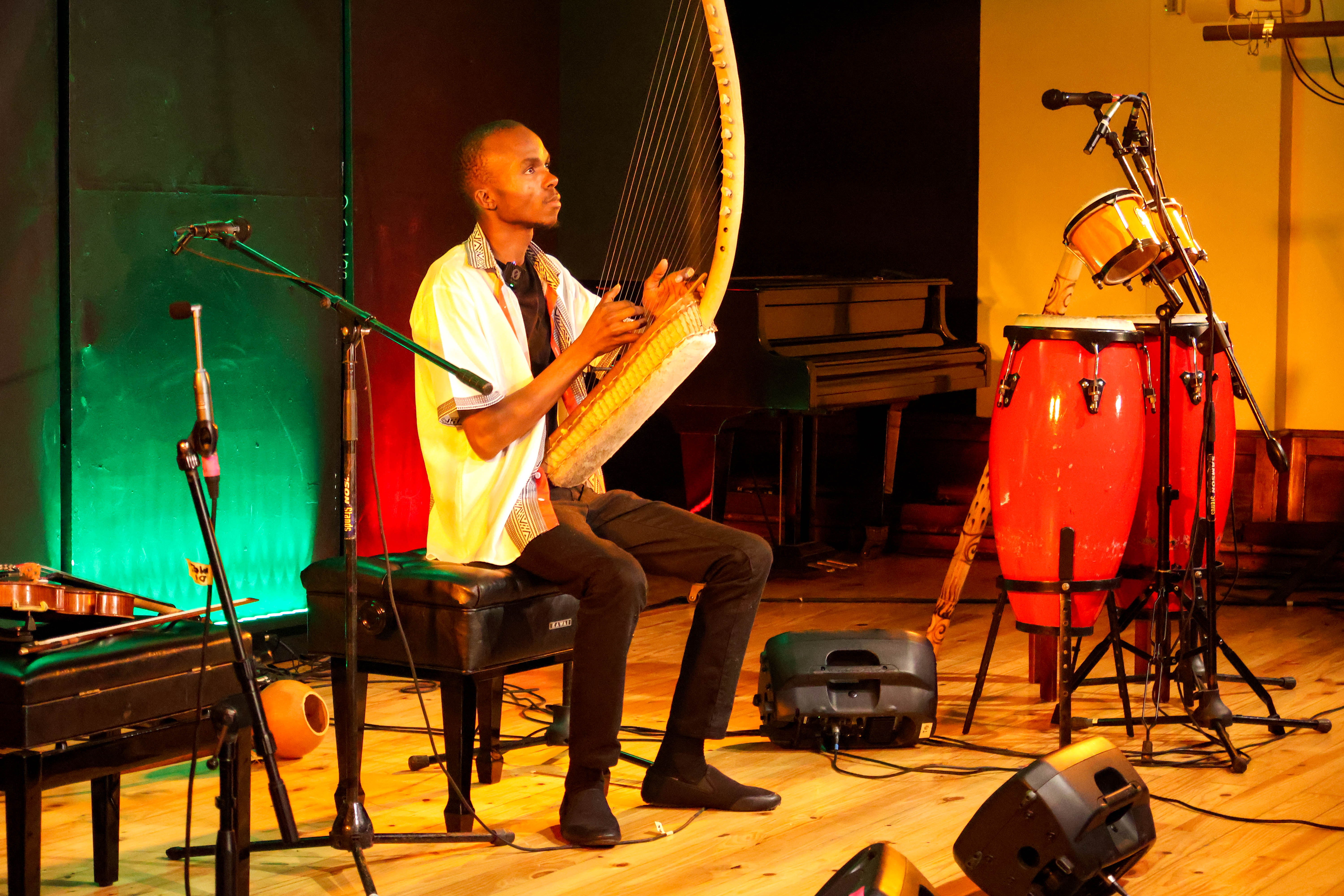
In 2024, this conceptual framework transitioned into active public engagement. Cuntsulana organized a series of live performances, public lecture-demonstrations, and intimate community listening sessions that introduced contemporary audiences to the complex polyphonies of the uHadi. These early performances served as a testing ground for his broader vision: creating a dynamic conversation between diverse African musical traditions.
Building upon the momentum of these initial events, the project entered its official development phase with the backing of Cultural Survival. Central to this phase is the forging of a musical dialogue between the South African uHadi and the Adungu, a traditional arched harp native to the Alur people of Uganda. By bringing these two distinct yet philosophically aligned instruments into direct harmonic conversation, Cuntsulana initiated a pan-African exchange. This collaboration demonstrates that Indigenous instruments are not localized curiosities, but rather part of a vast, interconnected continental archive of intellectual and artistic achievement.
Looking ahead, the project—formally titled Ingoma yoHadi (Song of the Harp)—is expanding into a comprehensive multi-media initiative. Scheduled milestones include the release of a studio album featuring original and traditional compositions blending the uHadi and Adungu, alongside the publication of a companion academic and narrative book. This book will meticulously document the historical lineages, oral narratives, acoustic mechanics, and intricate playing techniques of the instruments, ensuring that the knowledge is preserved for future generations in both written and audio-visual formats. Furthermore, local community workshops are being rolled out to provide hands-on instruction for youth, directly transferring performance skills from master musicians to the next generation.
Supporting Data and the Marginalization of Indigenous Epistemologies
The urgency of Cuntsulana’s work is underscored by broader socio-cultural data concerning linguistic and cultural endangerment globally. According to United Nations estimates, there are approximately 476 million Indigenous people living across 90 countries, representing the vast majority of the world’s cultural diversity and speaking the majority of the world’s estimated 7,000 languages. However, UNESCO data indicates that an Indigenous language dies every two weeks, taking with it irreplaceable repositories of ecological, medicinal, and philosophical knowledge.
In South Africa, the marginalization of Indigenous languages and performance arts has deep historical roots. During the colonial and apartheid eras, traditional practices were systematically suppressed, denigrated as primitive, or actively commercialized into tourist spectacles stripped of their spiritual and intellectual depth. While post-apartheid cultural policies have made strides in recognizing national diversity, the educational infrastructure still largely favors Western classical and contemporary global pop music paradigms. Conservatories and university music departments frequently treat African Indigenous instruments as ethnomusicological specimens rather than living, evolving fields of professional study.
Data from cultural rights advocates demonstrate that community-led preservation initiatives like Ingoma yoHadi yield significantly higher rates of cultural retention and psychological resilience among youth compared to top-down institutional preservation models. By integrating peer-to-peer education with digital and physical archiving, Cuntsulana’s project addresses the structural gap left by formal education systems, providing young Africans with accessible pathways to reconnect with their ancestral heritage.
Official Responses and Perspectives from the Cultural Sector
Cultural preservationists, ethnomusicologists, and Indigenous rights advocates have increasingly voiced support for youth-led interventions that challenge Eurocentric definitions of knowledge. Dr. Elena Toledo, a coordinator for international Indigenous fellowship programs, emphasized the transformative potential of grassroots initiatives: "When young leaders like Asakhe Cuntsulana step forward to reclaim their ancestral instruments, they are not simply playing music; they are actively decolonizing the sensory landscape of their communities. They are proving that Indigenous knowledge systems are fully equipped to address the spiritual and intellectual crises of the modern world."
Academic peers at Rhodes University and cultural historians working alongside IThala leAfrika have likewise praised the collaborative nature of the Ingoma yoHadi project. By bridging the gap between rural elders and urban youth, the initiative heals generational fractures caused by the historical displacement of families due to migrant labor systems and urbanization.
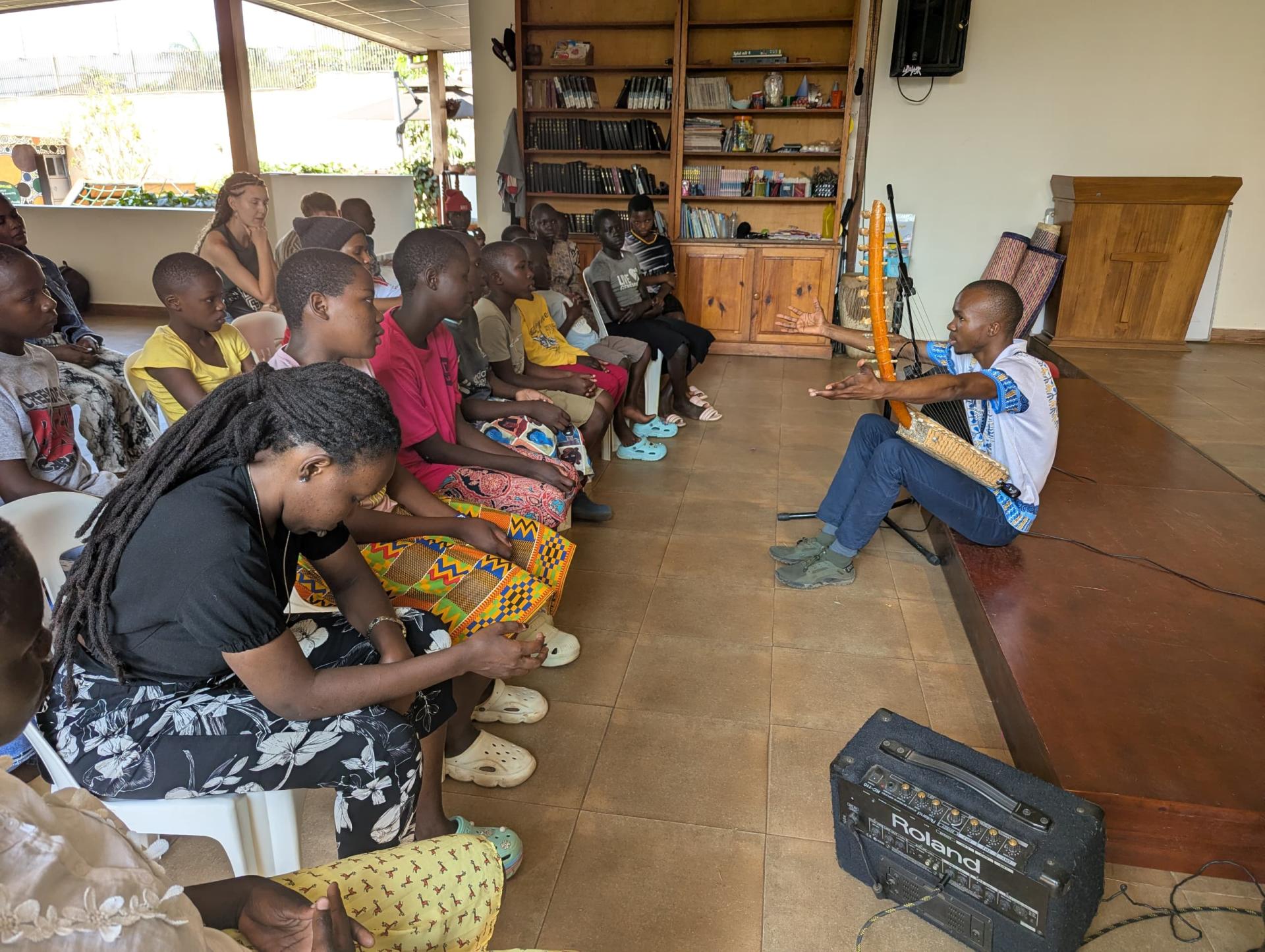
Furthermore, local community elders have expressed profound optimism regarding the project’s emphasis on mentorship. For decades, elderly practitioners of traditional arts have worried that their specialized knowledge would die with them due to a lack of interested youth. Cuntsulana’s workshops have created a renewed intergenerational bridge, validating the wisdom of the elders while empowering youth to take ownership of their cultural future.
Broader Impact, Economic Implications, and Future Outlook
The implications of Ingoma yoHadi extend far beyond the realm of musical performance, touching upon issues of intellectual property rights, mental health, pan-African solidarity, and sustainable economic development.
From an intellectual standpoint, the project challenges global institutions to rethink how traditional knowledge is categorized, protected, and compensated. By documenting the oral histories, cosmological frameworks, and acoustic properties of the uHadi and Adungu, Cuntsulana establishes an Indigenous-owned archive that resists the unauthorized extraction and commercialization of African arts by external entities.
Economically, the project creates sustainable pathways for young Indigenous artists. By demonstrating that traditional instruments can be successfully integrated into contemporary global music markets, film scores, and high-art performance spaces, Cuntsulana helps cultivate a professional ecosystem where traditional musicians can earn a viable livelihood. This economic viability is crucial for long-term cultural survival, as youth are far more likely to commit to artistic vocations when they are culturally fulfilled and economically secure.
Psychologically and socially, the revitalization of traditional music offers profound therapeutic benefits. In communities grappling with the intergenerational trauma of displacement, poverty, and the alienation of modern urban life, reconnecting with the sonic landscape of the ancestors fosters a deep sense of belonging and identity. As Cuntsulana eloquently articulates, the music is ultimately an invitation to hear the divine wisdom of uMvelingqangi (God the Creator) resonating through the strings of the traditional bow harp.
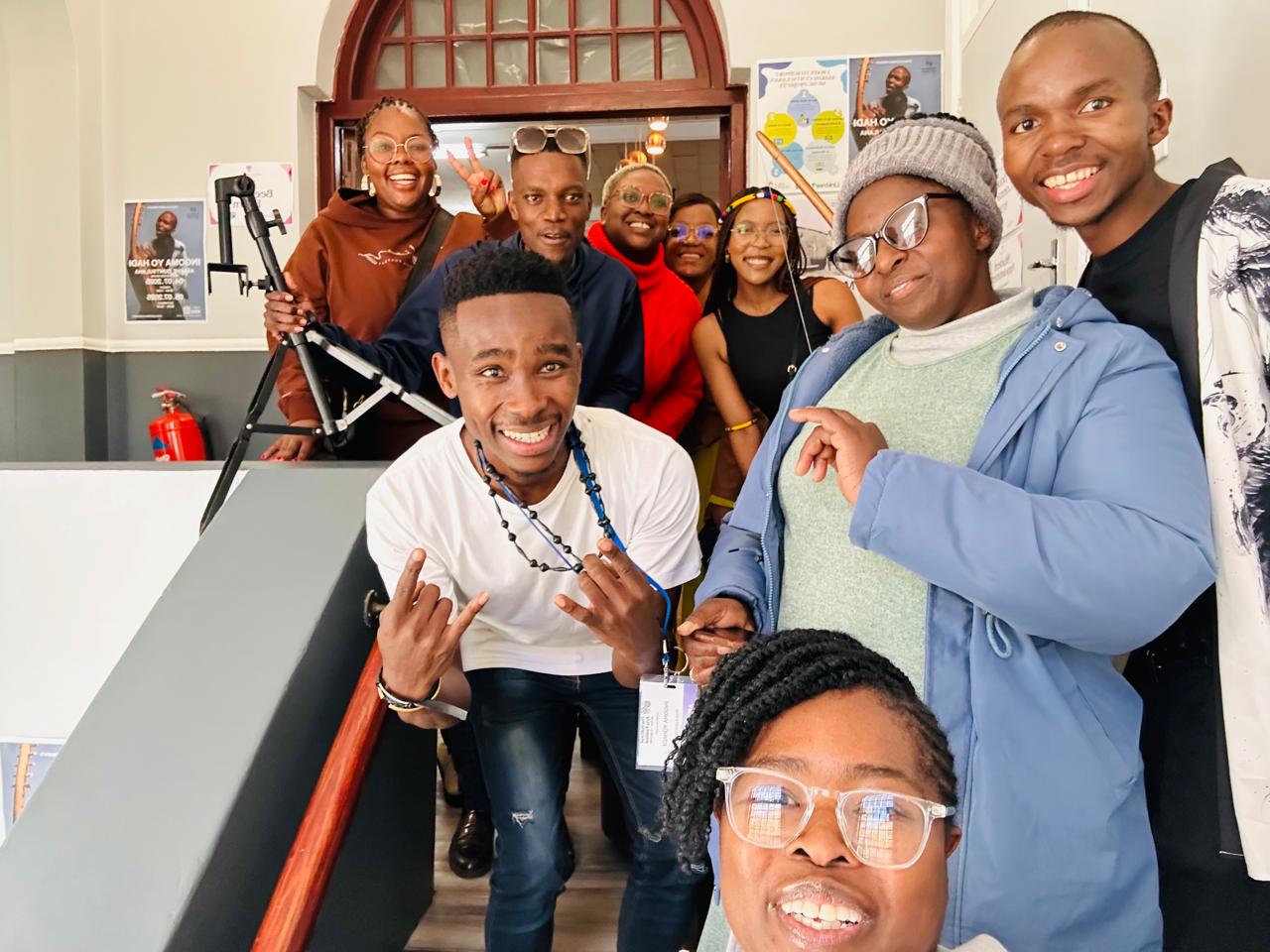
As Ingoma yoHadi continues to unfold through its upcoming album releases, interactive workshops, and multi-media publications, it stands as a testament to the resilience of Indigenous youth. By refusing to accept the false dichotomy between tradition and innovation, Asakhe Cuntsulana and his contemporaries are demonstrating that Indigenous Knowledge Systems are not relics of a bygone era, but vital, dynamic compasses guiding Africa toward a self-determined and culturally grounded future.




