
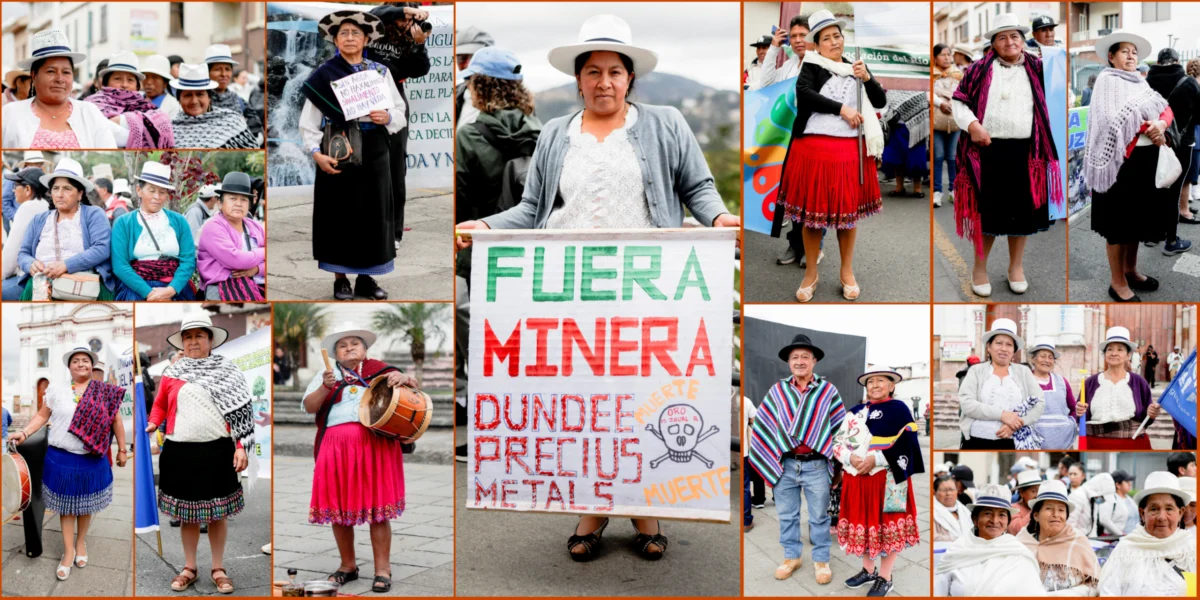
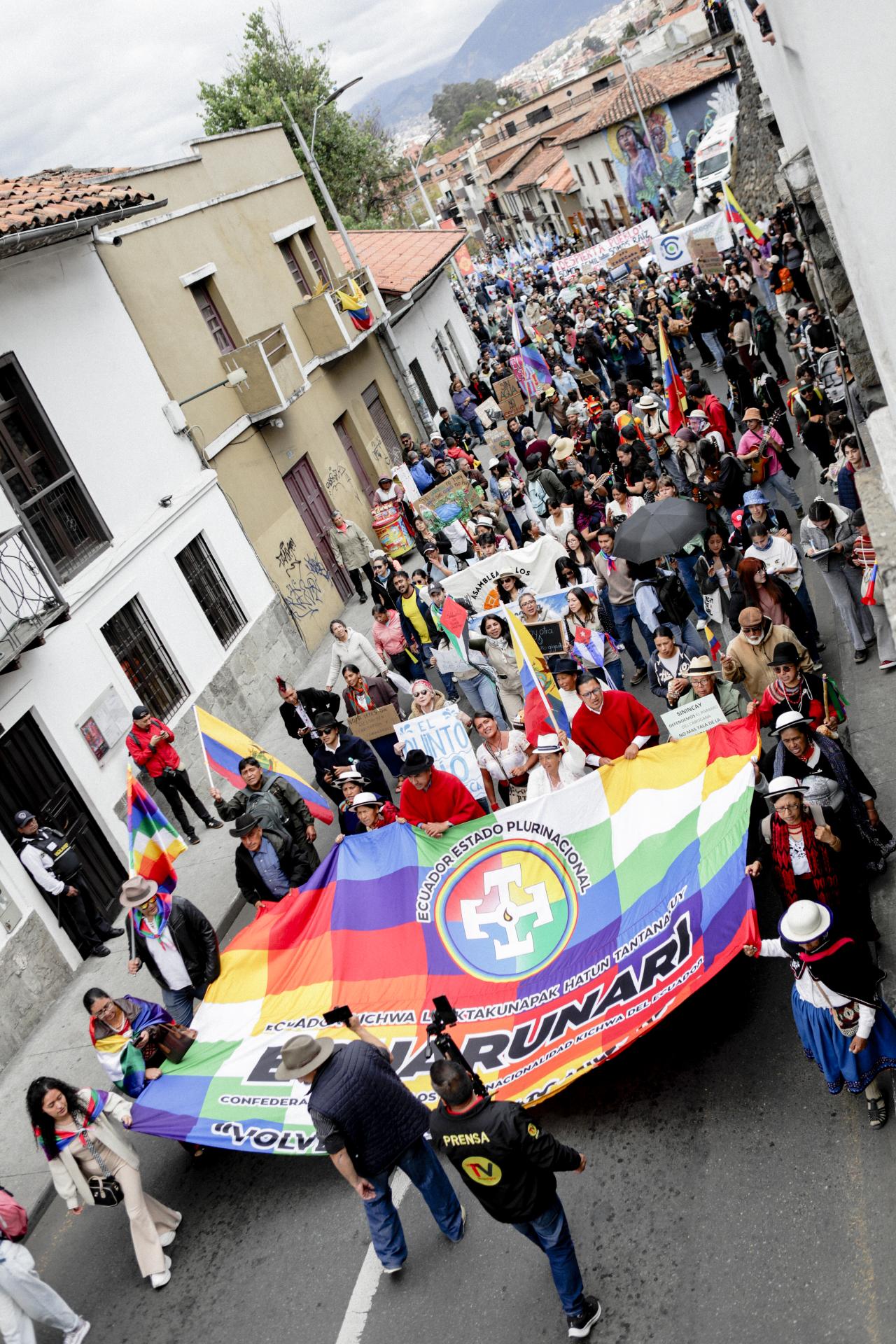
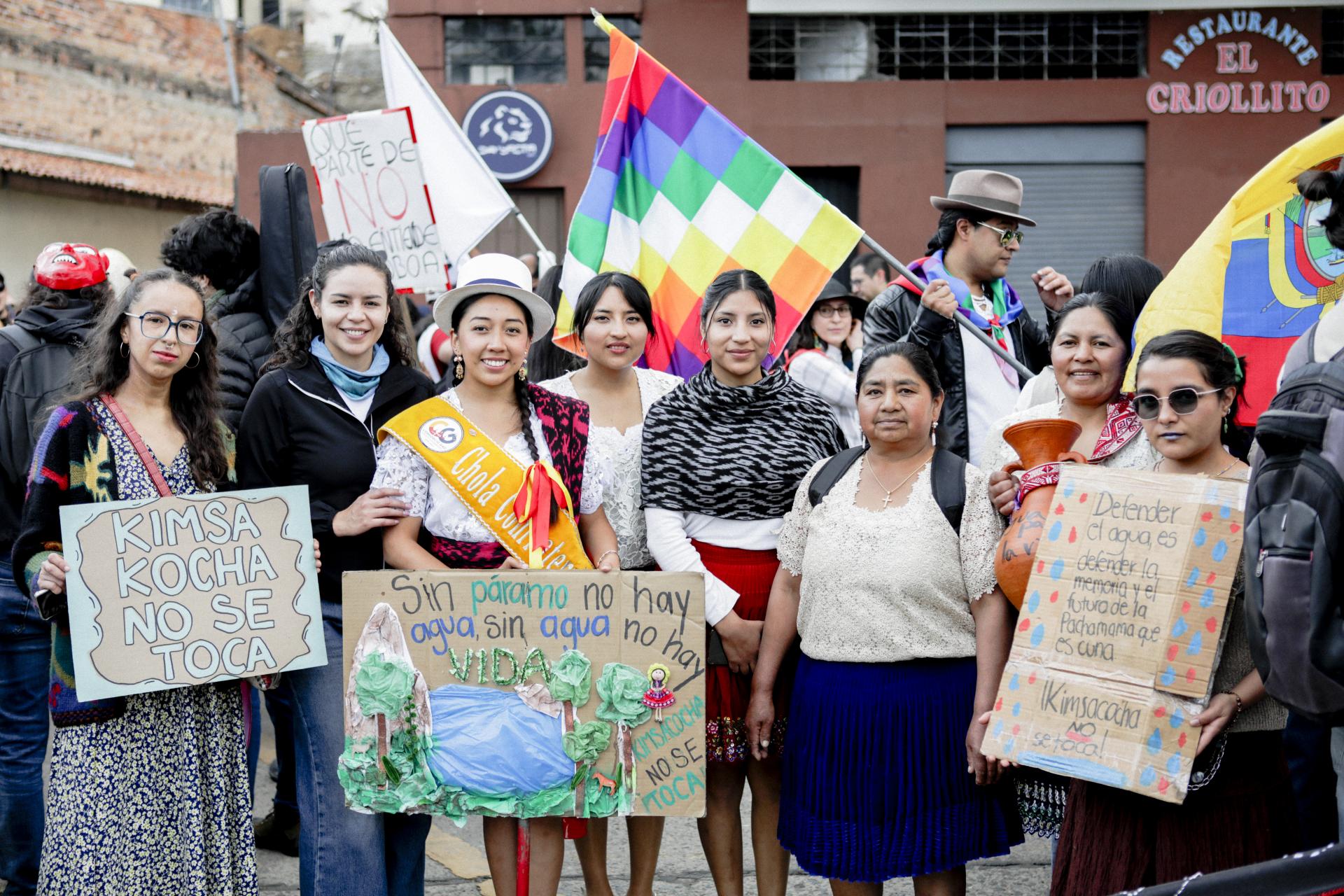
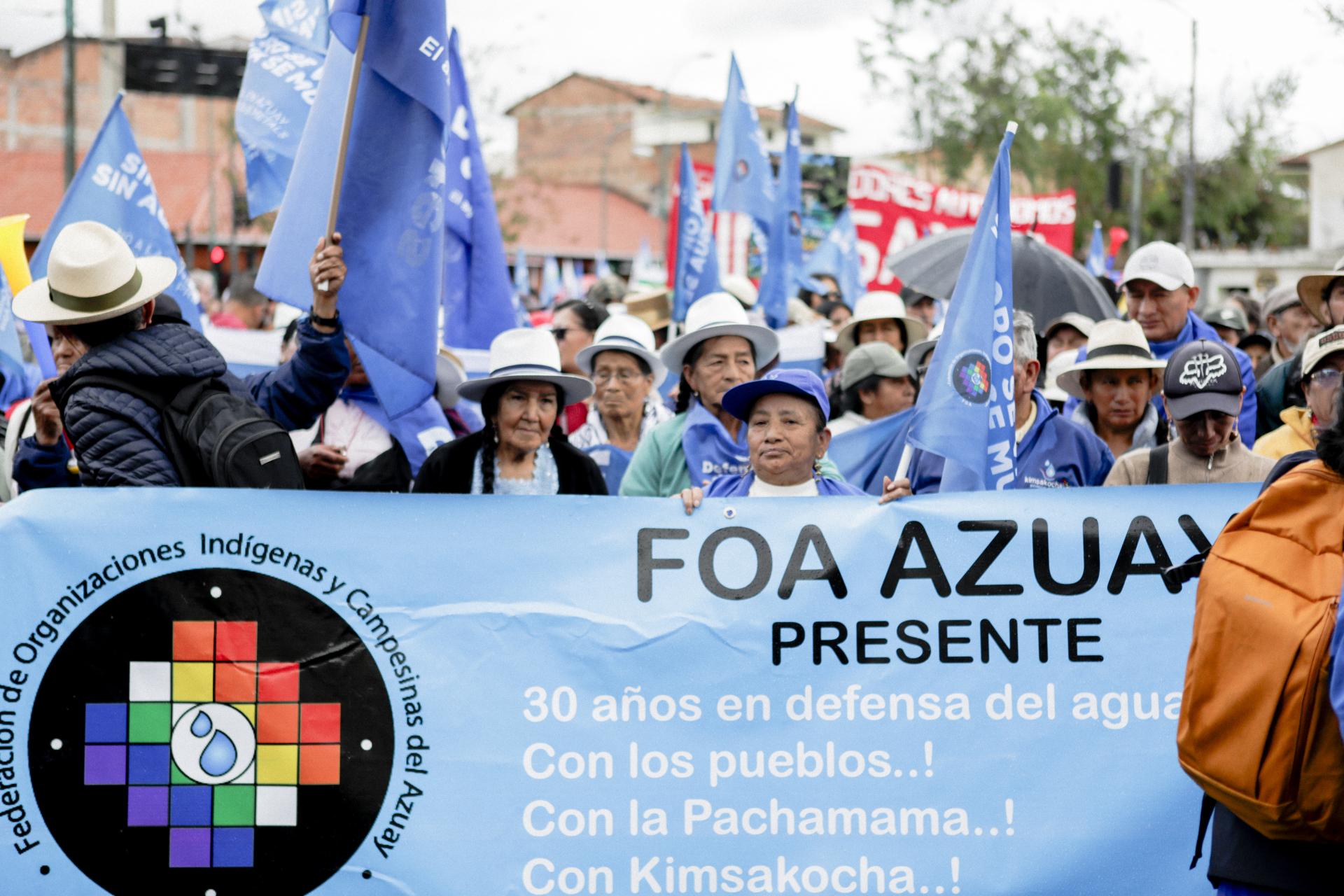
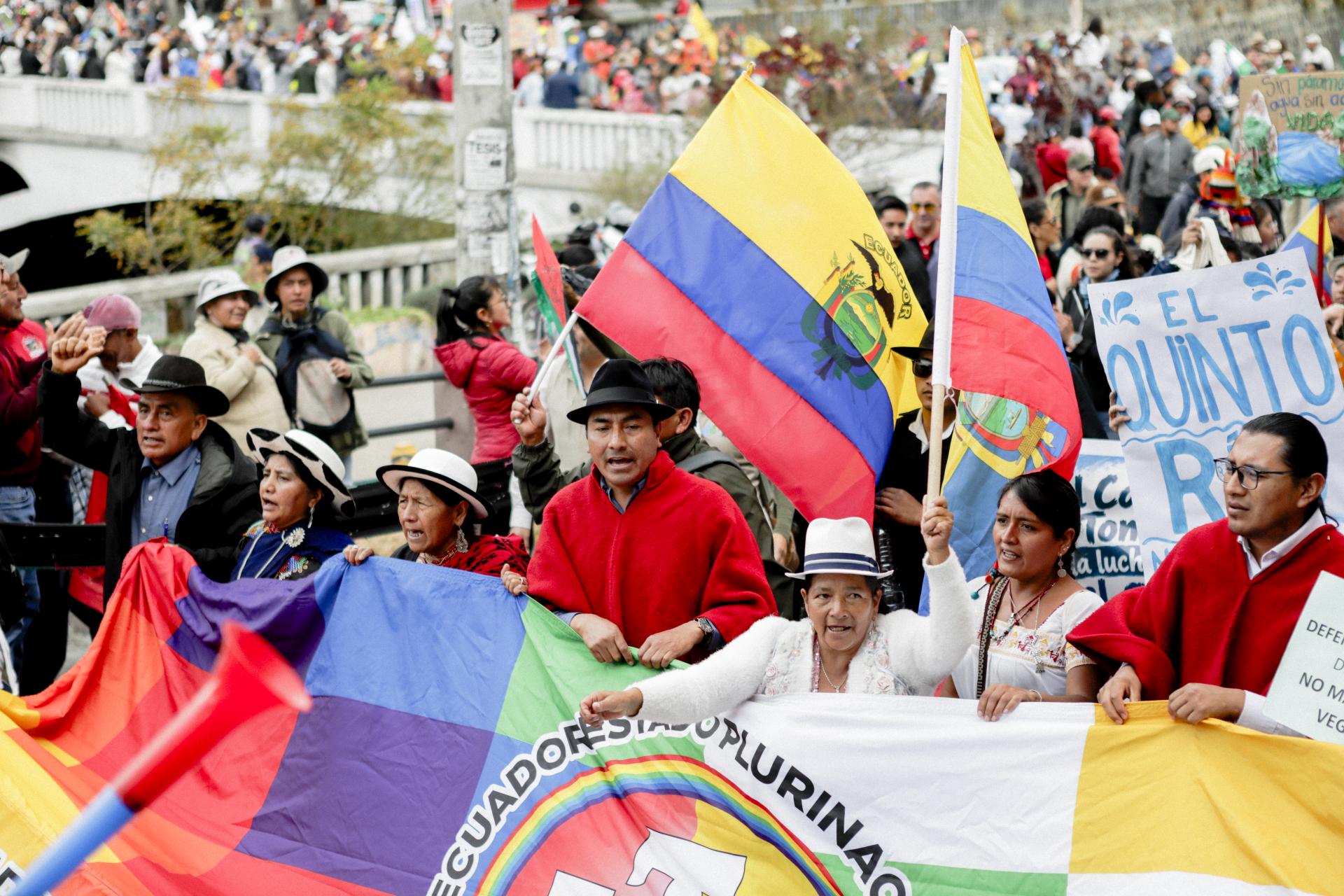
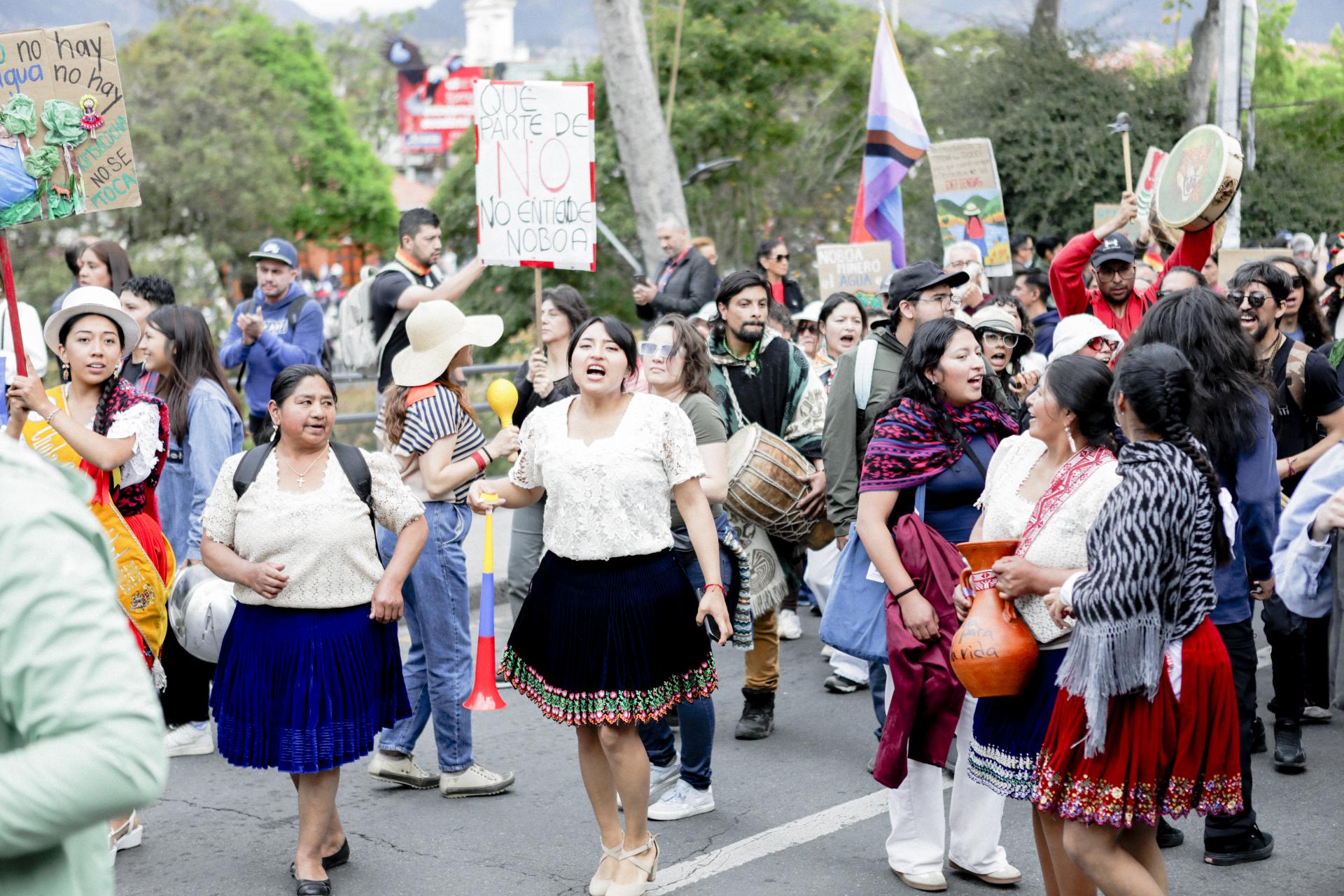
The historic colonial center of Cuenca, Ecuador—a city globally celebrated for the four natural rivers that carve through its urban landscape—echoed once more with the resonant chants, traditional music, and steady footsteps of environmental defenders. On September 16, 2026, hundreds of Indigenous people, campesinos, environmental advocates, students, and urban residents converged on the streets of Guapondelig, known colonially as Cuenca, for the second annual Quinto Río (“Fifth River”) March. Carrying vibrant flags, hand-painted banners, and traditional instruments, the demonstrators converged around a singular, non-negotiable premise: that the fragile high-altitude ecosystems sustaining the region’s water supply must be safeguarded from extractive industries and large-scale infrastructure projects.
This massive mobilization marked the one-year anniversary of the inaugural Quinto Río demonstration, which stunned national authorities in 2025 by drawing an estimated 100,000 participants to the southern highlands. While last year’s monumental turnout served as a definitive warning against mining concessions in the Kimsakocha páramo—specifically targeting the contentious transnational Loma Larga mining project—the 2026 march widened its lens. Protesters highlighted intersecting ecological threats, including proposed hydroelectric infrastructure along the Yanuncay River and systemic climate vulnerabilities affecting rural agriculture. For the rural populations traveling down from the surrounding Andean mountains, the concept of a "Fifth River" carries a profound metaphorical weight: when fragmented communities unite to protect their water sources, the collective strength of the people literally transforms into a living, unstoppable current.
Geographical Lifelines: Where the Water Begins
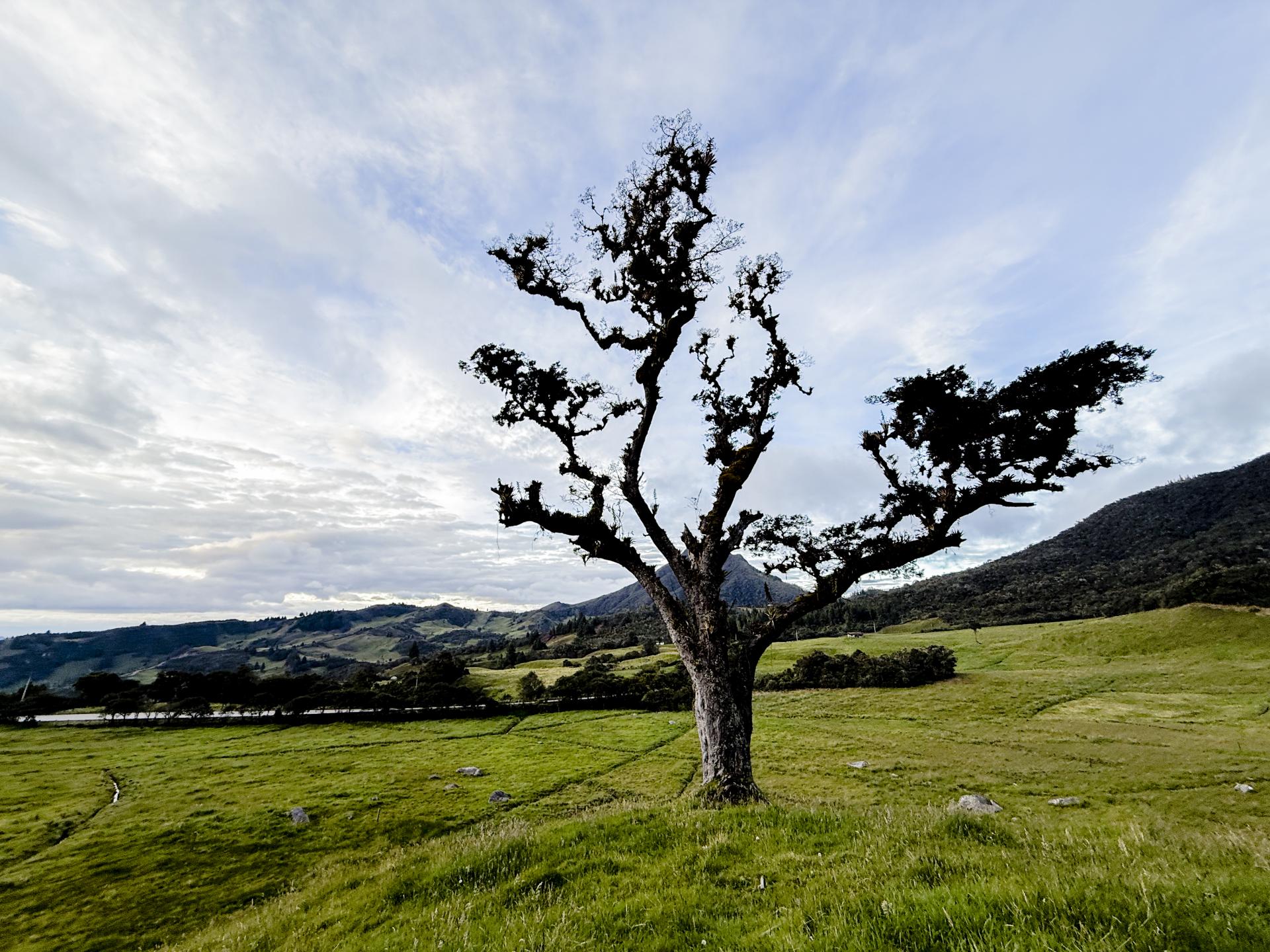
To fully grasp the socio-political gravity of the Quinto Río movement, observers must look far beyond the urban boundaries of Cuenca and venture high into the mist-shrouded Andean cordillera. Here, in the rural highlands adjacent to the páramos, the essential hydrological cycle begins, gathering rainfall and glacial moisture before sending it rushing down to valleys, towns, and cities below.
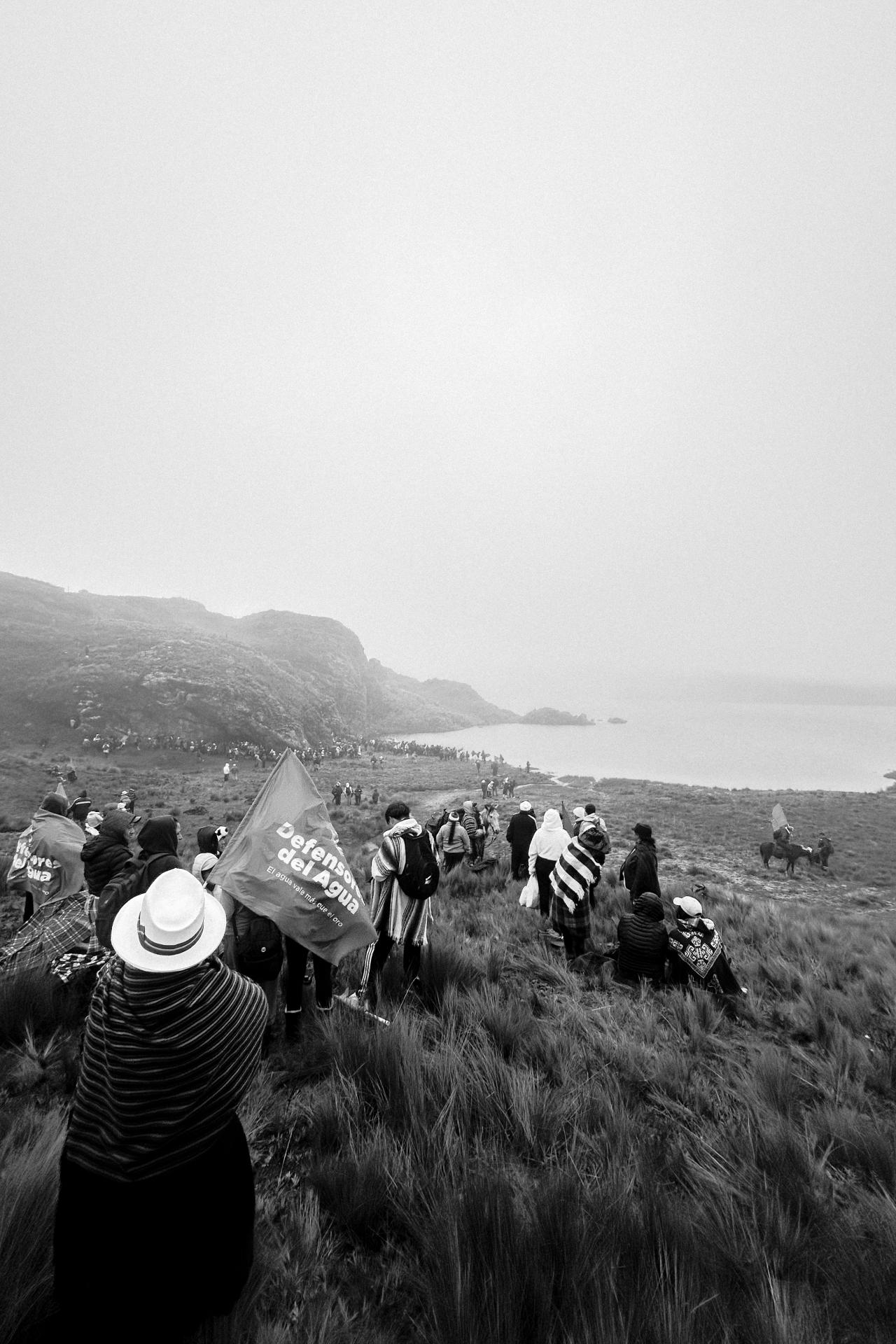
At the heart of this watershed network lies Kimsakocha—a name derived from the Kichwa language meaning "three lakes." Situated at soaring altitudes, Kimsakocha is a quintessential high-altitude páramo ecosystem characterized by endemic flora, spongy wetlands, and pristine glacial tarns. These unique formations act as natural sponges, absorbing precipitation during the wet season and slowly releasing it during dry months, thus regulating the headwaters that feed regional rivers. These watersheds directly sustain local agriculture, livestock operations, rural drinking water systems, and complex downstream ecosystems. For the Kañari Kichwa and neighboring communities, these bodies of water are far more than mere economic resources or ecological commodities; they are viewed as ancestral, living entities that bind the health of the mountains directly to everyday human survival.
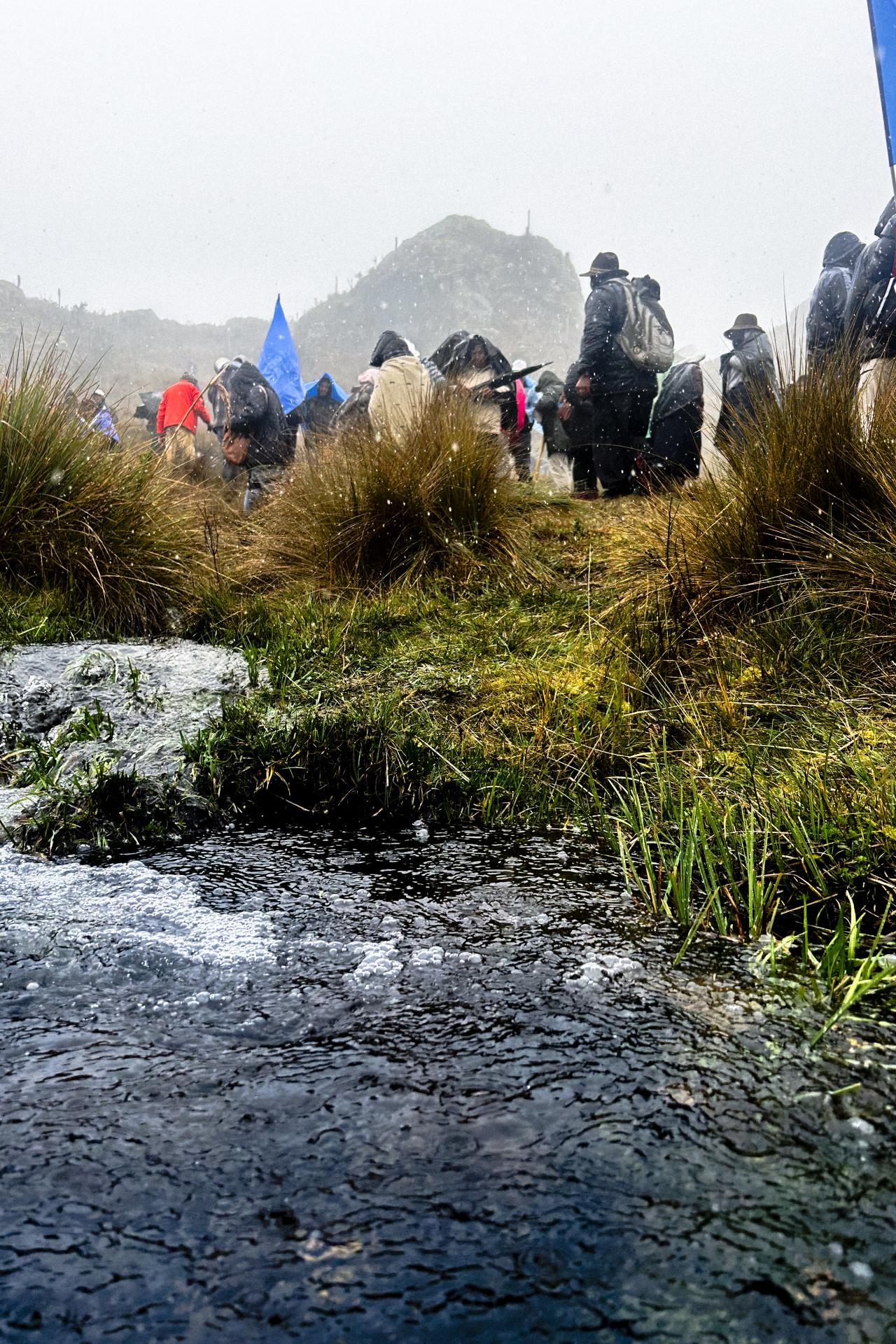
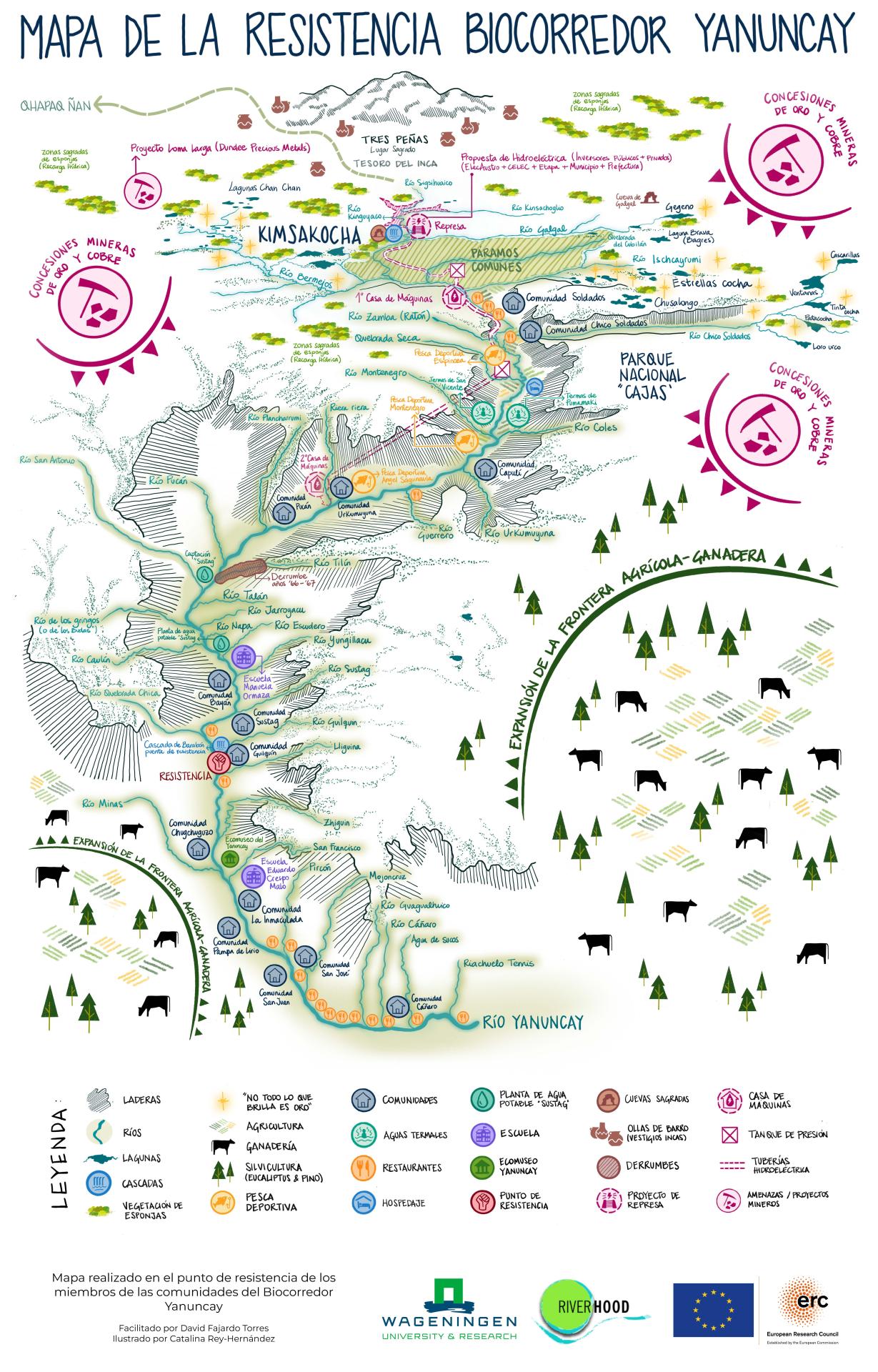
This delicate ecological balance, however, faces compounding pressures. Just a short distance away, within the Yanuncay River Valley—another vital artery channeling water from the Kimsakocha landscape toward Cuenca—local Kañari Kichwa communities are locked in resistance against the proposed Soldados-Yanuncay Hydroelectric Project. While state planners and corporate developers pitch such infrastructure as steps toward clean energy transition, local residents argue that large-scale impoundments and river diversions fundamentally disrupt aquatic life, fragment fragile páramo ecosystems, and threaten traditional farming practices that have fed the region for centuries.
Decades of Grassroots Mobilization and Legal Resistance
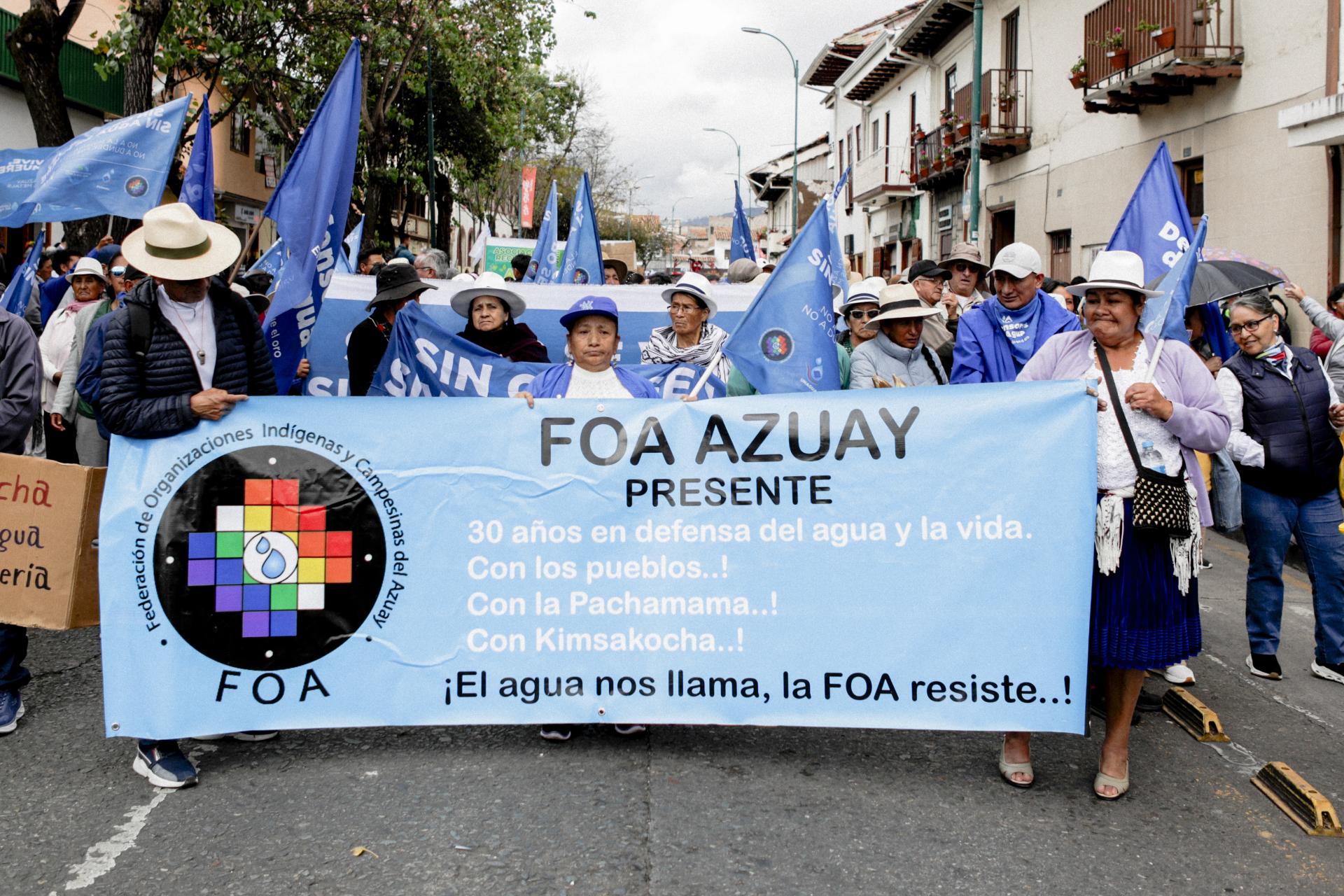
The roots of the Quinto Río movement are deeply embedded in a prolonged history of grassroots organizing. Further south in Tarqui, the Federation of Indigenous and Campesinas Organizations of Azuay (FOA) has spent nearly three decades spearheading the defense of Kimsakocha. Led by figures such as current president Lauro Sigcha, FOA has utilized a comprehensive multi-pronged strategy combining community assemblies, advocacy campaigns, strategic litigation, and public communication.
Central to FOA’s longevity is its operation of community radio programming, which serves as an essential counterweight to corporate narratives and ensures that rural, marginalized voices remain informed and interconnected. For decades, FOA has stood at the vanguard of resistance against the Loma Larga mining project—a Canadian-backed underground gold and silver mining venture that has repeatedly drawn fierce opposition from local water defenders over fears of heavy metal contamination and irreversible ecological degradation in the water-producing páramos.
The perseverance of organizations like FOA ultimately laid the groundwork for the broad-based solidarity coalition that manifested as the Quinto Río. The movement’s ability to repeatedly mobilize massive public demonstrations illustrates how decades of localized agrarian struggles have successfully coalesced into a unified regional identity centered on ecological self-determination.
Youth Leadership and Ecological Restoration in the Yanuncay Valley
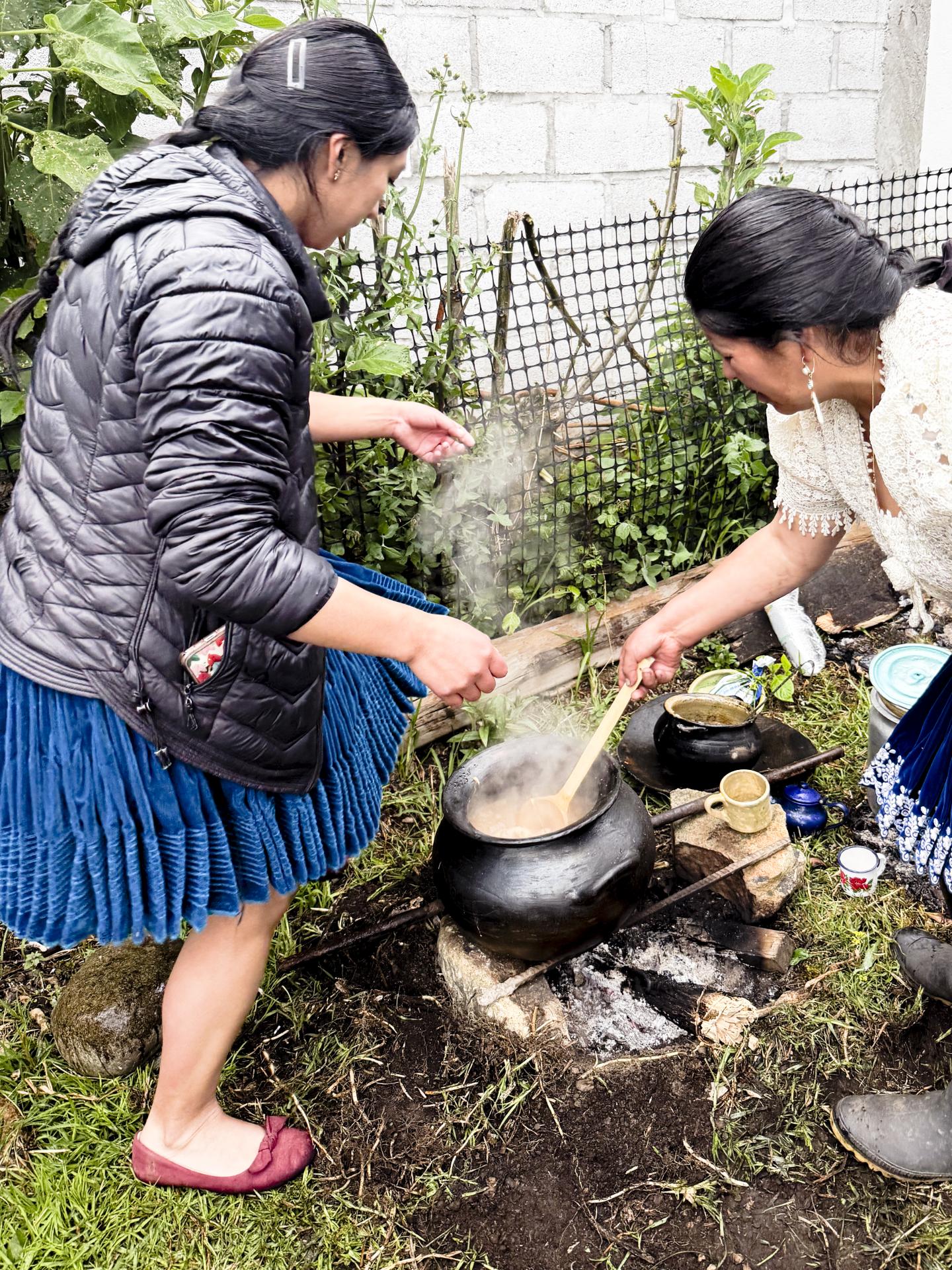
While older generations built the foundational legal and community networks defending the highlands, a new generation of Indigenous youth is stepping forward, redefining what territorial defense looks like in practice. For Kañari Kichwa youth residing along the Yanuncay River, opposition to industrial projects is intimately tied to their daily reality—the spaces where they farm, gather, practice ancestral traditions, and envision their futures.
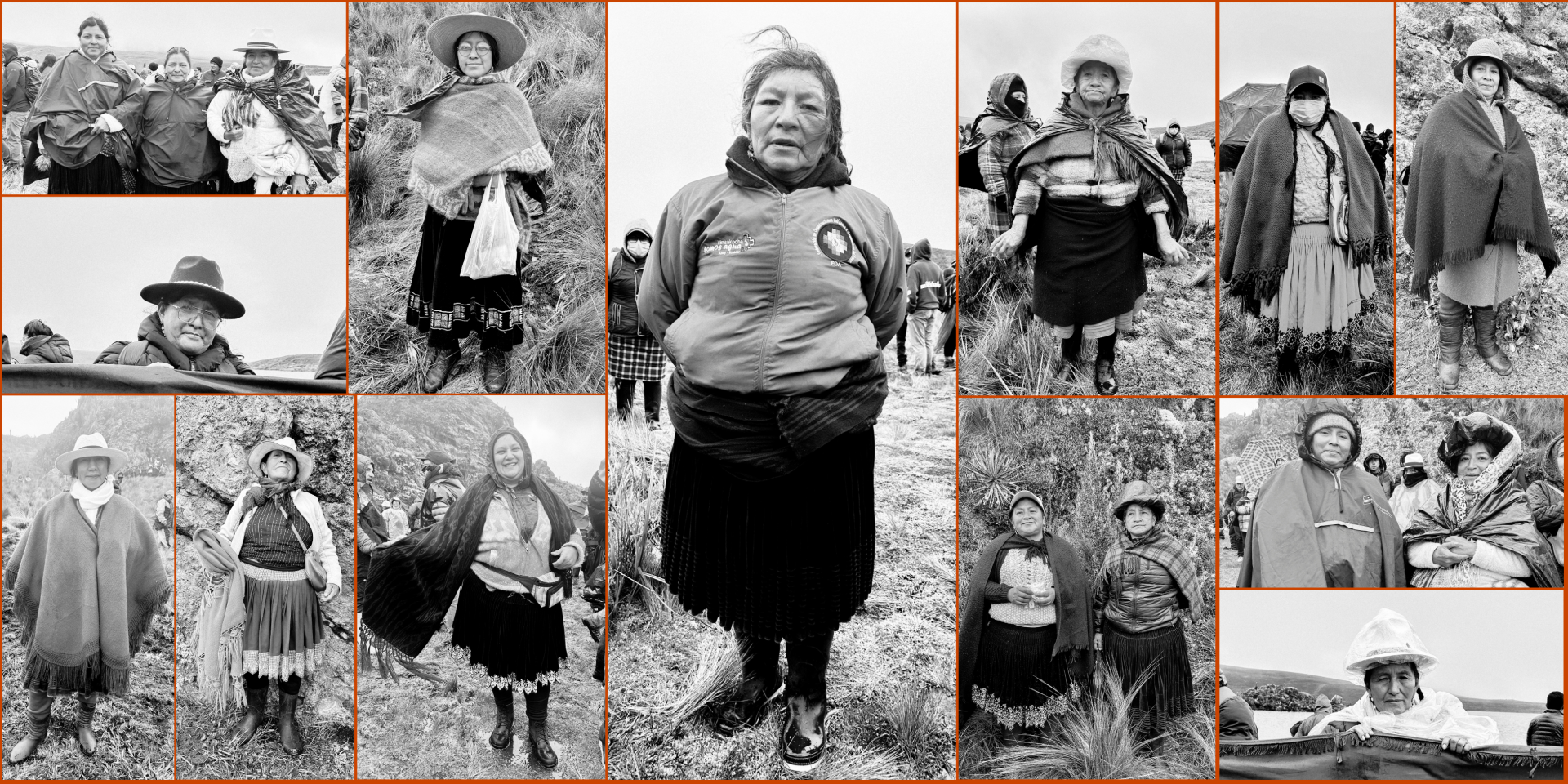
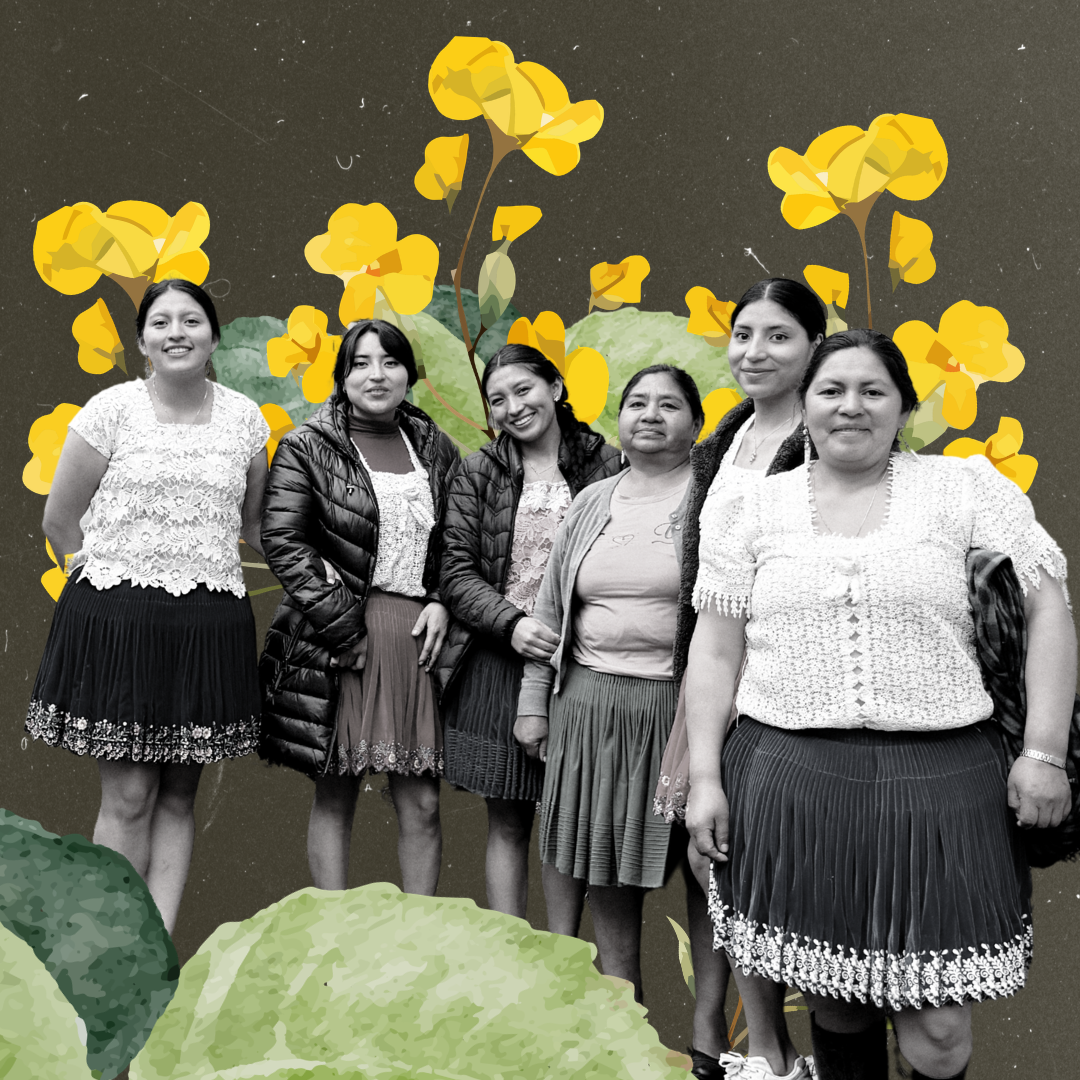
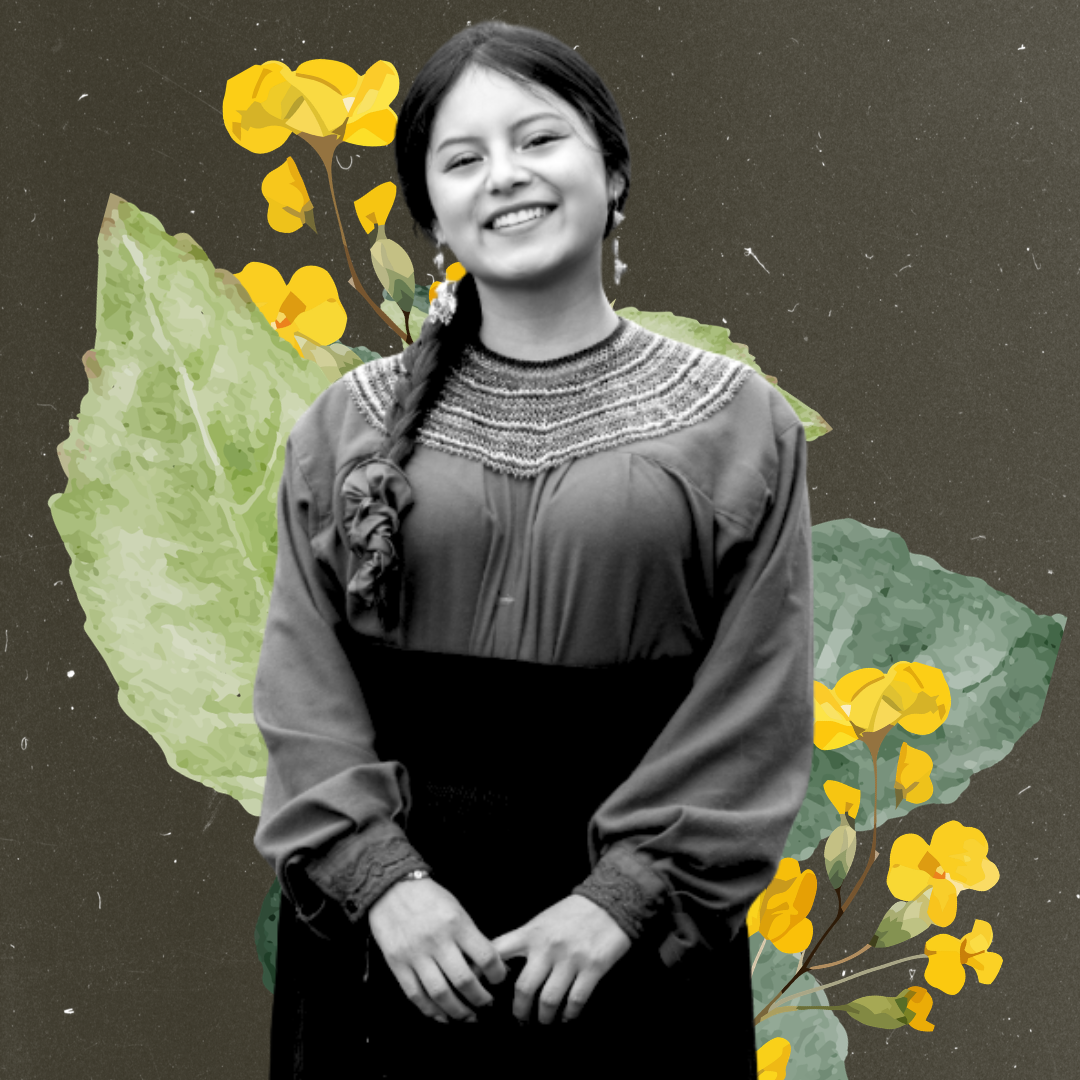
Field observations from regional solidarity visits highlight the proactive measures being taken by youth collectives. Led by figures like Patricia Pulla, young Kañari Kichwa women have established community-led initiatives aimed at restoring native plant species and rehabilitating páramo water-recharge zones heavily degraded by recent wildfires and the escalating impacts of global climate change. Backed in part by fellowships from organizations like Cultural Survival, these young leaders manage a native plant nursery utilized to revegetate stripped riverbanks along the Yanuncay. This hands-on restoration work serves a dual purpose: it heals the physical landscape while simultaneously transmitting ancestral ecological knowledge to younger generations, ensuring that youth remain deeply rooted to their ancestral territories.
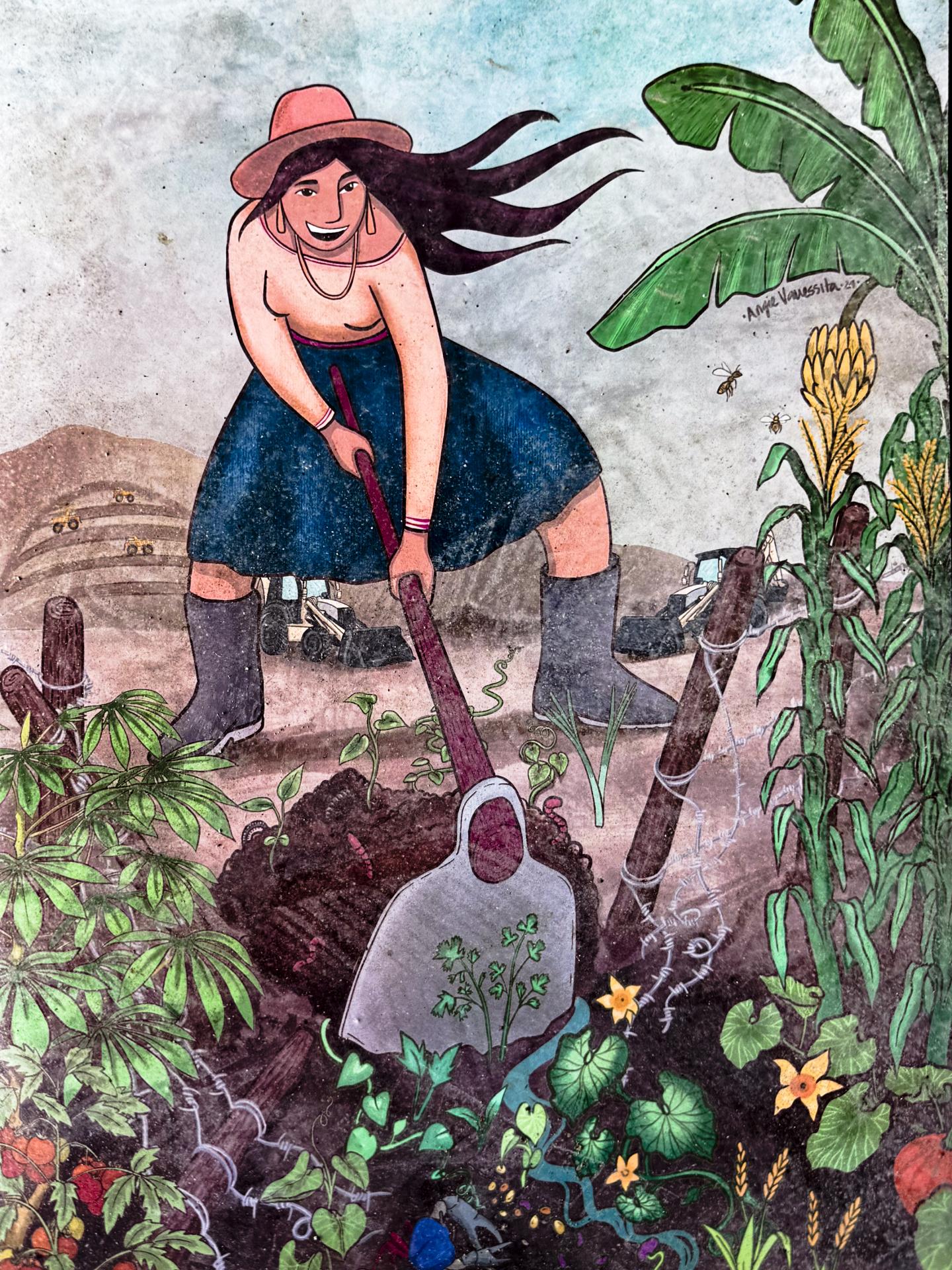
Similarly, in the southern province of Loja, Saraguro Kichwa youth leader Tamia Contento—working as an Indigenous Youth Fellow—has been organizing young people in the Fierro Urco region. In Fierro Urco, Indigenous and campesino communities face aggressive mining pressures targeting their local water sources. Contento and her peers are building capacity around sustainable entrepreneurship, cultural self-knowledge, and community media projects—including mobile cinema initiatives designed to foster storytelling and cultural expression in rural zones. These efforts demonstrate that Indigenous youth are not merely reacting to existential threats; they are actively designing sustainable futures that ensure their communities remain vibrant and autonomous.
Women at the Helm of Community Survival
The frontline defense of Andean ecosystems is heavily sustained by the leadership of Indigenous women. Due to economic pressures that drive many men to seek employment outside their communities or migrate abroad for work, women have increasingly assumed central responsibilities in maintaining daily community life, managing agrarian systems, and leading political resistance.
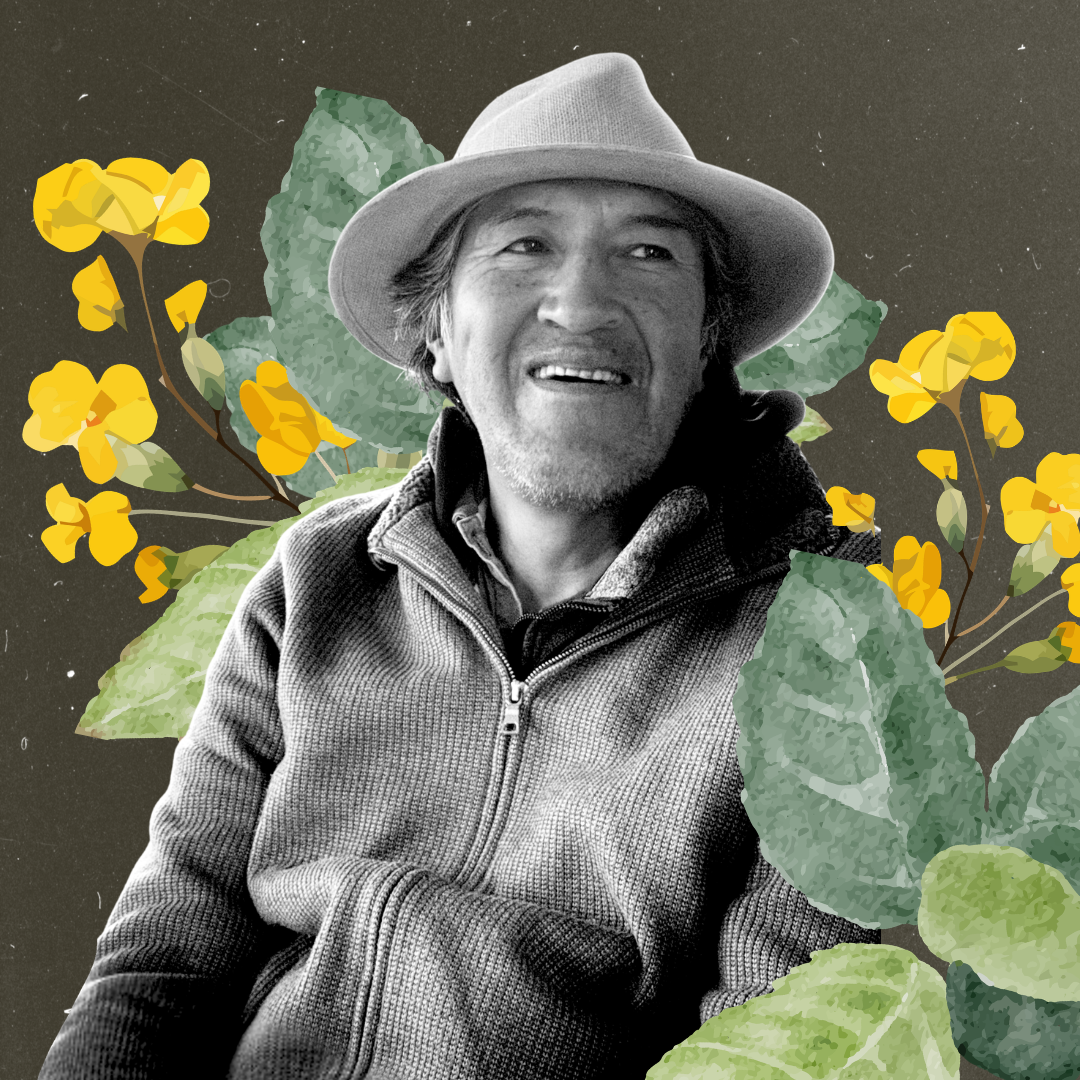
For these women, the defense of the páramos and rivers is inseparable from the preservation of culture, food sovereignty, and familial memory. They view environmental degradation not as an isolated ecological issue, but as a direct assault on the social fabric and reproductive health of their communities. Their leadership bridges immediate survival needs with long-term political strategy, anchoring the broader movement in a holistic worldview where land, water, and human community are inextricably linked.
Socio-Economic Implications and the Broader Ecuadorian Context
The ongoing resistance encapsulated by the Quinto Río movement highlights profound tensions within modern Latin American governance: the collision between state-led extractivist economic models and Indigenous territorial rights. Ecuador’s national economy has historically relied heavily on the export of natural resources, including minerals and hydrocarbons. Successive national administrations have continually looked to mining concessions in southern Ecuador as a lucrative source of foreign direct investment and national revenue.
However, these macroeconomic goals frequently run headfirst into constitutional protections and international legal frameworks. Ecuador’s 2008 Constitution was internationally groundbreaking for explicitly recognizing the Rights of Nature (Derechos de la Naturaleza), granting ecosystems the legal right to exist, persist, and regenerate. Furthermore, international conventions, such as the International Labour Organization’s Indigenous and Tribal Peoples Convention (ILO Convention 169), enshrine the right of Indigenous communities to Free, Prior, and Informed Consent (FPIC) regarding industrial projects proposed within their ancestral territories.
Legal analysts and environmental economists note that the prolonged standoff over projects like Loma Larga and the Soldados-Yanuncay hydroelectric initiative underscores the financial and social risks of bypassing local consent. For communities in Azuay and Loja, the short-term financial gains promised by industrial extraction pale in comparison to the permanent, unquantifiable cost of compromised water security. Because Cuenca and its surrounding agricultural zones rely entirely on the pristine hydrological output of these high-altitude ecosystems, any degradation of Kimsakocha or Fierro Urco threatens regional food production, municipal water supplies, and public health on a massive scale.
Conclusion: The Living Current of Resistance
As the echoes of the second Quinto Río march fade from the historic plazas of Cuenca, the struggle for water sovereignty in southern Ecuador continues unabated. The movement’s diverse tactics—ranging from grassroots radio broadcasting and ecological restoration nurseries to massive street mobilizations and high-stakes legal challenges—reflect a sophisticated, resilient defense network.
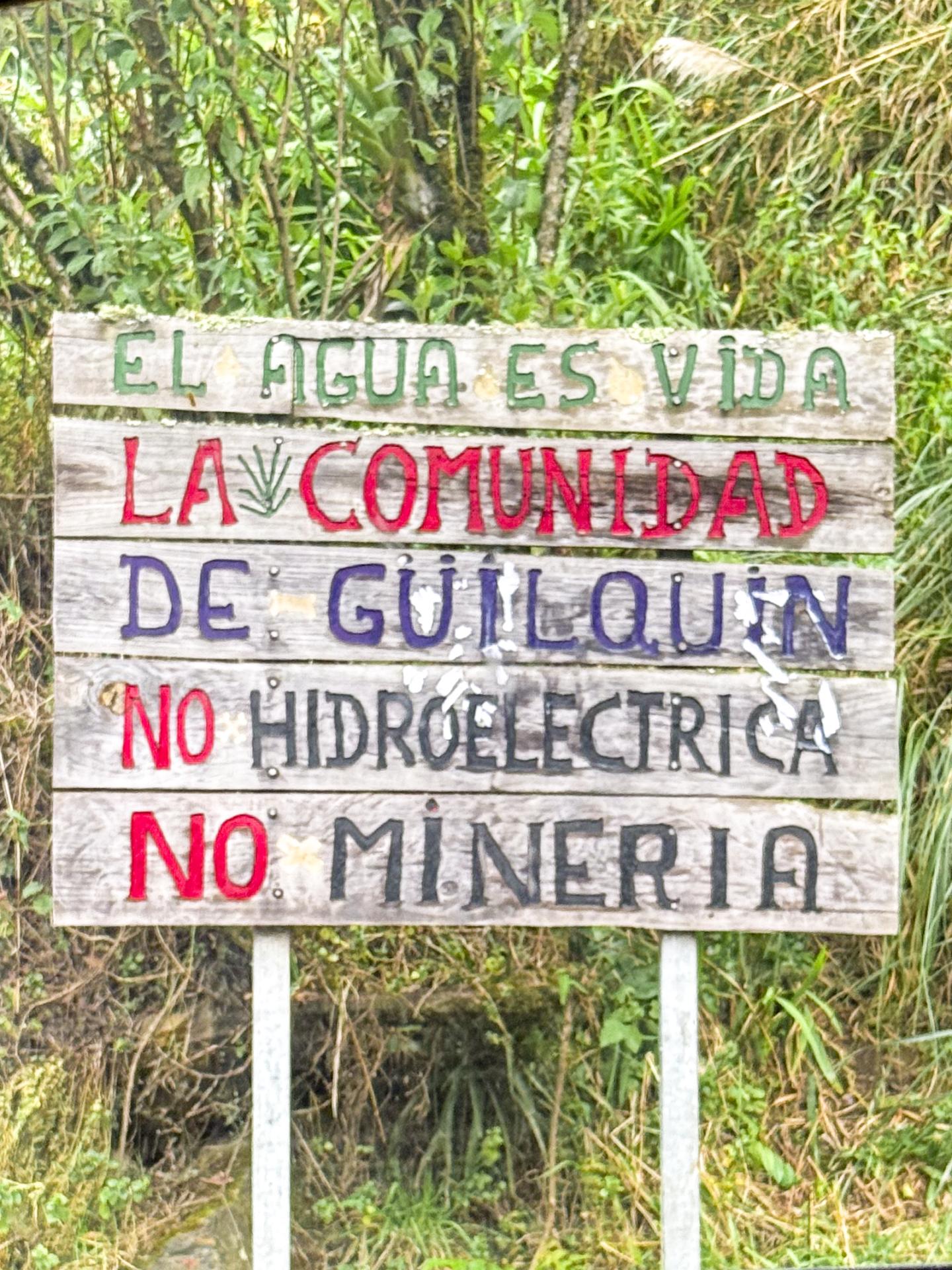
For the Indigenous communities of the Andes, protecting water remains an act of total preservation: safeguarding culture, safeguarding food sovereignty, securing economic livelihoods, and ensuring that future generations can inhabit ancestral lands. As communities march forward carrying the memory of the mountains and the collective dedication of generations past, their core message remains unchanged: the river begins in the páramo, and as long as the threats persist, the people will continue to rise, organize, and become the river.




