
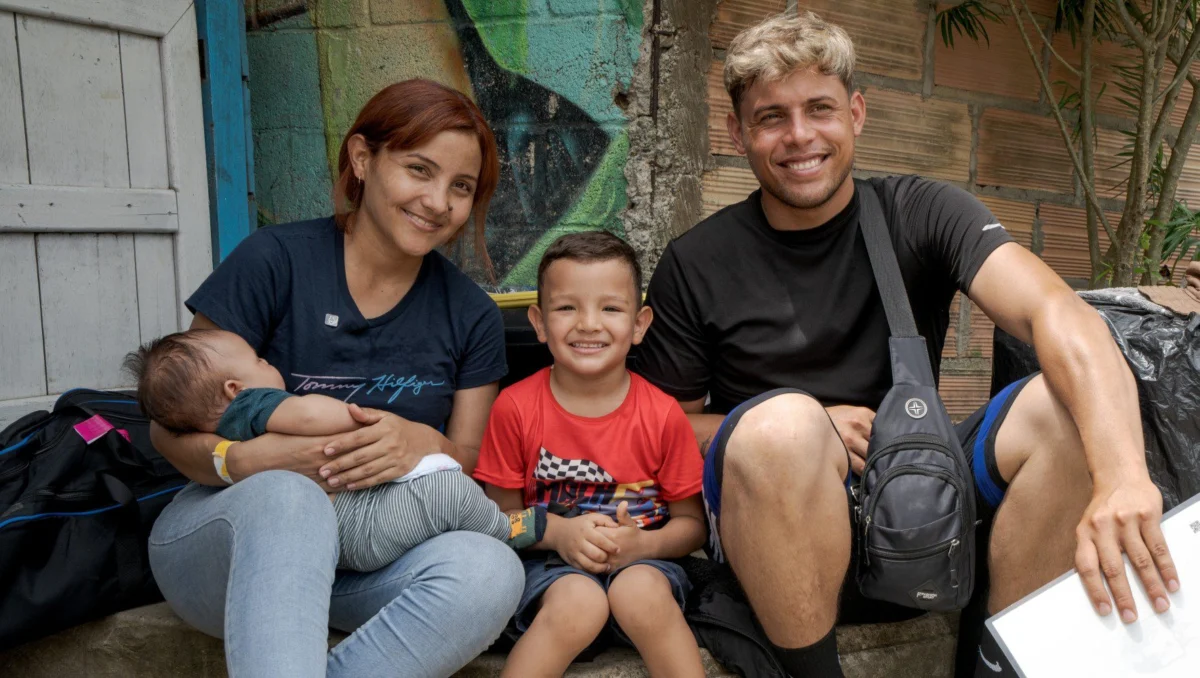
On August 10, 2026, a catastrophic 7.4 magnitude earthquake struck the Chocó province of Colombia, centering on the municipality of San José del Palmar. The seismic event, which sent shockwaves throughout the western half of the nation, has triggered one of the most complex humanitarian crises in the country’s recent history. More than a month later, the scale of the devastation remains profound, with over 466,000 people displaced or severely impacted and more than 200,000 residential structures rendered uninhabitable or partially damaged. As the immediate search-and-rescue phase gives way to a long-term recovery effort, organizations like HIAS Colombia are navigating a landscape defined by both tectonic tragedy and compounding environmental and social pressures.
A Chronology of the Crisis
The disaster began at a time when the region was already grappling with climate-induced stressors. By mid-August, the immediate aftermath revealed a landscape of broken infrastructure and severed communication lines. In the hours following the initial tremor, the Colombian government declared a state of emergency, mobilizing military and civil defense units to reach the most isolated rural sectors.
By mid-August, the death toll began to climb, reaching 331 confirmed fatalities, with 111 individuals still missing as of early September. The human cost has been compounded by over 4,500 documented injuries, placing an immense strain on regional medical facilities, many of which sustained their own structural damage during the quake.
The weeks following the earthquake saw a transition from acute survival to the realization of long-term displacement. By September 10, official flash reports from international humanitarian bodies confirmed that the provinces of Risaralda, Valle del Cauca, Chocó, Quindío, and Caldas were the epicenter of the catastrophe. The cumulative effect of the earthquake has been a total disruption of the social fabric, leaving hundreds of thousands of people without access to the most basic human requirements: clean water, safe shelter, and reliable electricity.
Complex Humanitarian Context
The 2026 earthquake did not occur in a vacuum; rather, it struck a region already beleaguered by a "polycrisis." Meteorologists and humanitarian observers have noted that the earthquake coincided with an active El Niño cycle, which has historically caused severe drought and wildfires across the Colombian landscape. This environmental instability has been further complicated by ongoing flooding events in various parts of the country and persistent conflict-related displacement.
The interaction between these stressors is creating a "compounding effect." For instance, in the rural communities of Naranjal and Primavera, the lack of infrastructure—already strained by drought—was shattered by the seismic activity. Without functional transportation corridors, the delivery of food aid and medical supplies has become a logistical hurdle. Furthermore, the damage to health centers and educational institutions has effectively halted public services for vulnerable populations, forcing families to rely entirely on non-governmental organizations (NGOs) and international aid.
HIAS Colombia: A Strategic Response
In response to the escalating crisis, HIAS Colombia has positioned itself at the forefront of the humanitarian delivery mechanism. Leveraging its established presence in the country, the organization mobilized rapid-response teams within hours of the event to coordinate with local partners and assess the most acute needs.
The HIAS strategy is multifaceted, addressing both the immediate physiological needs of survivors and the longer-term requirement for social stability. Through the UNIR consortium and with the financial backing of the Colombia Humanitarian Fund, HIAS has distributed essential hygiene and sanitation kits to families in remote areas. These kits are critical in preventing the spread of waterborne diseases in the wake of destroyed sanitation infrastructure.
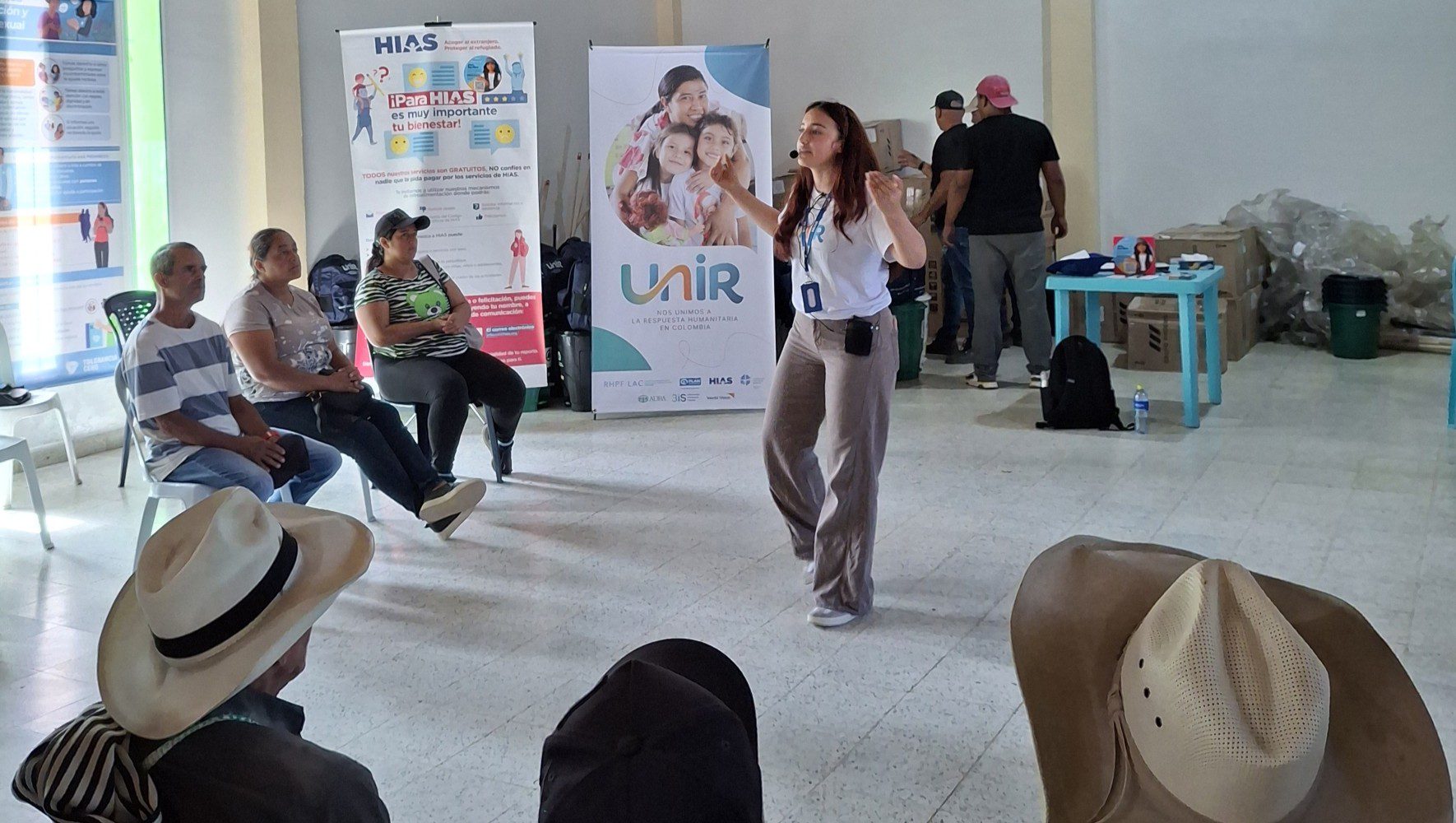
Beyond material aid, HIAS has introduced community-based learning initiatives. These sessions are designed to empower survivors with practical knowledge regarding hygiene protection, waste management, and sustainable self-care. By fostering community resilience, the organization aims to mitigate the psychological and physical health risks that often follow large-scale displacement.
Addressing the Housing Gap
Perhaps the most pressing concern for the thousands of displaced citizens is the loss of shelter. With over 200,000 homes damaged, the housing deficit is staggering. HIAS has implemented a targeted temporary housing program in partnership with Airbnb, providing an immediate safety net for those most at risk, including families with young children, individuals with chronic health conditions, and survivors of sexual or domestic violence.
The case of Catherine, a survivor whose home was rendered structurally unsound, serves as a poignant example of this intervention. After being referred by a local partner, Catherine and her children were placed in temporary housing in the city of Cali. This arrangement provides a 28-day window of stability, allowing displaced individuals to transition out of emergency shelters and develop a sustainable plan for long-term housing. This model, while limited in scale, provides a blueprint for how public-private partnerships can effectively address the immediate post-disaster housing gap.
Statistical Overview and Economic Impact
The economic and structural impact of the August 10 earthquake is expected to reverberate for years. According to official reports, the total number of affected individuals represents a significant portion of the western Colombian population. The damage to educational institutions means that thousands of children are currently out of school, a situation that risks creating a long-term educational deficit for the region.
From an analytical standpoint, the crisis highlights the vulnerability of rural Colombian infrastructure to seismic events. The concentration of damage in the Chocó and surrounding provinces underscores a need for more robust construction standards and the integration of disaster-risk reduction (DRR) into local planning. As the government continues its damage assessments, the financial requirements for reconstruction are projected to reach into the hundreds of millions of dollars, necessitating sustained support from the international community.
Official and Organizational Perspectives
While the Colombian government has taken the lead in coordinating the emergency response, the role of international NGOs remains critical in filling the gaps in service delivery. Organizations like HIAS have emphasized that the current situation is far from resolved. "While the initial shock has passed, the reality for the survivors is a daily struggle for stability," noted a representative for the humanitarian efforts in the region.
The necessity for ongoing, flexible funding is clear. The Colombia Humanitarian Fund remains a vital artery for the operation, but as the news cycle shifts away from the initial tragedy, the risk of "donor fatigue" poses a threat to long-term recovery projects. The current objective for aid organizations is to maintain visibility for the crisis, ensuring that the rebuilding process remains adequately funded.
The Path Forward
The recovery trajectory for the affected provinces of Colombia will be long and arduous. As the country moves into the next phase of the emergency—shifting from acute relief to recovery and reconstruction—the focus must remain on the most vulnerable. This includes addressing the gendered impacts of the earthquake, as women and children are disproportionately represented among the displaced and those at risk of violence.
For the international community and individual donors, the message from the field is consistent: the crisis is not over. The provision of temporary housing, medical supplies, and food aid remains a daily necessity for hundreds of thousands of people. The efforts of HIAS Colombia and its partners represent a lifeline for those who have lost everything, but the scale of the destruction demands a collective, sustained response.
As the government of Colombia continues to work on long-term infrastructure repair and the restoration of public services, the support provided by NGOs will continue to be the difference between recovery and prolonged instability. The lessons learned from the August 10 earthquake—particularly regarding the need for better integration between local government, international aid, and the private sector—will likely shape the future of emergency management in the region for years to come. In the meantime, the work continues, one family and one home at a time, toward a more resilient future.




