
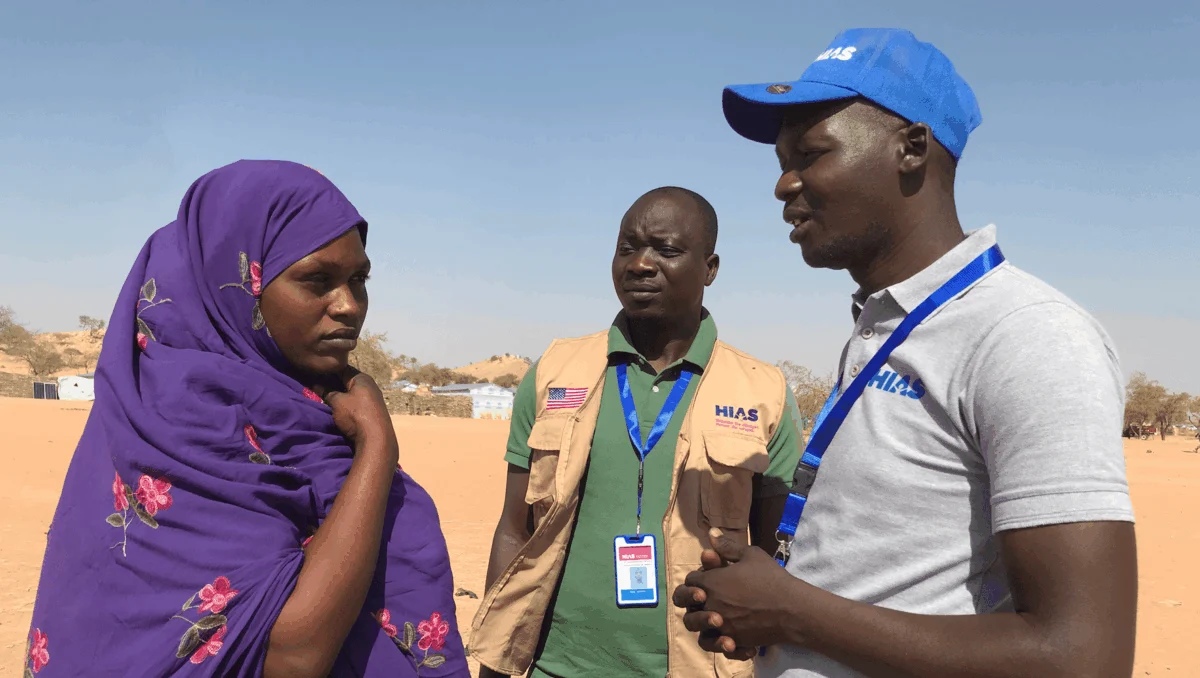
The civil war that erupted in Sudan in April 2023 has triggered one of the most severe displacement crises of the 21st century, fundamentally altering the demographic and humanitarian landscape of neighboring Chad. For millions of people, including 11-year-old Bachir, the conflict necessitated an instantaneous abandonment of home, security, and the simple markers of a stable childhood. As the conflict enters its fourth year, the convergence of massive refugee influxes and the exhaustion of local resources has created a precarious environment where humanitarian organizations like HIAS are working to bridge the gap between survival and recovery.
A Chronology of Crisis: From Geneina to Farchana
The roots of the current crisis can be traced back to the power struggle between the Sudanese Armed Forces (SAF) and the Rapid Support Forces (RSF), which descended into open warfare in Khartoum and quickly spread to the Darfur region. By May 2023, the violence reached Geneina, the capital of West Darfur, forcing residents to flee in a desperate bid for survival.
For Bachir and his family, the escape was harrowing. They joined the ranks of the hundreds of thousands who traversed the border into eastern Chad, often walking for days through arid, dangerous terrain. Upon arrival, these refugees were funneled into camps such as Farchana, a facility that has become a microcosm of the wider crisis. What began as an emergency response in 2023 has transitioned into a protracted state of exile, with millions of Sudanese now living in makeshift conditions, their futures tethered to a peace process that remains elusive.
The Scale of Displacement and Humanitarian Data
Current estimates indicate that the conflict has displaced approximately 14 million people, a staggering figure that represents a significant portion of Sudan’s pre-war population. Chad, which already hosted a substantial refugee population prior to 2023, is now the primary destination for those fleeing the violence. As of July 2026, more than 900,000 Sudanese refugees have sought safety within Chadian borders.
The demographic profile of this population is particularly concerning for international observers. UNICEF and various humanitarian monitoring bodies report that 61 percent of the Sudanese refugees in Chad are under the age of 18. Globally, children represent 39 percent of the refugee population; the higher concentration in Chad underscores the extreme vulnerability of this specific cohort. These children face systemic risks, including acute malnutrition, lack of access to formal education, and the psychological scars of witnessing targeted violence.
The Role of HIAS and Community Protection
In the absence of a stable resolution, HIAS has pivoted toward a comprehensive protection model. With the support of the Chad Humanitarian Fund and the UN Office for the Coordination of Humanitarian Affairs (OCHA), the organization has implemented a multi-faceted approach to address the dual challenges of trauma and economic instability.
Anitha Niyongira, HIAS Chad Program Manager, notes that the environment is inherently volatile. "I see every day how displacement, poverty, and limited services expose children to violence, exploitation, and neglect," Niyongira stated. The organization’s response focuses on several critical pillars:
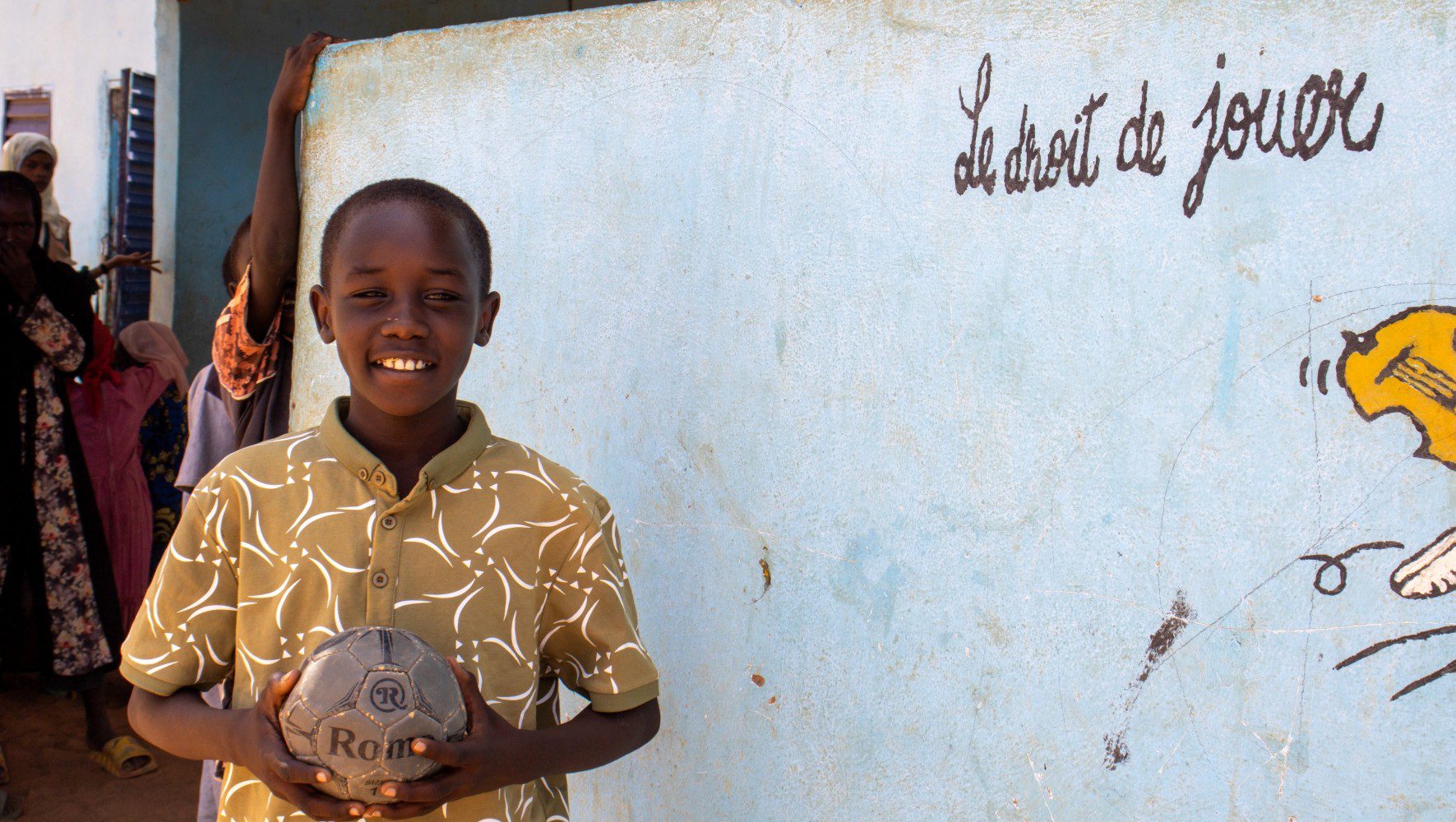
- Child-Friendly Spaces: Centers such as the "Espace Amis des Enfants" provide a structured environment for children to engage in educational and recreational activities, such as soccer and art, which are essential for psychological healing.
- Mental Health Support: Specialized counseling is provided to help children and caregivers process the trauma of displacement.
- Economic Empowerment: Recognizing that the stability of a child depends on the stability of the family, HIAS provides cash assistance and vocational training to help households achieve a degree of self-sufficiency.
Host Communities and the Fragility of Coexistence
The impact of the Sudanese conflict is not confined to the refugee camps. The influx has placed immense pressure on Chadian host communities, such as the village of Arkoum. In this region, 50,000 refugees now reside alongside local residents whose livelihoods have been disrupted by the sudden shift in land use.
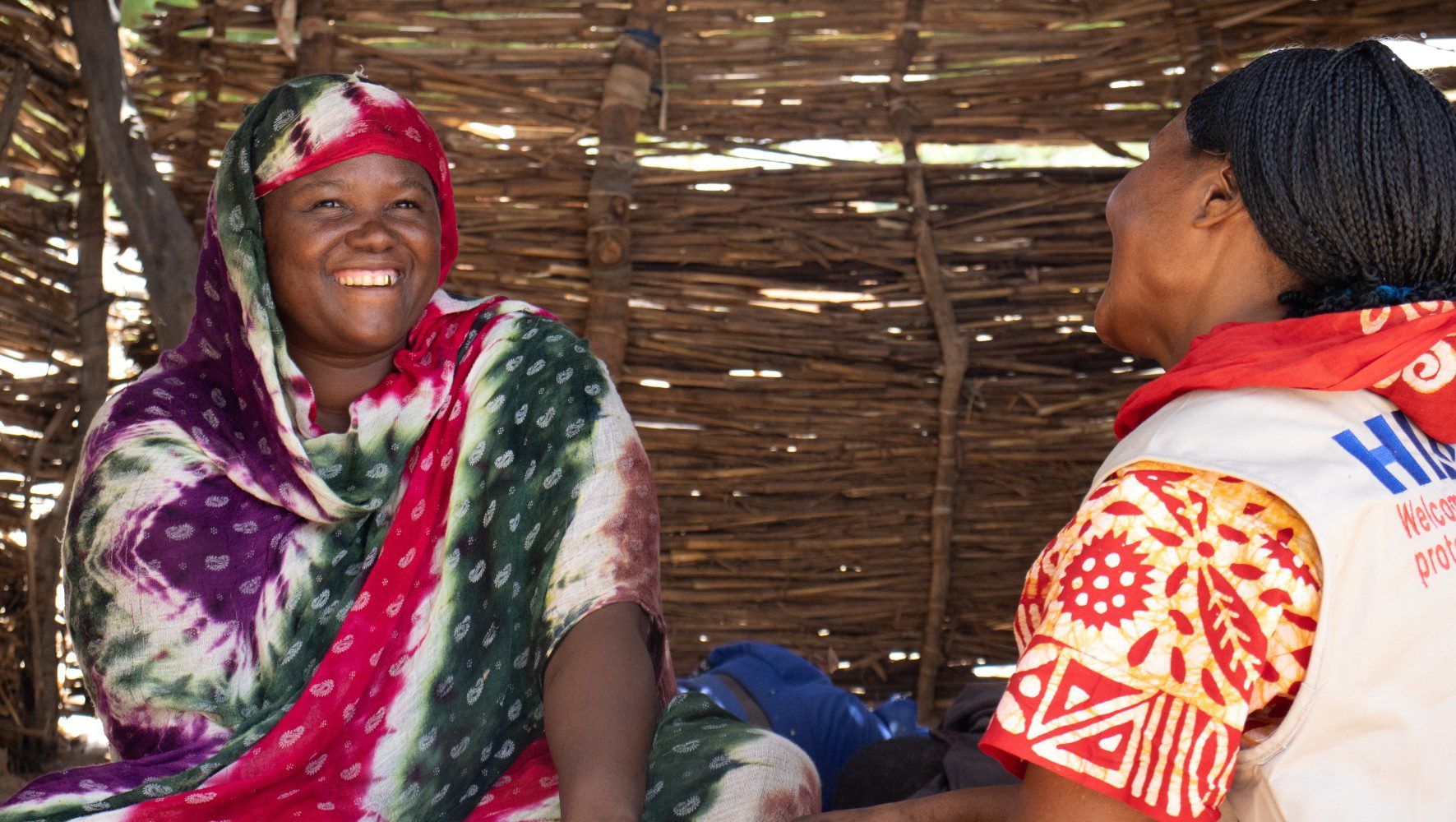
Matoua, a mother of six and a participant in HIAS programs, exemplifies the strain felt by local families. Her household, which previously relied on agricultural self-sufficiency, has been forced to adapt as traditional farmland has been repurposed to accommodate the refugee camps. The loss of access to arable land, coupled with the economic volatility of the region, has left many local families in a state of precariousness.
"The situation is very difficult," Matoua explains. "Without a husband, without fields, and with six children, it’s hard to make ends meet." Her testimony highlights a critical, often overlooked aspect of the crisis: the necessity of inclusive humanitarian programming. By extending support to host communities, organizations like HIAS aim to prevent social friction and ensure that the arrival of refugees does not lead to the marginalization of the host population.
Socio-Economic Implications and the Path Forward
The situation in Chad serves as a stark reminder of the long-term implications of protracted regional conflict. The "lean season"—the period between planting and harvest—has become a marker of intense hardship for families in eastern Chad. Rising food prices and the exhaustion of household stocks create a cycle of poverty that is difficult to break without consistent, targeted humanitarian intervention.
Analysts suggest that without an increase in international funding, the progress made by organizations like HIAS could be reversed. The current strategy of integrating economic assistance with protection services is not merely a stopgap measure; it is a vital investment in the stability of the region. By enabling families to generate income and providing children with educational opportunities, aid providers are attempting to prevent a "lost generation" of Sudanese youth.
The Psychological Dimension: Dreaming Beyond the Camp
Despite the grim statistics, the resilience of children like Bachir remains a focal point for aid workers. The return to schooling and the resumption of play are categorized by experts as "protective factors"—elements that bolster a child’s resilience against the adverse effects of war. Bachir’s passion for soccer, particularly his admiration for international figures like Lionel Messi, provides him with a sense of continuity that connects his life in the camp to his identity before the war.
However, the reality remains that these children live in a state of suspended animation. The "second home" provided by the Children’s Friendship Center is a vital sanctuary, but it is not a substitute for the stability of a permanent home. The work of HIAS, while effective in the immediate term, operates under the constant pressure of limited resources and a growing, long-term need.
Conclusion: The Imperative of Sustained Support
The crisis in Sudan and the resulting humanitarian emergency in Chad represent a significant test for the international community. The dual challenge of providing for 900,000 refugees while maintaining the welfare of host communities requires a sustained and robust response. As HIAS continues its work in the field, the narrative of individuals like Bachir and Matoua underscores a singular truth: the protection of the vulnerable is not optional.
Strengthening community protection systems, investing in local economic resilience, and ensuring that education and mental health services reach those most in need are the essential components of a functional humanitarian response. As the conflict in Sudan persists, the commitment to these programs remains the only viable path toward ensuring that children, even in the shadow of war, have the opportunity to grow up with dignity and the hope of a stable future. The survival of these families depends on the continued, coordinated support of global partners who recognize that the crisis in Chad is not just a regional issue, but a global humanitarian priority.




