
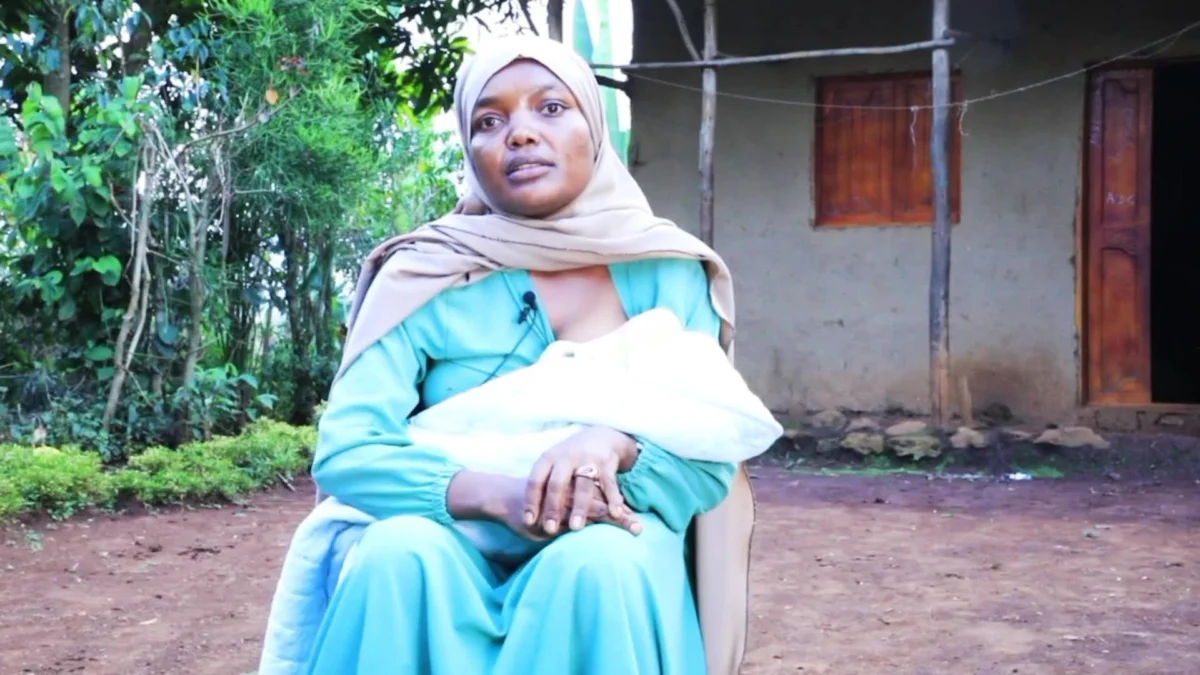
The rugged, high-altitude landscapes of rural Ethiopia are defined by their breathtaking yet unforgiving geography. Steep hills, jagged escarpments, and deep, winding ravines carve through agrarian valleys and pastoral plateaus, creating natural barriers that isolate entire communities from the modern world. For pregnant women residing in these remote territories, this geographic isolation has historically translated into a matter of life and death. When labor begins, treacherous terrain and the absence of reliable transportation routinely cut expectant mothers off from institutional medical care. For generations, this physical detachment—compounded by entrenched sociocultural barriers, persistent stigmas surrounding reproductive health, and a pervasive lack of formal health education—fueled a vicious cycle of high home birth rates and entirely preventable maternal and neonatal fatalities. Institutional delivery rates in these marginalized zones stagnated at a dismal 17 percent, leaving women to navigate pregnancy and childbirth with little to no clinical support.
The Genesis of the cMNH Model: Background and Deployment
Recognizing the urgent need to dismantle these systemic barriers, a coalition of public health organizations launched a targeted intervention in 2023. JSI, in close collaboration with Amref Health Africa and local community health leaders, designed and deployed the Community-Based Life-Saving Maternal and Newborn Health Service Delivery Model, widely known as cMNH. Structured as an intensive implementation research project, the initiative was strategically concentrated on 38 highly vulnerable communities spanning eight agrarian and 30 pastoral regions, areas historically plagued by exceptionally high home delivery rates.
Operating in tandem with seven primary health centers, the project footprint ultimately extended critical healthcare infrastructure and outreach to a total population of 210,787 individuals. At its core, the cMNH model bypasses traditional infrastructure limitations by placing trust and responsibility directly into the hands of the community. It relies on village health leaders (VHLs)—local community volunteers who are carefully selected, comprehensively trained, and deployed to serve as an indispensable bridge between isolated households and the formal primary healthcare system.
Chronology and Operational Framework
The rollout of the cMNH model followed a meticulous, phased chronology executed by regional health bureaus and woreda (district) health office experts. The foundational phase began in early 2023 with the recruitment and rigorous training of 187 village health leaders. These VHLs were tasked with the daunting assignment of mapping and tracking every pregnant woman within their assigned jurisdictions, ensuring that no expectant mother slipped through the cracks of the rural healthcare void.
Equipped with localized knowledge and trust, the VHLs initiated structured, confidential home visits. The operational protocol mandated a minimum of three scheduled interactions per pregnancy: two antepartum visits during the prenatal stage and one critical postpartum visit following delivery.
During these home visits, VHLs executed a dual strategy of commodity distribution and behavior change communication. Eschewing the passive educational models of the past, health leaders practiced the advance distribution of vital commodities. They placed life-saving medical supplies directly into the hands of pregnant women, including misoprostol to prevent postpartum hemorrhage, chlorhexidine for umbilical cord care, iron and folic acid supplements to combat anemia, and progestin-only pills for postnatal family planning. Simultaneously, structured counseling sessions were integrated into every visit. VHLs educated families on birth preparedness, complication readiness, and the distinct medical advantages of planning for facility-based deliveries.
Furthermore, VHLs acted as systemic facilitators, strengthening the broader referral networks between remote homesteads and primary health centers. They actively promoted the utilization of maternity waiting homes—residential facilities located near health centers where women from distant areas can stay safely in the final weeks of their pregnancies.
Crucially, the cMNH framework embraced a pragmatic, harm-reduction contingency approach. Acknowledging that deep-seated cultural preferences or sudden geographic emergencies would inevitably force some mothers to deliver at home, the program did not abandon them. Instead, VHLs instructed these women on the precise, sterile protocols required for utilizing the cMNH medical package in a domestic setting, ensuring that even unplanned home births maintained a baseline of clinical safety.
Personal Testimonies: Real-World Impacts on Vulnerable Lives
The true efficacy of the cMNH model is best illustrated through the lived experiences of the women it was designed to protect. Behind the aggregate data and epidemiological metrics lie profound individual transformations.
Iftu Abajebel’s journey exemplifies the ideal trajectory of the intervention. Identified and officially registered by her local VHL during the fourth month of her pregnancy, Iftu received the standard sequence of three scheduled home visits. During these interactions, she was provided with a two-month supply of iron and folic acid, alongside intensive birth-preparedness counseling that emphasized the irreplaceable safety of a clinical environment. Armed with information and logistical foresight, Iftu successfully navigated the challenges of her rural setting, planning for and ultimately achieving a safe institutional delivery at the nearest health facility.
Reflecting on her experience, Iftu noted that the continuous home visits, professional counseling, and actionable information provided by the VHLs gave her the preparation and psychological confidence she needed to pursue a facility birth.
Conversely, the case of Adanech Bayu highlights the model’s vital adaptability in handling complex social crises. Adanech, a teenager, faced severe familial conflict, intense social isolation, and severe confinement within her home after becoming pregnant unexpectedly. Her family’s strong desire to conceal the pregnancy placed her entirely outside the reach of conventional health services.
However, a VHL executing routine community surveillance identified Adanech and established a discreet, confidential channel of care. Recognizing that the intense familial stigma made a facility delivery nearly impossible, the VHL pragmatically adapted. While counseling Adanech on the theoretical importance of clinical care, the health leader also equipped her with the comprehensive cMNH home-delivery package and explicit safety protocols.
Adanech later recounted how this pragmatic intervention saved her and her child. Following the VHL’s precise instructions, she wrapped her newborn in a clean cloth and used a boiled razor blade to cut the umbilical cord. When she administered the postnatal medication provided by the VHL, the placenta was expelled safely, and she applied the prescribed antiseptic ointment to the infant’s umbilical cord. Today, Adanech’s child is entirely healthy—a testament to a model that meets vulnerable individuals precisely where they are, rather than where the system wishes they were.
Empirical Evidence and Supporting Data
To rigorously evaluate the efficacy of the intervention, researchers conducted a comprehensive endline household survey assessing 1,867 women who delivered within the target communities during the active intervention period. The resulting data demonstrated sweeping, statistically significant improvements across nearly every major maternal and neonatal health indicator.
Compared to baseline metrics that saw institutional deliveries languish at 17 percent, communities integrated into the cMNH program experienced a dramatic surge in facility-based births. The advance distribution of misoprostol successfully mitigated the primary driver of maternal mortality in low-resource settings—postpartum hemorrhage—while the widespread adoption of chlorhexidine drastically reduced neonatal sepsis rates. Furthermore, adherence to iron and folic acid supplementation protocols significantly lowered the prevalence of maternal anemia, a chronic vulnerability in Ethiopia’s agrarian and pastoral zones.
Official Responses and Institutional Perspectives
Public health officials and implementing partners have lauded the results of the implementation research project, viewing it as a blueprint for rural healthcare delivery in sub-Saharan Africa. Representatives from JSI and Amref Health Africa emphasized that the success of the initiative underscores a fundamental truth of global health: sustainable improvements in maternal mortality do not necessarily require the immediate construction of costly, high-tech hospitals. Instead, they require the intelligent empowerment of existing human capital.
Regional health bureau directors noted that the integration of VHLs bridges the chronic trust deficit that often exists between rural populations and formal government health institutions. By utilizing trusted community members who speak local dialects, understand cultural nuances, and share the daily realities of pastoral and agrarian life, the health system successfully dismantled decades of institutional alienation. Woreda health office experts further underscored that the model’s emphasis on supply-chain decentralization—getting life-saving commodities directly into households before emergencies strike—represents a paradigm shift in emergency obstetric care.
Broader Implications and Scalability
The implications of the cMNH model extend far beyond the borders of the 38 targeted communities in Ethiopia. As low- and middle-income countries grapple with persistent shortages of skilled healthcare personnel and the enduring geographic challenges of rural development, implementation research projects like cMNH offer a highly scalable, evidence-based framework.
The project proves conclusively that the community-based delivery of an integrated maternal and newborn health package by trained, supervised lay volunteers is not only feasible, but remarkably safe and culturally acceptable within highly underserved populations. By systematically neutralizing geographic isolation and dismantling sociocultural stigmas, the model demonstrates that primary healthcare linkages can be successfully optimized even in the most resource-constrained environments.
Ultimately, the cMNH initiative redefines the architecture of rural healthcare delivery. By shifting the locus of care from distant, inaccessible clinics directly to the homestead, Ethiopia is charting a viable path forward—one where geography no longer dictates destiny, and where preventable maternal and newborn mortality can be systematically eradicated through community trust and targeted logistical foresight.




