
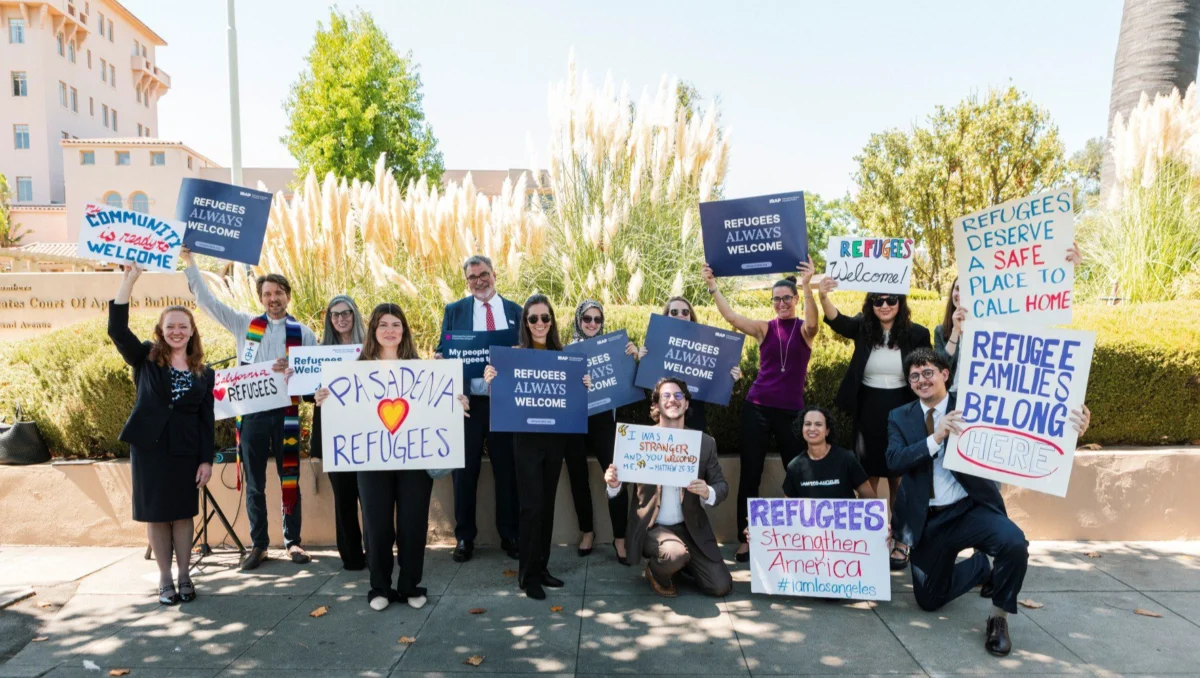
Israel currently serves as a host to approximately 60,000 displaced individuals, a population defined by a complex mosaic of geopolitical origins and a precarious legal status. This demographic includes roughly 30,000 asylum seekers primarily from Sudan and Eritrea, alongside another 30,000 individuals—largely Ukrainians and Russians—who arrived following the 2022 invasion of Ukraine. Despite the presence of these populations within the Israeli social fabric, many of whom possess fluent Hebrew and have resided in the country for over a decade, they remain systematically excluded from access to fundamental rights, including long-term healthcare, formal education, and stable employment.
Historical Context and the 1951 Refugee Convention
Israel’s relationship with international refugee law is marked by a deep historical irony. As one of the original signatories to the 1951 UN Refugee Convention—a framework born directly from the ashes of the Holocaust and the mass displacement crises of World War II—Israel was once positioned as a global leader in humanitarian commitments. However, in the modern era, the state has adopted a restrictive policy framework designed to deter asylum claims and encourage voluntary departure.
Statistical evidence underscores this shift. While the European Union maintains an asylum recognition rate exceeding 70% for Sudanese and Eritrean nationals, Israel’s asylum approval rate is consistently reported at less than 1%. This discrepancy has drawn significant criticism from international human rights monitors, who argue that the government’s systemic refusal to process claims effectively strips these populations of their protections under international law.
Chronology of the Asylum Crisis in Israel
The trajectory of the current crisis can be mapped through several critical milestones:
- 2006–2013: A surge of asylum seekers from East Africa entered Israel via the Sinai Peninsula, fleeing systemic persecution, forced military conscription, and genocide.
- 2013: The Israeli government completed a high-tech security fence along the Egyptian border, which effectively halted the influx of irregular migration.
- 2013–Present: The Israeli government began a delayed process of reviewing asylum claims. However, the vast majority of these cases remain in administrative limbo, with many applicants waiting over a decade for an initial hearing.
- 2022: The outbreak of the war in Ukraine prompted a new wave of displaced people to seek shelter in Israel, creating a secondary, though distinct, group of asylum seekers.
- October 2023–2026: The onset of the multi-front war involving Gaza, Lebanon, and regional actors exacerbated the vulnerability of non-citizen populations, who now face both the threat of active conflict and the exclusion from government-provided emergency safety nets.
The Mechanism of Legal Limbo: Conditional Release
For those who have managed to remain in the country, the Israeli government provides a "Conditional Release Permit." This document serves a dual function: it protects the holder from immediate deportation, but it explicitly denies them access to the social services afforded to citizens or permanent residents.
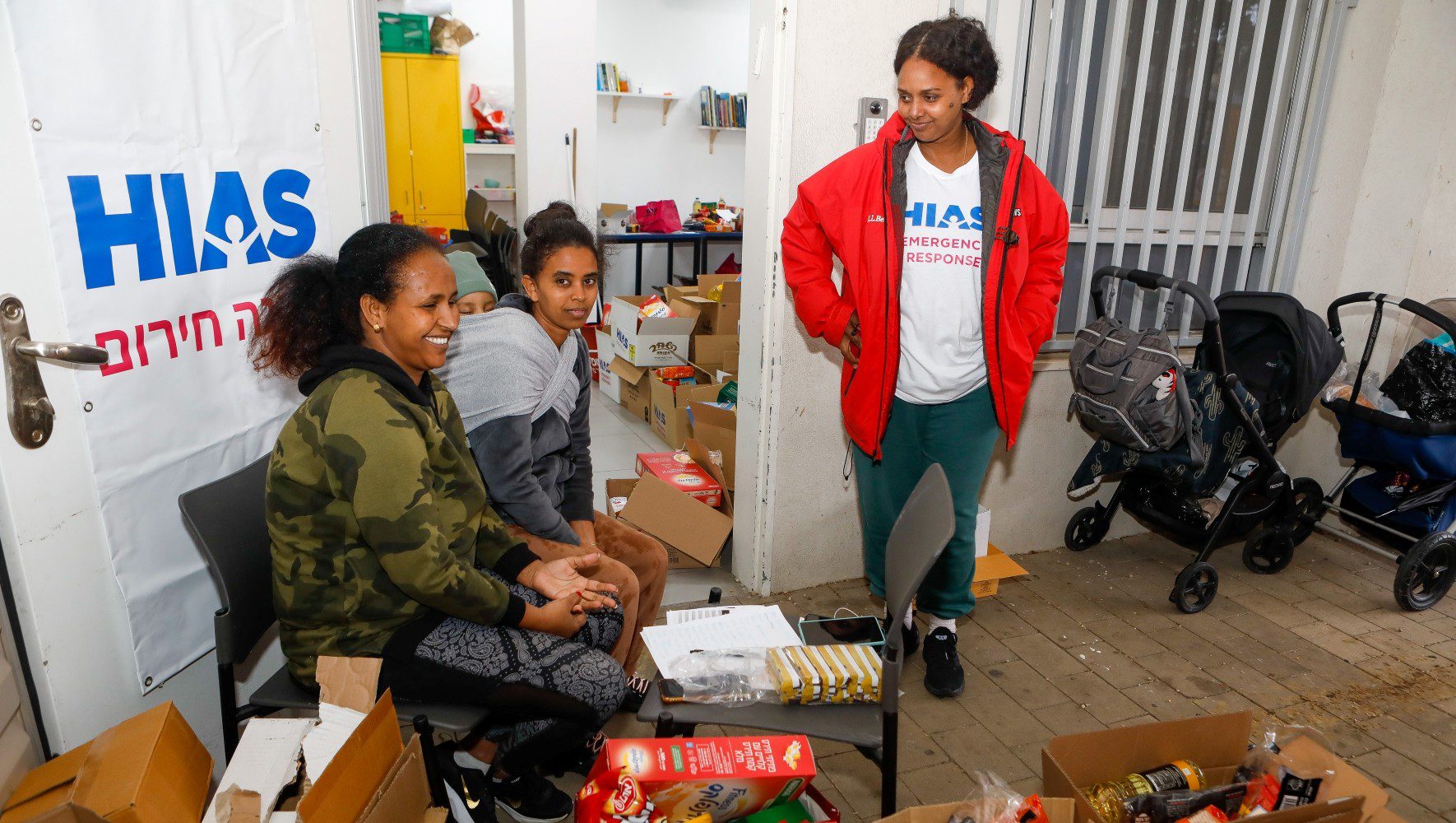
The permit is not a work visa. Consequently, employers face no legal repercussions for hiring these individuals, but the lack of formal work authorization leaves asylum seekers vulnerable to exploitation, wage theft, and workplace abuse. The Ministry of the Interior frequently imposes administrative burdens on the renewal of these permits, often requiring legal intervention—frequently provided by organizations like HIAS—to ensure that asylum seekers do not fall into an undocumented status that could lead to detention.
Geopolitical Drivers of Displacement
The populations residing in Israel are not a monolithic group; they are driven by distinct, yet equally dire, geopolitical realities. Eritrean refugees are fleeing what is widely considered one of the world’s most repressive regimes, characterized by indefinite national service that many international bodies describe as state-sanctioned slave labor. Sudanese refugees, many of whom arrived nearly two decades ago, are now unable to return due to the ongoing civil war that has engulfed their homeland since 2023, resulting in the internal displacement of millions.
For Ukrainian and Russian nationals who arrived post-2022, the challenges are similarly profound. While they have received more public sympathy and occasional administrative support, they share the same structural barriers as their African counterparts, specifically regarding the inability to secure permanent legal status or social security coverage.
Humanitarian Response in an Era of Wartime
The security situation since October 2023 has fundamentally changed the landscape for non-citizens in Israel. When war broke out, many asylum seekers found themselves in high-risk zones, facing the same rocket fire and displacement as Israeli citizens. Unlike the broader population, however, asylum seekers were largely excluded from government-sponsored evacuation and emergency aid packages.
In response, NGOs, led by HIAS Israel, have stepped into the vacuum to provide emergency assistance. The current humanitarian strategy focuses on three pillars:
- Direct Aid: Distribution of food, household supplies, and cash assistance to families who lost their primary sources of income due to the war.
- Legal Protection: Pro bono legal representation and strategic litigation aimed at forcing the state to provide basic safety services to non-citizens during wartime.
- Mental Health Support: Specialized counseling for individuals experiencing compounded trauma—specifically those who fled conflict in their home countries only to be subjected to the psychological stresses of the current war in Israel.
Analysis of Implications
The current policy of containment and the refusal to process asylum claims carry significant long-term implications for the Israeli state. From a humanitarian perspective, the state is effectively maintaining a permanent underclass that is vital to sectors like agriculture, hospitality, and construction, yet is denied the dignity of legal standing.

From a legal perspective, the lack of a functional asylum system continues to draw scrutiny from the international community and domestic judicial bodies. The reliance on NGOs to provide what are traditionally state-provided services—such as legal counsel and emergency social support—suggests that the government’s policy of deterrence is being mitigated only by the intervention of civil society.
The Path Forward: Advocacy and Resilience
HIAS Israel continues to advocate for a more transparent and humane asylum system. This includes pushing for the processing of pending applications, the recognition of international protection standards, and the integration of refugees into the national social safety net.
As the regional security situation remains volatile, the necessity of these advocacy efforts is heightened. The resilience of the refugee community in Israel—often characterized by their integration into the labor market and their efforts to maintain community structures—remains a testament to their desire for safety and stability. However, without a structural shift in the government’s approach to asylum, these individuals will likely continue to exist in a state of suspended animation, tethered to a country that provides them with temporary sanctuary but denies them the pathway to a secure future.
The continued commitment of organizations and private donors remains the primary safeguard against the total marginalization of these groups. As the wars in the region evolve, the focus of humanitarian aid will shift toward long-term stabilization and the ongoing legal battle to redefine the rights of the displaced within the Israeli legal framework. For the approximately 60,000 people caught in this web of policies, the future remains as uncertain as the day they first arrived, highlighting an urgent need for a policy shift that reconciles national security with fundamental human rights.




