
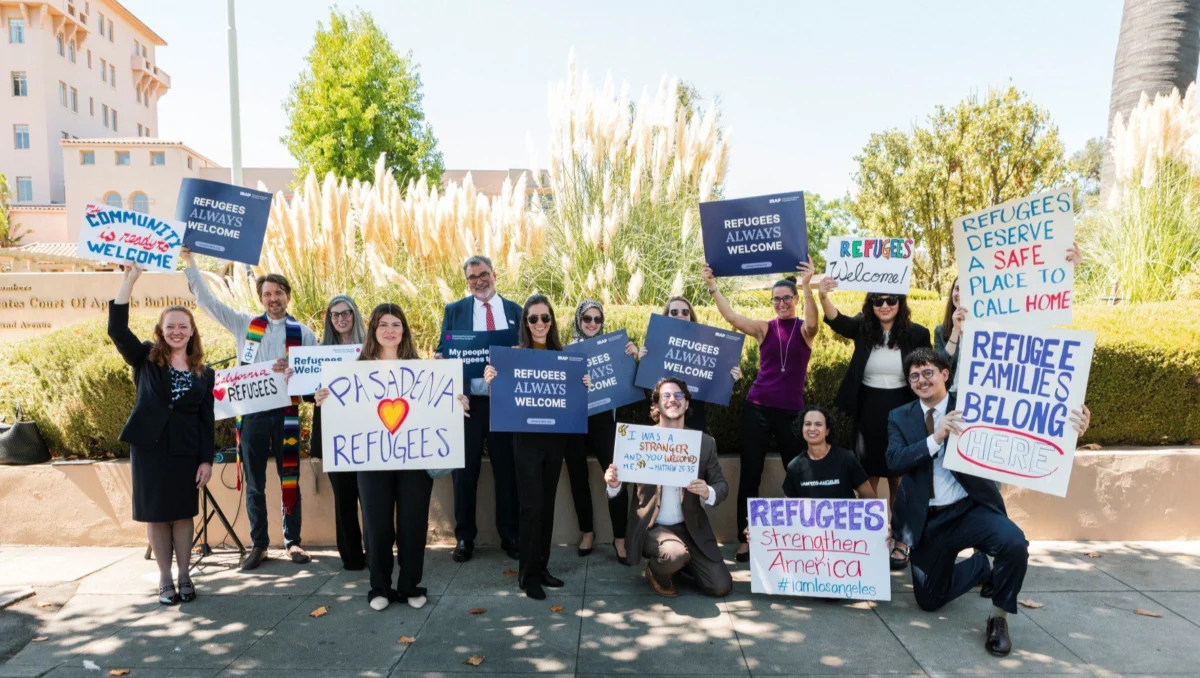
Israel currently serves as home to approximately 60,000 displaced individuals, a diverse demographic comprising roughly 30,000 asylum seekers from Sudan and Eritrea, alongside 30,000 Ukrainians and Russian nationals who have sought refuge following the escalation of conflicts in Eastern Europe. Despite a significant portion of this population having integrated into Israeli society—many fluent in Hebrew and active in the local workforce—they exist in a state of legal and social limbo. With minimal pathways to permanent residency and restricted access to essential public services, including comprehensive healthcare and social security, these individuals remain highly vulnerable to the shifting tides of regional politics and domestic policy.
A Historical Context of Asylum in Israel
Israel’s relationship with international refugee law is rooted in its status as one of the original signatories to the 1951 UN Refugee Convention. Drafted in the shadow of the Holocaust and the mass displacement characterizing the post-World War II era, the Convention was intended to provide a universal framework for the protection of the persecuted. However, the application of these principles within the Israeli domestic framework has been characterized by rigorous deterrence policies.
Data from the past decade highlights a stark disparity between Israel’s commitments under international law and its domestic administrative outcomes. The asylum approval rate in Israel remains below 1%, a figure that stands in sharp contrast to European Union standards, where recognition rates for Eritrean and Sudanese applicants frequently exceed 70%. This systemic bottleneck, combined with a government policy designed to discourage long-term settlement, has left the vast majority of asylum seekers in a state of perpetual insecurity.
Chronology of Migration and Policy Evolution
The influx of African asylum seekers, primarily from Eritrea and Sudan, peaked in the mid-2000s, with many individuals traversing the Sinai Peninsula—a route notorious for the presence of human traffickers and severe human rights abuses.
- 2013: The Israeli government completed the construction of a high-tech security fence along the Egyptian border, effectively halting irregular crossings. This year also marked the initiation of the formal processing of asylum claims for Sudanese and Eritrean nationals, though the vast majority of these cases remain unresolved years later.
- 2013–2018: The establishment and utilization of the Holot Residential Facility represented a period of intensified detention, where many asylum seekers were held in open-style detention centers.
- 2022: The Russian invasion of Ukraine prompted a new wave of displacement, leading thousands of Ukrainians and Russians to seek sanctuary in Israel. While these groups have received different administrative treatment than the African asylum-seeker population, they face similar systemic challenges regarding long-term legal status and integration.
- 2023–2026: The onset of the war in Gaza, followed by broader regional hostilities involving Lebanon and Iran, has created an emergency environment that disproportionately affects those without full citizenship, as they lack the social safety nets afforded to the broader public.
The Mechanism of Conditional Release
Central to the legal status of most asylum seekers in Israel is the "Conditional Release Permit." While this document serves as a protective barrier against immediate deportation, it is not a pathway to citizenship or permanent residency. The permit mandates regular renewals through the Ministry of the Interior—a process that has become increasingly bureaucratic and unpredictable.
Without a legal work visa, asylum seekers operate in a grey market. While the government generally refrains from prosecuting employers who hire permit holders, the lack of formal labor protections leaves these workers susceptible to exploitation, wage theft, and workplace safety hazards. This institutionalized precarity ensures that even those who have lived in Tel Aviv or Haifa for over a decade remain one administrative error away from losing their right to stay.
Regional Conflict and the Humanitarian Burden
The outbreak of conflict on October 7, 2023, and the subsequent regional instability have fundamentally altered the humanitarian landscape for non-citizens in Israel. Displaced people, particularly those from African nations, have found themselves in a unique position: they are subject to the same rocket attacks and security directives as the Israeli population, yet they are largely excluded from government-sponsored emergency relief and compensation programs.
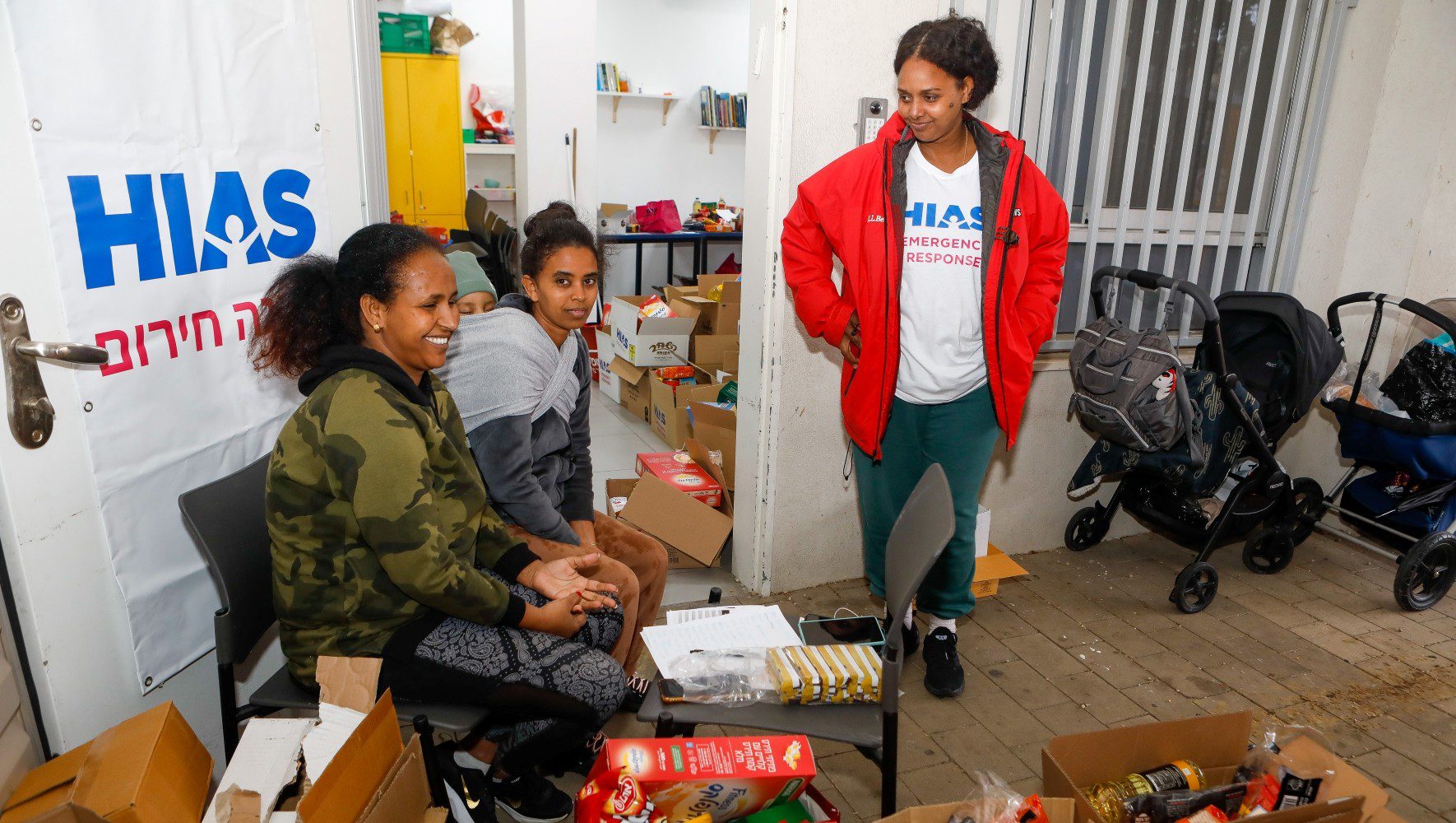
HIAS Israel has documented a significant increase in demand for emergency mental health support, as many refugees are experiencing "re-traumatization." For those who fled civil wars in Sudan or the repressive regime of Eritrea, the sound of sirens and the reality of war in their host country trigger past traumas. In response, organizations like HIAS have pivoted toward direct humanitarian aid, providing cash transfers, food, and shelter to bridge the gap left by the state.
Legal Advocacy and Strategic Litigation
The advocacy work conducted by HIAS and its pro bono partners focuses on two primary fronts: direct legal representation and strategic litigation. By providing asylum seekers with counsel, HIAS helps individuals navigate the complex, often opaque, processes of the Ministry of the Interior.
Strategic litigation involves taking systemic issues to the Israeli High Court of Justice. These interventions have successfully challenged the legality of indefinite detention and the restrictive practices surrounding permit renewals. However, the legal environment remains challenging, as the judiciary is often reluctant to interfere with the executive branch’s broad interpretation of national security and immigration control.
The Impact of Geopolitical Instability
The global situation for the refugees currently in Israel is equally grim, which complicates any potential "voluntary" repatriation. Eritrea continues to be cited by international human rights organizations as one of the world’s most restrictive regimes, characterized by mandatory, indefinite military conscription and a lack of civil liberties. Sudan, meanwhile, is currently embroiled in a devastating civil war that has rendered return impossible for millions.

For the Ukrainian and Russian refugees, the situation is dictated by the duration and intensity of the conflict in Eastern Europe. The uncertainty regarding their long-term legal status creates a "wait and see" approach, preventing these families from fully investing in their future in Israel, despite their cultural and linguistic ties.
Implications for Israeli Society
The treatment of asylum seekers carries significant implications for Israel’s international standing and its internal social fabric. Critics argue that the current policy of "managed limbo" ignores the economic reality that many industries—such as hospitality, caregiving, and construction—are reliant on this labor force. By failing to provide a clear path to legal status, the state inadvertently fosters an environment where marginalized populations are pushed into the shadows of the informal economy.
Furthermore, humanitarian organizations emphasize that the resilience of Israeli society during wartime is linked to the well-being of all its inhabitants. By neglecting the specific needs of the 60,000 displaced people within its borders, the state risks creating pockets of severe poverty and social instability in urban centers.
A Call for Sustained Support
As the regional security situation remains volatile, the need for international and local humanitarian intervention is expected to grow. HIAS and other NGOs continue to urge for a more robust, transparent asylum system that adheres to the spirit of the 1951 Convention.
The immediate challenges remain the same: providing for the basic human needs of food, shelter, and medical care, while simultaneously fighting for the dignity of those who have already lost everything in their home countries. For the thousands of families waiting for a permit renewal or a court decision, the work of these organizations is not merely a service—it is a lifeline in an environment where they have historically been excluded from the safety of the state.
Moving forward, the intersection of domestic policy and regional war will likely remain a central theme in the discourse surrounding human rights in Israel. Whether the government will eventually move toward a more inclusive integration policy or maintain its current stance of deterrence remains the defining question for the tens of thousands of individuals caught in the crossfire of history.




