
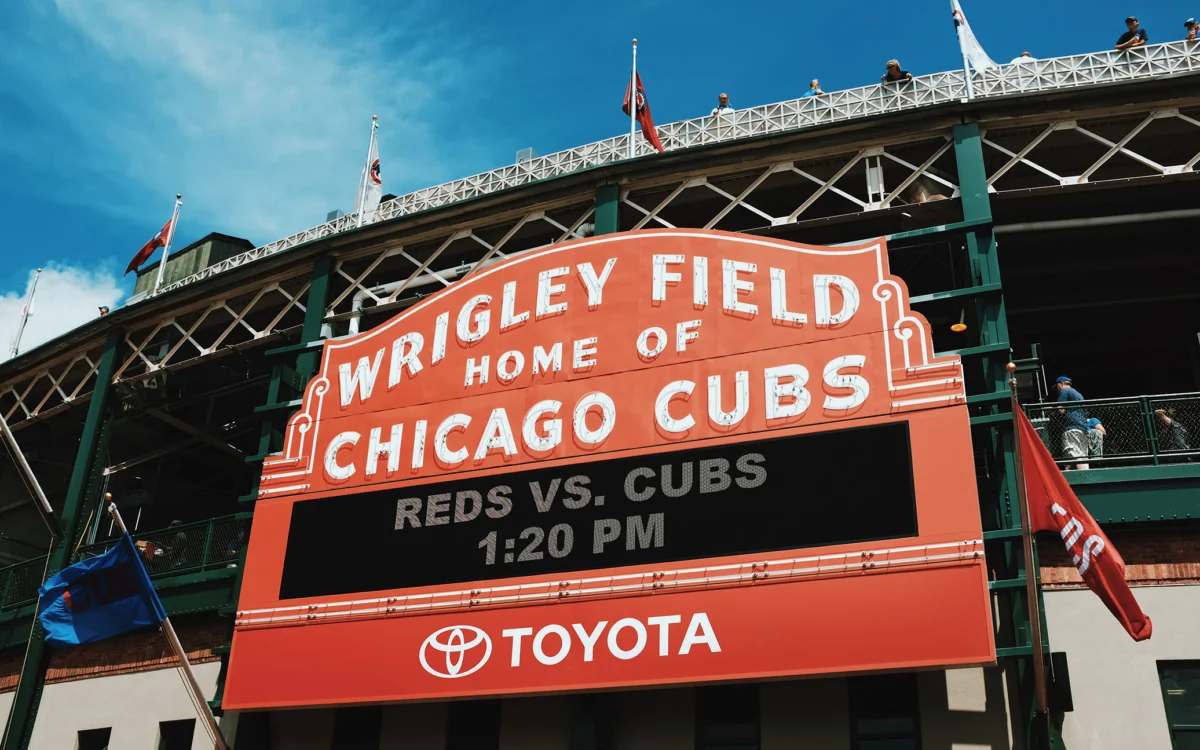
Historic Wrigley Field, the enduring home of the Chicago Cubs, has officially achieved a milestone in sports accessibility by becoming the first Major League Baseball stadium to be designated as a Certified Autism Center. The announcement, made jointly by the Chicago Cubs organization and the International Board of Credentialing and Continuing Education Standards, represents a significant evolution in how historic sports venues accommodate fans with diverse neurological needs. This landmark achievement reflects a growing movement within the sports and entertainment industry to prioritize inclusivity, ensuring that individuals on the autism spectrum and those with sensory sensitivities can enjoy live sporting events without the traditional barriers that often make large public gatherings overwhelming.
The path to this certification involved comprehensive organizational training, operational restructuring, and collaboration with accessibility experts. To meet the stringent standards required for the designation, at least 80 percent of Wrigley Field employees who interact directly with the public were mandated to complete specialized autism and sensory-awareness training. Administered by the IBCCES, this curriculum equips frontline personnel—including guest services representatives, ushers, security staff, and concessions workers—with the foundational knowledge, practical skills, and behavioral strategies necessary to recognize, welcome, and assist autistic visitors and individuals with sensory processing differences.
Chronology and Background of the Initiative
The journey toward making the iconic "Friendly Confines" an autism-certified venue builds upon years of incremental accessibility enhancements implemented by the Cubs franchise. While the recent certification announcement marks the culmination of staff-wide educational efforts, the organization has long recognized the necessity of supporting neurodivergent fans.
The institutional commitment to sensory inclusivity was notably demonstrated in 2020 when Sloan Park, the Cubs’ Spring Training facility located in Mesa, Arizona, earned its own Certified Autism Center designation. The choice of Mesa was strategic; the surrounding municipality holds the distinction of being the first city in the United States to be designated as an Autism-Certified City, creating a synergistic environment where both the spring training operations and the local community championed neurodiversity.
Following the success at Sloan Park, the Chicago Cubs leadership sought to translate those operational successes to their historic flagship stadium in Chicago. Wrigley Field presents unique architectural and logistical challenges compared to modern ballparks due to its status as a designated landmark built in 1914. Integrating modern accessibility infrastructure into a century-old ballpark required careful planning, staff dedication, and external partnerships. Over the subsequent years, the organization integrated sensory-friendly resources, culminating in the recent staff training initiative that pushed the stadium across the threshold required for full certification.
Supporting Data and Existing Sensory Infrastructure
The operational framework supporting the new Certified Autism Center designation at Wrigley Field relies heavily on tangible resources designed to mitigate sensory overload. Large-scale sporting events inherently feature intense sensory stimuli, including sudden loud noises from crowds and public address systems, bright and flashing stadium lights, massive crowds, and confined spaces. For autistic individuals and those with sensory processing disorders, these environmental factors can trigger anxiety, sensory fatigue, or sensory meltdowns.
To counter these challenges, Wrigley Field has established a robust support system in partnership with KultureCity, a leading non-profit organization dedicated to sensory accessibility and inclusion. Fans attending games at the ballpark can access specialized sensory bags. These portable kits are available for checkout and include items specifically chosen to help regulate sensory input, such as high-grade noise-canceling headphones, fidget tools to help channel restless energy, and non-verbal cue cards that assist visitors in communicating their emotional and physical states to staff or family members.
In addition to mobile sensory tools, the stadium features a dedicated sensory room. Located within the ballpark, this specialized space provides a controlled, quiet environment where guests can retreat if the sensory input of the game becomes overwhelming. The room is outfitted with a variety of calming and interactive installations, including sound machines to mask ambient stadium noise, gentle and adjustable lighting, tactile texture walls, and interactive elements such as Sparkle Eco Cubs that feature LED lights responsive to touch. These features allow overwhelmed visitors to decompress in a safe, supportive space before choosing whether to return to their seats.
Official Responses and Stakeholder Perspectives
Leadership from both the Chicago Cubs organization and the IBCCES emphasized the broader cultural significance of the certification during the joint announcement.
David Cromwell, the Chief Operations Officer of the Chicago Cubs, highlighted the operational philosophy driving the initiative. "Creating the world’s best guest experience starts with understanding that fans experience the ballpark in different ways," Cromwell stated. "Our guest-facing staff now have additional tools to communicate with and support autistic and sensory-sensitive fans from the moment they arrive at Wrigley Field." This perspective signals a shift in sports management away from a one-size-fits-all guest model toward individualized hospitality that accounts for neurological differences.
Myron Pincomb, the CEO and board chairman of IBCCES, underscored the unifying power of baseball and the responsibility major sports franchises have toward their communities. "Baseball has a unique ability to bring people together, creating memorable experiences for fans of all ages and abilities," Pincomb said. "By becoming a Certified Autism Center, Wrigley Field is demonstrating its commitment to providing a more welcoming and accessible environment where autistic and sensory-sensitive fans can enjoy the excitement of game day with greater confidence and comfort."
Broader Industry Implications and Future Outlook
The designation of Wrigley Field as a Certified Autism Center carries implications that extend far beyond the historic neighborhood of Wrigleyville, potentially accelerating a trend across Major League Baseball and the broader sports and entertainment sectors.
For decades, stadium accessibility discussions centered primarily on physical mobility impairments, governed largely by the standards set forth by the Americans with Disabilities Act. While physical ramps, elevators, and wheelchair-accessible seating remain foundational elements of stadium design, the modern definition of accessibility has broadened considerably to encompass invisible disabilities. Neurodivergence, sensory sensitivities, anxiety disorders, and cognitive differences affect millions of sports fans who previously found attending live events challenging or entirely prohibitive.
By successfully certifying a historic, high-capacity venue like Wrigley Field, the Chicago Cubs have demonstrated that age and architectural constraints are not insurmountable barriers to comprehensive sensory inclusion. This precedent is expected to encourage other historical ballparks, arenas, and entertainment venues to pursue similar certifications. Furthermore, as professional sports leagues increasingly emphasize diversity, equity, and inclusion, the integration of neurodiversity training into standard employee onboarding could become an industry-wide benchmark.
The economic and social implications are equally notable. Families with autistic children often face significant logistical hurdles when planning leisure activities, frequently avoiding public venues due to a lack of accommodating infrastructure and trained personnel. When a premier entertainment destination certifies its staff and establishes dedicated sensory resources, it removes the guesswork and anxiety for these families. This not only expands the demographic reach of the venue, welcoming a previously underserved segment of the population, but also fosters a more empathetic and aware workforce capable of delivering high-quality customer service to all patrons.
As Wrigley Field prepares to host future seasons under this new designation, the initiative stands as a practical blueprint for how legacy infrastructure can adapt to contemporary standards of social responsibility. Through the combination of rigorous employee education, tangible sensory tools, dedicated physical spaces, and institutional will, the historic ballpark has reinforced its status as a community cornerstone that evolves with the needs of its diverse fan base.




