
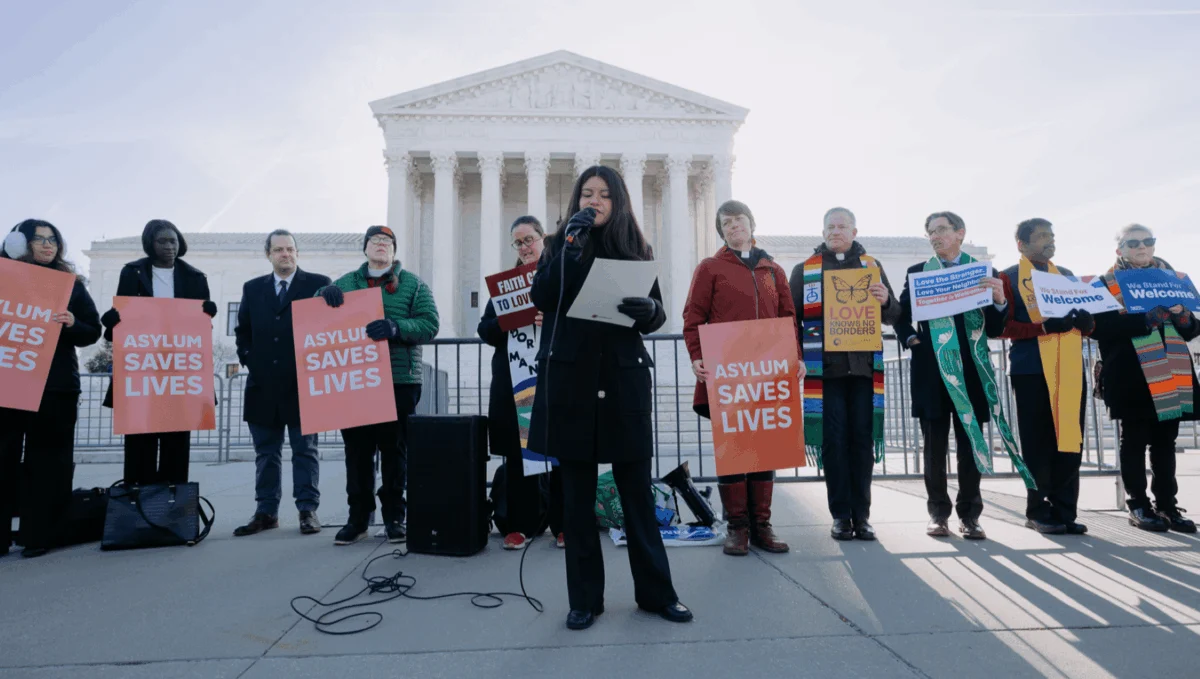
Since the inauguration of President Donald Trump for his second term, the infrastructure of the United States asylum system has undergone a radical transformation, moving from a humanitarian framework rooted in the 1951 Refugee Convention to a restrictive model prioritizing deterrence and removal. Over the past two years, the administration has implemented a series of executive orders, regulatory shifts, and legislative maneuvers that have effectively rendered the prospect of seeking refuge in the United States nearly impossible for those fleeing persecution based on race, religion, nationality, political opinion, or social group membership.
A Chronology of Policy Shifts
The erosion of the asylum system did not occur in a vacuum; it followed a calculated, multi-stage strategy. Shortly after taking office, the administration issued a broad executive order effectively shuttering the U.S.-Mexico border to asylum seekers. This order bypassed traditional protocols, mandating that individuals—regardless of the documented dangers they face in their home countries—be turned away at ports of entry.
By the summer of 2025, the legislative landscape shifted when Congressional allies passed a bill imposing, for the first time, mandatory fees on asylum applications. This measure, which also introduced surcharges for work-authorization requests and annual fees for pending cases, placed a significant financial burden on vulnerable populations. By early 2026, the administration moved to solidify these barriers by removing the requirement for an interview with an asylum officer, bypassing initial screenings and funneling applicants directly into an overburdened immigration court system.
Data and Trends in Enforcement
The scale of this shift is reflected in the changing metrics of detention and removal. According to recent reports, over 50 individuals have died in Immigration and Customs Enforcement (ICE) custody since the start of the administration’s second term. The reliance on detention has reached new heights, with policy changes prohibiting immigration judges from releasing detainees during the lengthy adjudication process. This “indefinite detention” model serves as a psychological pressure tactic, often coercing asylum seekers to abandon their claims simply to secure their release from conditions that have been described by human rights advocates as life-threatening.
Furthermore, the expansion of "third-country removals" has introduced a new dimension to U.S. immigration policy. Historically a tool used sparingly for specific case circumstances, third-country deportation is now a central pillar of the administration’s strategy. The government is increasingly transferring individuals to countries where they have no ties—such as El Salvador or South Sudan—if they cannot be returned to their home nations. This practice is widely viewed as an intimidation tactic, designed to signal to migrants that the cost of pursuing legal protection in the U.S. is permanent displacement to a foreign environment.
The Erosion of Judicial Independence
The institutional integrity of the immigration court system has also been a focal point of these reforms. The administration has conducted a widespread turnover of the immigration judiciary, replacing veteran judges with a new cohort trained in streamlined denial protocols. A key mechanism in this effort is the policy of "pretermission," which allows judges to dismiss asylum cases based on perceived procedural flaws or "insufficient" paperwork without holding a full evidentiary hearing.
This policy effectively denies the applicant their day in court. By dismissing cases on procedural grounds—such as minor errors in filing or alleged non-compliance with third-country agreements—the government avoids assessing the actual merits of an individual’s fear of persecution. This trend is compounded by the lifting of previous protections against ICE enforcement on courthouse grounds. Last summer, reports surfaced of agents waiting outside courtrooms to apprehend individuals, leading to a climate of fear that has resulted in a marked increase in "no-show" rates for hearings, as applicants fear arrest more than the consequences of an in absentia deportation order.
Responses and Legal Challenges
The administration’s policies have prompted a wave of litigation from civil society organizations. HIAS and other advocacy groups have filed multiple lawsuits challenging the legality of the new rules, particularly the elimination of the asylum officer interview. These organizations argue that the current framework violates the fundamental principles of due process and the international commitments enshrined in the 1951 Refugee Convention.
Legal experts note that the cumulative effect of these policies is the total politicization of the asylum process. By creating a system where the "efficiency" of removal is prioritized over the "accuracy" of asylum adjudication, the administration has shifted the goalposts from identifying those in need of protection to maximizing the volume of exits. Critics argue that this transformation undermines the moral authority of the U.S. immigration system and creates a dangerous precedent for the international treatment of refugees.
Broader Implications and Human Cost
The human impact of these policy changes is profound. For many, the transition from a process centered on human rights to one centered on deterrence has resulted in the loss of their only opportunity to seek safety. The combination of prolonged, squalid detention conditions and the looming threat of third-country deportation has created a hostile environment where the right to seek asylum is no longer a guaranteed process, but a precarious privilege subject to shifting political whims.
The psychological toll on asylum seekers, particularly families and children, is increasingly documented by legal counsel working within the detention centers. Reports from the Dilley Immigration Processing Center and other facilities highlight systemic issues including malnutrition, lack of access to medical care, and the denial of legal counsel. These conditions, combined with the aggressive use of bond policies that make release nearly impossible, have forced many to relinquish legitimate claims, choosing to return to dangerous environments rather than endure the indefinite uncertainty of the U.S. system.
Analysis: The Future of Asylum Policy
The current trajectory suggests that the administration intends to maintain this pressure until the asylum system is effectively non-functional. By utilizing both legislative fees and administrative hurdles, the government has created a "death by a thousand cuts" scenario. The focus on procedural dismissal—the "pretermission" of cases—serves to clear the court dockets of cases that would otherwise require lengthy, complex reviews of human rights conditions in home countries.
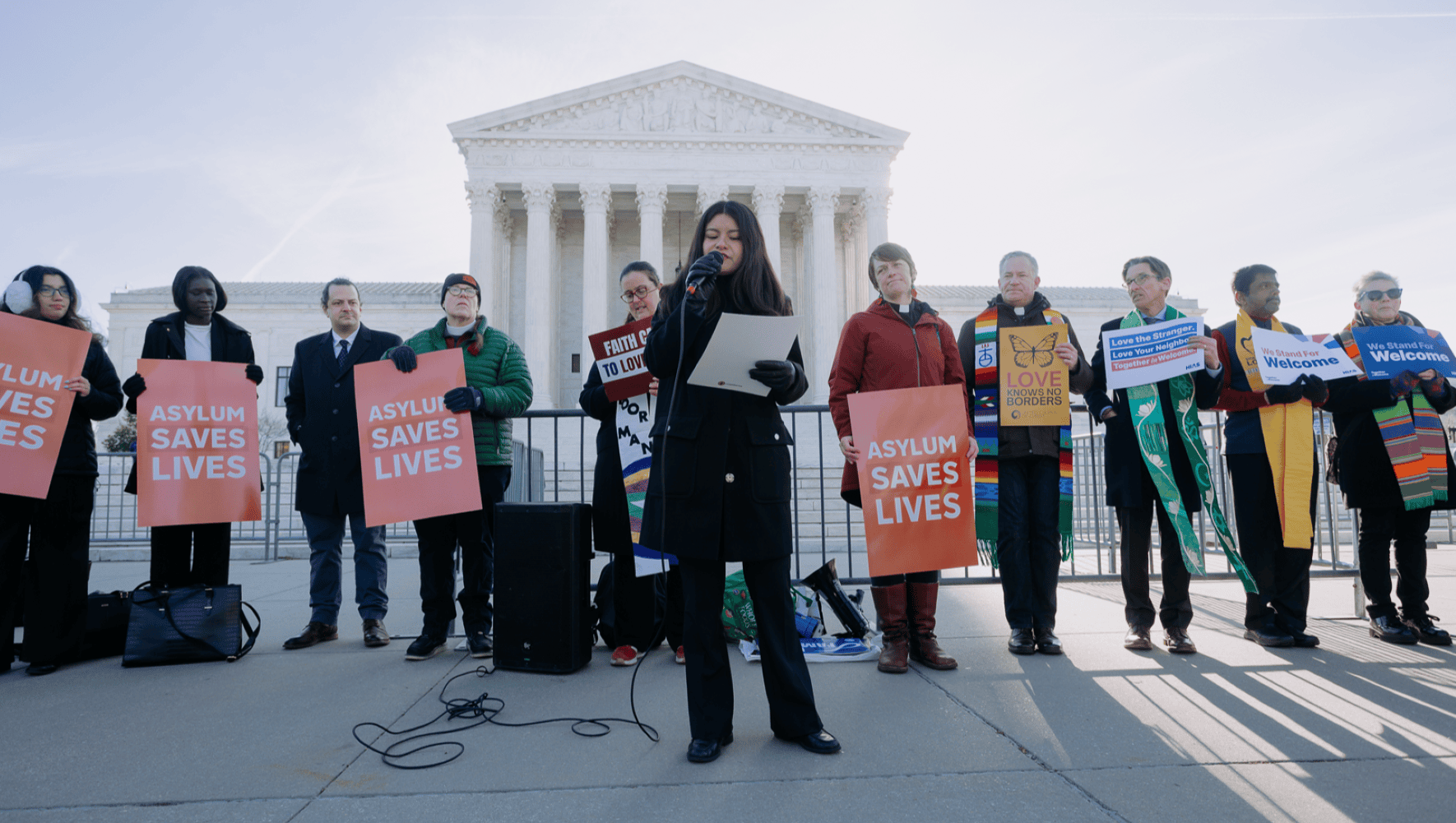
From a policy perspective, this represents a fundamental break from the bipartisan consensus that existed for decades regarding the U.S. role in global refugee protection. The shift toward viewing asylum as a national security threat, rather than a humanitarian obligation, has fundamentally altered the relationship between the state and the individual seeker. As the administration continues to prioritize these restrictive measures, the role of independent organizations like HIAS has become increasingly critical, not only in providing direct legal support to those caught in the system but also in documenting the systemic dismantling of these protections for historical and legal accountability.
The long-term consequences of this shift remain to be seen. If these policies persist, the U.S. may effectively exit the global asylum regime, leaving neighboring countries to handle the flow of displaced persons. This could lead to further instability in the Western Hemisphere, as the lack of a viable legal path for refugees often drives individuals toward more dangerous, irregular routes. Ultimately, the transformation of the asylum system reflects a broader retreat from international humanitarian engagement, with the administrative, legal, and human costs being borne by the most vulnerable populations seeking protection from violence and persecution.
As the legal battles continue, the future of the asylum system hinges on the judiciary’s willingness to check executive authority. Until then, the landscape remains one defined by restricted access, increased detention, and a significant narrowing of the definition of who qualifies for the refuge that the United States once promised to the world.




