
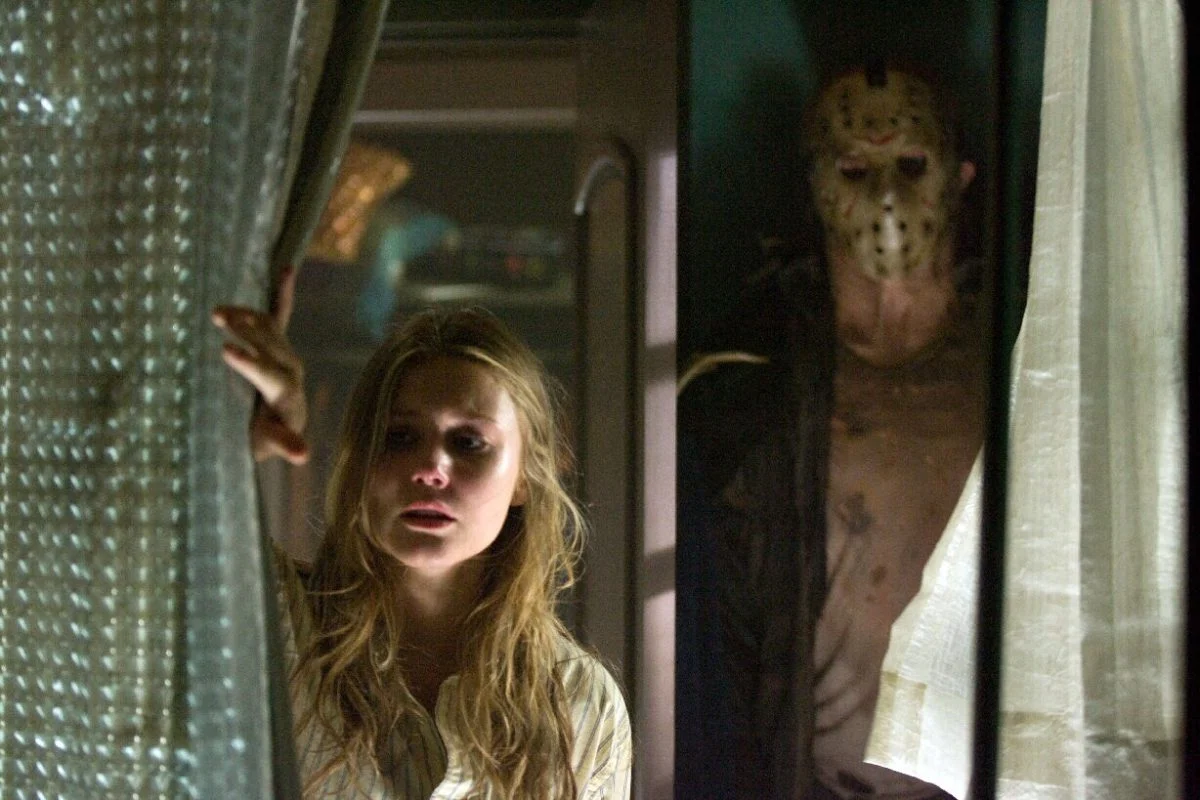
The Friday the 13th film franchise represents one of the most commercially successful and culturally significant properties in the history of the horror genre. Since its inception in 1980, the series has evolved from a singular low-budget slasher film into a sprawling media empire spanning twelve feature films, a television series, novels, and various comic book adaptations. As part of a broader critical reassessment of slasher cinema, observers have recently undertaken a comprehensive evaluation of the franchise’s trajectory, examining its transition from atmospheric suspense to high-concept, supernatural spectacle.
Historical Context and Genesis of a Cultural Phenomenon
The original Friday the 13th, directed by Sean S. Cunningham, premiered in May 1980. Produced on a budget of approximately $550,000, the film capitalized on the burgeoning popularity of the "slasher" subgenre, which had been popularized by John Carpenter’s Halloween (1978). Set at the fictional Camp Crystal Lake, the film introduced audiences to the archetype of the "final girl" and established a formula that would dominate horror cinema for the next two decades. The franchise’s central premise—a group of teenagers at a remote camp facing violent retribution—served as a lightning rod for academic debate regarding the portrayal of youth, sexuality, and morality in media.
Chronological Evolution of the Franchise
The series is defined by a distinct evolutionary arc, beginning with the grounded, location-based terror of the early 1980s and shifting toward the increasingly stylized and absurdist tone of the 1990s and early 2000s.
- The Foundation (1980–1984): The early films, including Friday the 13th (1980), Part 2 (1981), Part III (1982), and The Final Chapter (1984), focused on establishing the mythology of the Voorhees family. These films were characterized by a focus on practical effects and a relatively contained narrative structure.
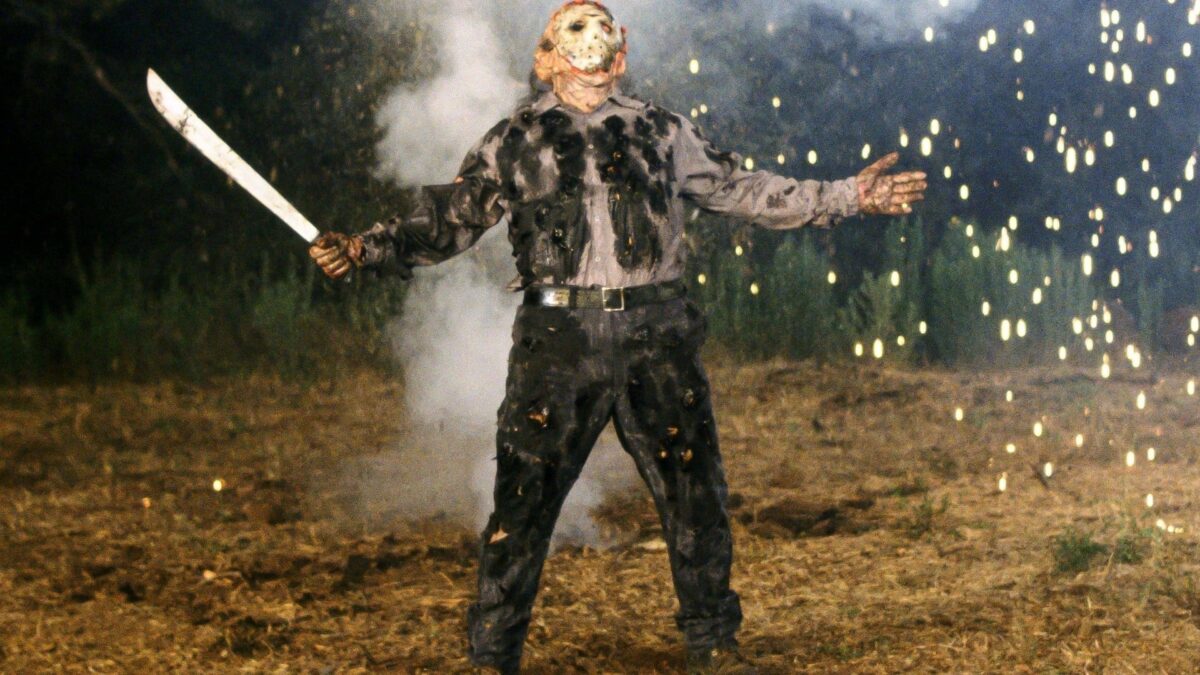
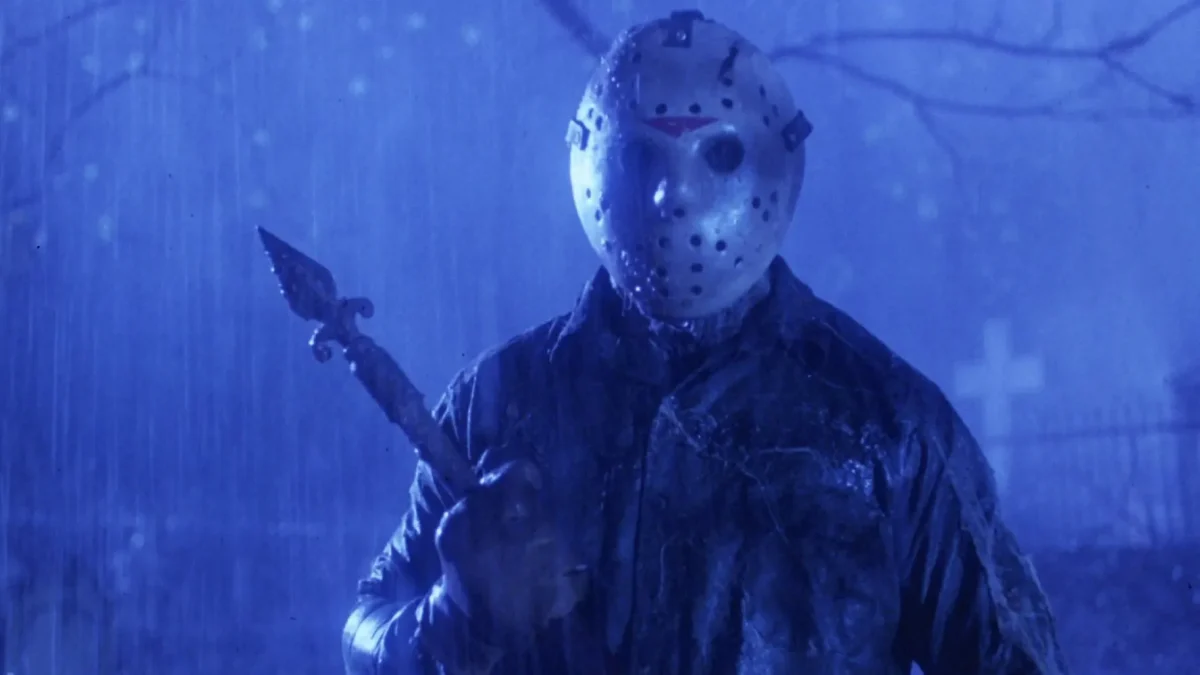
- The Transitional Era (1985–1989): With A New Beginning (1985), the franchise began to experiment with its own established tropes, introducing elements of psychological trauma and shifting the identity of the antagonist. Jason Lives (1986) marked a turning point by leaning into self-referential humor and supernatural elements, effectively distancing the series from its gritty, realist origins.
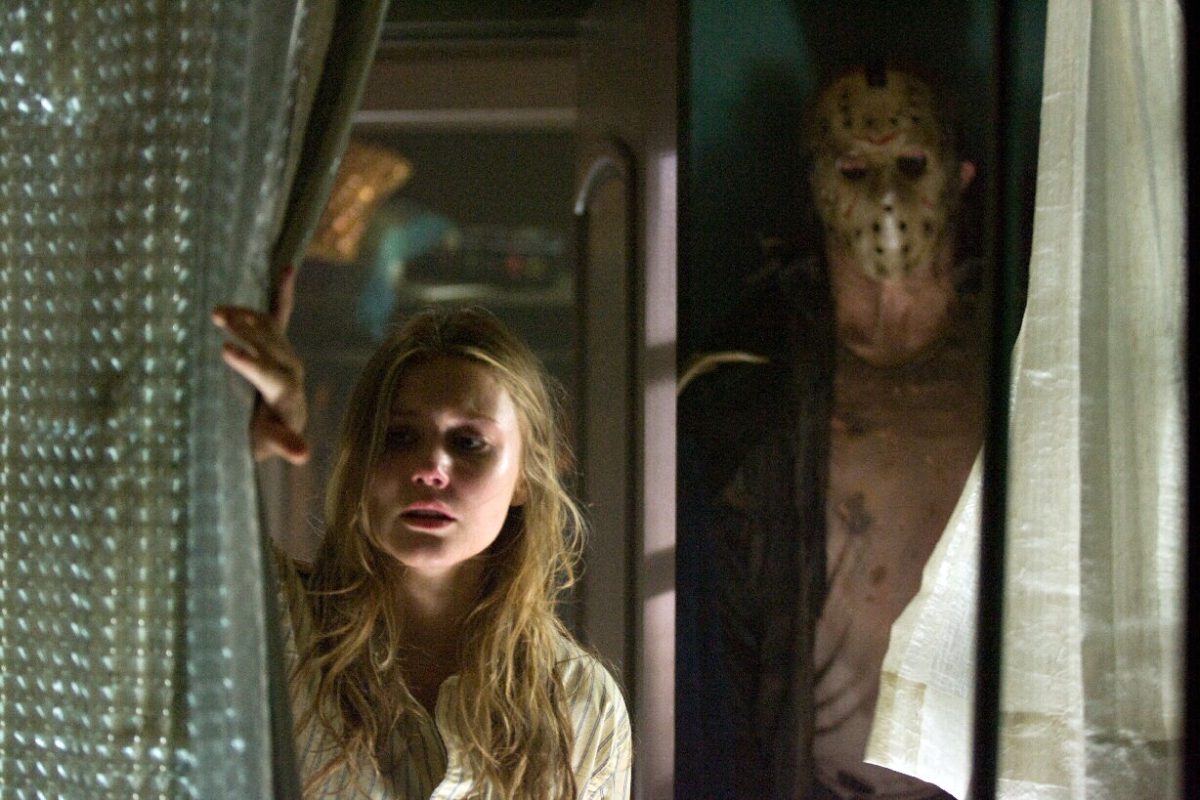
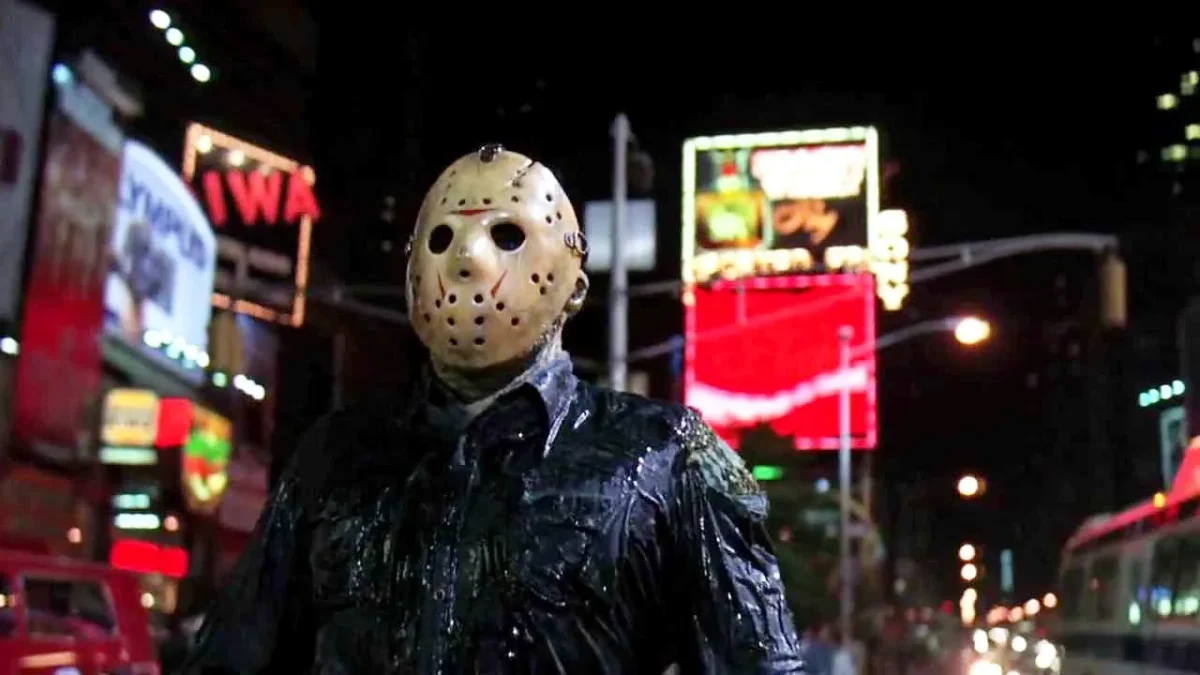
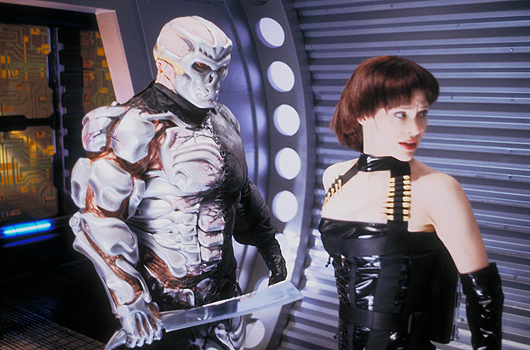
- The Expansionist Period (1989–2003): As the franchise aged, the narrative scope expanded significantly. Jason Takes Manhattan (1989) attempted to relocate the action to an urban environment, while later entries like Jason Goes to Hell (1993) and Jason X (2001) pushed the boundaries of the series into the realms of occult lore and science fiction. The 2009 remake served as a stylistic consolidation, attempting to modernize the franchise for a contemporary audience familiar with the "torture porn" subgenre popularized by films like Saw and Hostel.
Data-Driven Performance and Market Impact
Financially, the Friday the 13th series is a landmark of low-risk, high-reward filmmaking. The original film grossed approximately $59.8 million globally against its modest production budget, establishing an immediate precedent for profitability. Over the course of twelve films, the franchise has accumulated a total worldwide box office gross exceeding $468 million (unadjusted for inflation).
The critical reception of the series, however, has been historically polarized. While early installments received praise for their technical competence and influence on the genre’s aesthetic, later sequels were frequently criticized for repetitive plot devices and decreasing narrative coherence. Despite this, the franchise’s ability to sustain audience interest across four decades remains a subject of study for film historians interested in the longevity of horror icons.
Analysis of Narrative Trends and Tropes
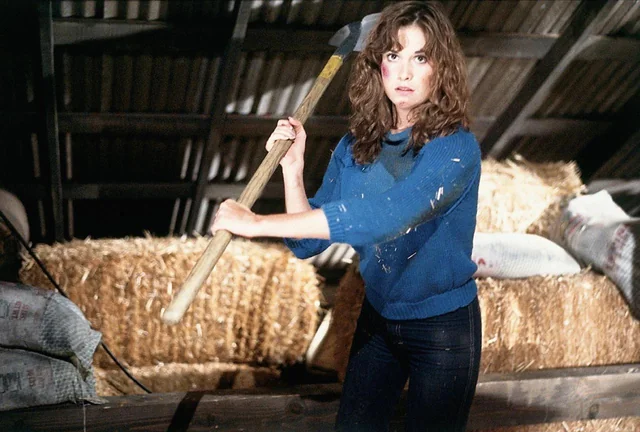
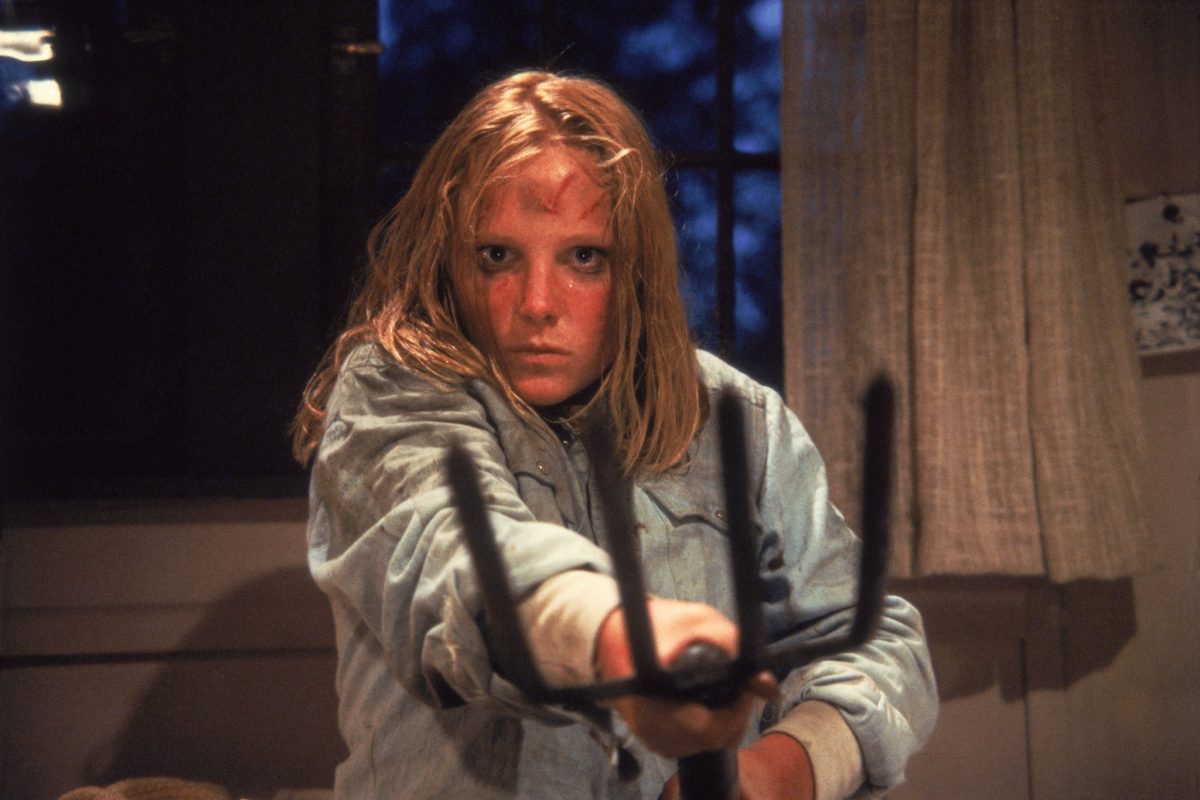
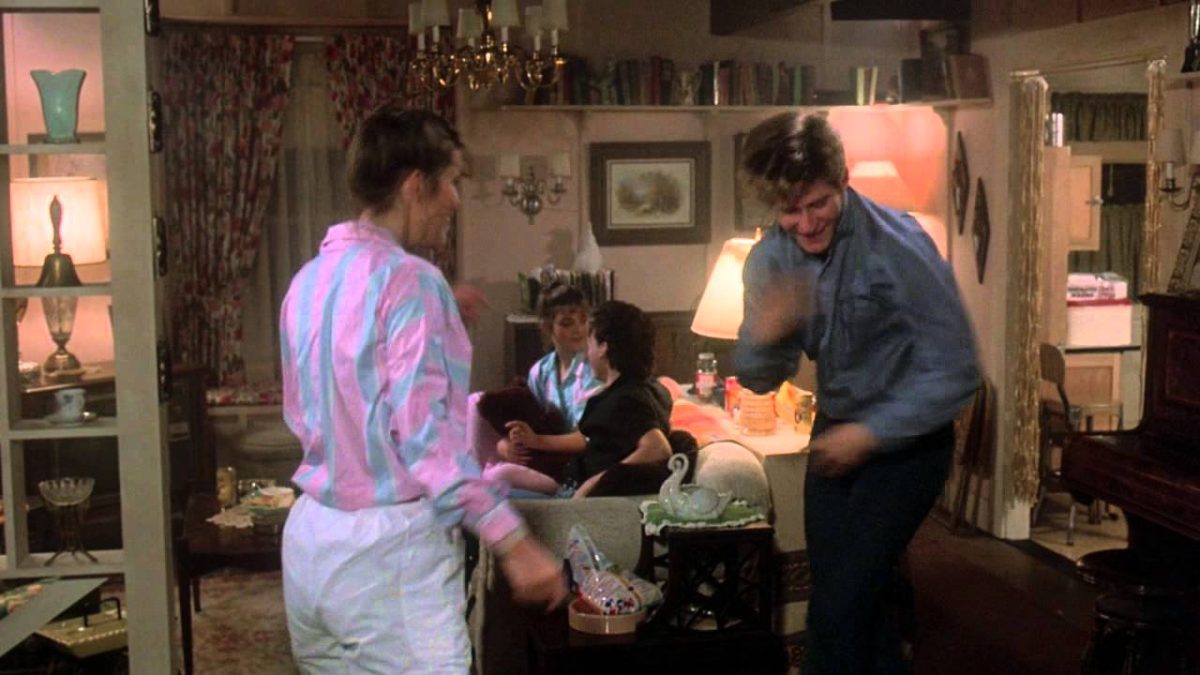
Critics often point to the franchise’s reliance on "The Final Girl" trope as its most enduring contribution to cinema. The character of the protagonist—usually a resourceful, often scholarly or reserved young woman—serves as the audience surrogate who survives the antagonist’s purge. Analytical reviews of the franchise suggest that the effectiveness of these films is often directly proportional to the development of this character. In installments like Part 2 and The Final Chapter, the interaction between the protagonist and the environment provides a depth that is notably absent in the later, more gimmick-heavy entries.
Furthermore, the franchise serves as a historical document of changing societal anxieties. The early 1980s films reflected anxieties surrounding adolescent behavior and the perceived dangers of unsupervised summer camps. By the late 1980s and early 1990s, the films began to incorporate themes of urban alienation and, eventually, in the case of Jason X, the displacement of traditional horror tropes into a sterile, technological future.
Institutional Responses and Legacy
The franchise remains a pillar of the horror community, frequently cited by directors and screenwriters as an foundational influence. While the rights to the series have been subject to complex legal disputes between original creators and studio entities—most notably regarding the authorship of the first film—the intellectual property remains one of the most recognizable in pop culture.
Official responses from industry experts have noted that the franchise’s enduring appeal lies in its simplicity. By adhering to a recognizable rhythmic structure—the "ki ki ki, ma ma ma" sound design, the inevitable confrontation, and the recurring, unstoppable nature of the antagonist—the series provides a reliable framework that satisfies the core tenets of the horror experience.
Broader Implications for the Slasher Genre
The impact of the Friday the 13th series extends beyond its own sequels. It set the standard for the "summer camp" slasher, a subgenre that continues to see new entries today. The franchise also demonstrated the potential for crossover events, as seen in the 2003 film Freddy vs. Jason, which combined two of the most successful horror properties of the era.
The primary implication for the current media landscape is the demonstration of "franchise fatigue" versus "brand loyalty." Even when individual entries were panned by critics for their thin scripts or lack of character development, the brand itself remained robust. The ongoing cycle of reboots, fan projects, and academic analyses suggests that the narrative of Camp Crystal Lake has secured a permanent position within the cinematic canon, functioning as a cultural touchstone that continues to be interrogated, parodied, and revisited by each new generation of filmmakers and fans alike. Through this lens, the franchise is not merely a collection of horror movies, but a long-running experiment in the endurance of the slasher archetype.




