
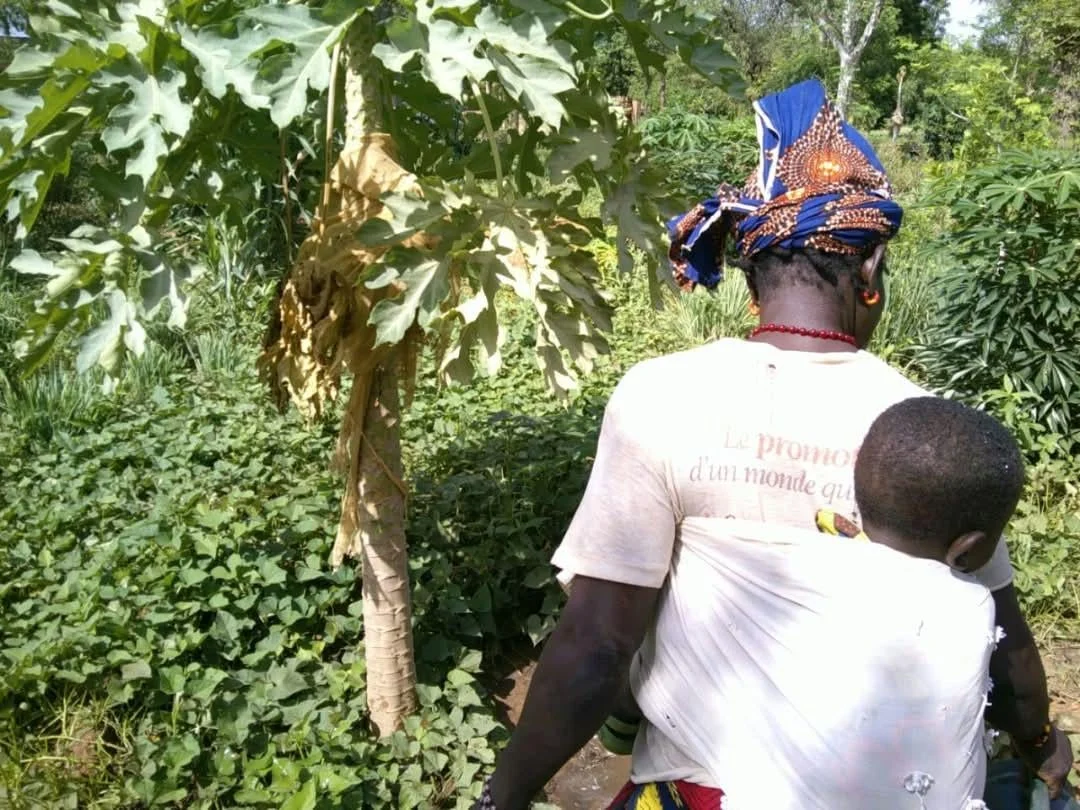
The rolling landscapes of Mali’s Dogon Country, nestled within the upland terrain of the former Mopti region, are bearing the brunt of an accelerating environmental crisis. Across the Bandiagara region, particularly within the Bankass Cercle, indigenous communities are grappling with profound climatic shifts that threaten their foundational ways of life. At the epicenter of this vulnerability are rural women—the traditional backbone of local market gardening—who find themselves forced to wage a daily, grueling battle against severe water scarcity, depleting soils, and advancing desertification.
A field investigation conducted in July 2025 across the villages of Noumoudama and Koyentomo has cast a harsh light on these unfolding realities. Spearheaded by investigative journalist Boureima Guindo, the research aimed to document the cascading effects of climate change on women’s working conditions, evaluate the multifaceted challenges they encounter, and chronicle the innovative indigenous coping mechanisms deployed to preserve their agricultural livelihoods. The findings reveal a stark divergence between a bountiful past and an increasingly precarious present, highlighting an urgent need for targeted intervention from regional authorities and international climate adaptation frameworks.
Historical Context and Environmental Shifts
To understand the magnitude of the current crisis, one must look back at the ecological memory of central Mali. Decades ago, the Bandiagara and Bankass territories were characterized by predictable seasonal weather patterns, reliable rainfall, and abundant natural water tables. Older generations recall an environment where lush vegetation and thriving forests served as natural retainers for soil moisture, making market gardening a manageable and highly productive secondary economic activity. Women could rely on rainwater-fed wells and shallow aquifers to irrigate diverse crops, securing both nutritional sustenance and modest household incomes.
Over the years, however, this ecological equilibrium has fractured. Meteorological data and local observations indicate a steep, continuous decline in annual precipitation across the Sahelian zone. The rainy season has shortened, rainfall has become erratic, and prolonged dry spells have grown more frequent. Compounding this climatic pressure is extensive deforestation, driven by a combination of commercial logging, charcoal production, and the clearance of land for survivalist agriculture. As the tree canopy disappears, the soil loses its capacity to retain moisture, accelerating the march of drought across once-fertile valleys.
Voices from the Field: The Human Cost in Noumoudama and Koyentomo
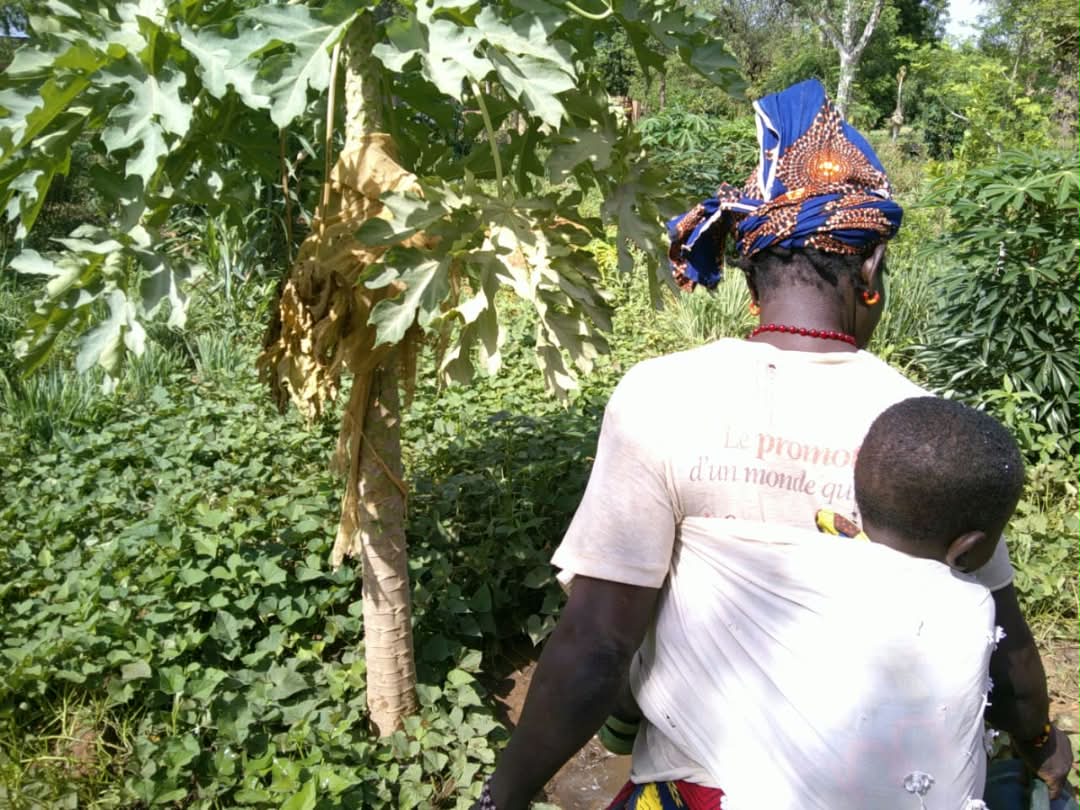
The human toll of these environmental changes is vividly articulated by the residents of the Bankass Cercle, where agriculture remains the absolute cornerstone of the local economy. Along the strategic Bamako–Sévaré–Bandiagara–Bankass corridor, the ecological degradation is visible to any passerby, manifesting as barren fields, eroded riverbanks, and withered flora.
In Koyentombo, Mariam Guindo, a resident in her sixties, reflects mournfully on the transformation of her homeland. "When we were young, it rained a lot. There were trees, there was water. The environment was beautiful, and life was better," she recounts. Today, the reality is starkly different. "It has been several years now that it rains less. This lack of rain affects every sector, especially those of us who work in market gardening. It makes life harder for us and jeopardizes our livelihood."
Similar sentiments echo through the village of Noumoudama, situated just a few kilometers from Bankass town. Aminata Guindo, a local woman in her forties, points to the compounding difficulties of recent years. Because these communities lack industrial diversification, a failed agricultural season translates directly into severe economic hardship and the looming threat of food insecurity.
Souleymane Guindo, who routinely assists his wife in her garden plots, emphasizes the direct linkage between climatic stability and community survival. "We only know farming as our main livelihood here. And for the season to succeed, we need rain. When it rains less, yields fall short as well, leaving people exposed to many hardships, including irregular migration." The inability to sustain agricultural yields has increasingly driven young men and families to leave the region in search of work, tearing at the social fabric of rural communities.
The Gendered Impact on Market Gardening
Market gardening in Dogon Country has traditionally been the domain of women, serving as a vital mechanism for female economic empowerment and food security. Cultivating vegetables such as onions, tomatoes, and leafy greens not only provides essential micro-nutrients for local diets but also generates independent income used to pay for children’s schooling and basic household needs.
Climate change has systematically undermined this sector. Djénéba Warempa, a gardener from the region, recalls a time when water access was straightforward. "Before, it was easy for us to work in our gardens because there was plenty of water. Rainwater would fill the wells, making the work much easier."
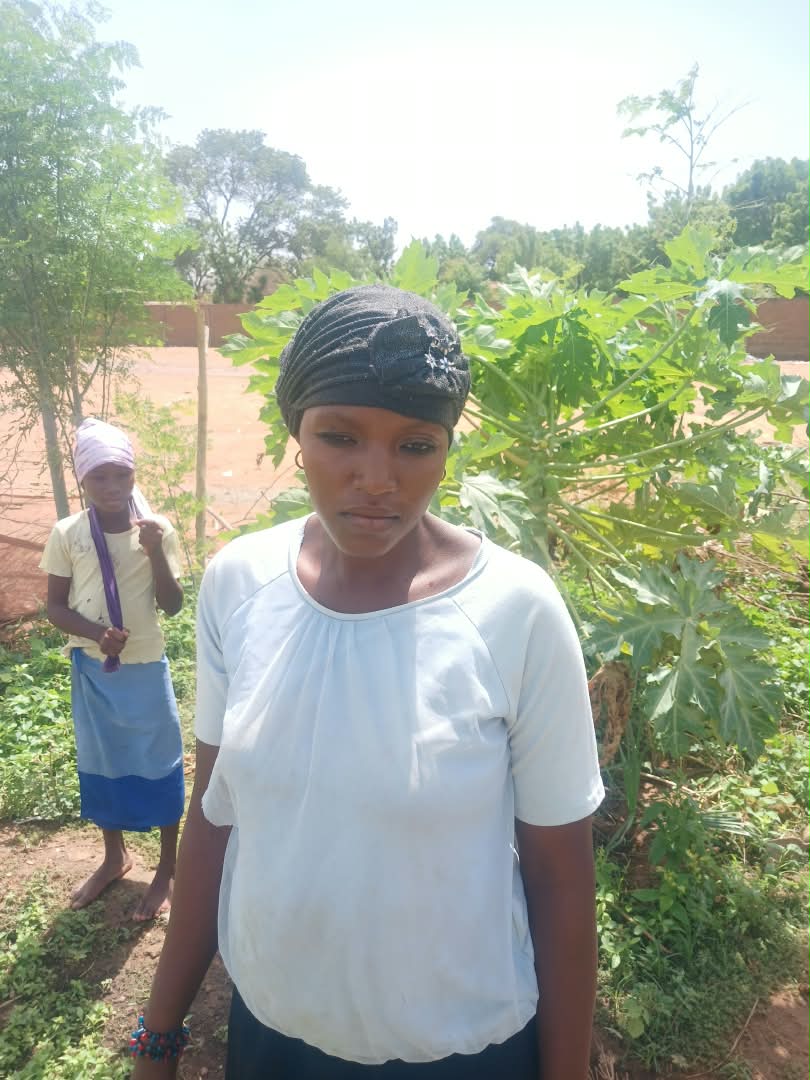
Today, the lowering of the water table has forced women to haul water manually from deep wells plunging 20 to 30 meters into the earth. This backbreaking labor requires immense physical exertion, often consuming hours that could otherwise be dedicated to family care or education. Furthermore, the degradation has become so severe that some women have abandoned gardening altogether, permanently losing a crucial source of financial autonomy.
Environmental Analysis: The Sahelian Crisis
Environmental experts point out that the situation in central Mali is symptomatic of broader climatic vulnerabilities across the wider Sahel region, which is warming at a rate 1.5 times faster than the global average. Moussa Diarra, a regional environmentalist, underscores the systemic nature of the crisis. "In central Mali, especially in the upland areas of the Mopti region, climate change severely undermines agricultural activities and everything tied to them. Drought is gaining ground each year," he notes.
The compounding factors of erratic rainfall, high evaporation rates due to rising temperatures, and depleted groundwater reserves create a negative feedback loop. Traditional soil and water conservation techniques—such as the construction of small stone dikes and earthen berms—are increasingly overwhelmed by sudden, intense flash floods that wash away topsoil instead of allowing water to infiltrate the aquifers.
Indigenous Adaptation Strategies and Resilience
Despite the compounding adversities, the women of Dogon Country exhibit extraordinary resilience, refusing to abandon their ancestral lands or their agricultural heritage. Faced with institutional deficits and scarce state support, these communities are actively innovating through traditional ecological knowledge.
In Koyentombo and Noumoudama, women have increasingly turned to specialized traditional water management techniques. One prominent method involves hand-dug wells constructed directly within the perimeter of individual garden plots, allowing farmers to tap into subsurface moisture reservoirs more efficiently. Others are experimenting with micro-irrigation practices, shading techniques to reduce evaporation, and the cultivation of drought-resistant crop varieties.
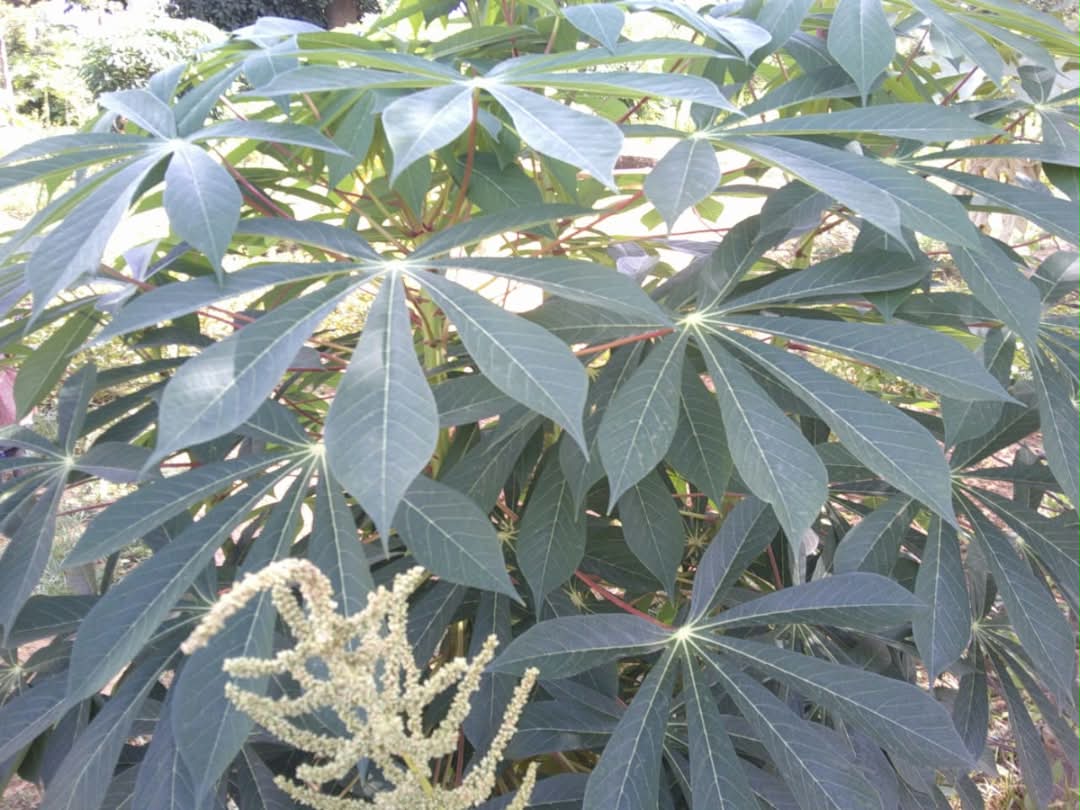
However, local stakeholders stress that traditional coping mechanisms have their limits and cannot indefinitely hold back the tide of rapid climate change. During the July 2025 field investigation, community members issued a collective appeal for external structural support, calling for the implementation of dedicated climate adaptation projects, the installation of solar-powered boreholes, and training in modern, water-efficient agricultural technologies.
Broader Implications and Future Outlook
The plight of market gardeners in the Bankass Cercle serves as a microcosm of the complex challenges facing rural populations across West Africa. As climate change continues to depress agricultural yields, the risk of localized famines, resource-based conflicts, and demographic shifts via irregular migration will inevitably intensify.
For regional policymakers and international development partners, the findings from Noumoudama and Koyentomo present both a warning and an actionable mandate. Addressing the crisis requires moving beyond emergency relief toward long-term, structural investments in climate-resilient rural infrastructure, reforestation initiatives, and gender-inclusive agricultural policies.
As investigative journalist Boureima Guindo prepares to release further testimonies and in-depth interviews from the field, the stories of these resilient women underscore a fundamental truth: while the environmental pressures in Dogon Country are mounting, the determination of its indigenous women to safeguard their lands, culture, and livelihoods remains unyielding.




