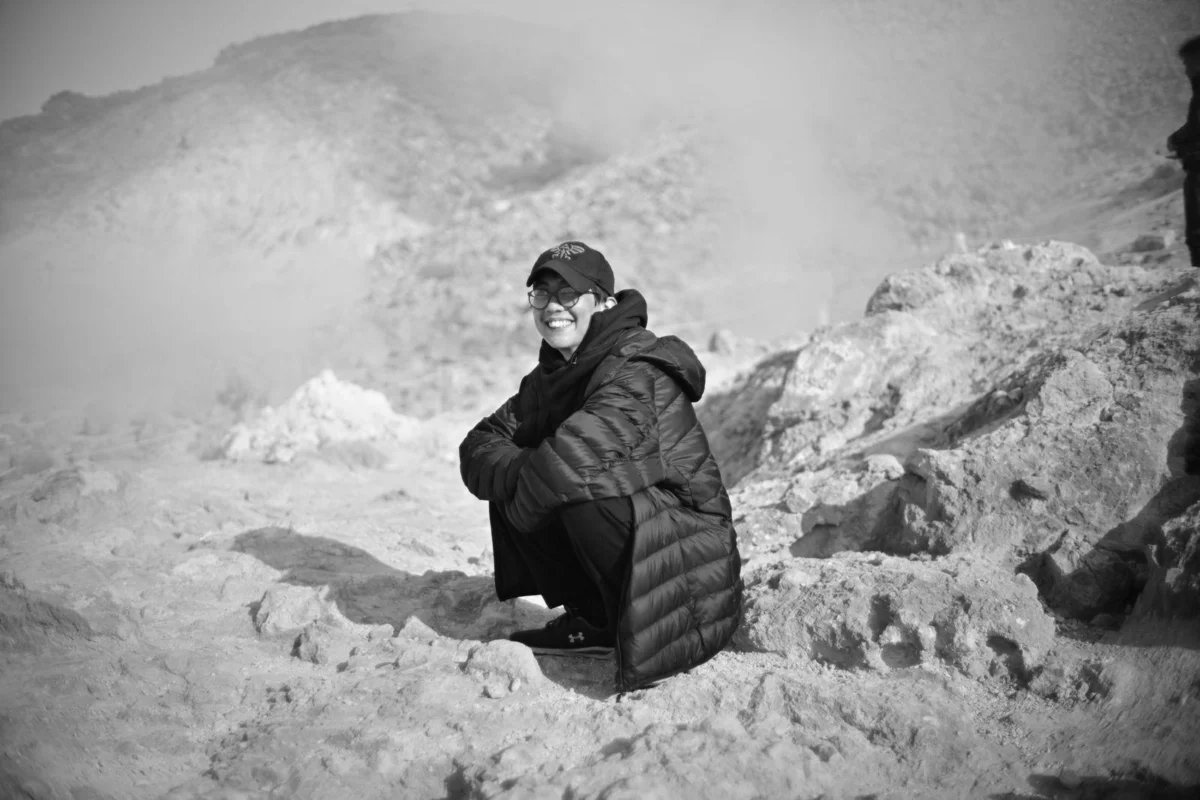
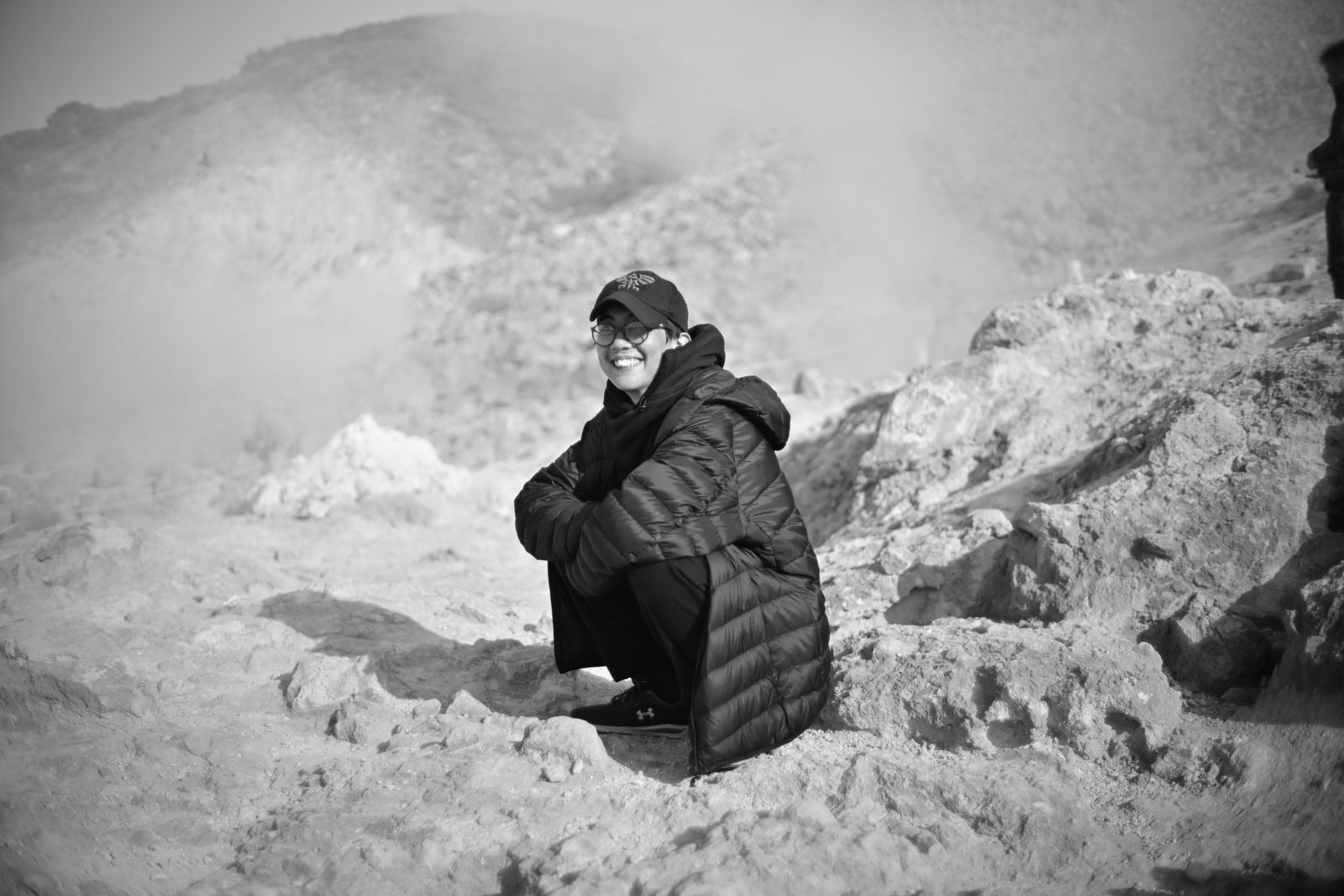
São Paulo, Brazil – In the sprawling metropolis of São Paulo, a city often characterized by its relentless pace and the homogenizing forces of consumerism and Western aesthetics, Umeno Morita, an individual of Ainu heritage, is forging a unique path through academic philosophy. Morita’s research delves into the intricate ways in which Asian-Brazilian bodies are physically and culturally shaped by ethnic diversity. Eschewing the pressure to conform to either the assimilationist expectations of the Nikkei (Japanese-Brazilian) community or the often narrowly defined urban queer narratives, Morita leverages their academic pursuits to unearth profound conceptual possibilities embedded within the practices, lived experiences, and ancestral stories of the Ainu people in diaspora. This approach challenges conventional understandings of identity, drawing strength from the Ainu language, where "Ainu" simply translates to "human," offering a powerful framework for indigenous 2SLGBTQ+ survival that actively reclaims what history has sought to erase.
The Centrifugal Forces of São Paulo
Morita describes São Paulo as a "cultural centrifuge," a powerful metaphor for how the city’s dominant social and economic forces can pull diverse experiences into a singular, often commodified, narrative. "Everything in São Paulo easily falls into the logic of consumption, where access to spaces becomes about money," Morita explained in a recent interview with Cultural Survival. "Consequently, preferences and niches are easily centrifuged into a white aesthetic, capturing and transforming non-white experiences into mere trends." This environment presents a unique challenge for individuals who do not fit neatly into dominant categories.
For Morita, existing with a non-binary, non-white, and non-Japanese identity in São Paulo offers a duality. On one hand, the city’s vast anonymity provides a degree of autonomy, offering a refuge from the 2SLGBTQ+-phobia that can persist within more assimilated communities, including segments of the Nikkei population that hold onto rigid Japanese stereotypes. On the other hand, mainstream 2SLGBTQ+ narratives, often shaped by white privilege, struggle to grasp the inherent interconnectedness of Morita’s indigenous identity with their physical existence. "I often feel that if my existence is non-binary, it is because in our language, Ainu means ‘human/people’ and Kuru means ‘person as an existence of self in a body,’ and a human is neither man nor woman; it is just a human," Morita stated.
This perspective contrasts sharply with dominant Western understandings of gender, which often emphasize a deliberate break from tradition to construct a new identity. Morita’s understanding is rooted in the pre-existing worldview of their ancestors. "White-washed urban experiences often focus on breaking away from conservative families to create a brand-new gender paradigm. To me, this non-binary, transforming world has always existed. It is embedded in the very words my people use to describe reality." While acknowledging that pre-colonial Ainu society had functional roles that might be interpreted through a modern lens as gendered, Morita emphasizes that these roles did not necessitate self-identification through gender before colonization. Instead, identity was understood through communal practices. "I don’t want to break grand paradigms in the binary gender system; I just want our people to remember that we have always existed without fixing ourselves to binaries."
Navigating Visibility and Vulnerability
The concept of Pride, often synonymous with visibility, carries a complex weight for indigenous 2SLGBTQ+ individuals. Visibility can be a double-edged sword, attracting attention that can be both affirming and dangerous. Morita highlighted the internal pressures within their own community, describing the "rigid moral package" that Japanese assimilation imposes. The domestic sphere, particularly within Asian families, can enforce strict cis-heteronormativity. "In my own family, I have to protect myself from my sisters, cis-hetero women who align with anti-oppression discourses and vote for trans politicians… yet feel perfectly comfortable practicing violence and belittling me with mockery." This paradox, where individuals may publicly support progressive causes while perpetuating harm within their families, is a source of deep pain.
The responsibility of protecting the Ainu community, Morita feels, extends to all who identify as Ainu, regardless of their gender identity or sexual orientation. The desire to reclaim knowledge of the body and existence beyond gender is profound, but the socio-political landscape of São Paulo presents significant obstacles. "I fear São Paulo as a territory of power. This creates a double problem: inside my community and families, there is violence I must protect myself from, and simultaneously, my community needs to be protected from outsiders who, by differentiating us from the Japanese, treat us as objects of ethnic curiosity, pulling us into a loop of consuming ourselves." This consumption, Morita argues, occurs under the guise of granting visibility, ultimately serving to integrate indigenous identities into a system that commodifies them.
Cultural Roots of Identity
Morita’s understanding of their gender identity and sexual orientation is deeply intertwined with Ainu culture, language, and spirituality. The concept of "existence" is central to this understanding. "Whenever I think about how the word ‘Ainu’ simply means ‘human,’ I grant myself the existence of a human," Morita explained. The Ainu homeland, Ainu-Moshiri, translates to "the place where there are humans." The word Kuru denotes a "person as an existence of self in a body," and can even apply to animals, such as crows, referred to as Paskuru or "messenger person." This expansive view of personhood challenges Western anthropocentrism and fixed notions of identity.
This perspective resonates with a scene from the Brazilian film "Bacurau," where a child, when asked the name for someone born in Bacurau, simply replies, "A human!" Morita sees a parallel in this response, asserting that anyone born in or descended from Ainu-Moshiri is fundamentally human. The ability to "exist with, among, and as animals, plants, and things" is a core tenet, suggesting an interconnectedness that transcends rigid categories. Morita’s metaphor of being "like the crow, and also like the ocean" illustrates this fluid existence, emphasizing that "binary gender cannot hold an ocean. We are much more than gender."
Colonial Imprints on Identity
Morita identifies several colonial ideas that continue to influence perceptions of gender, sexuality, and diversity. The "model minority" myth, applied to Japanese-Brazilians, serves to uphold a racial hierarchy that benefits whiteness by portraying East Asians as inherently industrious, obedient, and domestic, contrasting them with perceived deficiencies in Black and Indigenous communities. Embedded within this myth is a prescriptive cis-heteronormativity, promoting the image of a traditional, heterosexual family structure.
This pressure to conform is amplified by notions of "etiquette," particularly concerning intimacy. While Japanese culture generally values privacy in domestic life, Morita argues that this has been misinterpreted as an inherent Japanese trait of reservation, leading to the suppression of diverse expressions of self. "Naturalizing the idea that Japanese people are just ‘inherently reserved’ traps our physical expressions within this rule." Morita contrasts this with the more overt physical affection observed within Ainu culture, such as joyful embraces and blessings through touch, noting that "much of the ‘Japanese etiquette’ has also permeated our interactions." The minimization of physical gestures under the guise of etiquette, Morita contends, can be seen as a manifestation of "colonized bodies" that may serve to conceal dissident genders and sexualities. This erasure is evident, Morita notes, within both Japanese and Japanese-Brazilian communities.
Challenging Historical Narratives
The phrase "this didn’t exist before in our cultures" is often used to dismiss contemporary identities and practices. Morita’s response is nuanced, acknowledging that historical realities are complex and not always fully knowable. "The truth is, nobody can truly map exactly how it was; we can only strive to live in our bodies authentically today. In doing so, we discover that many things can and should be different from how our ancestors lived." While acknowledging the possibility of tracing non-binary genealogies within Ainu history, Morita emphasizes that the focus should not be solely on historical precedent. "Even if it were true that before colonization there were strictly defined binary gender roles… would we be forced to accept tradition exactly as it was? I prefer to think that whether ‘this existed before’ or not (and it did), the fact is that it exists now, as both ancient and new ways to continue our ancestral paths."
The Agony of Fragmented Belonging
The perceived need to choose between belonging to one’s indigenous community and the 2SLGBTQ+ community creates profound wounds. Morita acknowledges that fragmentation is an inherent part of existence, not exclusive to marginalized identities. "Cis-heterosexual identities are also split and fragmented. There is no existence without change, fragments, shifting choices, and evolving attitudes." The violence encountered within the indigenous community, often rooted in internal conservatism and strict adherence to etiquette, is mirrored by the "massive amount of whiteness and consumer logic" that can drive self-affirmation within the 2SLGBTQ+ community.
Morita describes navigating these spaces with "agility," using the fragments of their indigenous identity to challenge white aesthetics and the fragments of their non-binary identity to confront oppressions within their indigenous community. This constant negotiation is "always exhausting, but I need to exist."
Indigenous 2SLGBTQ+ Resistance Beyond the Surface
Indigenous 2SLGBTQ+ resistance, Morita argues, extends far beyond visible symbols like marches and flags. It is fundamentally about the "fight for community protection of our gender and sexual dissidences." This involves demanding that indigenous communities become safe havens, where elders and all generations offer protection and acceptance. The internal moral conservatism within these communities can be a significant barrier, and Morita notes that generational differences in conservatism can be complex, with younger individuals sometimes exhibiting more rigid views than their elders. The crucial step is identifying and amplifying those who offer unconditional protection, thereby expanding these safe spaces. Ultimately, resistance involves safeguarding communities from both external oppressions and internal violence generated by diversity itself.
Indigenous Languages: A Framework for Fluidity
Indigenous languages play a vital role in naming identities, affections, and bodies that defy Western categorization. Morita believes these languages contribute to a less rigid understanding of identity. "Western categories always seem too fixed to me, with borders that are far too rigid. I think our languages are more ‘open’ or less rigid in what they define." This inherent flexibility allows for a more expansive and fluid conception of self and belonging, moving beyond the fixed binaries often imposed by colonial languages.
Ethical Engagement and Indigenous Voices
Morita offers clear guidance to organizations, media, and allies seeking to support 2SLGBTQ+ Indigenous people. The emphasis is on genuine partnership and empowerment. "Hire 2SLGBTQ+ indigenous people to tell their own stories through your platforms," Morita urges. This includes filling positions within media organizations with indigenous individuals, granting them the autonomy to control their narratives. The priority should be on "community-led choices of communication rather than sending external ‘correspondents’ into our territories and lives." The core message is simple: "Let us speak for ourselves. We do not want to communicate everything, nor do we want to use the same methods."
Envisioning a Liberated Future
In imagining a truly free future, Morita envisions an indigenous community where 2SLGBTQ+ individuals are not merely accepted but are recognized as vital bearers of knowledge, leadership, and healing. Such a future would be centered on the "protecting of existences—both as a people and as a territory." Identity would be dynamic, not static, and communal practices would be driven by the collective need for survival and self-determination, rather than being confined to specific bodily forms. "We exist for the importance of the practice, not for the individual practicing it," Morita concludes, emphasizing a profound shift towards collective well-being and ancestral continuity.