A comprehensive analysis of over 35,000 public comments, collected through a controversial initiative by the National Park Service (NPS), reveals a resounding rejection of attempts to alter or remove historical content deemed "negative" from national park sites. The findings underscore widespread public opposition to what many perceive as historical revisionism, with an overwhelming 99.8% of comments defending historical accuracy, expressing support for the NPS’s traditional interpretive mission, or actively pushing back against the administration’s directive. This significant public sentiment stands in stark contrast to ongoing actions by the NPS, which has reportedly proceeded with changing or removing dozens of interpretive signs across the national park system.
The Genesis of a Controversial Directive
The impetus for this contentious program traces back to March 2025, when then-President Donald Trump signed an executive order titled "Restoring Truth and Sanity to American History." This order specifically directed the National Park Service, an agency within the Department of the Interior, to undertake a comprehensive review and subsequent removal of materials that were deemed to "inappropriately disparage Americans past or living (including persons living in colonial times)." The directive was widely interpreted by historians, academics, and conservation groups as an attempt to sanitize historical narratives, particularly those addressing complex or uncomfortable aspects of American history, such as slavery, Native American displacement, and social injustices.
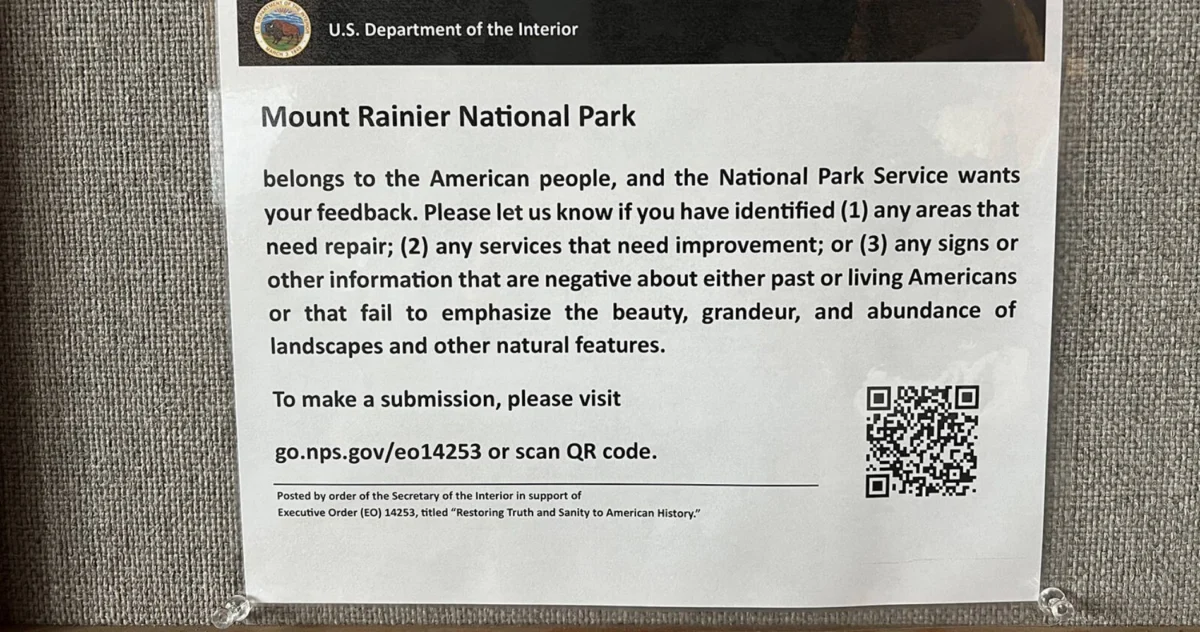
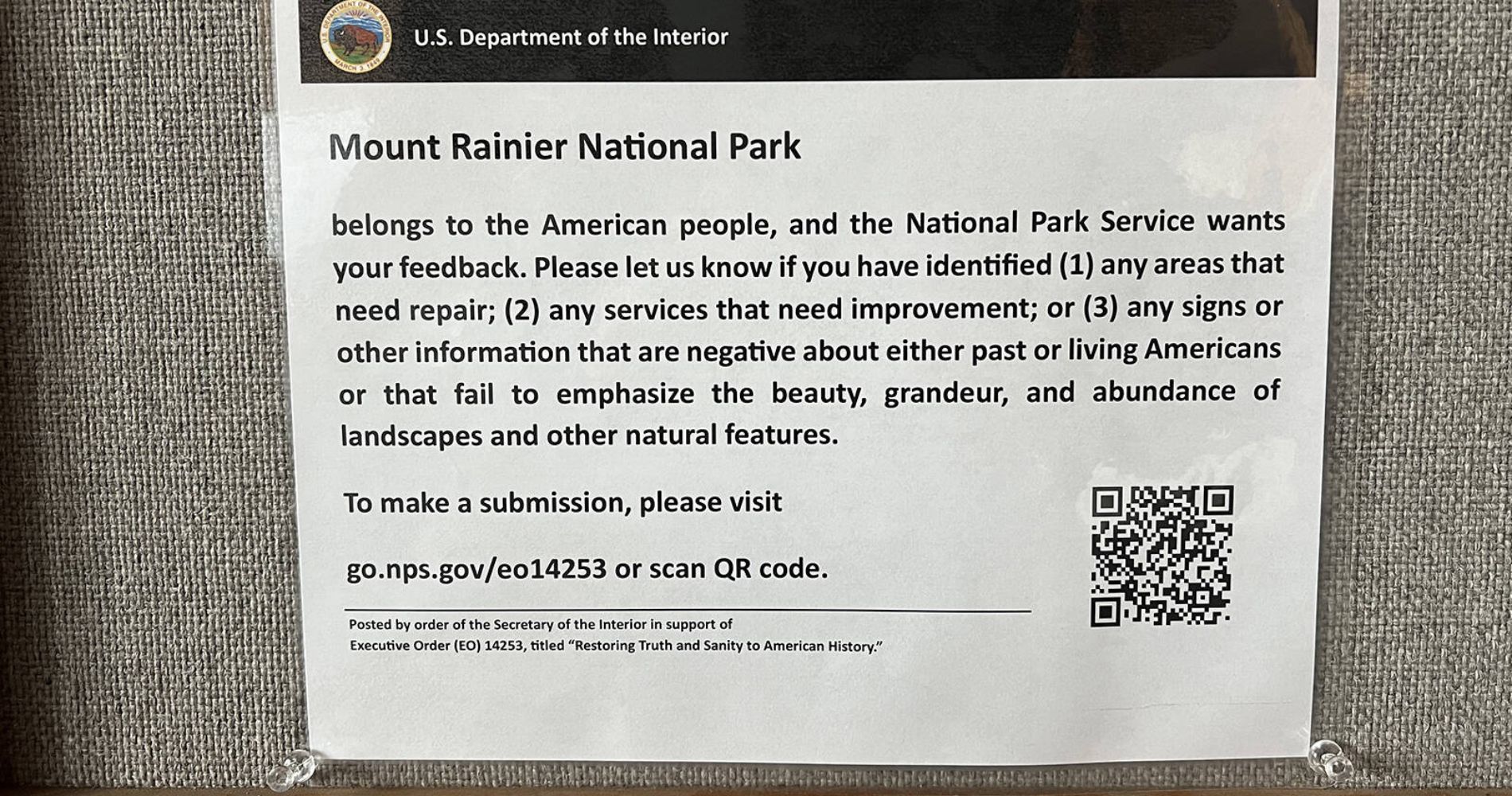
Following the presidential order, Interior Secretary Doug Burgum issued Secretary’s Order 3431, which provided the operational framework for implementing the executive directive. This departmental order instructed NPS staff across its vast network of properties to conspicuously display QR code signs. These signs served as a digital suggestion box, prompting park visitors to identify and report "any signs or other information that are negative about either past or living Americans or that fail to emphasize the beauty, grandeur, and abundance of landscapes and other natural features." The inclusion of language about "beauty, grandeur, and abundance" further fueled concerns that the initiative sought to prioritize a celebratory, often uncritical, view of natural and historical sites, potentially at the expense of a more nuanced and complete understanding of their cultural and ecological contexts.
Public Response: A "Tepid" Call for Censorship
One year after the QR codes were first deployed across national park sites, the Interior Department released a dataset comprising 35,700 comments submitted by visitors through this new feedback mechanism. While this number might seem substantial, it represents a relatively modest engagement when contextualized against the sheer scale of national park visitation. The National Park Service recorded an astounding 323 million visits across its more than 400 sites in the preceding year. As the Associated Press observed, the volume of submissions constituted a "tepid response" for an initiative seeking widespread public input on such a fundamental aspect of park interpretation.
The true significance of these comments emerged from detailed analyses conducted by independent organizations. The Center for Western Priorities (CWP), a nonpartisan conservation and advocacy organization, undertook a comprehensive review of the full dataset. Their findings were stark: out of the 35,700 submitted comments, a mere 47 actually flagged a sign for removal or expressed broad support for the administration’s historical revision effort.
Delving deeper into these 47 comments, the CWP analysis further refined the picture. A significant portion, 20 comments, did not align with the administration’s intent for reporting "negative" content. Instead, these visitors used the feedback form to "demand more inclusive history and better representation in signage, such as noting that a historical marker used a racial slur." This suggests that a substantial number of those engaging with the QR codes were actually advocating for more accurate and comprehensive historical narratives, rather than less. Another 13 comments were categorized as unclear, satirical, or merely flagging factual inaccuracies unrelated to the "negative content" directive.
This leaves a strikingly small number: only 14 visitors out of 35,700 who utilized the form to flag content as "negative" in the manner the administration intended. This minuscule figure — representing an infinitesimal fraction of both total comments and overall park visitors — strongly indicates a fundamental disconnect between the administration’s directive and the public’s perception of historical integrity in national parks.
Overwhelming Opposition to Historical Revisionism
Beyond the few comments aligning with the directive, the overwhelming majority expressed outright opposition. The CWP’s analysis, even after excluding coordinated form letters from advocates, found that 99.8% of the comments "defended historical accuracy, expressed support for the NPS, or pushed back against the order." This statistic powerfully illustrates the depth and breadth of public sentiment against efforts to alter or remove historical information.
This sentiment was corroborated by a parallel analysis conducted by the Associated Press, which similarly found that most comments criticized the effort itself. Visitors articulated strong objections to the premise of the initiative. One visitor to a North Carolina park candidly described the administration’s efforts as "un-American," while another objected to the idea of "having Americans call in and snitch on each other," highlighting a concern about the divisive and potentially censorious nature of the program.
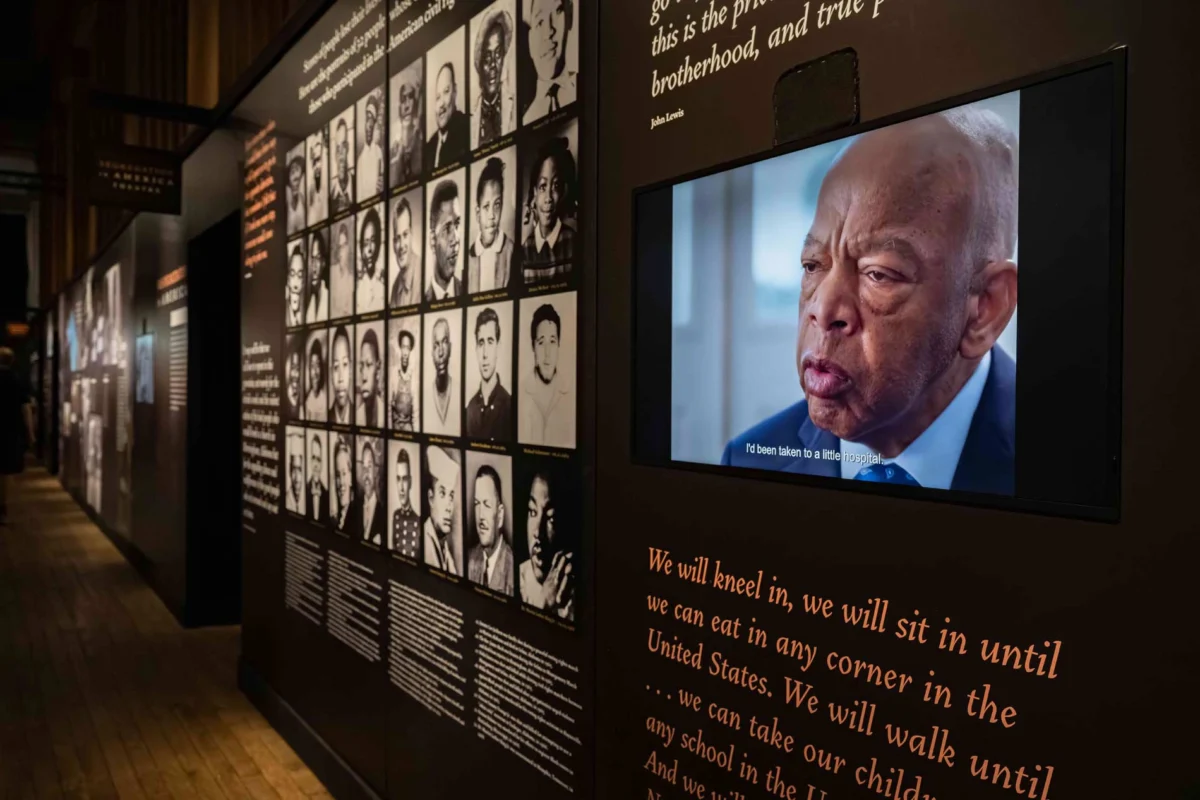
The comments frequently emphasized the educational value of confronting difficult historical truths. A particularly poignant example came from a visitor to Gateway Arch National Park in St. Louis, who wrote, "We had a great time learning about the development of this site including the difficult parts of our American story. We need those reminders to help us become even better in the future." Such statements underscore a widely held belief that national parks serve not merely as places of recreation or scenic beauty, but also as vital educational institutions where visitors can engage with the full, often complex, tapestry of American history. These comments reflect a public understanding that acknowledging past struggles and injustices is crucial for national growth and self-reflection, rather than something to be hidden or sanitized.
Actions Despite Public Feedback: A Disconnect
Despite the overwhelming evidence of public opposition gleaned from its own data, the National Park Service has reportedly proceeded with implementing the executive order’s directives. The Associated Press reported that the NPS has changed or removed dozens of signs across the national park system, signaling a potential disregard for the documented public sentiment. This action raises significant questions about the role of public input in federal agency decision-making and the extent to which political directives can override established professional practices and public will.
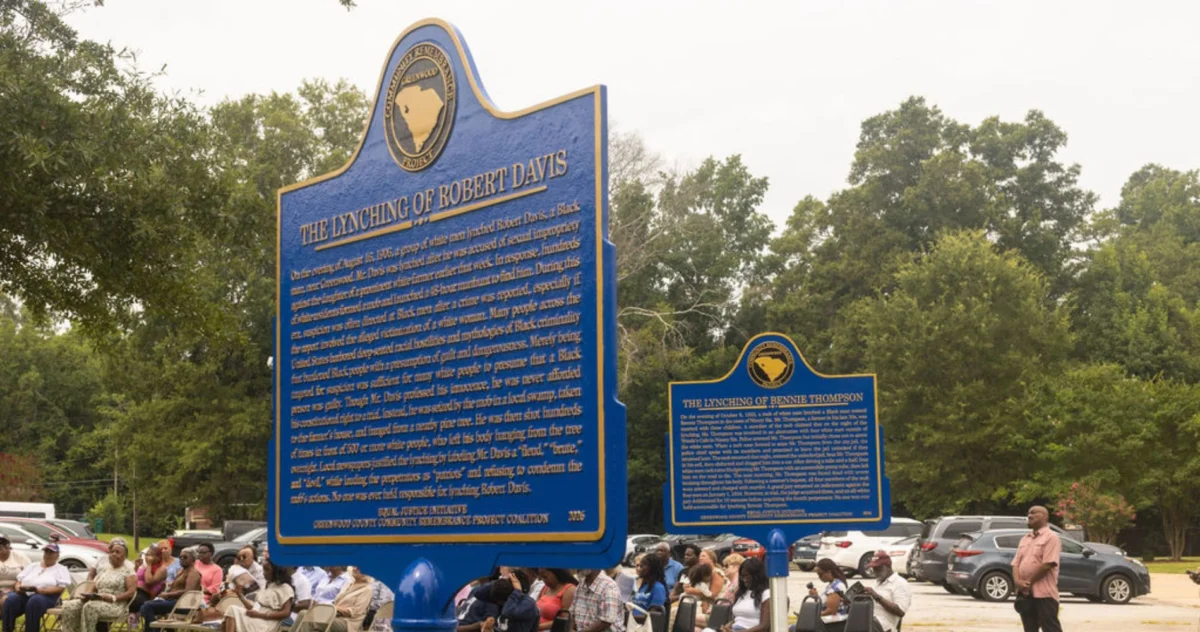
The apparent disconnect between public feedback and administrative action has galvanized watchdog groups and concerned citizens. One such organization, "Save Our Signs," was founded by a coalition of librarians, public historians, and data experts. This group has taken on the crucial task of documenting the extent of these changes, acting as a historical preservation initiative in itself. According to Jenny McBurney, a University of Minnesota librarian and a member of "Save Our Signs," the group has documented the removal or modification of at least 59 signs. These changes reportedly encompass a wide range of sensitive historical topics, including narratives related to slavery, women’s rights movements, and Native American history – precisely the areas where historical interpretation often grapples with challenging truths.
"Save Our Signs" is actively building what they term a "People’s Archive" of content at the parks. This initiative encourages visitors to submit photographs of existing signs and exhibits, creating a crowdsourced repository that can serve as a record of historical interpretation before and after the executive order. This grassroots effort underscores the public’s commitment to preserving historical accuracy and resisting politically motivated alterations to educational content within national parks. As Ms. McBurney articulated, "We hear from folks all over the country that history matters, that our national parks matter and that this is important to them."
Broader Implications and Future Trajectories
The controversy surrounding historical interpretation in national parks carries significant broader implications. At its core, it highlights an ongoing national debate about how American history should be presented, particularly in public spaces. The executive order and subsequent NPS actions represent a specific philosophical stance that prioritizes a largely celebratory and uncritical narrative, potentially at the expense of a more complete, nuanced, and academically rigorous historical account. This approach stands in tension with modern historical scholarship, which increasingly emphasizes inclusivity, critical analysis, and the acknowledgment of diverse perspectives and experiences.
The role of national parks themselves is also under scrutiny. Traditionally, these sites have served a dual purpose: preserving natural and cultural heritage, and educating the public. Historians and educators argue that a comprehensive understanding of cultural heritage necessitates confronting both the triumphs and the tragedies, the celebrated figures and the marginalized voices. By attempting to curate a "positive" historical narrative, critics argue that the NPS risks undermining its educational mission and transforming complex historical sites into mere tourist attractions devoid of deeper meaning.
Furthermore, this episode raises concerns about academic freedom and professional integrity within federal agencies. The directive to remove "negative" content potentially places park historians, interpreters, and educators in a difficult position, requiring them to compromise their professional standards and historical ethics in favor of political mandates. Such interference can erode public trust in federal institutions as reliable sources of information and impartial custodians of national heritage.
The "People’s Archive" and the overwhelming public opposition documented by analyses like CWP’s signify a robust public defense of historical accuracy and the integrity of national park interpretation. This collective action demonstrates that many Americans view their national parks not as static monuments to an idealized past, but as dynamic spaces for learning, reflection, and engaging with the full, often difficult, journey of the nation. The ongoing efforts by watchdog groups to document changes will be critical in assessing the long-term impact of this directive and holding the agency accountable to both historical truth and public sentiment. As the debate continues, the fundamental question remains: whose history will be told in America’s most cherished public spaces, and who ultimately decides? The public, through its unprecedented feedback, has already provided a resounding answer.