
Across the globe, the preservation of Indigenous heritage extends far beyond the confines of museum display cases and academic archives. It thrives in the oral histories, traditional languages, sacred instruments, dances, and intergenerational knowledge systems that define the world’s Indigenous communities. However, accelerating globalization, forced and economic displacement, and the marginalization of native languages have placed immense pressure on these living traditions. In response, a new generation of Indigenous youth is stepping forward, utilizing their creative practices, modern technology, and community organizing to ensure their cultural foundations endure.
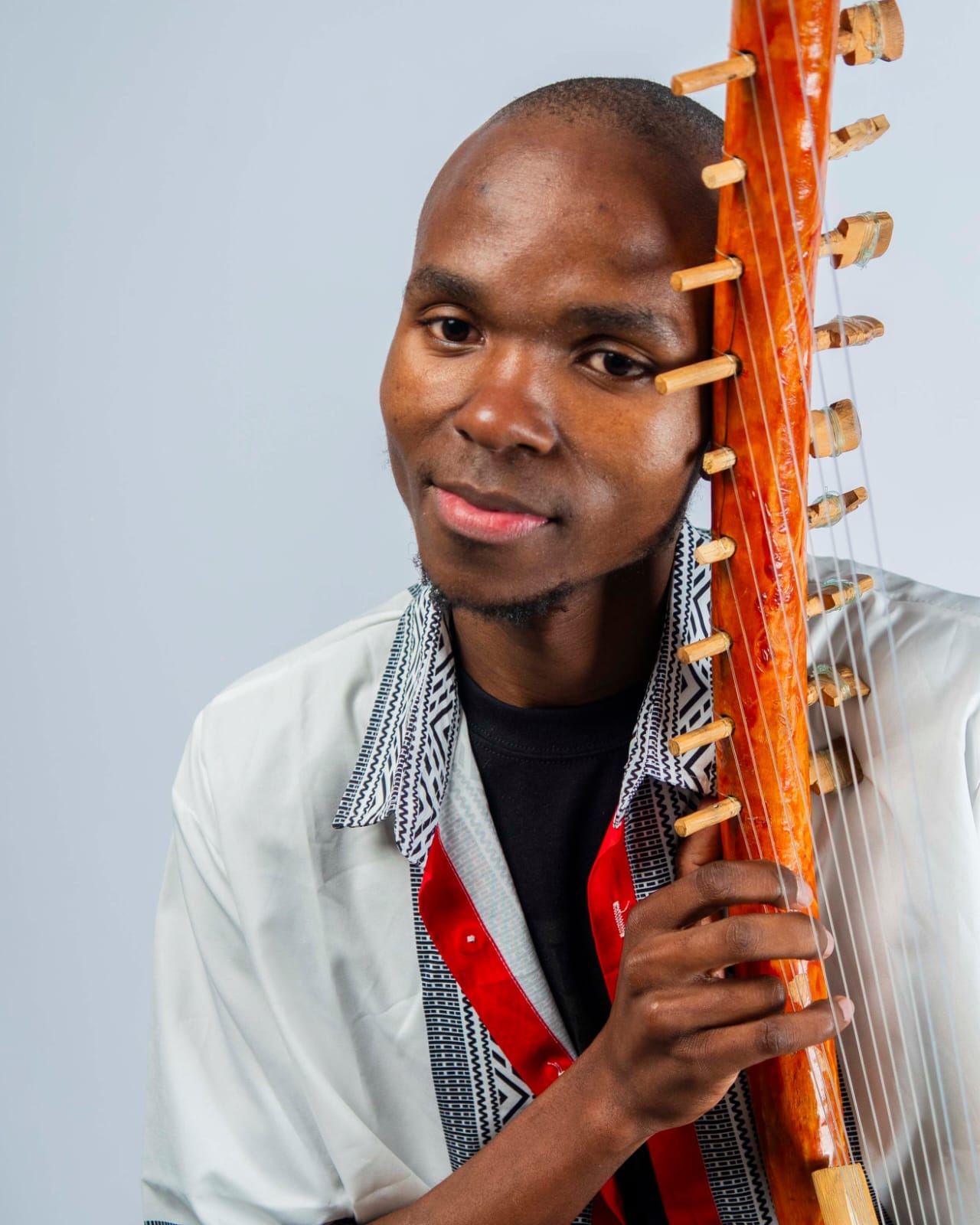
A prominent catalyst for this youth-led cultural revitalization is Cultural Survival’s Indigenous Youth Fellowship Program. This international initiative provides vital resources, mentorship, and platforms for young leaders to develop grassroots projects that reinforce cultural identity and establish innovative channels for transmitting Indigenous Knowledge Systems (IKS). Among the fellows addressing these modern challenges is Asakhe Cuntsulana, a South African musician, educator, composer, and founder of IThala leAfrika. Through a sophisticated blend of academic research, public musicology, storytelling, and immersive community engagement, Cuntsulana is spearheading efforts to secure the future of traditional African music for generations to come.
The Main Facts: Bridging Tradition and Contemporary Innovation
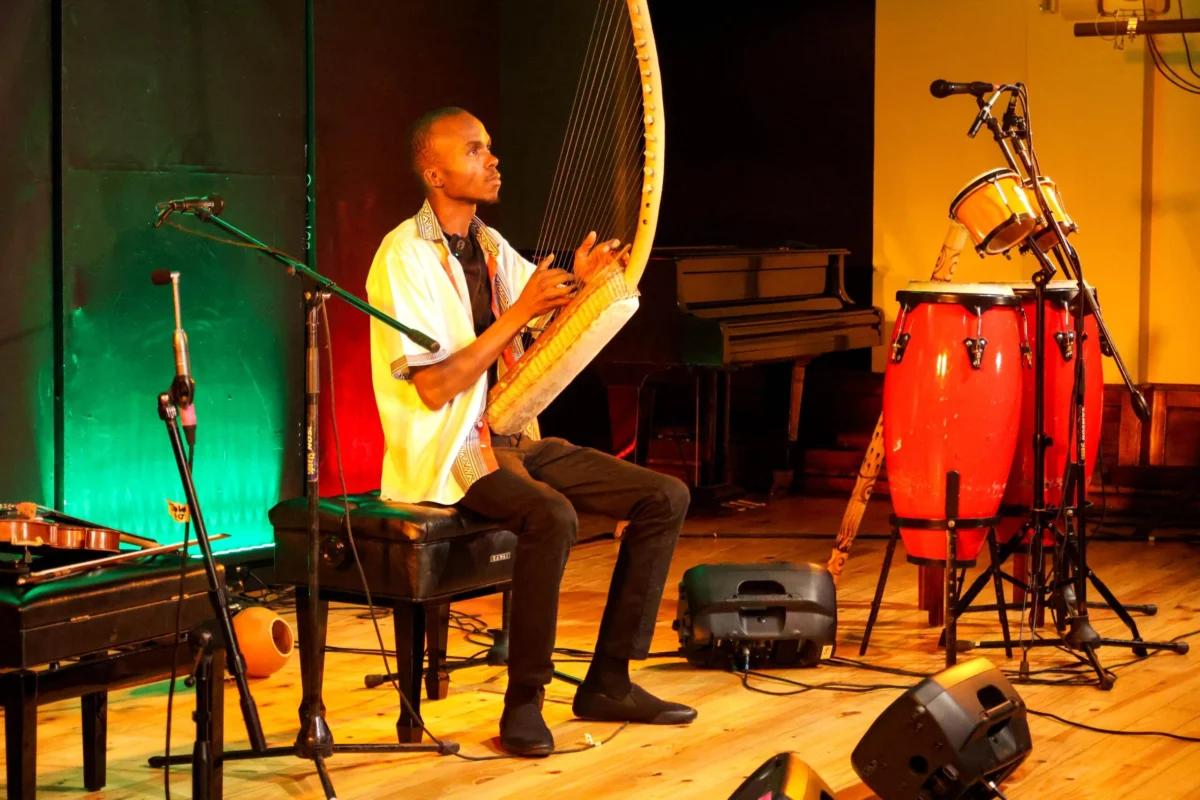
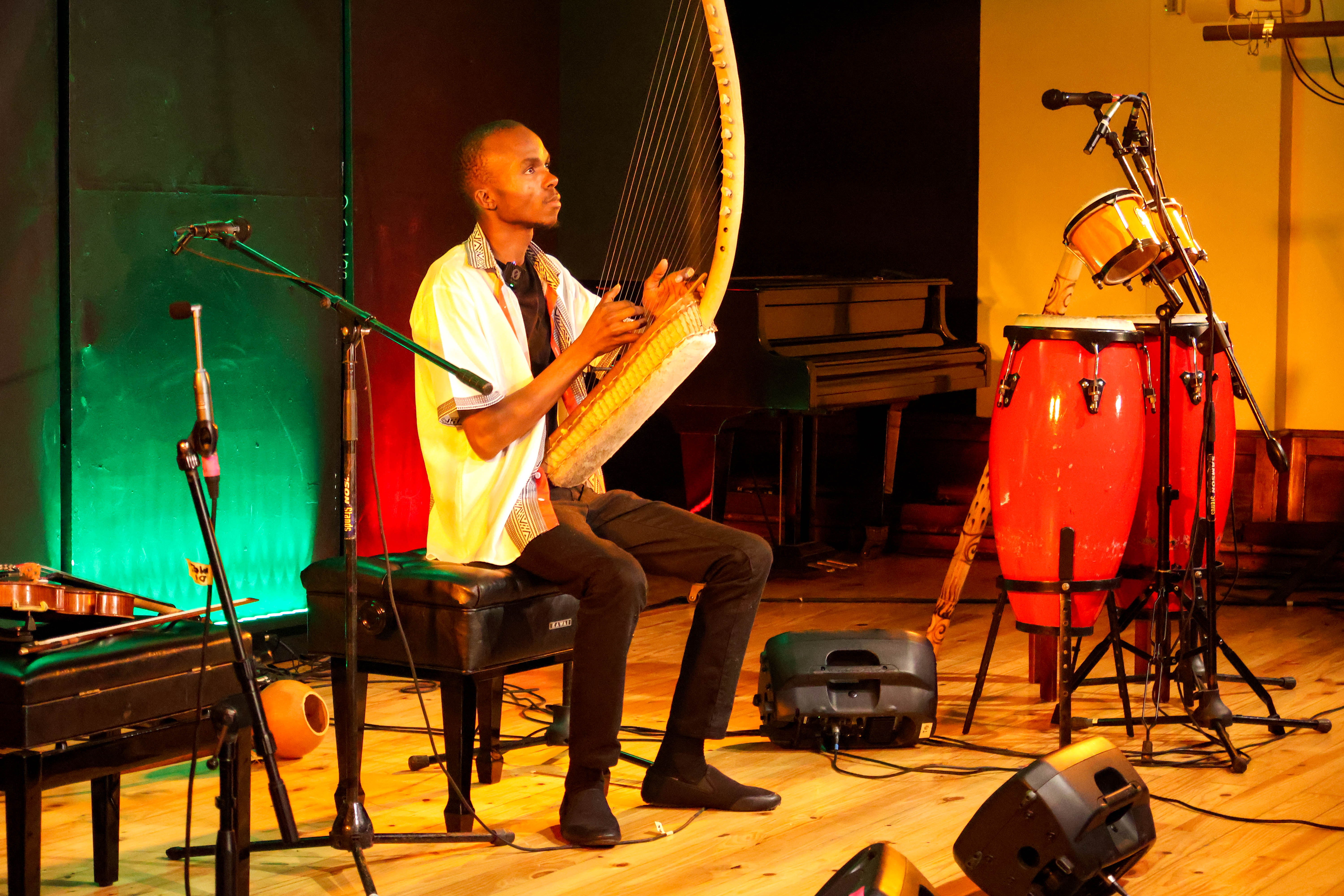
At the core of Cuntsulana’s current initiative is the uHadi, the traditional Xhosa bow harp, an instrument historically embedded with deep cultural significance, spiritual wisdom, and ecological philosophy among the amaXhosa people of South Africa. Recognizing the vulnerability of these acoustic archives in the face of rapid cultural homogenization, Cuntsulana has developed Ingoma yoHadi (Song of the Harp). This multifaceted project seeks to transcend conventional boundaries of music preservation by treating traditional African instruments not merely as cultural relics, but as dynamic intellectual and pedagogical systems.
The scope of Ingoma yoHadi is broad and interdisciplinary. The initiative combines the production of an original studio music album with the publication of a comprehensive companion book. While the album blends the distinctive acoustic timbre of the uHadi with the Adungu—a traditional arched harp from Uganda—the publication documents the technical construction, oral histories, tuning systems, and socio-cultural roles of these instruments. By forging a pan-African musical dialogue, Cuntsulana’s work establishes a transnational network of Indigenous artists who view their instruments as living classrooms, archives, and vehicles for modern intellectual inquiry.
Chronology of the Initiative: From Concept to Pan-African Collaboration
The trajectory of Ingoma yoHadi reflects a deliberate, phased approach to cultural preservation and artistic innovation. The foundational concepts for the project began to take shape organically through preliminary academic research at Rhodes University, where Cuntsulana pursued his formal studies in music. Collaborating with traditional elders, cultural historians, and fellow musicians, he began examining how ancestral African soundscapes could engage contemporary audiences without losing their foundational integrity.
The operational timeline of the project advanced through several key milestones:
- 2024 (Conception and Preliminary Live Performances): Cuntsulana initiated public-facing live performances and community listening sessions to test the reception of blending the uHadi and Adungu. These early showcases served as a testing ground for community engagement, allowing traditional practitioners and younger audiences to interact directly with the music.
- 2025 (Festival Integration and Multimedia Expansion): The project expanded its footprint through major cultural festival appearances, notably featuring collaborative concerts that brought together visual artists, historians, and musicians. During this phase, the framework for community-based workshops was established.
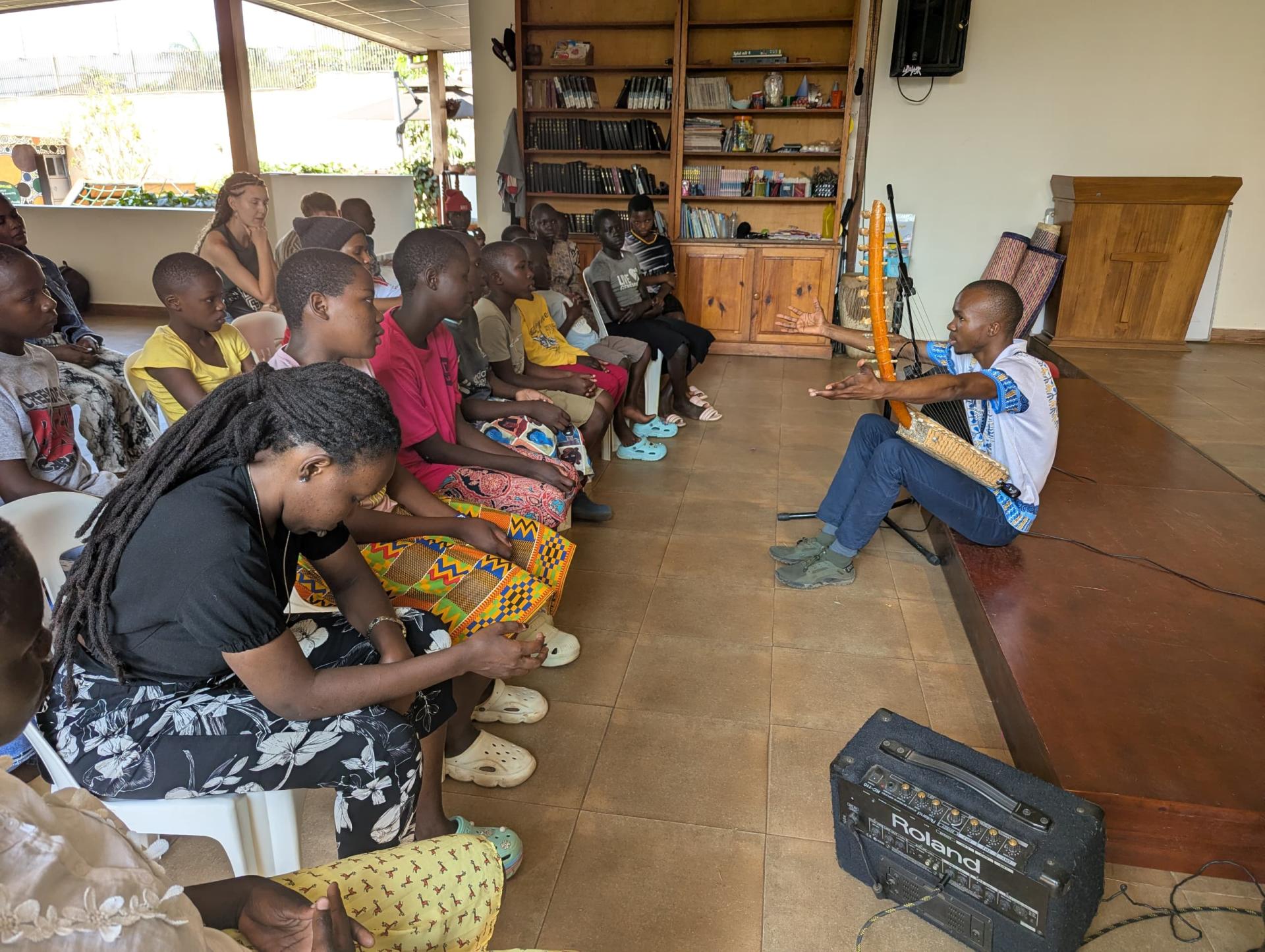
- 2026 and Beyond (The Indigenous Youth Fellowship Phase): With backing from Cultural Survival’s fellowship program, Cuntsulana entered the formal production phase of the Ingoma yoHadi album and companion text. Current projections include the rollout of structured local workshops aimed at teaching youth how to construct, tune, and play the uHadi and Adungu, supported by digital archives and multimedia exhibitions designed to reach global audiences.
Supporting Data and the Global Landscape of Indigenous Cultural Heritage
The urgency behind Cuntsulana’s work is underscored by broader sociological and anthropological data concerning the loss of intangible cultural heritage worldwide. According to data compiled by the United Nations Educational, Scientific and Cultural Organization (UNESCO), a significant percentage of the world’s estimated 7,000 spoken languages—many of which are inextricably linked to Indigenous musical traditions—are currently endangered. Furthermore, specialized knowledge systems tied to local ecologies, traditional medicines, and acoustic arts are disappearing at an alarming rate as rural populations migrate to urban centers and aging Indigenous elders pass away without younger apprentices to inherit their knowledge.
In the South African context, where colonial histories systematically suppressed Indigenous knowledge structures and prioritized Eurocentric academic frameworks, initiatives like Ingoma yoHadi play a crucial corrective role. Research in African musicology indicates that traditional instruments such as the uHadi function as sophisticated mnemonic devices that encode historical narratives, genealogical records, and philosophical paradigms. By documenting these instruments through written texts and high-fidelity audio recordings, projects supported by cultural fellowships help counteract the historical bias that favors written archives over oral and performance-based traditions.
Perspectives from Cultural Bearers and Related Parties
While formal institutional evaluations of the Indigenous Youth Fellowship Program highlight its success in fostering leadership, the true impact of initiatives like Ingoma yoHadi is measured at the community level. Cultural historians and ethnomusicologists have frequently emphasized that the survival of Indigenous arts depends heavily on decentralized, youth-led stewardship rather than top-down academic preservation.
Although individual direct quotes from elders and participants reflect localized dynamics, community responses to Cuntsulana’s workshops and performances point to a strong desire among younger generations to reconnect with ancestral roots through modern mediums. Educators working within South African arts programs have noted that integrating traditional instruments into contemporary curricula demystifies the idea that African philosophy exists only in the past. Instead, students are encouraged to view traditional music as a living, evolving medium capable of addressing contemporary emotional, social, and spiritual needs.
Representatives from cultural heritage organizations frequently point out that initiatives bridging different African regions—such as the collaboration between Xhosa and Ugandan musical traditions—help rebuild pan-African solidarity disrupted by colonial borders. By positioning African instruments as sites of theory, philosophy, and wellness, these programs challenge the global hegemony of Western musical pedagogy.
Broader Impact and Implications for the Future
The implications of the Ingoma yoHadi project extend far beyond the realm of artistic performance. By asserting that Indigenous instruments are repositories of advanced intellectual inquiry, Cuntsulana and his contemporaries are actively decolonizing educational spaces. The project demonstrates that rigorous academic research and traditional ecological or spiritual knowledge are not mutually exclusive, but rather mutually reinforcing.
Furthermore, the economic and social implications for Indigenous youth are substantial. Programs that provide fellowships, technical training, and exposure help equip young leaders with the professional tools needed to sustain cultural projects independently. As these youth acquire skills in grant writing, media production, archival science, and event management, they build resilient infrastructures capable of withstanding the pressures of globalization.
Ultimately, projects supported by the Indigenous Youth Fellowship Program offer a replicable model for cultural preservation worldwide. By refusing the false dichotomy between preserving the past and innovating for the future, young leaders like Asakhe Cuntsulana are proving that tradition can serve as a springboard for modern creativity. Through the resonant strings of the uHadi and the collaborative spirit of pan-African exchange, these artists are ensuring that ancestral wisdom continues to speak powerfully into the contemporary world, guiding new generations as they compose their own futures.




