
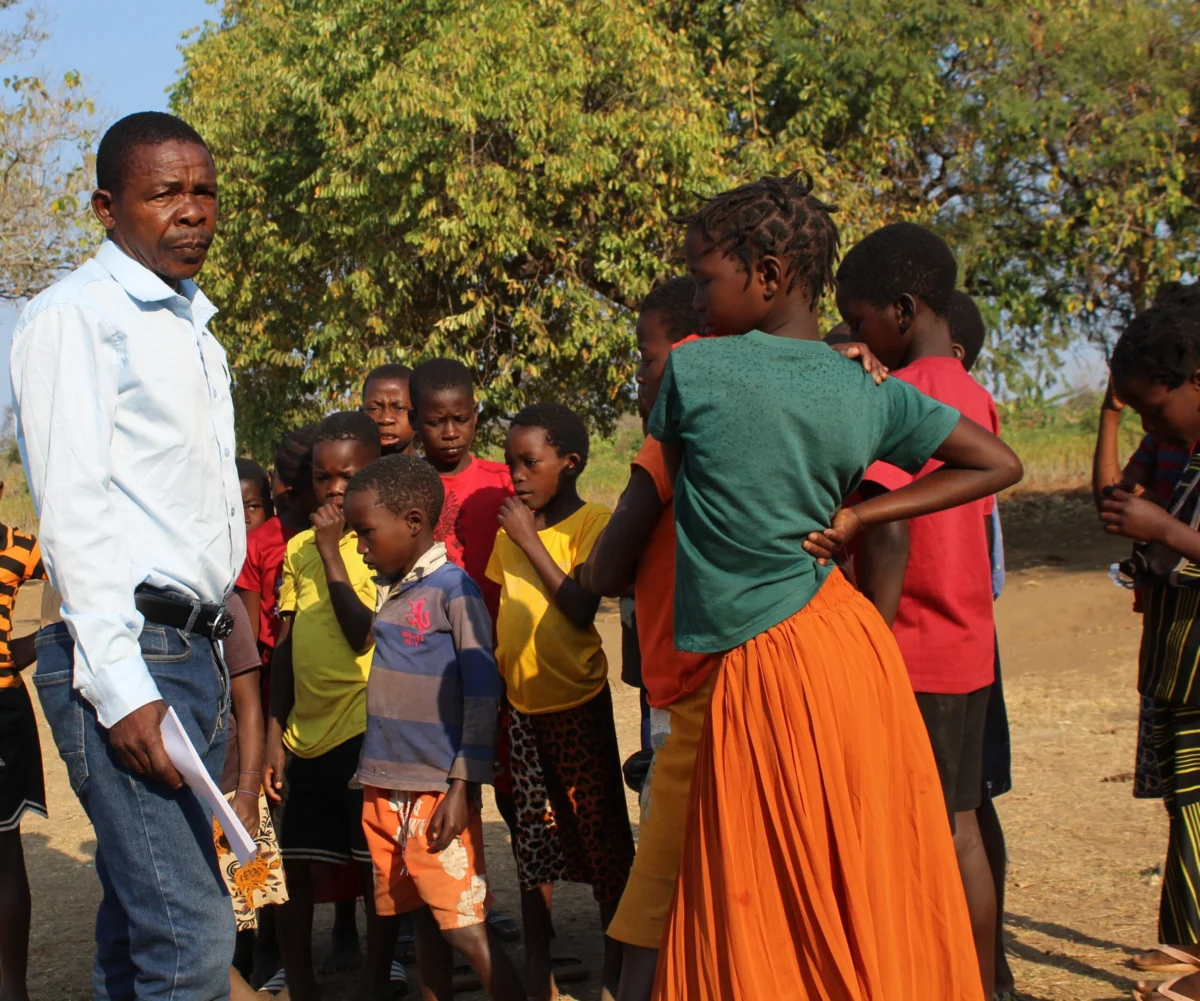
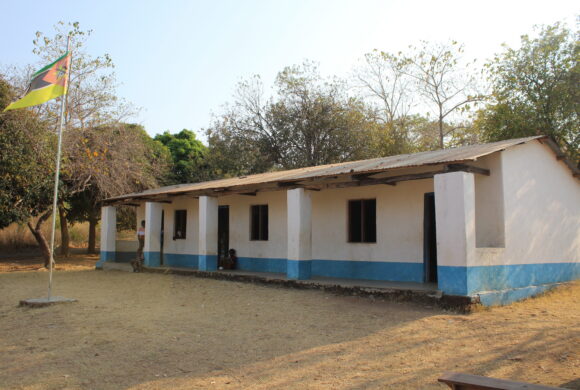
The morning sun rises over Niassa Province, casting long shadows across the dusty clearing that surrounds Chicoa Primary School, the sole educational anchor for a remote and isolated Mozambican community. Inside the humble three-room structure, Alberto Ndoca is already orchestrating the rhythms of another demanding day. Within the span of a few hours, Ndoca will cycle through six distinct grade levels, reviewing student exercises, assessing reading and mathematical competencies, and identifying children who require targeted academic interventions.
Ndoca is not merely a teacher; he is the entire administrative and pedagogical apparatus of Chicoa Primary School. As sole educator, school director, pedagogical lead, and administrative officer, his daily routine is a relentless test of endurance. Mornings are dedicated to Grades 1, 2, and 6, while afternoons are consumed by Grades 3, 4, and 5. With zero transition time between lessons, Ndoca moves fluidly from one classroom to the next, bearing the total weight of institutional responsibility. "It is me. I am alone," Ndoca states, encapsulating the profound isolation experienced by educators stationed in Mozambique’s most remote academic outposts.
This stark reality highlights a broader structural crisis within rural education across sub-Saharan Africa. While national and international development frameworks continually emphasize universal primary education, the ground-level execution frequently falls upon isolated professionals operating under extreme resource constraints. The story of Chicoa Primary School offers a compelling lens through which to examine systemic teacher shortages, the vital role of community engagement, and the transformative potential of targeted Continuous Professional Development (CPD) initiatives in developing regions.
The Chronology of Resilience: From Deserted Halls to Growing Enrollment
The story of Alberto Ndoca’s tenure at Chicoa Primary School began in late March, under deeply discouraging conditions. Upon his arrival, Ndoca discovered a school operating roughly two months behind the official national academic calendar. The physical infrastructure was virtually barren, stocked with little more than a single box of chalk, a handful of erasers, and three attendance registers. There were no supplementary educators, no administrative staff, and an initial enrollment of just 150 students who had grown accustomed to irregular instruction and institutional neglect.
Rather than waiting passively for systemic reinforcements that history suggested would be slow to arrive, Ndoca initiated an immediate operational turnaround. Recognizing that the school’s delayed start had severely disrupted its academic momentum, he embarked on a mission to revitalize community trust. He understood that in a region where children frequently walk up to 45 minutes each way to reach the schoolhouse, physical distance is compounded by socioeconomic barriers that threaten sustained attendance.
By mid-year, Ndoca’s proactive outreach strategies yielded measurable results, swelling the school’s roster to 249 students. This expansion occurred entirely independently of major infrastructure upgrades or material resource injections. Instead, the growth was catalyzed by a fundamental shift in how the school engaged with its surrounding population. Ndoca abandoned the traditional passive educational model, recognizing that student retention in remote areas requires active, ongoing advocacy beyond the school gates.
Grassroots Mobilization and Community-Led Retention
Faced with declining attendance patterns during the early weeks of his tenure, Ndoca implemented a rigorous community engagement campaign. Over weekends, he walked through the surrounding villages to conduct direct home visits, meeting with parents and primary caregivers. During these dialogues, he emphasized the long-term socioeconomic value of basic education and addressed parental concerns regarding school safety and academic relevance.
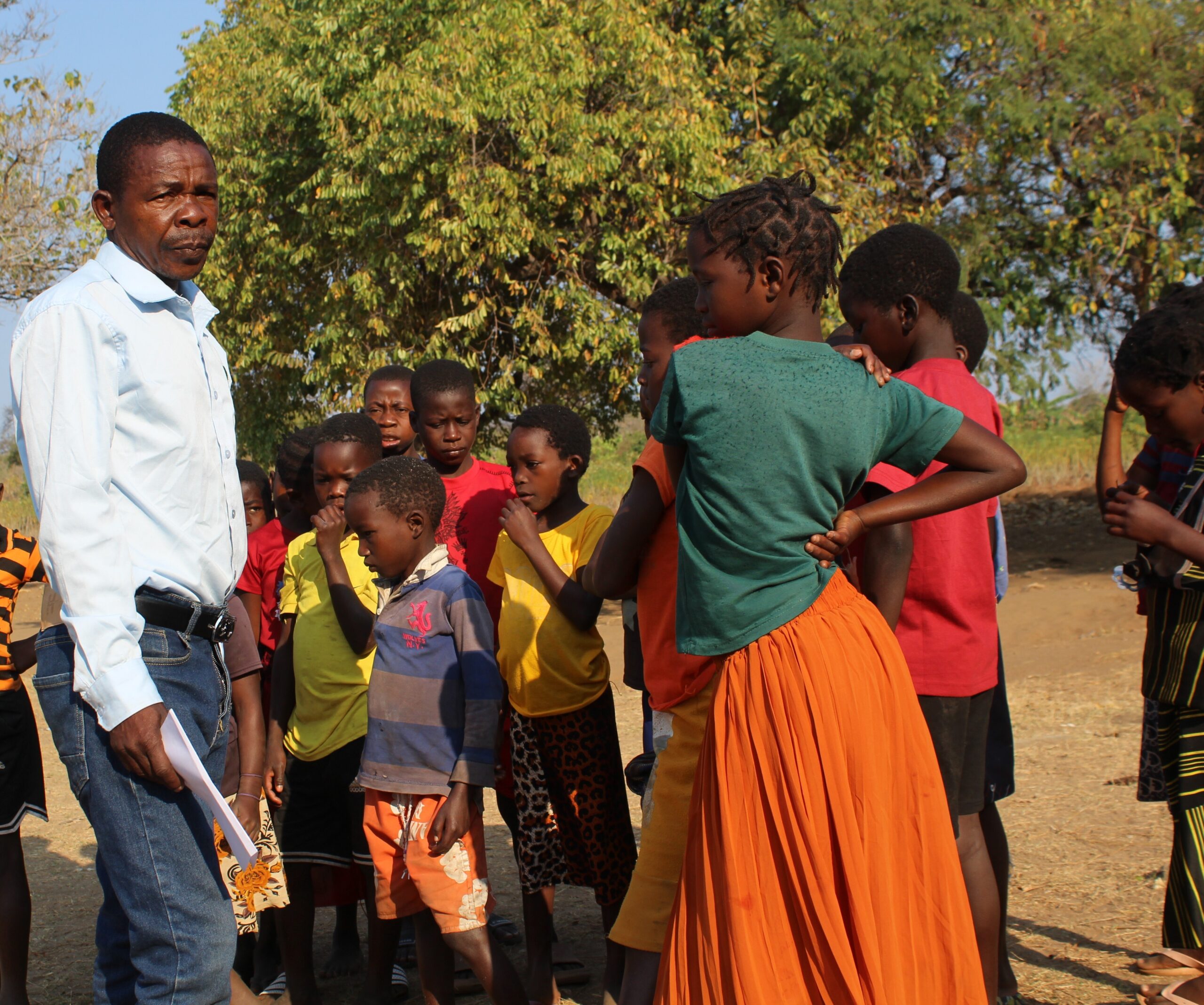
Simultaneously, Ndoca forged alliances with the village’s traditional authorities. By securing the active backing of local elders and leaders, he was able to reinforce institutional messaging concerning regular attendance and community ownership of the school. To foster a welcoming environment for the youngest learners, Ndoca frequently utilized his personal financial resources to purchase biscuits and juice, distributing them as modest incentives. While acknowledging that small tokens cannot resolve deep-seated poverty or structural deprivation, Ndoca recognized their psychological value in communicating to children that their presence was valued and missed when absent.
Gender equity remains a central focus of Ndoca’s administrative approach. Of the current student population of 249, approximately 103 are girls. Through vigilant daily monitoring, Ndoca has successfully prevented significant gender-based dropout rates—a persistent vulnerability in rural Mozambican education. His guiding philosophy remains straightforward and uncompromising: "My mission is for the children to learn to read, write, and count."
Systemic Strain and the Hidden Costs of Solo Administration
Operating a multi-grade institution single-handedly exacts a heavy toll on physical and psychological well-being. Ndoca is responsible for drafting every lesson plan, designing and grading assessments across all six primary levels, tracking individual student progress, and maintaining mandatory state documentation.
Belonging to the Chia Pedagogical Influence Zone (ZIP)—a regional cluster designed to facilitate resource sharing and professional collaboration among nearby institutions—offers limited immediate relief. While neighboring schools within the ZIP maintain staffs of three to six teachers, Chicoa remains uniquely dependent on Ndoca’s singular presence. The structural fragility of this arrangement was demonstrated on a morning when Ndoca suffered a debilitating migraine. With no substitute personnel available within the isolated community, the school had no choice but to cancel classes for the day.
Despite such systemic vulnerabilities, Ndoca expresses unwavering commitment to his vocation. When questioned regarding the possibility of leaving the profession or seeking employment in less demanding urban centers, his rejection is absolute. "I have never thought of giving up, because I know that this is my daily bread," Ndoca reflects. "I have had to sacrifice so that I can keep doing this work."
Empowering Educators: The Role of Continuous Professional Development
Ndoca’s exceptional dedication drew the attention of regional educational authorities and international development partners during a professional development seminar organized through the Empowering Educators project. Funded by the Embassy of Ireland and implemented by World Education—a flagship initiative of JSI—in close partnership with Mozambique’s Ministry of Education and Culture, the project seeks to fortify instructional capacity in under-resourced learning environments.
Intrigued by Ndoca’s informal accounts during the seminar, project evaluators conducted field visits to Chicoa Primary School to evaluate how structured Continuous Professional Development (CPD) programs can effectively sustain educators operating in extreme environments. The resulting data underscored that while CPD cannot substitute for basic physical infrastructure, textbooks, or additional teaching staff, it can drastically optimize the operational effectiveness of frontline personnel.
Through the CPD framework, Ndoca received specialized training in positive discipline methodologies, gender-responsive pedagogical practices, and welcoming school planning. These modules provided actionable strategies that reinforced Ndoca’s intuitive community-based approaches. By translating high-level educational priorities into concrete daily actions, the training enhanced his capacity to manage diverse multi-grade classrooms while maintaining an inclusive, respectful environment for both female and male students. Crucially, the Empowering Educators model extends beyond isolated training workshops, integrating ongoing mentorship, systematic follow-up, and institutional supervision through established channels of the national education system.
Broader Implications for National Educational Policy
The conditions observed at Chicoa Primary School mirror wider systemic challenges confronting educational ministries across developing economies. According to regional educational analysts, rural teacher retention, multi-grade classroom management, and resource parity represent persistent obstacles to achieving sustainable development goals related to universal primary education.
When teachers are forced to function as simultaneous instructors, administrators, and community welfare officers, burnout rates escalate, directly threatening learning outcomes. Analysts note that interventions like the Empowering Educators project demonstrate the value of targeted professional empowerment, yet they also underscore the urgent necessity for concurrent capital investments. Sustainable educational reform in rural provinces requires a dual approach: empowering existing educators through advanced pedagogical training while simultaneously expanding recruitment pipelines to deploy additional teaching staff to underserved regions.
Furthermore, Ndoca’s success in driving enrollment through intensive community mobilization offers a replicable model for educational policymakers. By institutionalizing structured partnerships between rural schools, traditional leadership structures, and family networks, regional authorities can mitigate dropout trends and foster resilient learning ecosystems even in the absence of immediate material abundance.
Looking Toward the Future of Chicoa Primary School
Chicoa Primary School continues to operate under severe constraints. The facility requires expanded physical infrastructure, modern instructional materials, additional seating, and, above all, human resources to share the pedagogical load. Yet, the trajectory of the institution has fundamentally shifted since Alberto Ndoca walked through its doors in March.
The school is no longer a dormant building awaiting rescue, but a functioning community hub of literacy and numeracy. Through a combination of individual resilience, strategic community engagement, and specialized professional development supported by international and domestic partnerships, Ndoca has redefined what is possible in a resource-scarce environment.
As dawn breaks over Niassa Province day after day, Alberto Ndoca continues his familiar routine: unlocking the doors, stepping into the first classroom, and initiating the cycle anew. While the challenges facing Chicoa Primary School remain extensive, Ndoca’s steadfast dedication and enhanced pedagogical skills are steadily rewriting the educational futures of Mozambique’s next generation, one student at a time.




