
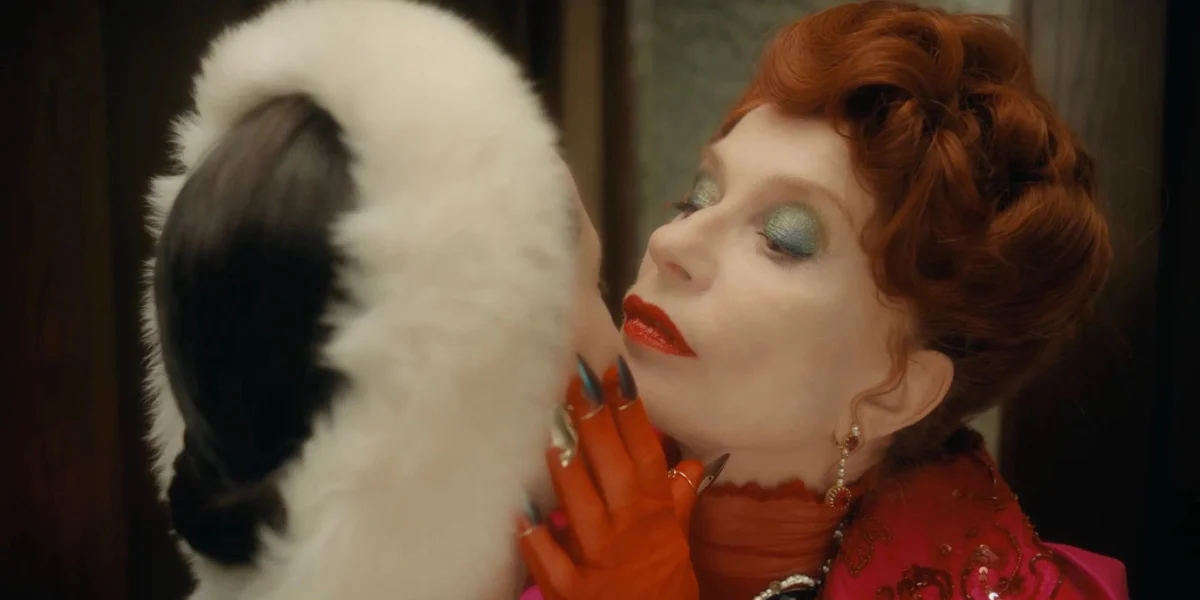
The 17th-century Hungarian countess Elizabeth Báthory has re-emerged as a focal point of modern cinematic interest, appearing in three distinct adaptations within a single calendar year. This resurgence, characterized by a shift toward queer-coded narratives, marks a significant departure from traditional historical depictions of the "Blood Countess." Her appearance in the vampire horror-comedy The Blood Countess, directed by Ulrike Ottinger and starring Isabelle Huppert, follows her recent inclusion in the anthology Monster: The Lizzie Borden Story and Carlos Atanes’ experimental feature Báthory. This triple-feature of sorts signals a broader cultural trend: the reclamation and recontextualization of historical female figures through a lens that explores queer identity, vampirism, and the intersection of myth and gender.
A Chronology of a Historical Myth
Elizabeth Báthory, born in 1560, remains one of history’s most infamous figures. Accused of torturing and murdering hundreds of young women between 1590 and 1610, she was eventually imprisoned in Csejte Castle until her death in 1614. While the historical record focuses on allegations of ritualistic cannibalism and blood-bathing, these accusations were deeply tied to the political instability of the era and the potential desire of Hungarian royalty to seize her vast estates.
For centuries, folklore surrounding Báthory focused primarily on her supposed vanity and the macabre nature of her crimes. However, the current wave of media suggests a pivot. In Monster: The Lizzie Borden Story, the thematic parallels between the Victorian-era Borden and the medieval Báthory—both categorized by societal anxieties regarding transgressive women—were drawn through casting choices that linked them to the archetype of the queer serial killer, notably alongside historical figures like Aileen Wuornos. This narrative framework suggests that modern creators are utilizing the "vampire" as a metaphor for the ostracization of queer women throughout history.
Analysis of The Blood Countess
Directed by veteran filmmaker Ulrike Ottinger, The Blood Countess offers a unique, albeit stylized, take on the countess. The narrative follows Báthory as she awakens in modern-day Vienna, attempting to navigate a contemporary landscape while seeking a cure for her vampirism.
Production records indicate that the screenplay was originally drafted in 1998. This temporal disconnect provides a fascinating study in creative evolution. Critics have noted that while the film contains the visual flair expected of Ottinger’s work, the depiction of queer themes reflects the cinematic language of the late 1990s rather than the more explicit discourse of the 2020s. Despite this, the film’s scheduled North American theatrical release in the spring of 2027 is expected to generate significant discussion regarding the "vampire aesthetic" as a vehicle for queer storytelling.
Thematic Implications of Queer Recontextualization
The emergence of these adaptations raises questions regarding the "queering" of historical villains. Historically, the accusations against Báthory involved luring young women into private, female-dominated spaces. While contemporary historians often dismiss the blood-bathing myths as patriarchal fabrications intended to discredit a powerful female landowner, modern filmmakers are finding subtext in these private gatherings.
By framing her interactions as potentially queer, these adaptations are not necessarily endorsing the historical violence attributed to her, but rather deconstructing the tropes used to demonize women who operated outside of patriarchal marital structures. The "blood" in these stories functions as a stand-in for the forbidden—a common motif in queer cinema where the monster is a proxy for the repressed identity.
Broader Cultural Developments in Entertainment
The trend of revisiting established narratives with a queer lens extends well beyond the figure of Elizabeth Báthory. The television landscape is currently experiencing a similar period of retrospective engagement.
- Cruel Summer Returns: Following a four-year hiatus, the anthology series Cruel Summer has announced its third season. Notably, the production is returning to the original characters of the inaugural season, including the bisexual protagonist Kate Wallis, played by Olivia Holt. This move is being viewed by industry analysts as a play for "legacy engagement," where streamers leverage established, queer-inclusive fanbases to stabilize viewership numbers in a fragmented market.
- Marriage Equality and Celebrity Visibility: The public confirmation of the marriage between Sophia Bush and Ashlyn Harris represents a shift in how celebrities manage personal disclosures. The transition from using the term "partner" to "wife" signals a departure from the coded language often used in Hollywood to protect public images, reflecting a broader trend of increased comfort with overt queer labeling among high-profile figures.
- Literary Adaptations: The upcoming Prime Video adaptation of Stephen King’s Carrie, helmed by Mike Flanagan, is expected to continue the exploration of "outsider" horror. Similarly, the latest iteration of Jane Austen’s Sense and Sensibility, featuring Fiona Shaw as Mrs. Jennings, has garnered attention for its progressive character interpretations, signaling that classic literature is being continuously mined for its latent queer potential.
- Social and Political Intersections: The intersection of entertainment and real-world politics remains robust. The development of a television series based on the "lesbian bar mask mandate" controversy in western Massachusetts serves as an example of how niche, local queer discourse is increasingly becoming "prestige television" fodder.
- Digital Discourse: The intersection of fandom and accountability is also evolving. Ellie Goulding’s recent public rebuke of a fan account for transphobic content highlights the expectation for high-profile artists to act as moderators within their own digital communities. Simultaneously, the public interactions between Big Brother winners Chelsie Baham and Kaycee Clark demonstrate the complexities of modern parasocial relationships, where past ideological stances—such as allegations of homophobia—are scrutinized in real-time against current social media behaviors.
Conclusion: A Pattern in the Media Landscape
The simultaneous emergence of multiple Báthory-themed projects is likely a coincidence of development cycles, yet it reflects a profound hunger for stories that subvert traditional villainy. By centering the queer experience within the framework of classic horror, filmmakers are shifting the focus from the act of violence to the act of existence. Whether through the lens of a 1998 script or a contemporary anthology, the countess remains a malleable figure, shifting shape to fit the anxieties and curiosities of the present day. As 2027 approaches, the release of The Blood Countess will likely serve as a litmus test for how much appetite remains for these historical re-imaginings and whether the "vampire" remains the most effective mask for queer expression in the modern era.




