
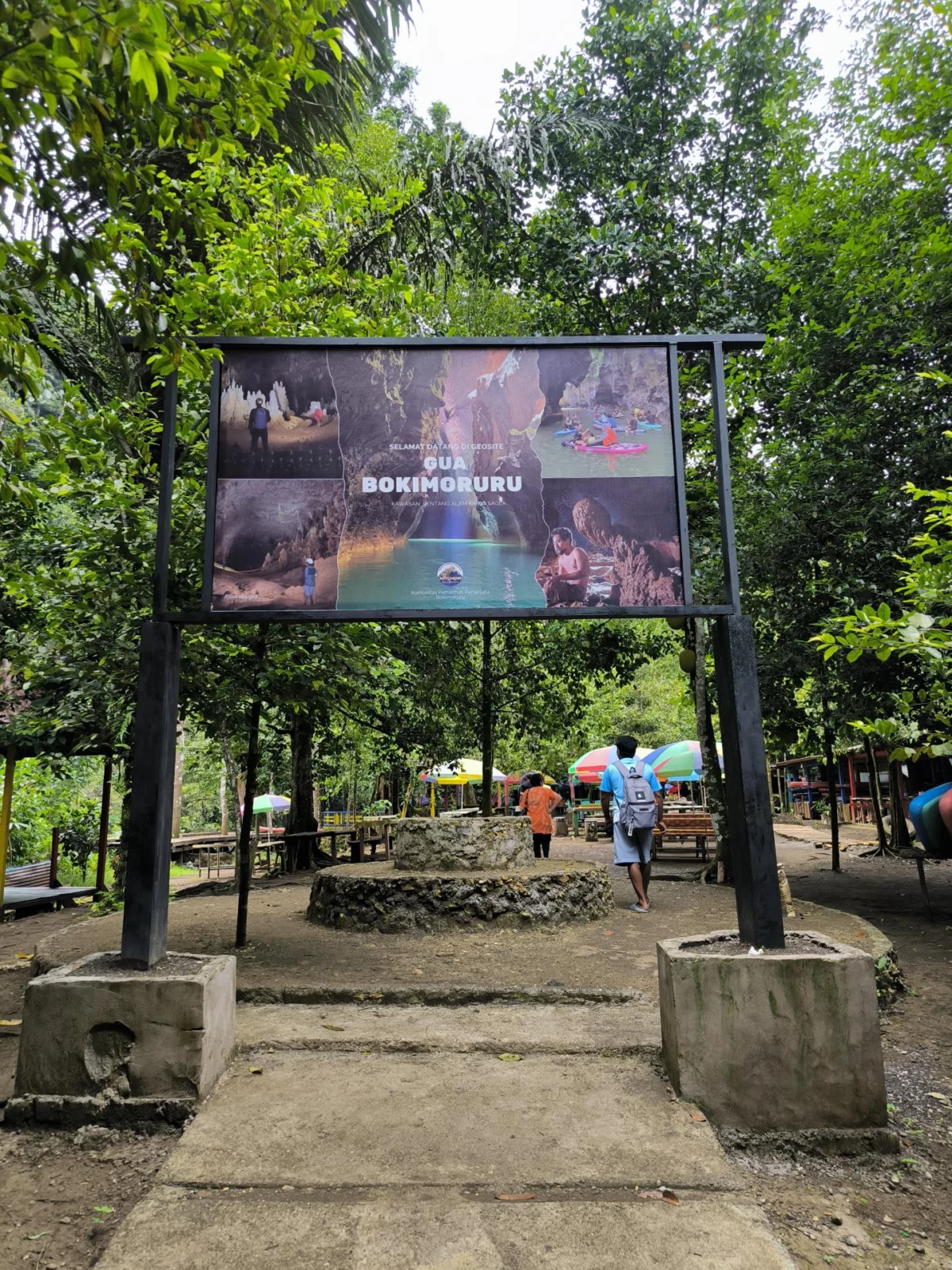
Deep within the lush tropical rainforests of Central Halmahera Regency in Indonesia’s North Maluku Province, the breathtaking karst formations of Bokimoruru Cave have long stood as a testament to the pristine natural heritage of the archipelago. Stretching approximately 7.6 kilometers, this subterranean marvel—situated in Sagea Village, North Weda District—features an intricate underground river system, crystal-clear turquoise waters, and towering stalactites and stalagmites resembling pristine white marble sculptures. Yet, this ecological sanctuary and vital cultural landmark now face an existential crisis. The aggressive, large-scale expansion of nickel mining operations across Halmahera Island is rapidly encroaching upon the sacred caves, threatening fragile ecosystems, muddying ancient waterways, and systematically dismantling the traditional livelihoods of the indigenous Sagea-Kiya community.
The unfolding situation in Sagea and Kiya villages underscores a broader national tension in Indonesia. As the world’s largest producer of nickel—a critical raw material for electric vehicle (EV) batteries and global green energy transitions—the country has fast-tracked industrial extraction. However, this economic push has come at a severe ecological and social cost. For the indigenous people of Central Halmahera, the industrialization of their ancestral lands has transformed a self-sustaining agrarian and marine-based society into one grappling with environmental degradation, loss of sovereignty, and the erosion of cultural identity.
A Chronology of Industrial Incursion and Environmental Decline
The modern transformation of Central Halmahera’s landscape is rooted in a rapid acceleration of mining permits and land acquisitions over the past several years. While small-scale traditional land use and sustainable tourism defined the regional economy for generations, the arrival of heavy industrial actors radically shifted local realities.
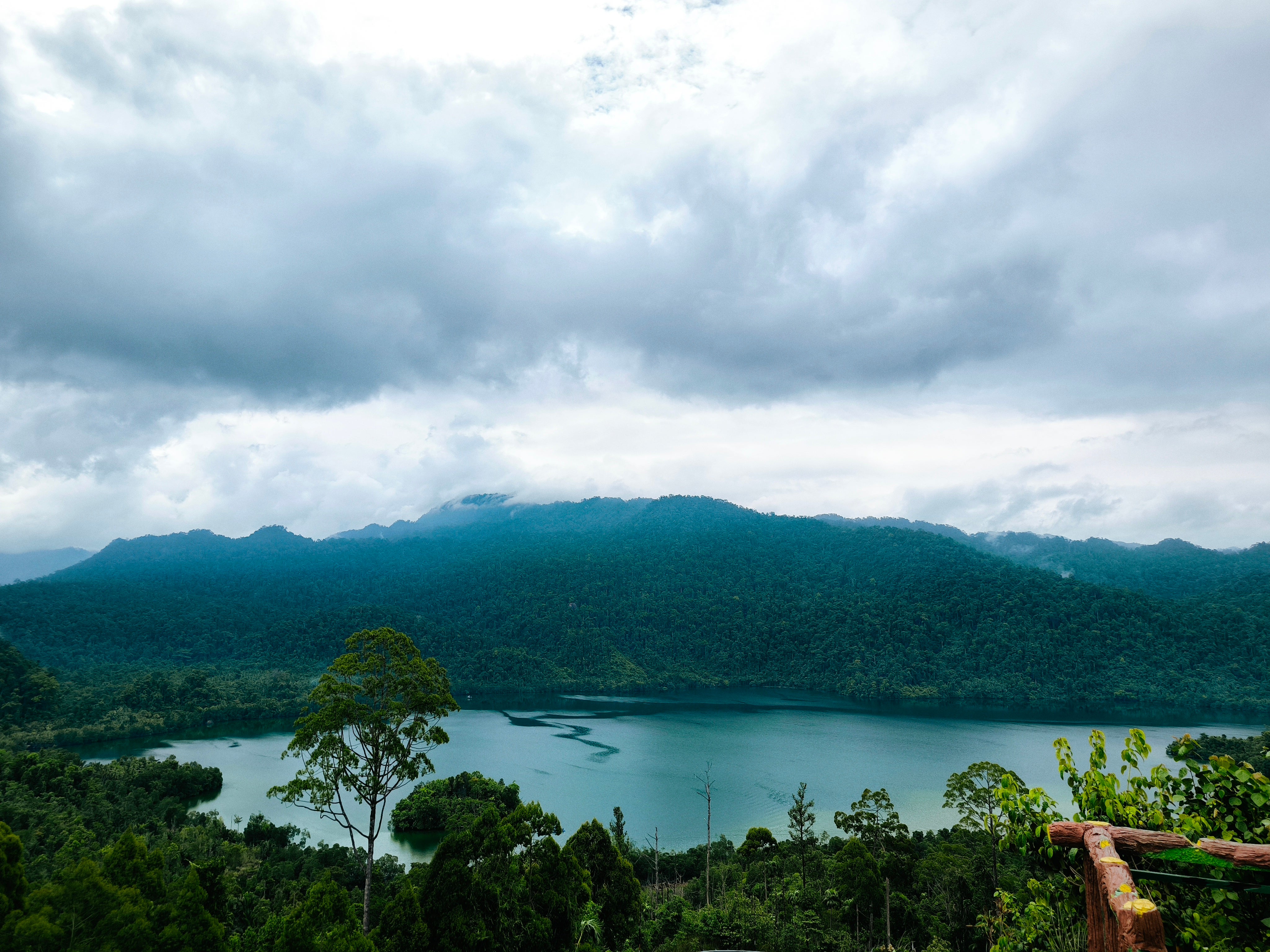
The timeline of industrial pressure on Sagea and Kiya highlights a systemic disregard for local consent and environmental safeguards:
- Pre-2022: The local economy thrives on traditional farming (cloves, nutmeg, coconuts), sustainable fishing in Weda Bay, and a burgeoning ecotourism industry anchored by Bokimoruru Cave, Lake Yonelo, and Mount Legae Lol. Women-led microenterprises flourish, providing food and guiding services to visitors.
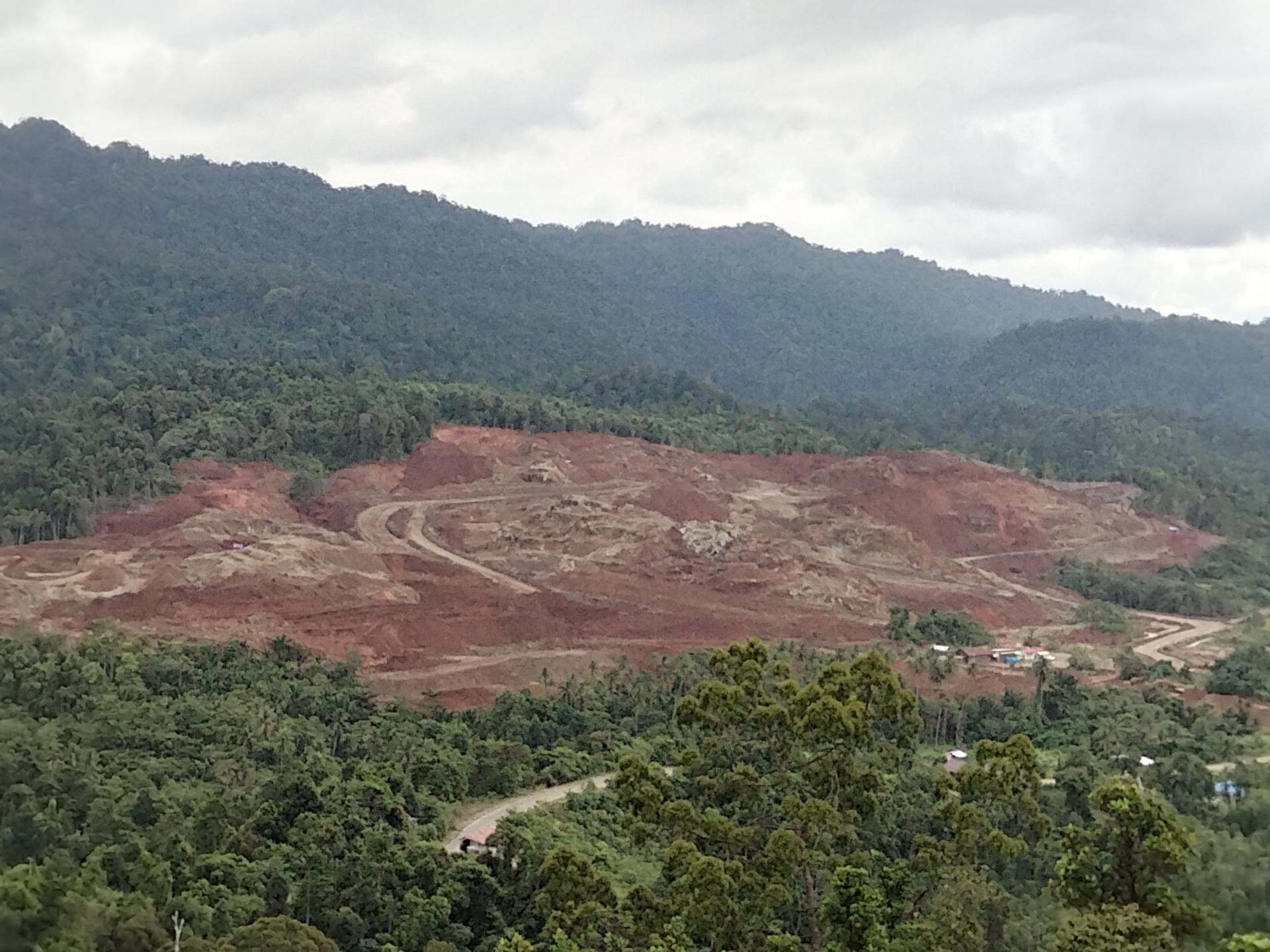
- 2022: Land clearing operations commence under PT First Pacific Mining (FPM), marking a turning point. Several community gardens are abruptly cleared, initiating widespread local concern over inadequate compensation rates and the absence of prior environmental impact assessments.
- Recent Years: Operations expand significantly with the entry of multiple domestic and foreign-linked mining firms, including PT Mining Abadi Indonesia (MAI), PT Zong Hai Rare Metal Mining Indonesia, PT Yong Hai, PT Indonesia Weda Bay Industrial Park (IWIP), and PT Weda Bay. Heavy machinery operates in close proximity to sensitive watersheds and sacred indigenous sites.
- Present Day: Rivers vital for daily consumption and ecotourism turn murky and polluted, particularly during heavy rainfall upstream. Local tourism collapses as visitors stop arriving, while community members face the irreversible loss of their agricultural heritage.
The Economic and Cultural Toll on Indigenous Communities
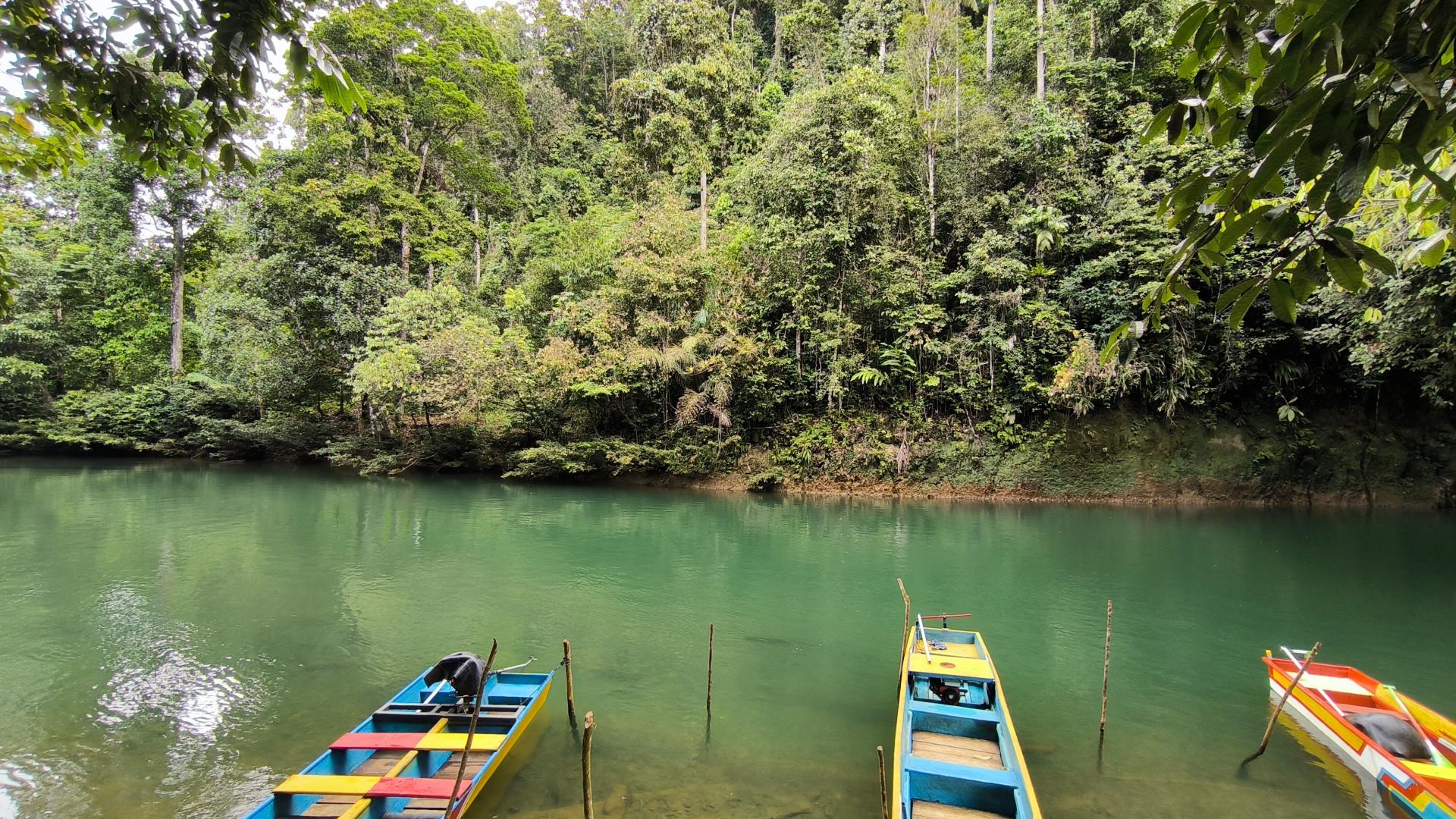
For the Sagea-Kiya indigenous population, the crisis extends far beyond environmental degradation; it strikes at the core of their social structure and ancestral dignity. Historically, the community maintained a symbiotic relationship with their environment. Women played a pivotal role in the local economy by managing tourism-related services around Bokimoruru Cave. They operated food stalls, sold traditional crafts, and welcomed travelers who navigated the Sageyen River via traditional motorized wooden boats known as ketinting.
Rubaya, an indigenous woman from Sagea-Kiya, emphasizes how swiftly the industrial influx dismantled this self-reliance. “The rivers where we wash and collect drinking water have become murky since these mining companies arrived. PT MAI’s activities around Lake Yonelo, which is close to our sacred ritual areas, have also created serious concerns,” she explains.
Rubaya notes that the economic fallout has disproportionately harmed women who relied on cave tourism. “We managed Bokimaruru Cave carefully while running our food stalls. But when the river becomes muddy, visitors stop coming. When rain falls upstream, the water quality changes immediately, and our income disappears.”
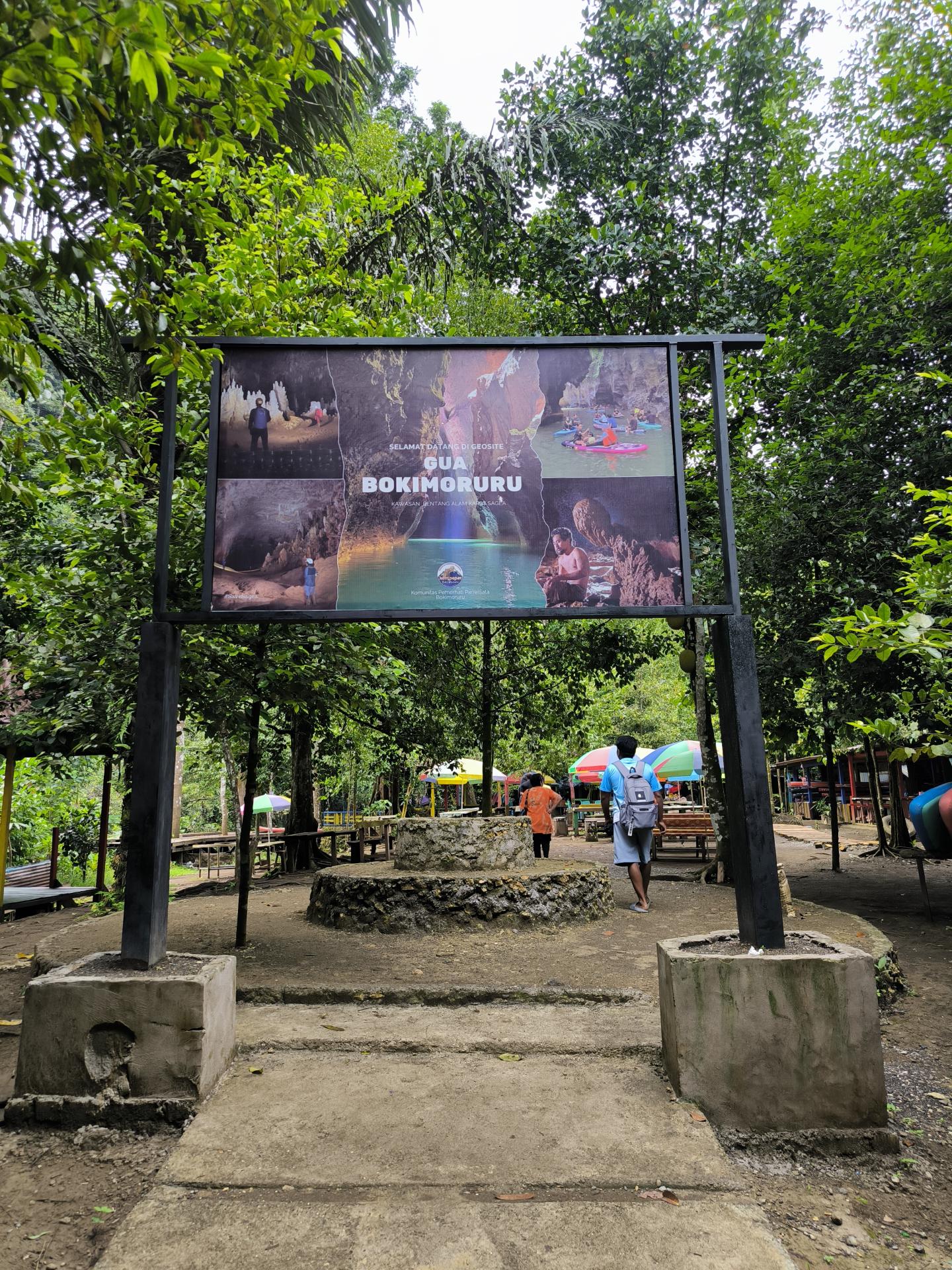
Compounding the economic distress is the deterioration of local infrastructure. Essential visitor access points, such as concrete stairways leading into the cave system, have fallen into disrepair. Community appeals to local government offices—including the regent’s office and the regional secretary—have thus far yielded unfulfilled promises of restoration, deepening local disillusionment with institutional oversight.
Land Acquisition Controversies and the Shift in Livelihoods
The systemic conversion of customary forests and agricultural lands into industrial concessions has fundamentally altered the region’s socio-economic fabric. Many former farmers and fishers have found themselves economically displaced, compelled to abandon their ancestral lands and seek low-wage employment within the very mining sector that disrupted their way of life.
Residents have raised profound concerns regarding the integrity of the land acquisition processes initiated in 2022. According to community accounts, land was acquired at rates significantly lower than locally agreed benchmarks. While community consensus established a valuation of IDR 50,000 per square meter, companies reportedly purchased land at fractions of that cost: approximately IDR 20,000 per square meter for flat land, IDR 15,000 for wetlands, and IDR 12,000 for mountainous terrain.
Furthermore, residents underscore that mandatory environmental impact assessments (known in Indonesia as Analisis Mengenai Dampak Lingkungan, or AMDAL) and transparent public consultations were largely bypassed. Rubaya points out, “Before acquiring land, an environmental impact assessment consultation should have taken place. Instead, it was ignored. The company also cleared land close to rivers, which creates a risk of pollution.”
Saoda, another local resident, reflects on the profound regret shared by many families who surrendered their productive plots. “Today, it is difficult to harvest anything from our gardens. No land is left because it belongs to companies. If we need food, we must buy it. We deeply regret giving up our gardens,” she states. She further highlights the generational repercussions: families who once envisioned higher education and diverse career paths for their children now watch helplessly as financial destitution and environmental collapse funnel the younger generation directly into industrial mining labor.
Analysis of Broader Implications and Policy Challenges
The plight of Bokimoruru Cave and the Sagea-Kiya community illustrates the complex policy dilemmas confronting modern Indonesia. As the global demand for clean energy minerals surges, resource-rich regions like Central Halmahera have become pivotal to national economic strategies. The Indonesian government has aggressively courted foreign investment to establish downstream nickel processing facilities, aiming to position the nation as a global hub for electric vehicle battery production.
However, this top-down development model frequently clashes with constitutional protections for indigenous rights, regional environmental sustainability, and decentralized governance frameworks. Observers and human rights advocates note that rapid industrialization often outpaces the enforcement of environmental regulations. When mining concessions overlap with karst hydrological systems—which are notoriously sensitive to disruption—the risks extend beyond localized pollution to permanent ecological collapse. Karst caves like Bokimoruru rely on delicate subterranean drainage networks; once silted or contaminated by industrial runoff, their unique geological formations and aquatic habitats are nearly impossible to restore.
Moreover, the socio-economic transition from traditional agriculture to industrial wage labor frequently fails to provide long-term security. As agricultural lands vanish, communities lose their food sovereignty, becoming entirely dependent on cash economies exposed to volatile market conditions. The failure of regional authorities to address community grievances regarding broken infrastructure promises and substandard land compensation further exposes governance gaps at the local level.
A Fight for Survival and Heritage
As nickel extraction continues its relentless expansion across Central Halmahera, the people of Sagea-Kiya remain steadfast in their resistance, calling for immediate, stringent environmental safeguards and the recognition of their customary territories. For them, Bokimoruru Cave is not merely a geological curiosity or a recreational site; it is a living archive of their ancestral heritage, bound to local folklore concerning the Tidore princess who vanished into its waters, and anchored by sacred landmarks like the Batu Sembayang prayer stone.
Without urgent regulatory intervention, rigorous environmental oversight, and genuine corporate accountability, communities fear that one of Indonesia’s most extraordinary natural and cultural treasures will be permanently erased. The ongoing struggle in Sagea serves as a critical litmus test for whether the global green energy transition can be achieved without sacrificing the ecological integrity and cultural survival of indigenous populations on the front lines of extraction.




