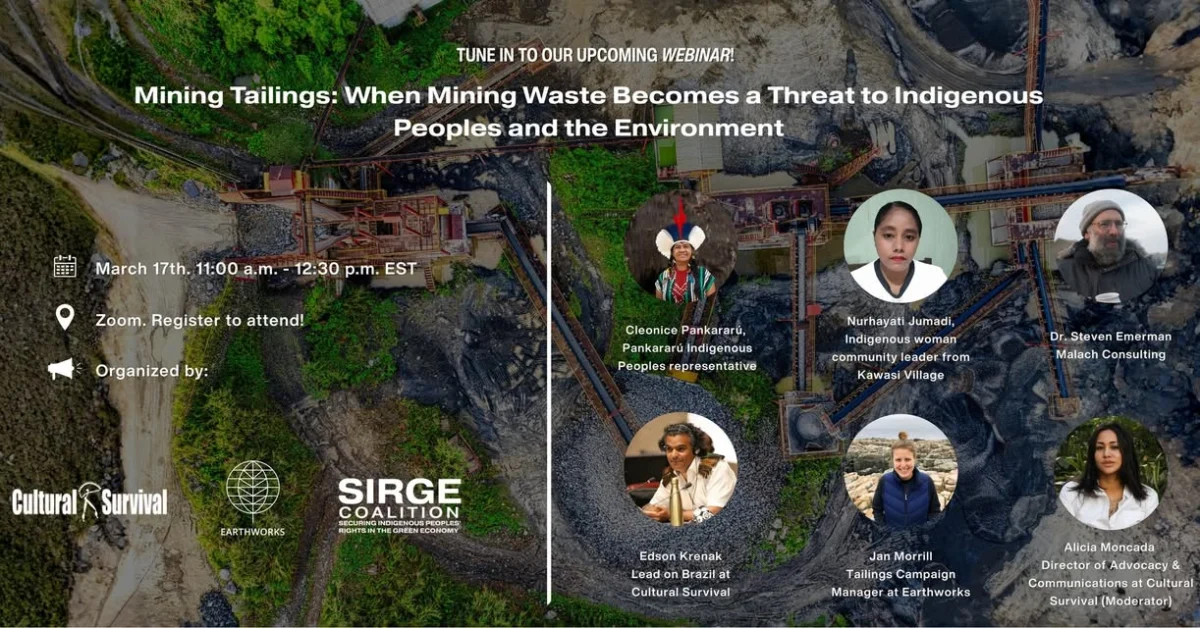
Cultural Survival has announced an upcoming webinar scheduled for March 17, 2026, at 3:38 PM Eastern Standard Time. The event, details of which were made available through a recent update on their platform, promises to delve into critical aspects of Indigenous Peoples’ rights and their ongoing pursuit of self-determination. While specific thematic details beyond this broad scope are yet to be fully elaborated, the organization’s long-standing mission and vision provide a clear indication of the webinar’s likely focus. Cultural Survival has been a steadfast advocate for Indigenous communities globally since its founding in 1972, dedicating its efforts to supporting their inherent rights, cultural preservation, and political resilience.
Background: The Enduring Struggle for Indigenous Rights
The announcement of this webinar arrives at a pivotal moment for Indigenous Peoples worldwide. Decades of advocacy have yielded incremental progress, yet significant challenges persist. Issues such as land rights, cultural appropriation, environmental degradation impacting traditional territories, and the right to self-governance remain at the forefront of Indigenous activism. The United Nations Declaration on the Rights of Indigenous Peoples (UNDRIP), adopted in 2007, marked a significant international acknowledgment of these rights. However, its implementation has been uneven across nations, with many Indigenous communities still fighting for the recognition and enforcement of their fundamental freedoms.
Cultural Survival’s work is rooted in the understanding that self-determination is not merely a political concept but is intrinsically linked to the survival and vibrancy of Indigenous cultures, languages, spiritual traditions, and the sustainable stewardship of their ancestral lands. The organization’s mission statement, "Cultural Survival advocates for Indigenous Peoples’ rights and supports Indigenous communities’ self-determination, cultures and political resilience, since 1972," underscores its commitment to empowering these communities to define their own futures. Their vision, "Cultural Survival envisions a future that respects and honors Indigenous Peoples’ inherent rights and dynamic cultures, deeply and richly interwoven in lands, languages, spiritual traditions, and artistic expression, rooted in self-determination and self-governance," paints a picture of a world where Indigenous Peoples thrive on their own terms.
Anticipated Themes and Expert Engagement
Given Cultural Survival’s established advocacy areas, the upcoming webinar is expected to address a range of interconnected topics. These could include:
- Land Rights and Environmental Justice: Many Indigenous communities face ongoing struggles to protect their ancestral lands from resource extraction, agricultural expansion, and development projects. The webinar may explore legal battles, community-led conservation efforts, and the disproportionate impact of climate change on Indigenous territories. Data from organizations like the UN Permanent Forum on Indigenous Issues consistently highlights that Indigenous territories, while covering a significant portion of the Earth’s landmass, are often hotspots for biodiversity and are critically threatened by unsustainable practices.
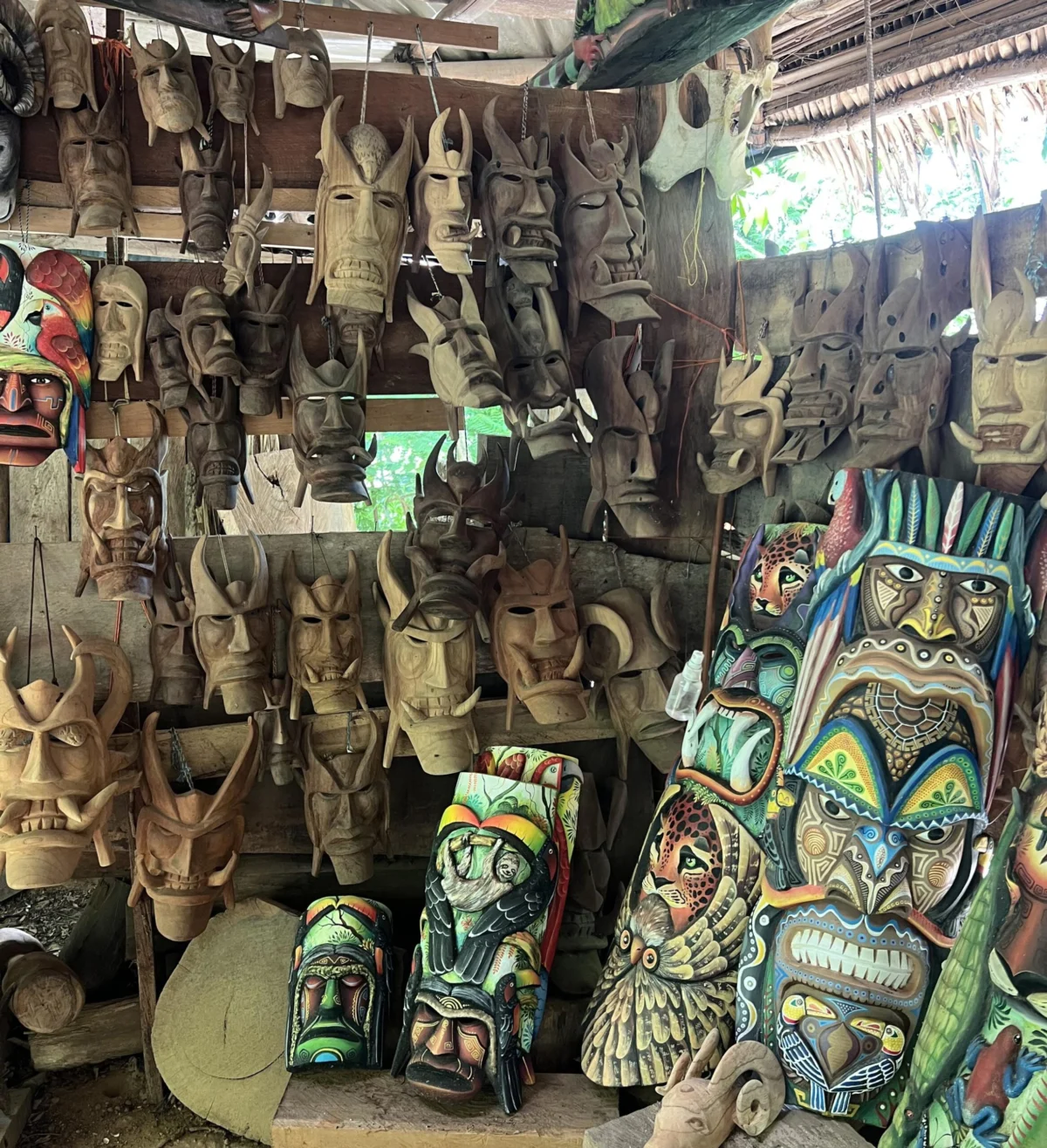
- Cultural Preservation and Revitalization: The erosion of Indigenous languages, traditions, and knowledge systems is a pressing concern. Sessions could focus on successful Indigenous-led initiatives for language immersion programs, the safeguarding of traditional ecological knowledge, and the role of arts and cultural expression in maintaining identity. UNESCO estimates that a significant percentage of the world’s languages are Indigenous, and many are critically endangered, underscoring the urgency of these preservation efforts.
- Self-Governance and Political Representation: The webinar is likely to discuss the complexities of Indigenous self-determination in practice, including challenges in achieving meaningful political representation, negotiating with national governments, and establishing robust governance structures that align with Indigenous traditions and values. Reports from organizations like the International Work Group for Indigenous Affairs (IWGIA) often detail the ongoing efforts of Indigenous peoples to assert their right to political participation and self-governance.
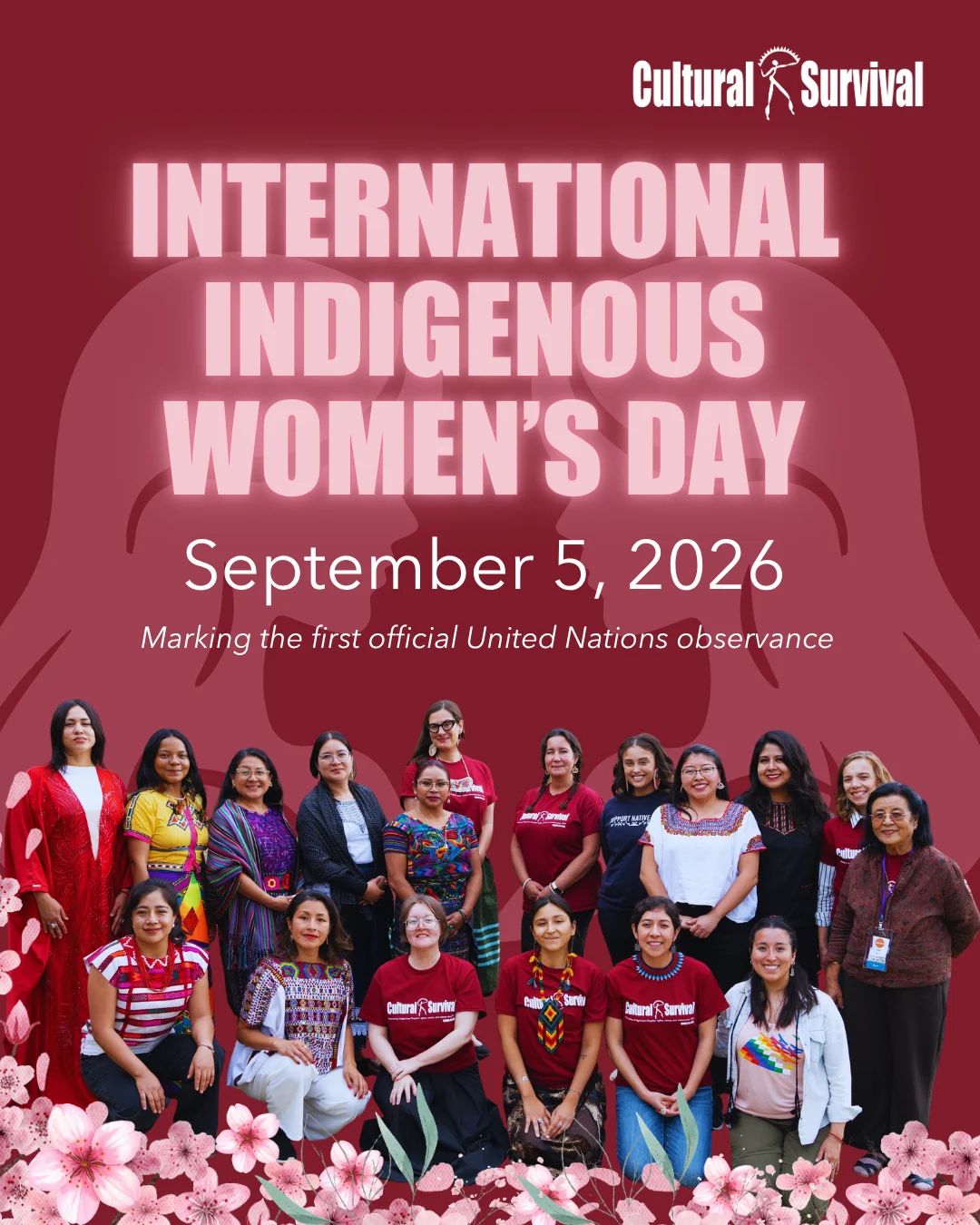
- Indigenous Women’s Leadership: Recognizing the vital role of women in Indigenous communities, the webinar may highlight the leadership and contributions of Indigenous women in advocating for rights, preserving culture, and driving sustainable development.
The precise lineup of speakers has not yet been announced, but given Cultural Survival’s extensive network, it is anticipated that the webinar will feature Indigenous leaders, activists, scholars, and legal experts who are at the forefront of these critical issues. Such engagement is crucial for fostering dialogue, sharing best practices, and strategizing for future action.

Chronology of Cultural Survival’s Advocacy
Cultural Survival’s involvement in advocating for Indigenous Peoples spans over five decades. Founded in 1972 by a group of anthropologists and Indigenous activists, the organization emerged from a growing awareness of the systemic injustices faced by Indigenous populations globally.
- 1970s: Early efforts focused on raising awareness about Indigenous rights and challenging assimilationist policies. The organization provided grants and logistical support for Indigenous-led initiatives.
- 1980s: Cultural Survival expanded its advocacy to include international forums, working to influence policy and secure legal protections for Indigenous Peoples. This period saw increased engagement with organizations like the United Nations.
- 1990s: The organization played a role in the development of international legal instruments, contributing to the drafting and eventual adoption of the UN Declaration on the Rights of Indigenous Peoples (UNDRIP).
- 2000s: With the adoption of UNDRIP in 2007, Cultural Survival intensified its efforts to promote its implementation and hold governments accountable. The organization continued to support Indigenous media and cultural projects.
- 2010s – Present: Cultural Survival has continued its multifaceted approach, focusing on grants, advocacy, media production, and educational programs. The organization remains a key player in supporting Indigenous movements for land rights, environmental justice, and cultural survival.
This webinar is a continuation of this long-standing commitment, leveraging contemporary communication tools to reach a wider audience and foster engagement on critical issues.
Supporting Data and Global Context
The need for continued dialogue and action on Indigenous rights is underscored by a wealth of data. Indigenous Peoples, despite making up approximately 6% of the global population, inhabit or manage 25% of the world’s land surface, which holds 80% of the planet’s biodiversity. Yet, they disproportionately experience poverty, discrimination, and lack of access to basic services. Reports from the World Bank and the UN have consistently shown higher rates of unemployment, lower educational attainment, and poorer health outcomes among Indigenous populations in many regions.
Furthermore, Indigenous territories are often on the front lines of environmental crises. Deforestation, mining, and industrial agriculture pose significant threats to their lands and livelihoods. The webinar’s focus on self-determination is therefore directly linked to environmental sustainability and the protection of global ecosystems. Indigenous knowledge systems, honed over millennia, offer invaluable insights into sustainable resource management, making their empowerment crucial for addressing the climate crisis.
Implications and Future Outlook
The upcoming Cultural Survival webinar is more than just an informational session; it is an opportunity to amplify Indigenous voices and foster greater understanding and solidarity. By bringing together diverse perspectives and providing a platform for critical discussion, such events can:
- Inform the Public: Educate a broader audience about the complexities of Indigenous rights and the challenges faced by these communities.
- Mobilize Support: Inspire action and encourage individuals and organizations to support Indigenous-led initiatives.
- Facilitate Networking: Connect Indigenous leaders, activists, and allies, fostering collaboration and strengthening movements.
- Influence Policy: Contribute to ongoing discussions about policy reforms and legal frameworks that uphold Indigenous rights.
The sustained advocacy of organizations like Cultural Survival, coupled with the resilience and determination of Indigenous Peoples themselves, offers hope for a future where self-determination is a lived reality, and where diverse cultures and traditions are respected and celebrated. The commitment to supporting Indigenous Peoples’ self-determination, cultures, and political resilience, as embodied in Cultural Survival’s mission and vision, remains a critical endeavor in the pursuit of global justice and equity. The organization’s invitation to "Stay Informed" through their sign-up portal suggests a desire to build a sustained community of support and engagement, indicating that this webinar is likely one of many initiatives aimed at advancing the rights and well-being of Indigenous Peoples worldwide.