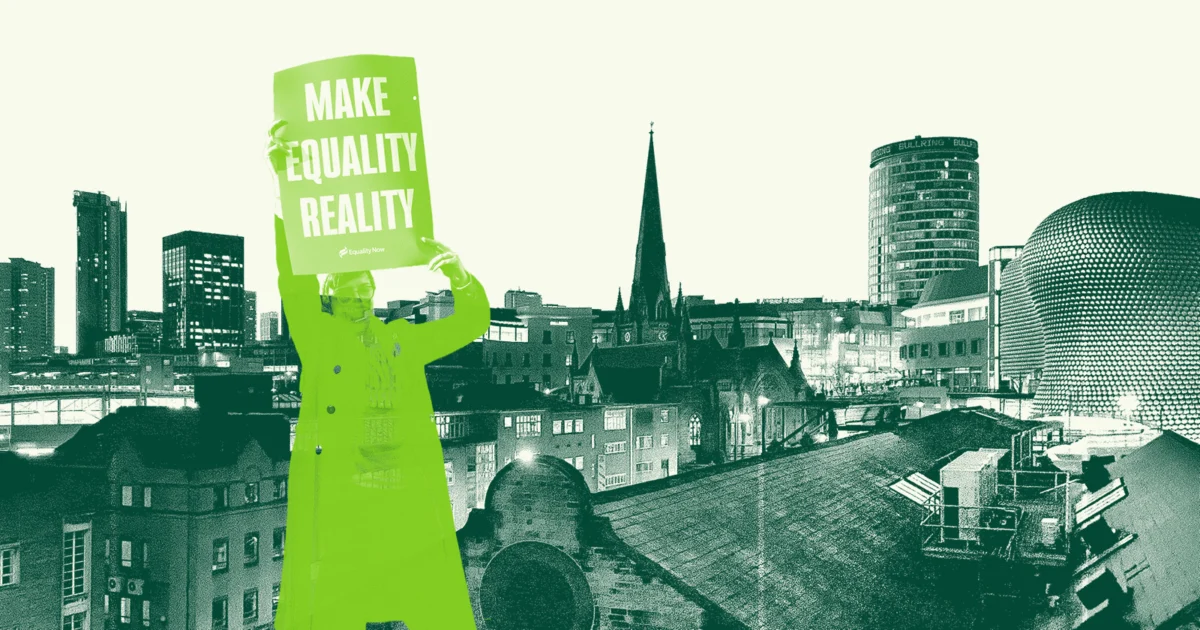
On January 29, 2026, the Midlands Arts Centre (MAC) in Birmingham served as the venue for a pivotal gathering aimed at addressing the widening gap in cultural accessibility within the United Kingdom’s second city. Organized by the Equality Trust and led by Charlie McNeill, the Senior Project Officer for Socio-Economic Duty (SED), the event combined a workshop with the premiere of a documentary film created by local Community Reporters. The initiative, titled Re-imagine a Better Brum, brought together academics, activists, and residents to confront a pressing reality: for many in Birmingham, the city’s rich tapestry of arts, culture, and recreation has become increasingly inaccessible due to systemic economic pressures and historic funding reductions.
The event featured a diverse panel of contributors, including Kathy Hopkin of Save Birmingham, an organization dedicated to protecting community assets; Dr. Pat Rozbicka, an Associate Professor at Aston University specializing in the music industry and cultural policy; and Ian Francis of the Flatpack Festival, a staple of the city’s cinematic landscape. These voices joined Community Reporters Alev, Arash, and Jennifer to present a comprehensive look at how socio-economic inequality manifests in the daily lives of Brummies, particularly regarding their ability to participate in the city’s social and creative life.

The Socio-Economic Landscape of Birmingham (2022–2026)
To understand the urgency of the workshop, one must look at the fiscal environment that has shaped Birmingham over the last several years. The city has faced a dual crisis: the broader national cost-of-living squeeze and a localized financial emergency. Following the issuance of a Section 114 notice by Birmingham City Council in late 2023, the city entered a period of unprecedented austerity. This led to significant cuts in discretionary spending, which disproportionately affected the "soft" infrastructure of the city—arts venues, youth centers, and community hubs.
Data from the Office for National Statistics (ONS) and various cultural advocacy groups indicates that household spending on leisure and culture in the West Midlands saw a sharp decline between 2023 and 2025. As inflation drove up the cost of essentials like food and energy, discretionary income evaporated for the bottom 40% of earners. Simultaneously, the cost of participation in the arts—ranging from theater tickets to music lessons—rose by an average of 15% due to increased operational costs for venues. The result is a cultural "gray zone," where facilities exist but are financially out of reach for a significant portion of the population.
The Community Reporters Project: Methodology and Purpose
The core of the January 29 event was the presentation of work by the Equality Trust’s Community Reporters. This program, funded by the Barrow Cadbury Trust as part of its Economic Justice place-based program, empowers local citizens to act as journalists and documentarians within their own neighborhoods. Alev, Arash, and Jennifer spent months conducting interviews and gathering testimonies from across Birmingham’s 69 wards.
The methodology focused on "storytelling as data." While quantitative metrics show a decline in attendance, the qualitative stories captured by the reporters illustrate the human cost. The reporters explored how the closure of a local library or the loss of a subsidized after-school music program does more than just remove a service; it erodes community cohesion and individual well-being. The film, edited by Keiran Fuller, serves as a visual and oral history of these challenges, documenting the lived experience of inequality in real-time.
Chronology of the Initiative
The journey to the Midlands Arts Centre event followed a structured timeline of community engagement and research:
- Phase One (Spring 2025): Recruitment and Training. The Equality Trust recruited residents from diverse backgrounds to serve as Community Reporters, providing them with training in interviewing, ethical reporting, and narrative structure.
- Phase Two (Summer-Autumn 2025): Fieldwork. Reporters fanned out across the city, focusing on areas with high deprivation indices. They spoke with artists who could no longer afford studio space, parents who had to cut extracurricular activities for their children, and elderly residents who felt increasingly isolated as community centers shuttered.
- Phase Three (Winter 2025): Post-Production. Working with film editor Keiran Fuller, the raw footage was synthesized into the documentary "Conversations of Change: Access to Arts, Culture, Entertainment, and Recreation in Birmingham."
- Phase Four (January 29, 2026): The Screening and Workshop. The public launch at the MAC, designed to move from identifying problems to brainstorming solutions.
Expert Analysis: The Decline of the "Third Space"
During the workshop, the speakers provided a theoretical and practical framework for the reporters’ findings. Dr. Pat Rozbicka of Aston University highlighted the importance of the "cultural ecosystem." Her research suggests that when small-scale grassroots venues close, it doesn’t just affect local bands; it breaks the pipeline for the entire industry. Furthermore, she noted that the loss of these spaces removes "third spaces"—environments outside of home and work where social barriers are lowered and community bonds are formed.
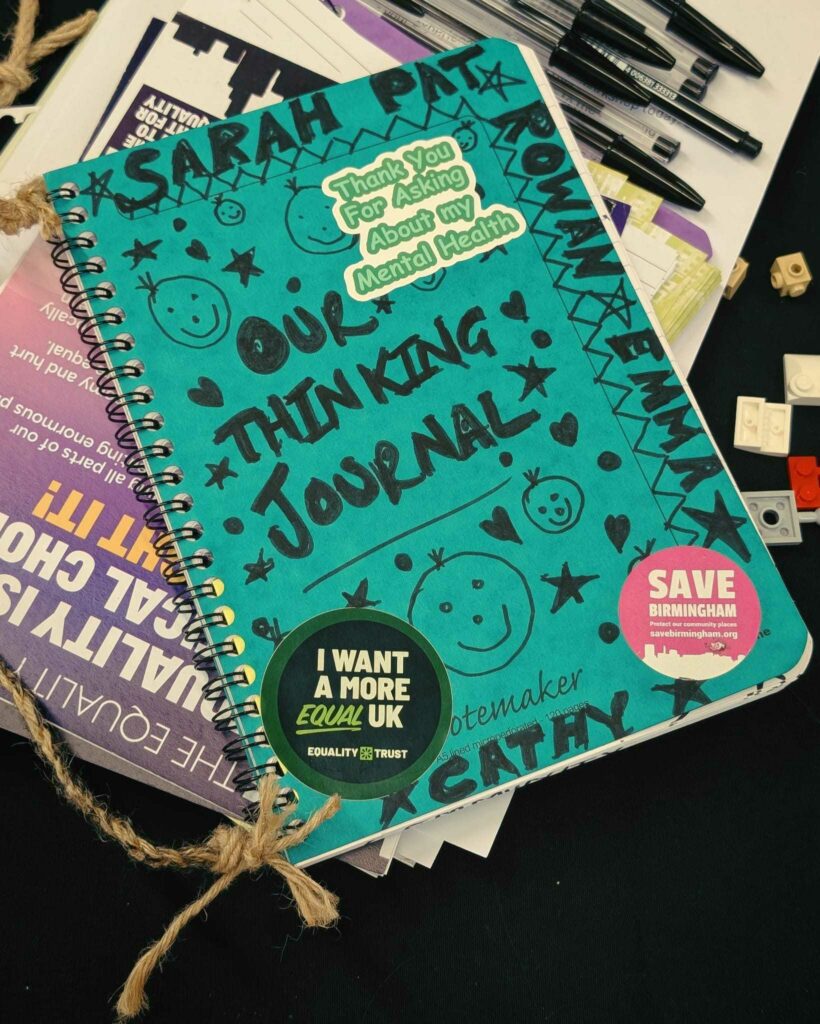
Kathy Hopkin from Save Birmingham addressed the physical loss of these spaces. She pointed out that once a community asset, such as a historic pub or a neighborhood hall, is sold off to private developers to plug budget holes, it is almost never recovered for public use. The "Save Birmingham" campaign argues for a more imaginative approach to asset management, where communities are given the first right of refusal to manage local spaces.
Ian Francis of Flatpack Festival contributed a perspective on the "leisure barrier." He discussed how even free events often have hidden costs, such as transportation in a city where public transit can be unreliable or expensive after hours. This "logistical inequality" means that even when culture is "free," it is not necessarily "accessible."
The Workshop: Re-imagining a Barrier-Free Birmingham
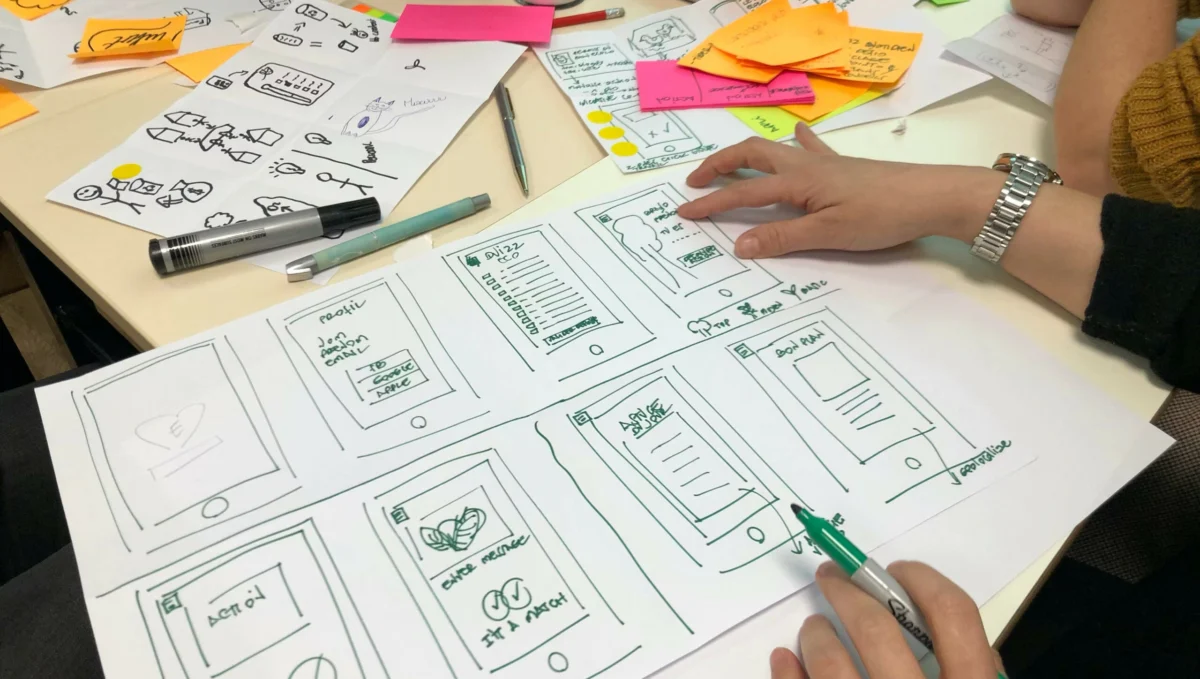
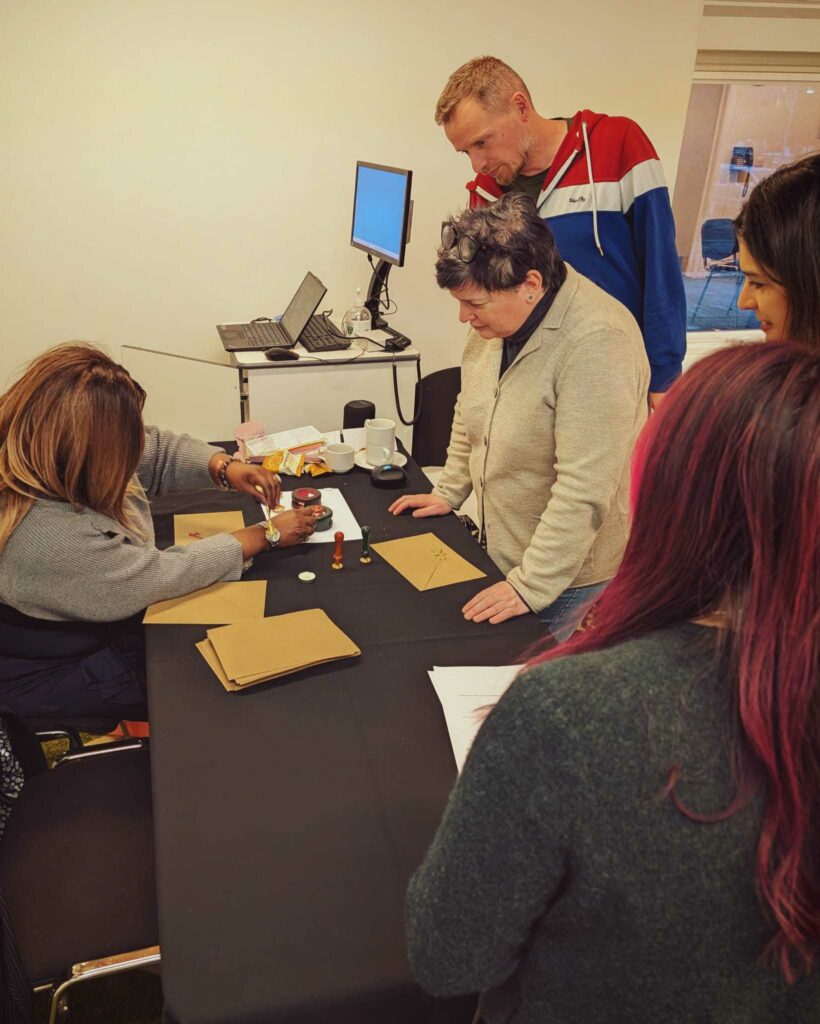
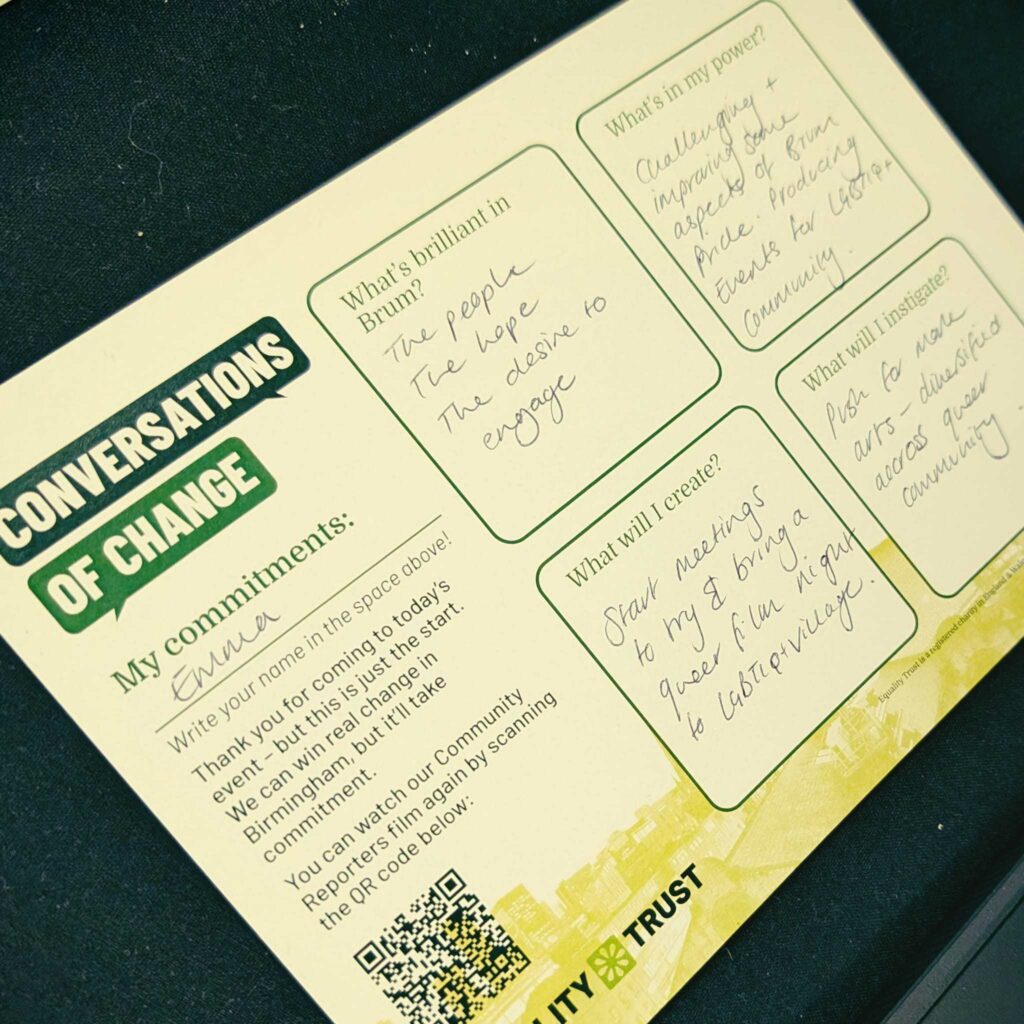
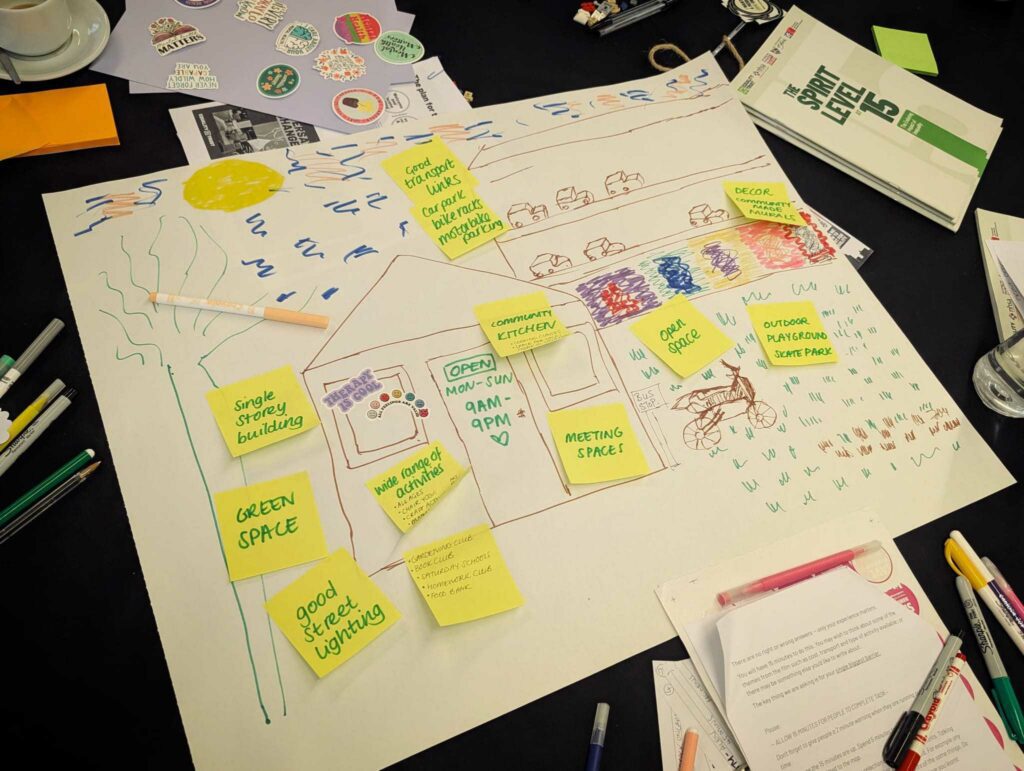
Following the film screening, attendees participated in a facilitated workshop aimed at "re-imagining" the city. The discussions were categorized into three primary themes: identifying barriers, envisioning an equal Birmingham, and creating actionable plans for change.
Barriers Identified:
- Financial Gatekeeping: The high cost of entry for major cultural institutions.
- Geographic Centralization: The concentration of arts funding and venues in the city center, leaving the outer suburbs as "cultural deserts."
- Digital Poverty: The increasing reliance on digital ticketing and promotion, which excludes those without reliable internet access or tech literacy.
- Safety and Infrastructure: Poor lighting and reduced bus services making it difficult for residents to attend evening events.
Visions for an Equal Birmingham:
Participants envisioned a city where "Social Value" is prioritized over "Market Value." Proposals included the implementation of a "Cultural Pass" for low-income families, modeled after similar successful programs in European cities, and the mandatory inclusion of community space in all new large-scale residential developments.
Official Responses and Broader Implications
The Equality Trust has indicated that the findings from the "Re-imagine a Better Brum" project will be compiled into a report to be presented to the Birmingham City Council and the West Midlands Combined Authority. The goal is to advocate for the full implementation of the Socio-Economic Duty (Section 1 of the Equality Act 2010), which requires public authorities to adopt a systematic approach to reducing the inequalities that result from socio-economic disadvantage.
While the city council remains under strict financial oversight, advocates argue that investing in culture is not a luxury but a necessity for economic recovery. A vibrant cultural sector attracts investment, supports mental health, and reduces the long-term costs associated with social isolation and crime.
The Barrow Cadbury Trust’s support of this project reflects a growing trend in philanthropy toward "place-based" funding, where resources are directed toward specific geographic areas to address the unique intersection of economic and social challenges present there. By focusing on Birmingham, the Trust acknowledges the city’s role as a bellwether for the rest of the UK; if Birmingham can find a way to maintain its cultural soul amidst a fiscal crisis, it could provide a roadmap for other struggling municipalities.
Conclusion: A Call to Action
The event at the Midlands Arts Centre was more than a retrospective of a project; it was a call to action for the citizens of Birmingham. As the city navigates its path through the mid-2020s, the "Re-imagine a Better Brum" initiative serves as a reminder that the value of a city is measured not just by its balance sheets, but by the ability of its people to participate in the shared life of the community.
The stories captured by Alev, Arash, and Jennifer provide a stark reminder of what is at stake. As the film concludes, the message is clear: inequality is not an inevitable byproduct of urban life, but a result of policy choices. By re-imagining these choices, Birmingham has the potential to transform from a city of barriers to a city of opportunity. The Equality Trust and its partners continue to invite residents to join this conversation, ensuring that the "Better Brum" of the future is one where equality is not just an ideal, but a reality for every resident.