March 21st marks the annual observance of the International Day of Forests, a global moment dedicated to recognizing and celebrating the indispensable role forests play in sustaining life on Earth. This year, the focus sharpens on the profound connection between indigenous communities and their forest homes, highlighting a symbiotic relationship that has endured for millennia. In the southwestern dry forests of Madagascar, the Mikea people embody this intricate bond, demonstrating a way of life deeply intertwined with the natural world, a wisdom increasingly vital in an era of environmental crisis.
The Intrinsic Value of Forests: A Global Perspective
Forests are often lauded for their tangible benefits: they act as the planet’s lungs, absorbing carbon dioxide and releasing oxygen; they regulate climate patterns, influencing rainfall and temperature; they provide essential habitats for a vast array of biodiversity; and they offer crucial resources and livelihoods for millions, particularly for indigenous populations whose cultural and economic survival is inextricably linked to the land. The United Nations Food and Agriculture Organization (FAO) estimates that forests cover approximately 31% of the Earth’s land area, providing ecosystems services valued in the trillions of dollars annually. This International Day of Forests serves as a crucial reminder of these ecological services and the cultural significance of these vital ecosystems.
Madagascar’s Forest Dwellers: The Mikea Way of Life
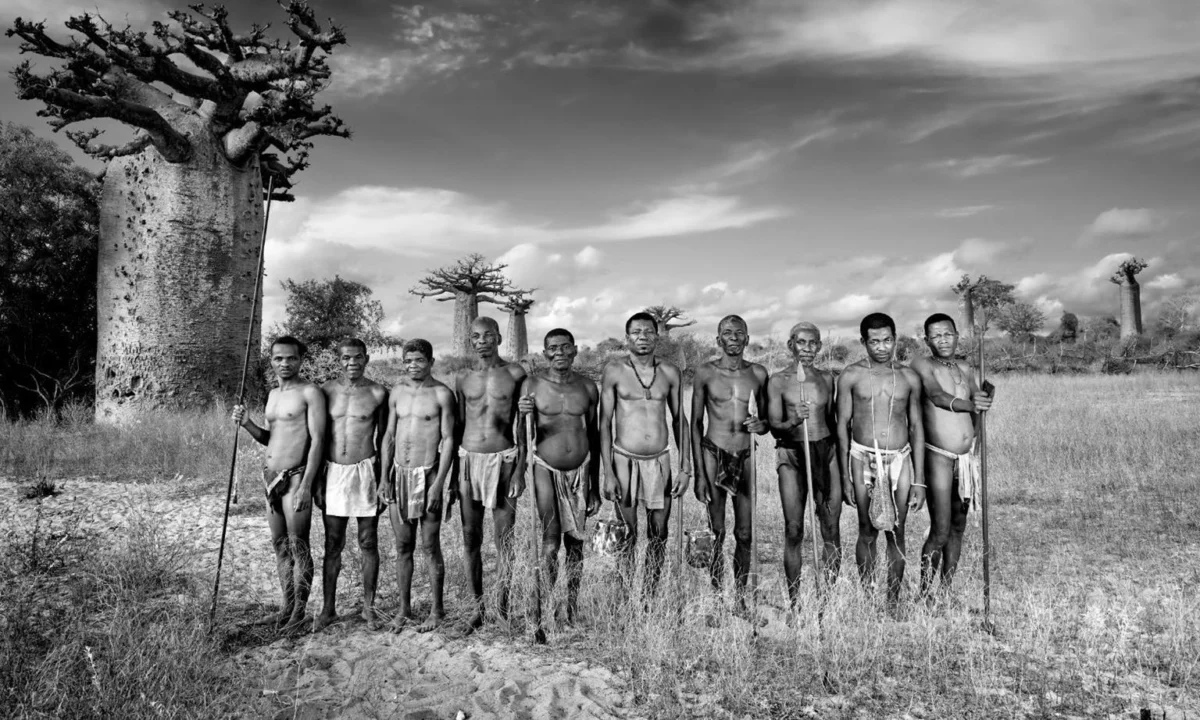
Madagascar, an island nation renowned for its unique biodiversity, is home to numerous ethnic groups, each with a distinct relationship to their environment. Among them, the Mikea people, inhabiting the arid forests between Morombe and Toliara, represent a profound example of human adaptation and reverence for nature. Their traditional territory encompasses a diverse landscape, ranging from open savannas with sparse vegetation to denser, more humid forest patches. This environment, though appearing challenging to outsiders, is the very foundation of their existence, a source of sustenance, knowledge, and cultural identity.
The Mikea’s lifestyle is dictated by the rhythms of the forest. For generations, their daily routines have been harmonized with the cycles of plant growth, animal migration, and water availability. This intimate understanding allows them to thrive in an ecosystem that demands profound ecological knowledge.
A Life Rooted in the Forest: Sustenance and Survival
The Mikea’s subsistence is a testament to their deep ecological understanding. They are skilled foragers and hunters, adept at identifying edible roots and tubers, locating sources of wild honey, and tracking small game. Their knowledge extends to the medicinal properties of various plants, the precise locations of hidden water sources, and the art of moving through the forest with minimal disturbance. This knowledge is not static; it is a living tradition passed down through observation, practice, and experiential learning.
Tsivahora, a respected member of the Mikea community and a rising local leader, serves as a vital conduit for this ancestral wisdom. Through his engagement, he emphasizes the profound interconnectedness of his people with their environment. "Being Mikea is not just about belonging to a group," Tsivahora explains, as conveyed through Mrs. Manou Emmanuelle, who facilitates communication. "It is about our connection with the forest. We live with it, through it, and for it." This statement encapsulates the Mikea worldview, where the forest is not merely a backdrop but an active participant in their lives. It functions as their market, providing sustenance; their pharmacy, offering remedies; and their school, imparting invaluable lessons for survival and well-being. Every rustle of leaves, every animal track, every ancient tree holds a story and a lesson for the initiated.
The intergenerational transfer of knowledge is a cornerstone of Mikea culture. Children learn by shadowing their elders, meticulously observing their techniques, attempting the skills themselves, and learning from inevitable mistakes. This hands-on approach fosters a deep respect for the forest and an intuitive understanding of its delicate balance.
Preserving Tradition: Roles, Responsibilities, and Sustainable Practices
Within the Mikea community, a clear division of roles and responsibilities ensures the smooth functioning of their society and the preservation of their traditions. Tsivahora embodies this multi-faceted role, identifying himself as a husband, a father, a guide, and, crucially, a guardian of knowledge. "I teach children the knowledge of our ancestors: how to find water, recognize plants, and hunt without destroying nature," he states. This commitment to education extends beyond mere survival skills; it encompasses the ethical principles that underpin their relationship with the environment.
Tsivahora also plays a significant role in community decision-making, collaborating with elders to safeguard their ancestral lands. This collaborative approach underscores the importance of collective action in environmental stewardship. The Mikea have long adhered to a set of unwritten rules that have ensured the long-term health of their forest home. These principles include:
- Conservation of Resources: Taking only what is needed, avoiding over-exploitation of any single resource.
- Respect for Plant Life: Protecting the roots of plants to ensure their regeneration and continued growth.
- Allowing for Regeneration: Giving the forest ample time to recover after harvesting or hunting.
- Veneration of Sacred Sites: Recognizing and respecting areas of spiritual significance within the forest.
These practices are not modern conservation initiatives but are deeply ingrained in their cultural fabric, representing a holistic approach to living in harmony with nature.
The Forest as Identity: A Deeper Connection
For the Mikea, the forest transcends its physical boundaries; it is inextricably linked to their very identity. The term "Mikea" itself refers not only to the people but also to the forest they inhabit, symbolizing a profound unity. This linguistic connection underscores a worldview where human existence is not separate from, but rather an intrinsic part of, the forest ecosystem. Their history, their narratives, and their aspirations are all woven into the fabric of the forest. Families are born, grow, learn, and pass on their legacy within its embrace. The forest provides not only the necessities of life – food, medicine, shelter – but also a deep sense of purpose and belonging.
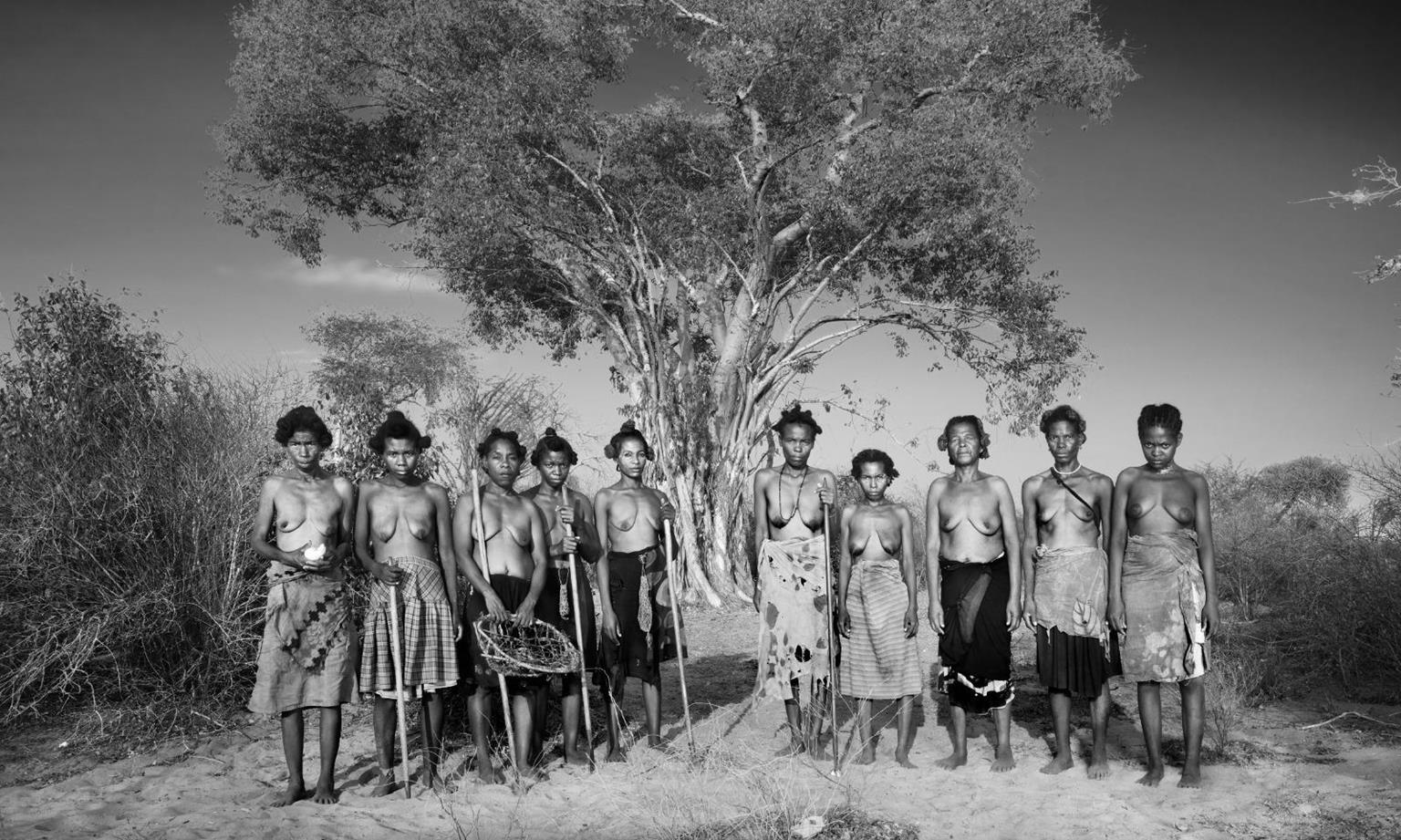
Tsivahora’s poignant observation, "We do not live next to the forest. We live with it," encapsulates this profound symbiosis. This relationship represents an alternative paradigm to the Western model of dominating and controlling nature, advocating instead for respect, interdependence, and mutual care.
Contemporary Challenges: Threats to a Sacred Ecosystem
Despite their deep-rooted traditions and sustainable practices, the Mikea forest faces unprecedented threats. Deforestation, driven by agricultural expansion, logging, and charcoal production, is rapidly diminishing the forest cover. Bushfires, often exacerbated by climate change and human activities, further damage the ecosystem. Illegal exploitation of forest resources and external pressures from development projects pose significant challenges to the Mikea’s traditional way of life.
For the Mikea, these environmental pressures are not merely ecological concerns; they represent an existential threat to their cultural heritage and identity. "Losing the forest means losing our identity," Tsivahora states with palpable concern. This sentiment highlights the deep cultural and spiritual connection that indigenous communities have with their ancestral lands, a connection that is often overlooked in conventional conservation efforts.
The implications of this deforestation are far-reaching. Beyond the loss of biodiversity and ecological services, it risks the erosion of invaluable indigenous knowledge systems, which have proven effective in maintaining ecosystem health for centuries. The displacement of communities and the disruption of traditional livelihoods can lead to increased poverty and social instability.
Resilience and Adaptation: Protecting Forests and Culture
In the face of these formidable challenges, the Mikea are demonstrating remarkable resilience and a commitment to protecting their ancestral forest. They continue to uphold their traditional practices, guided by fady (sacred rules) and their oral traditions. Their collective vigilance and stewardship of their territory remain a vital defense mechanism.
Recognizing the evolving landscape, the Mikea are also embracing innovative approaches to conservation and sustainable development. They are exploring opportunities for community-based and culturally sensitive tourism, which can provide economic benefits while raising awareness about their unique culture and the importance of forest conservation. Simultaneously, they are actively engaging with governmental authorities and conservation organizations to advocate for their rights and ensure their voices are heard in decision-making processes. This dual approach, blending traditional wisdom with modern engagement, underscores their determination to secure a future for both their culture and their environment.
Their efforts highlight that effective forest protection is not solely about implementing modern scientific solutions but also about recognizing and integrating the profound knowledge and practices of indigenous communities.
A Global Message from the Forest’s Edge
As the International Day of Forests concludes, Tsivahora’s message resonates with urgency and profound insight. "The forest is not empty. It is alive. It has memory and a soul," he declares, urging the world to see forests not as inert resources but as living, breathing entities with intrinsic value. He challenges the notion that indigenous ways of life are relics of the past, asserting, "We are not behind. We have chosen another way of living, in balance with nature." This assertion is a powerful refutation of developmental paradigms that often marginalize indigenous perspectives.
His concluding proverb, "Tsy velo ny Mikea raha tsy misy ala, tsy velo ny ala raha tsy misy Mikea" (If the forest disappears, the Mikea people disappear. And without the Mikea, the forest also disappears), encapsulates the profound interdependence between his people and their forest home. This mutual existence underscores a powerful truth: the health of the forest and the survival of the Mikea are inextricably linked.
The Enduring Significance of Forests Today
The story of the Mikea people, shared on this International Day of Forests, serves as a powerful testament to why forests matter today more than ever. They are not merely reservoirs of timber or carbon sinks; they are vibrant ecosystems intertwined with human cultures, identities, and spiritual well-being. Forests sustain not only the planet’s biodiversity but also indigenous communities like the Mikea, whose traditional knowledge and practices are indispensable for their long-term preservation.
The urgent need to listen to and empower Indigenous communities cannot be overstated. Far from being obstacles to progress, they are often the most effective stewards of the environment, possessing millennia of experience in sustainable living. Their ways of life offer invaluable lessons on how to foster a harmonious relationship with nature, demonstrating that a path of balance and respect is not only possible but essential for the future of our planet. Protecting forests today is, therefore, a multifaceted endeavor that involves safeguarding cultures, preserving invaluable knowledge, and ensuring a sustainable future for generations to come.
All accompanying images are credited to Thierry Cron and were provided by Mrs. Manou Emmanuelle.