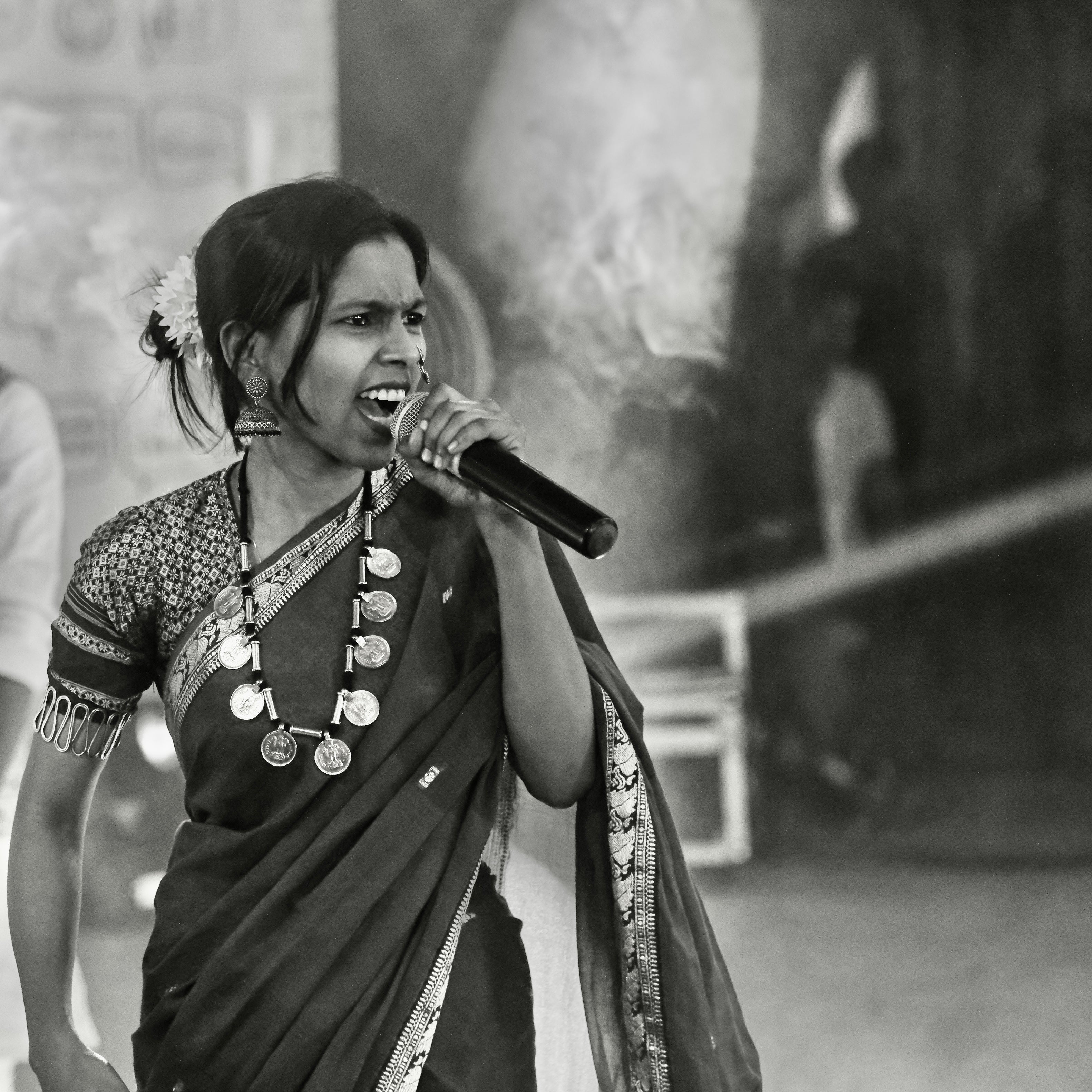
From the verdant embrace of the forest village of Waranghushi to the vibrant, pulsating arteries of Mumbai, a young MC named Mahi G, born Mahadev Koli, has carved a formidable niche as one of India’s most resonant voices in the hip-hop landscape. Her journey, one that seamlessly melds ancestral roots with urban dynamism, sees her transforming politically charged poetry into potent rap narratives. These are delivered with an audacious, signature cadence, designed to amplify urgent social and environmental themes: the perennial struggles of rural farmers, the critical imperative of safeguarding ancestral mountains, a heartfelt homage to India’s transgender hijra community, and a profound tribute to the anti-caste visionary Dr. B.R. Ambedkar. Mahi G consciously eschews the mainstream pull of pop-rap, charting her own course as a "conscious" rapper, a practitioner of creative resistance. Her collaborations are with artists who mirror her commitment to fostering social change, deeply steeped in a reverence for their cultures and communities. In a recent conversation with Cristina Verán in Mumbai, Mahi G elaborated on her hip-hop awakenings, the myriad influences shaping her music, and the unwavering hope she extends to Tribal peoples across India.
The Genesis of a Conscious Rapper
Mahi G’s transition from poet to rapper was a deliberate evolution, driven by a desire for her message to reach a wider audience, particularly the youth. "While I was studying at university," she explained, revealing her background as an engineer, "I began contemplating and composing poems about global issues. I wanted to address contemporary challenges in India, such as the Kisan farmer protests, but I felt my poetry lacked the assertive voice required for such a critical response." The realization that poems, however profound, often remained confined to literary circles, while rap resonated more powerfully with her peers, was a pivotal moment. The immense popularity of films like "Gully Boy," which spotlighted Indian rappers, and reality shows like "Hustle," further solidified her conviction. "I understood that rap could serve as the poetic medium through which I could authentically express my feelings with the requisite intensity about these issues, in a way that would not only capture the interest of young people but perhaps even inspire them to contemplate solutions."
Crafting an Identity in the Hip-Hop Scene
The hip-hop community, by its very nature, often fosters artists through collective engagement and shared experiences. Mahi G’s entry into this sphere was more introspective, beginning as a poet experimenting with rhyme. "I started as this poet who just liked to experiment with how to write rhymes—not a rapper who goes out to the cyphers (circles where hip-hoppers gather to perform), interacting with the hip hop community," she shared. It was a gradual process of building confidence, leading her to embrace rapping and adopt the moniker Mahi G, a nod to her birth name, Madhura Ghane. Her initial engagement with rap music was limited, with a stronger inclination towards rural poetry. However, recent influences have broadened her musical palate, with artists like Kendrick Lamar and Doechii being recommended by friends.
The Kisan Protests: A Catalyst for Musical Expression
Mahi G’s inaugural foray into writing rap lyrics was directly inspired by the widespread Kisan farmer protests that were then gripping Delhi. The Indian government’s introduction of new agricultural bills, met with staunch opposition from farmers who mobilized in large numbers, protesting outside Parliament, became the subject of her first significant rap composition. "The Indian government had tried to push this new bill on farmers, but the farmers themselves were against it," she recounted. "They came out to protest with their tractors in front of the Parliament, shouting, ‘We don’t want this, please take it back!’ In response, the government chose to attack them with tear gas and water cannons, constructing barriers, those kinds of things." This stark reality fueled her determination to find other rappers who shared her conviction for addressing pressing social and political matters.
Mumbai’s Underground: A Hub for Conscious Hip-Hop
Mumbai, a city synonymous with the vibrant pulse of India’s entertainment industry, also harbors a thriving underground hip-hop scene. It was here that Mahi G found fertile ground for her artistic aspirations. "In this city, you’ll find what we’d call the more underground, proper street rappers," she observed. Her discovery of the conscious hip-hop group Swadesi and their impactful track "Warli Revolt" was a significant moment. This song, which addressed issues faced by Tribal communities and ingeniously fused rap with folk music from the Warli tribe, resonated deeply with her. Swadesi’s approach, blending social commentary with messages of hope and direct collaboration with indigenous artists, served as a powerful inspiration and a blueprint for her own artistic direction.
The Mentorship of Rapboss
A pivotal figure in Mahi G’s musical journey has been the renowned rap artist and producer, Rapboss. Their collaboration began when Mahi G actively sought a producer who shared her thematic concerns and artistic vision. "I was looking for a producer who could help me to make my own music, someone with the same kind of ideas," she explained. Rapboss, who hails from a farming family and possesses a deep understanding of agricultural issues, immediately connected with her message. His own song, "Sanga Sheti Karu Kashi," which bravely addressed the devastating farmer suicides in Maharashtra due to issues like severe droughts, struck a chord with Mahi G. She reached out to him, sharing her own rap compositions on similar themes and expressing her desire to record them. This led to an invitation to Pune, where Rapboss has his own studio, and their collaborative partnership commenced. Rapboss became her mentor, launching her debut song under his production company, RFM Studios (Rapboss Film and Music Studios). Their friendship and artistic synergy continue to flourish.
Language and Identity: The Mahadev Koli Dialect
The richness of Mahi G’s lyrical expression is deeply intertwined with her linguistic heritage. While Marathi is the dominant regional language of Maharashtra, spoken by both Tribal and non-Tribal populations, Mahi G chooses to rap primarily in her own Mahadev Koli tribal dialect of Marathi. She occasionally incorporates Hindi and English phrases, creating a unique linguistic tapestry that reflects her multifaceted identity. This commitment to her tribal dialect is a conscious act of cultural preservation and assertion within her artistic practice.
Connecting with Tribal Artists and Communities
Mahi G’s engagement with the broader hip-hop community, particularly with other Tribal artists, is an ongoing endeavor. While she has performed at events organized by Foundations and NGOs supporting Tribal peoples and at local gatherings, her aspiration is to share her music on larger stages and collaborate on recordings with Adivasi rappers from across India. She is particularly keen to connect with artists at festivals held in the northeastern regions of India. Closer to home, in Maharashtra, she has learned about a community of rappers in the Aarey Forest, a biodiverse area on the outskirts of Mumbai, and is actively seeking introductions to them.
"Jungle Cha Raja": A Landmark Debut
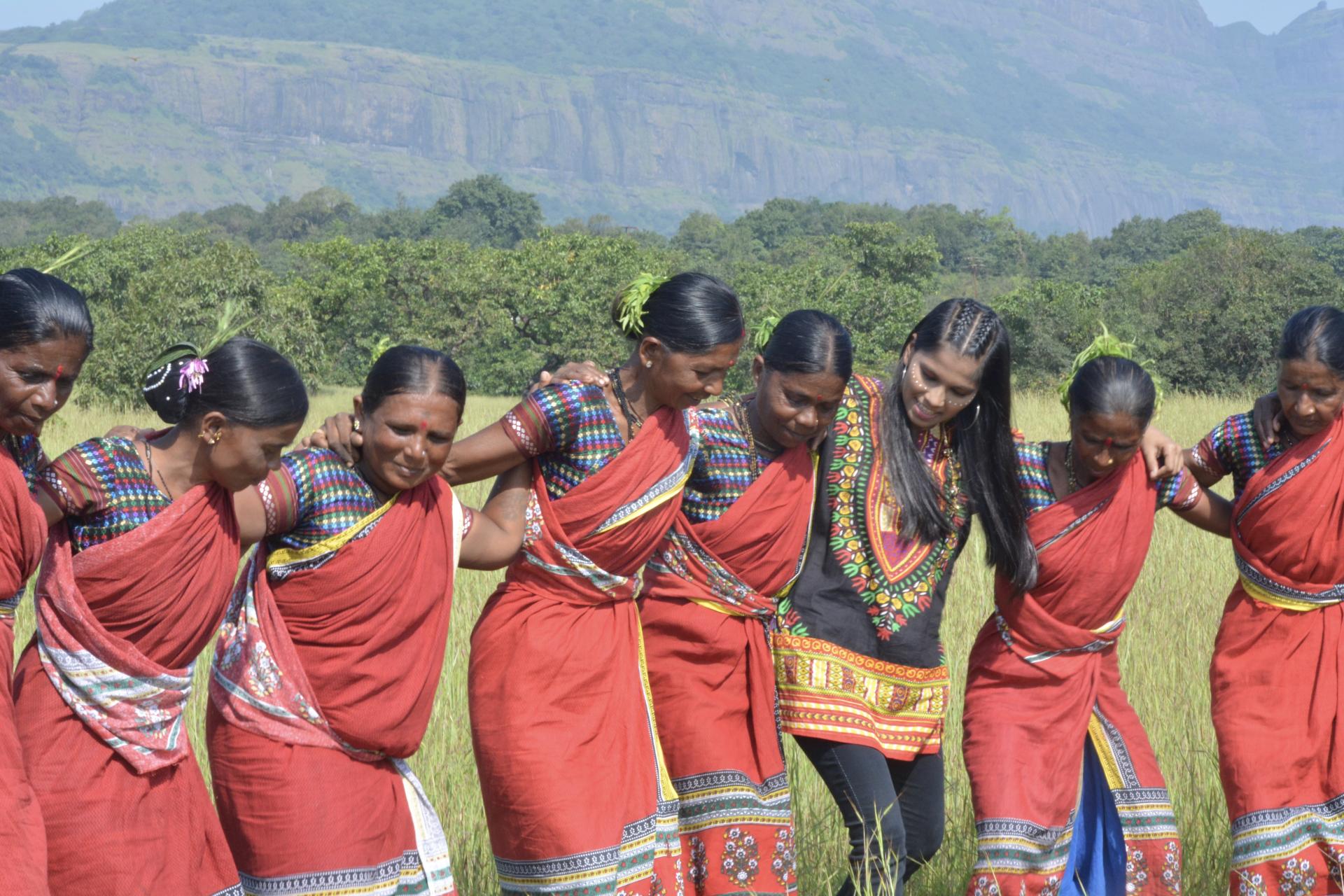
Mahi G’s first official release, the song and music video for "Jungle Cha Raja: King of Jungle," marked a significant turning point in her career. The track is a powerful narrative about a Tribal individual dedicated to protecting the jungle, the land, and the water resources. The video featured Mahi G performing the traditional "kambad" dance alongside other Tribal women, an element that added visual depth and cultural authenticity to the song. "This video became really famous, and so then I, as an artist, also became widely known," she stated. This success cemented her reputation as a "conscious" rapper, a label she embraces, though she acknowledges the prevailing emphasis on commercial and pop-rap styles in the broader Indian music industry.
"Heatwave": An Anthem for Environmental Awareness
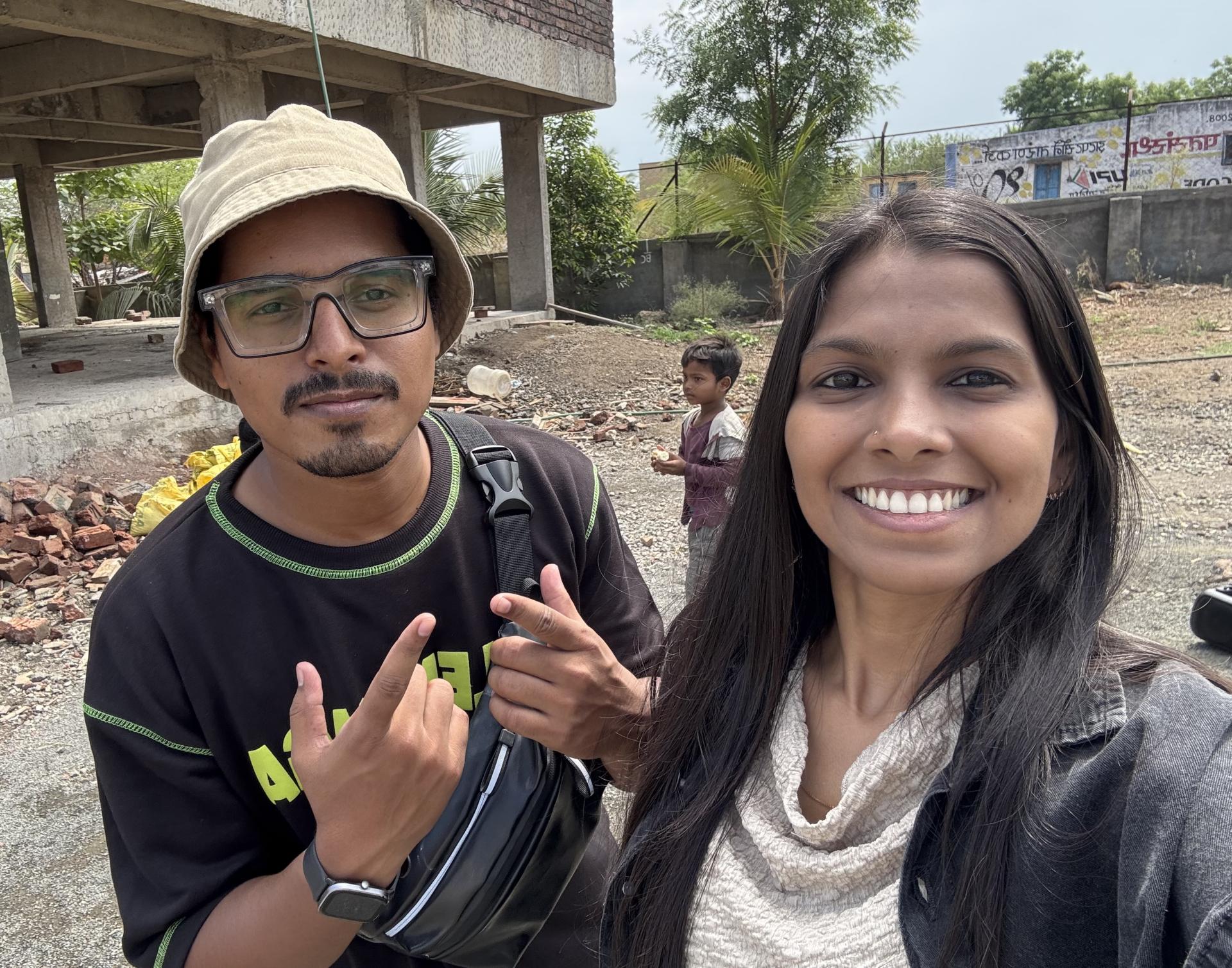
Last year, Mahi G lent her voice to a critical public campaign in collaboration with Greenpeace India. The initiative aimed to raise awareness about a severe heatwave that was profoundly impacting various sections of society, from street vendors and construction workers to farmers. Working with RFM Studios, she co-wrote, produced, and directed the music video for the song "Heatwave." The track vividly depicts the plight of workers enduring extreme temperatures, highlighting the challenges faced by those at brick kilns, timber yards, and the difficult conditions for elder workers and women with young children. "Heatwave" was subsequently chosen as the official song for World Environment Day 2025, underscoring its significant environmental and social message.
From Village Roots to Urban Landscape
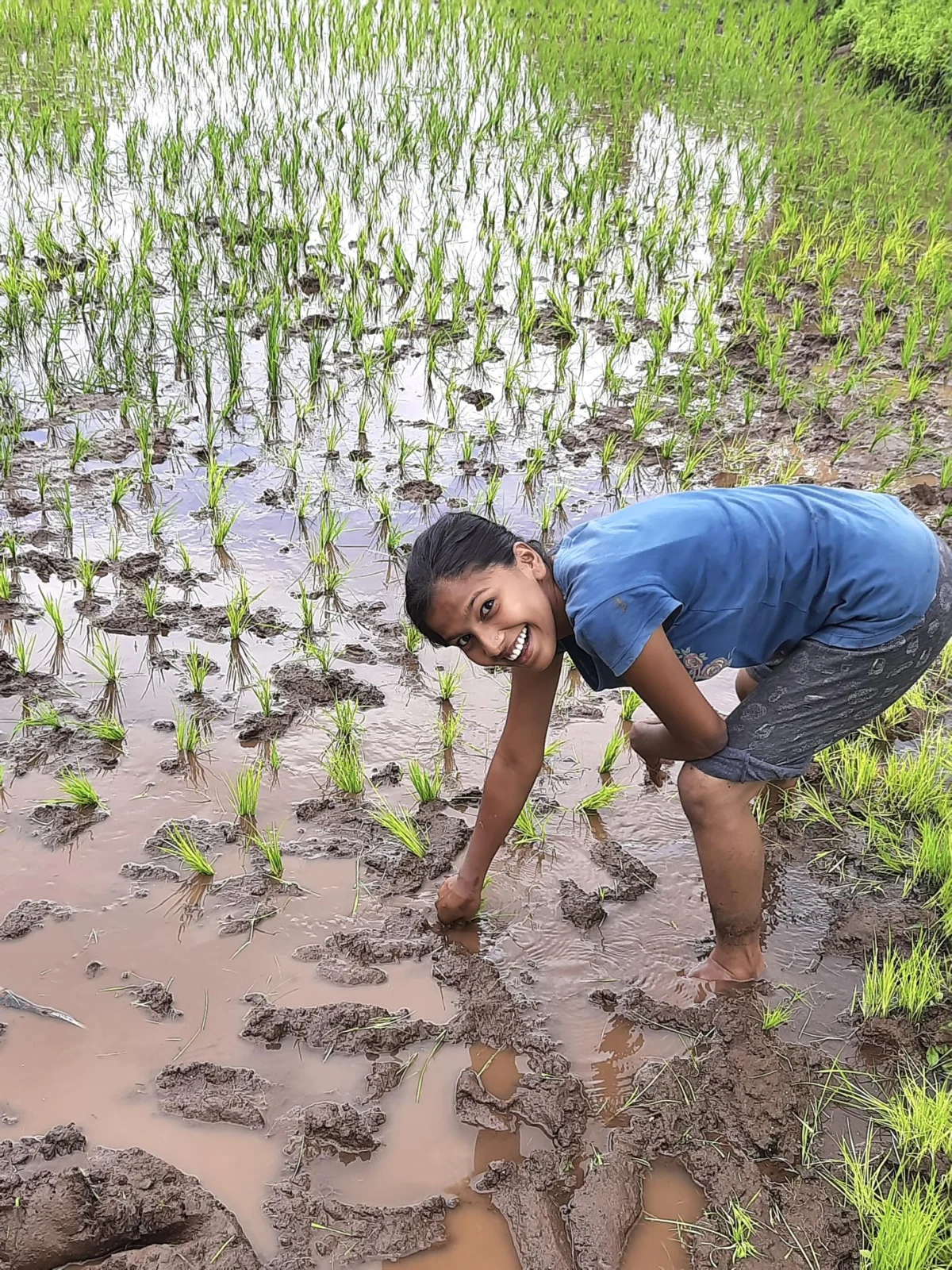
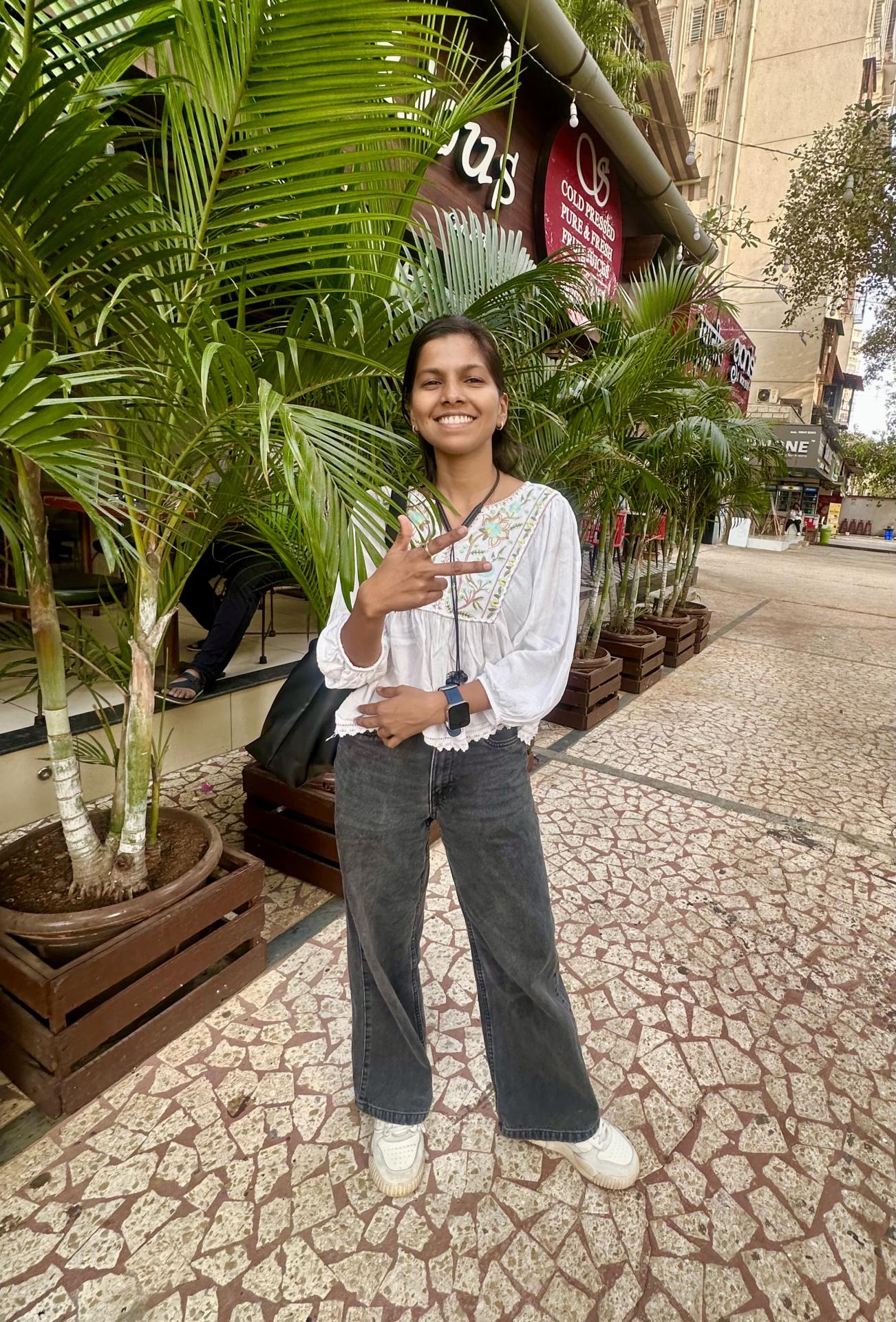
Mahi G’s geographical journey from her ancestral village to the sprawling metropolis of Mumbai is a narrative of familial migration and personal ambition. Born in Kalyan, a town near Mumbai, her deep-seated roots lie in Waranghushi, a village in the mountainous Ahmednagar (now Ahilyanagar) district of Maharashtra, approximately three to four hours away. This ancestral land remains central to her identity. Her father’s relocation to the Mumbai region for employment as a bus conductor ultimately led the family to settle in the city. Without this migration, she believes, she might have remained within her close-knit community.
Navigating Identity and Opportunity: The Role of Reservations
The move to Mumbai also opened avenues of opportunity, particularly through India’s reservation system for Tribal Peoples. It’s crucial to clarify that "reservation" in the Indian context refers to affirmative action policies designed to ensure representation in education and employment, rather than land reserves. "For one, there are reservations for Tribal Peoples," Mahi G explained. "I should explain that a ‘reservation’ here in India isn’t like a land reserve. Rather, it means something—a job, an educational opportunity, etc.—that is reserved for us. Through this system, we now have access to opportunities that our ancestors did not." She notes, however, that greater awareness is needed among communities in more remote areas to ensure they can fully access these reserved opportunities, citing instances where educational seats remain unfilled due to a lack of qualified applicants from Tribal backgrounds.
Family and Community Embrace
The support of her family and community has been instrumental in Mahi G’s artistic journey. "Folks in my community, and especially my family, are really happy about what I’m doing," she shared. While they may not have been intimately familiar with rap music prior to her involvement, they deeply appreciate the themes she addresses and understand the significance of her chosen path. This familial and communal endorsement provides a strong foundation for her continued artistic endeavors.
Echoes of Mahadev Koli Traditions
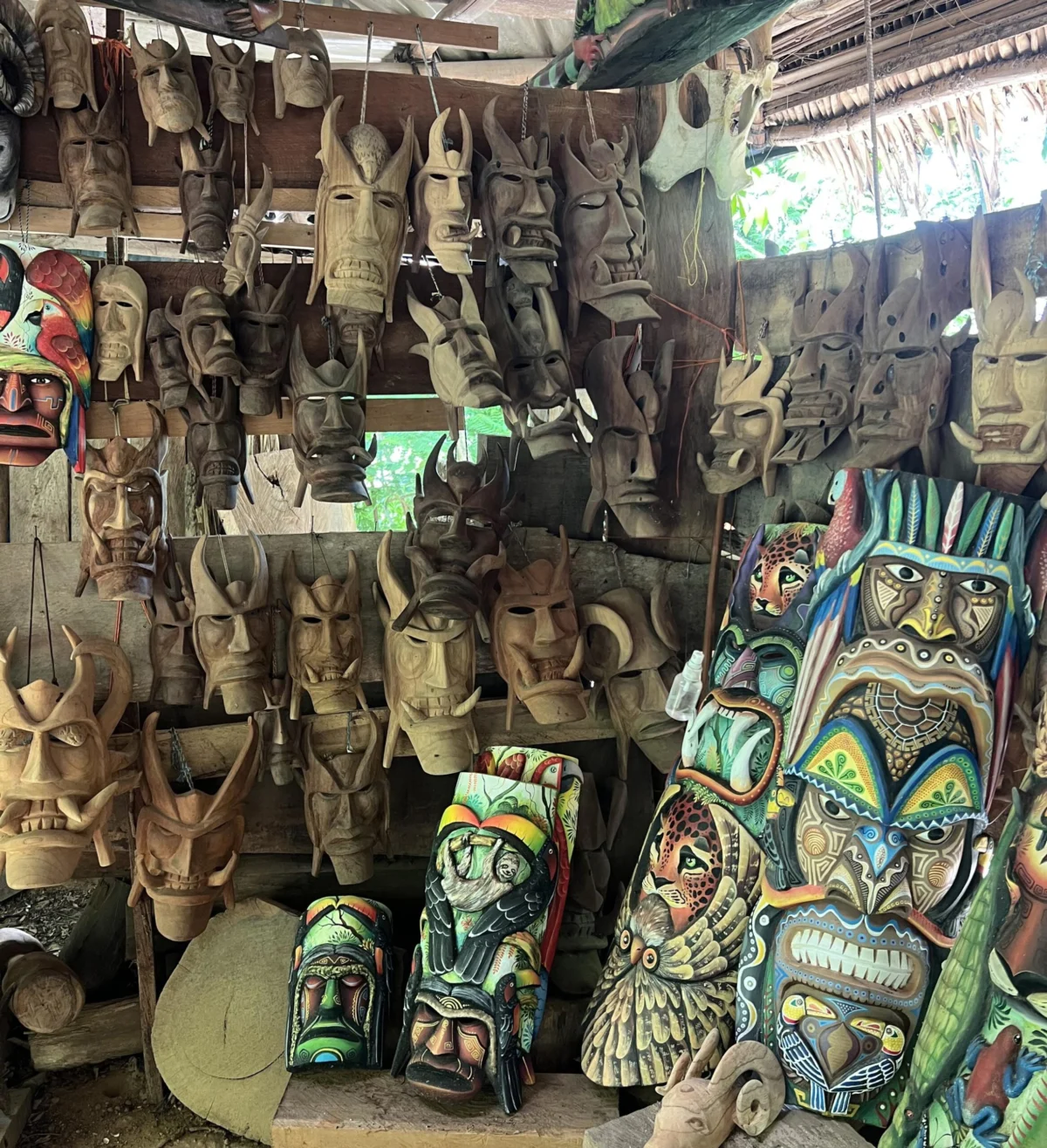
Mahi G’s music is profoundly influenced by the rich cultural traditions of the Mahadev Koli community. She spoke passionately about the "bohada," a traditional festival involving seven to eight days of celebration, characterized by elaborate wooden masks worn to represent deities and nature. These masks, often large and heavy, are integral to ritualistic dances performed with sticks and tree branches, accompanied by traditional musical instruments. She also highlighted the "tarpa," a long wind instrument crafted from a gourd, played by the Warli Tribe, which is often incorporated into Adivasi songs in Maharashtra and which she might feature in her future work. Another significant tradition is the "kambad" dance, a leisure dance of the Thakar Tribal community, performed to the rhythms of the leather-covered percussion instrument known as the Thakar dhol, which was featured in her debut music video.
Spiritual Foundations: The Sacredness of Nature
The spiritual underpinnings of Mahi G’s community are deeply rooted in a profound reverence for nature. "To understand my community’s way of being, our beliefs, it’s important to know that we pray to a special tree that grows on our lands and gives us not only its fruits but also the oxygen we breathe," she explained. This connection is deeply personal, with each family often designated a specific tree to protect. Her family, the Ghane family, worships the "umbar" tree, symbolizing their goddess. This practice of each family safeguarding its designated tree collectively ensures the protection of the jungle and its biodiversity.
The Urban Jungle and the Call of Nature
Living primarily in Mumbai, the "urban jungle," Mahi G’s relationship with the natural world has been shaped by periods of retreat to her ancestral village. During the initial phase of the COVID-19 pandemic, she and her family returned to Waranghushi for an extended period of seven to eight months. This experience provided a sense of freedom and isolation from the widespread lockdowns, allowing them to reconnect with nature. "Each day we’d cook our food in the jungle, and climb the mountains to pick fruits," she recalled. This immersion in the natural environment during a formative period of her young adulthood sparked deep introspection about her identity, origins, and the essence of being a Tribal person, fueling her creative output.
Embracing the "Tribal" Identity
In India, the term "Tribal," often used interchangeably with "Scheduled Tribe" in official contexts, signifies a specific category of communities. Mahi G embraces this designation unequivocally. "For me, ‘Tribal’ is a positive term, and how my community identifies," she stated. While acknowledging the discrimination faced by many designated as Tribal in India, she feels a sense of acceptance and representation through her music. "I feel as though people see and accept me, like ‘Mahi G is representing her community, representing her Tribal People with her music’—and that’s a great thing." Her music serves not only as a platform for her personal expression but also as a powerful voice for her community, championing their heritage, struggles, and resilience on a national and potentially global stage.
Cristina Verán is an international Indigenous Peoples-focused researcher, educator, advocacy strategist, network weaver, editor, and mediamaker. She was a founding member of the United Nations Indigenous Media Network and the Indigenous Language Caucus. As Adjunct Faculty at New York University’s Tisch School of the Arts, she brings emphasis to the global histories, expressions, and socio-political impacts of Indigenous contemporary visual and performing arts, design, and popular culture(s).