The Trump administration’s aggressive stance against refugee and asylum systems has precipitated a profound crisis for individuals fleeing persecution worldwide, prompting HIAS and its partners to mount a robust legal defense. Since the administration’s inception, a series of executive orders and policy shifts have systematically dismantled established protections, leaving vulnerable populations in peril and severing vital humanitarian lifelines. In response, HIAS has become a central plaintiff and advocate in numerous legal challenges, spearheading efforts to restore and safeguard the rights of refugees and immigrants. This comprehensive legal offensive underscores the organization’s unwavering commitment to its mission, even in the face of significant governmental opposition.
A Pattern of Dismantlement: The Trump Administration’s Anti-Refugee Agenda
The period marked by the Trump administration witnessed a deliberate and comprehensive effort to curtail refugee admissions and asylum processes. This agenda was not a series of isolated incidents but rather a coordinated strategy aimed at fundamentally altering America’s role as a haven for those seeking safety. Key policies and actions that formed the crux of this administration’s approach included:
- Suspension of the U.S. Refugee Admissions Program (USRAP): Executive orders significantly reduced the number of refugees admitted to the United States, effectively halting the program for extended periods. This directly impacted thousands of individuals already vetted and awaiting resettlement.
- Halt in Humanitarian and Development Assistance: Funding for critical international aid programs, which provide essential resources like food, water, medicine, and education to millions globally, was drastically curtailed. This had far-reaching consequences for global health and stability.
- Changes to Immigration Appeals Processes: Regulatory shifts at the Board of Immigration Appeals (BIA) were implemented, aimed at streamlining and, in many cases, limiting the scope of appeals for individuals facing deportation. This raised concerns about due process and the ability to seek justice.
- Challenges to Birthright Citizenship: Efforts were made to question or revoke the principle of birthright citizenship, a cornerstone of American legal tradition, impacting families and future generations.
- Mandatory Refugee Detention Policies: New policies emerged that allowed for the arrest and detention of resettled refugees, raising alarms about human rights and the re-traumatization of individuals who had already endured significant hardship.
These actions, taken collectively, represented a significant departure from decades of U.S. policy and international humanitarian norms. The human cost of these policies was immense, leaving individuals stranded in dangerous situations, families separated, and communities stripped of essential support.
HIAS at the Forefront: A Legal Bulwark for the Vulnerable
HIAS, as the world’s oldest refugee agency with over 120 years of experience, has consistently positioned itself as a defender of refugee rights. Recognizing the profound harm inflicted by the administration’s policies, HIAS has actively engaged in a multifaceted legal strategy, initiating and joining eight significant legal challenges. These cases, many filed in rapid succession, represent a critical effort to counter the erosion of protections and uphold fundamental human rights.
Key Legal Battles: A Chronology of Resistance
The legal challenges spearheaded or joined by HIAS illustrate the breadth and depth of the administration’s actions and HIAS’s determined response.
Pacito v. Trump: Reopening the Doors for Refugees
- Filing Date: February 2025
- Core Issue: Challenging the executive order that suspended the U.S. Refugee Admissions Program (USRAP).
- Background: Within weeks of the Trump administration’s inauguration, HIAS joined this landmark lawsuit. The suspension of USRAP left hundreds of thousands of individuals globally in limbo, unable to find safety.
- Impact and Outcomes:
- The lawsuit was instrumental in forcing the Trump administration to resume the resettlement of a limited number of vulnerable refugees during the summer of 2025.
- Crucially, the legal pressure exerted through Pacito v. Trump compelled the administration to continue funding for domestic refugee resettlement services for individuals already within the United States. This ensured that essential support systems remained operational for those in need.
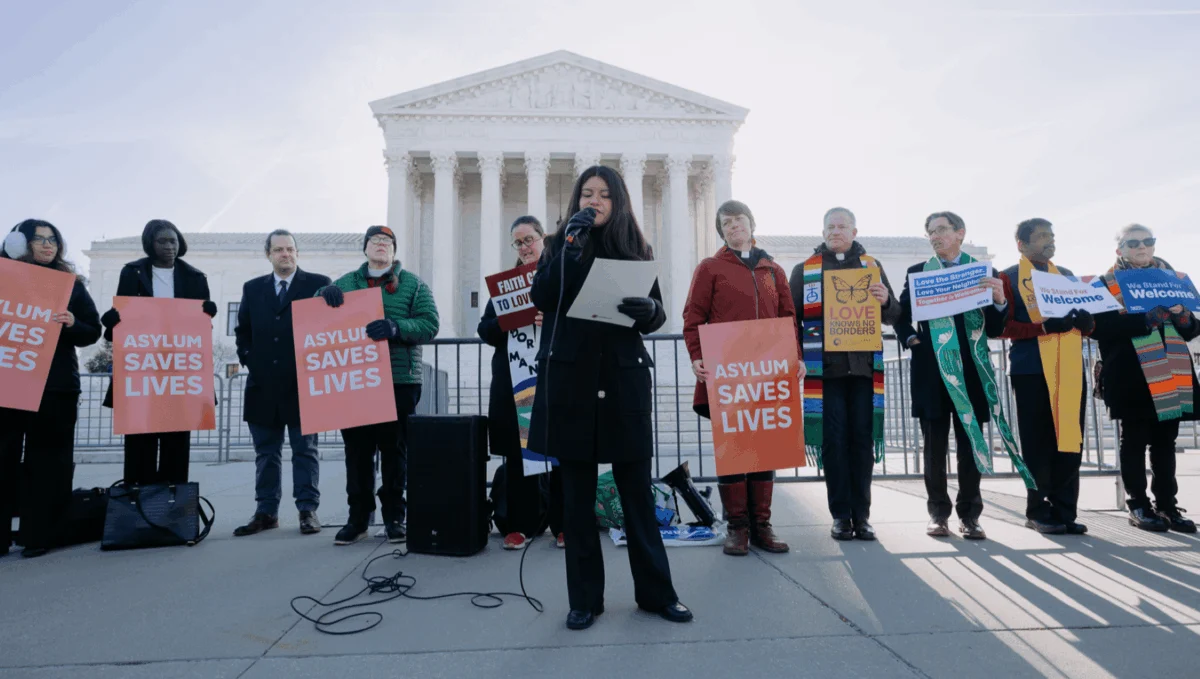
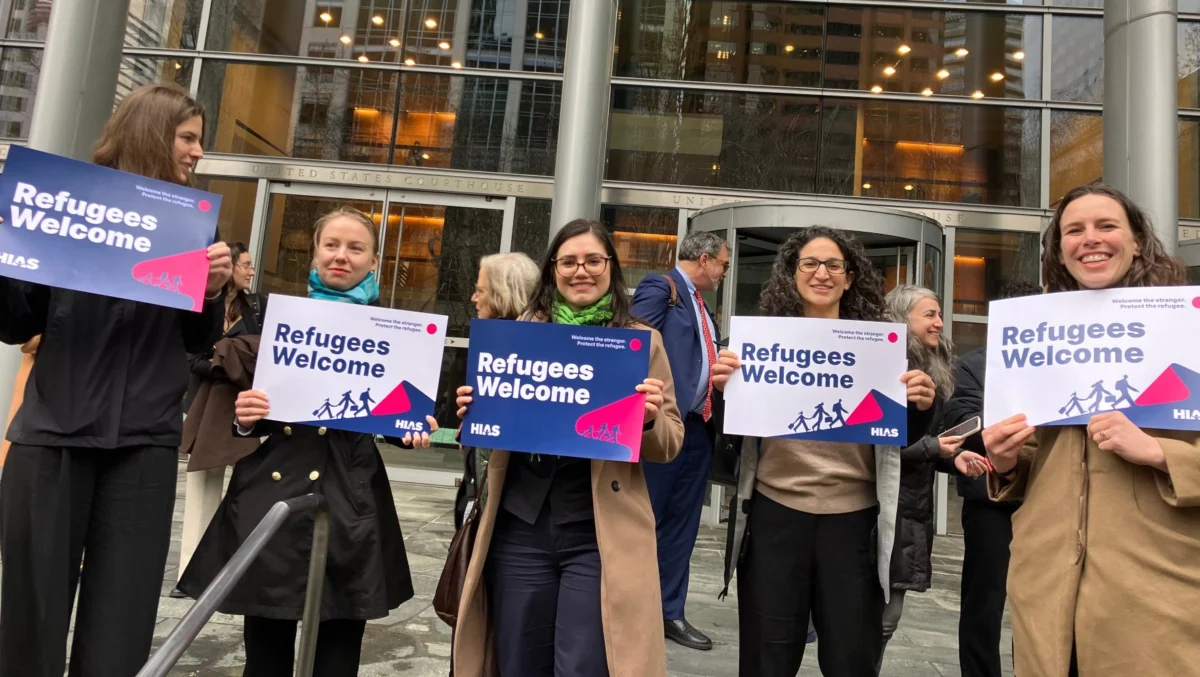
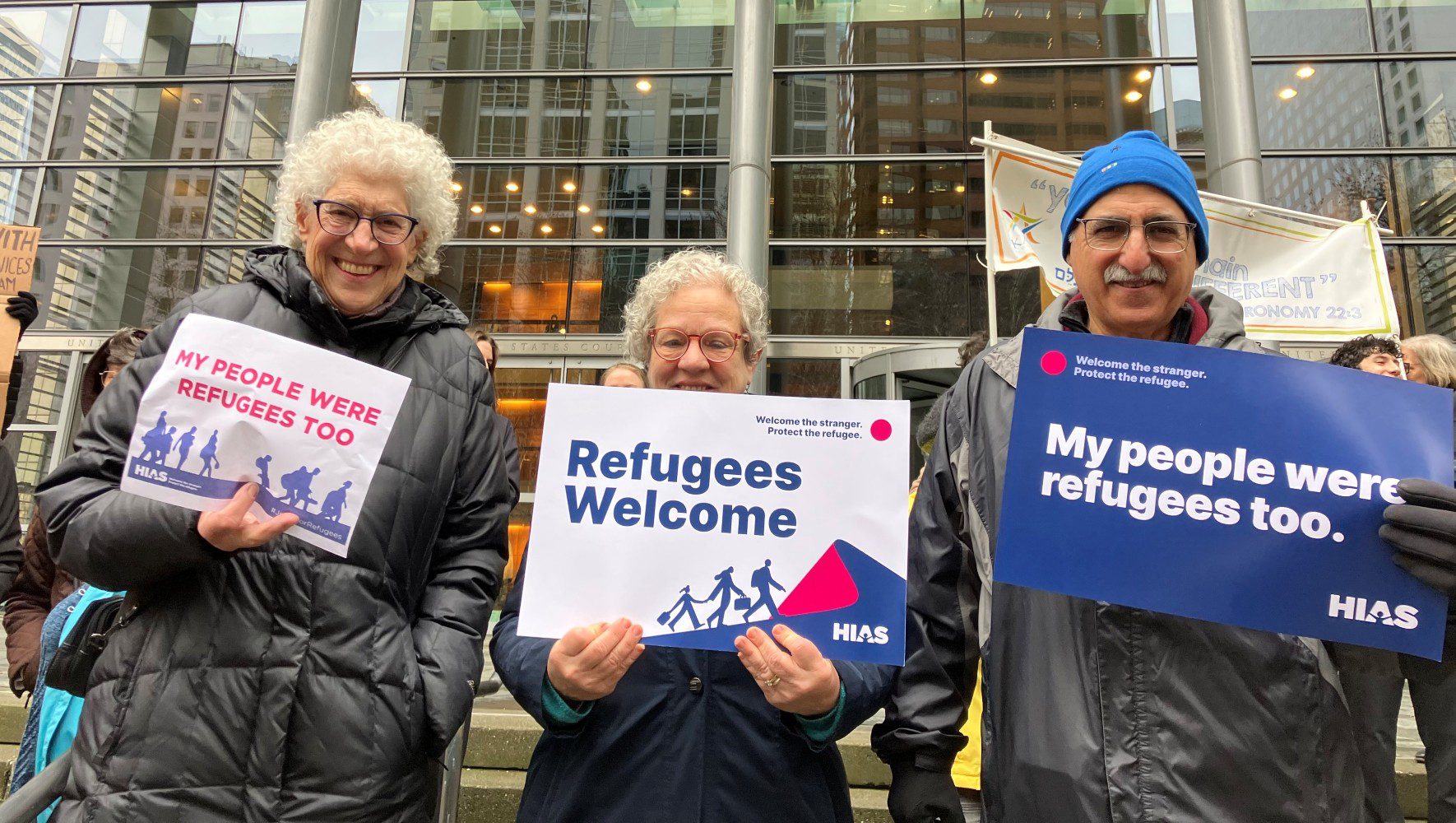
- The visual representation of this fight is captured in images of HIAS supporters gathered outside courthouses, a testament to the public backing and the visible nature of this legal struggle.
Global Health Council v. Trump: Restoring Essential Humanitarian Aid
- Filing Date: February 2025
- Core Issue: Challenging the abrupt halt in U.S. humanitarian and development assistance to millions worldwide.
- Background: This lawsuit saw HIAS join a coalition of organizations and corporations to fight for the restoration of vital foreign aid. The cuts impacted crucial programs providing food, water, medicine, and education in numerous countries.
- Impact and Outcomes:
- The legal action directly contributed to the disbursement of some humanitarian aid funds, offering a reprieve to vulnerable populations.
- The case garnered significant media attention and progressed to the Supreme Court, highlighting the national importance of the debate surrounding foreign assistance.
- The case remains ongoing, with continued advocacy for the full release of humanitarian funds.
Amica Center for Immigrant Rights v. EOIR: Safeguarding Immigration Appeals
- Filing Date: February 2026
- Core Issue: Challenging sweeping changes to the processes at the Board of Immigration Appeals (BIA) that threatened meaningful judicial review.
- Background: HIAS joined with several other legal service providers to challenge these regulatory shifts, which were anticipated to have severe repercussions for individuals seeking to appeal adverse immigration decisions.
- Impact and Outcomes:
- The lawsuit successfully halted the implementation of most of the BIA rule changes, preserving a crucial avenue for individuals fleeing persecution and violence to seek safety and avoid being returned to unsafe conditions. The implications of this victory are profound, potentially saving lives and ensuring a more just process for asylum seekers.
HIAS v. USA: Defending Grant Agreements
- Filing Date: March 2026
- Core Issue: Challenging the mass suspension and termination of grants and cooperative agreements.
- Background: HIAS, in conjunction with partners such as the American Bar Association, Mercy Corps, and Save the Children, filed a complaint in the Court of Federal Claims. This action aimed to protect vital funding streams that support humanitarian work globally.
- Implications: The termination of these agreements threatened the operational capacity of numerous non-profit organizations working on the front lines of humanitarian aid and refugee support. This legal challenge seeks to ensure the continuity of these essential services.
Amicus Briefs: Lending Expertise and Moral Authority
Beyond direct litigation, HIAS has strategically utilized amicus curiae briefs to lend its extensive expertise and historical perspective to other critical cases, amplifying its influence and reinforcing its commitment to refugee protection.
-
Noem v. Al Otro Lado (Amicus Filed February 2026): Fighting Turnback Policies at the U.S.-Mexico Border:
- HIAS drew a powerful parallel between contemporary turnback policies and the historical tragedy of the M.S. St. Louis, a ship carrying Jewish refugees turned away by the United States in 1939. This brief leverages HIAS’s deep institutional memory, from its role in rescuing passengers of the St. Louis to its support for those turned away at the border in recent years. The amicus brief highlights the enduring human cost of such policies and underscores the moral imperative to uphold the right to seek asylum.
-
U.H.A. v Bondi (Amicus Filed February 2026): Challenging the Detention of Resettled Refugees in Minnesota:
- This brief provided critical insights into the harmful and unnecessary practice of detaining resettled refugees for re-screening. It detailed the rigorous security vetting refugees already undergo and explained why detention can be deeply retraumatizing for individuals who have experienced violence and persecution. By offering this expert testimony, HIAS aimed to persuade the court of the cruelty and futility of such measures.
-
Trump v. Barbara (Amicus Filed February 2026): Defending Birthright Citizenship:
- HIAS joined 57 faith-based organizations representing a diverse array of religious communities in an amicus brief. This collective action emphasized the profound moral and ethical dimensions of birthright citizenship and its significance to numerous faith and immigrant groups. The brief underscored the importance of upholding this fundamental right, which is deeply ingrained in American values.
-
Jean A. et al v. Noem (Filed March 2026): Challenging Mandatory Refugee Detention:
- In this case, HIAS filed an amicus brief supporting plaintiffs challenging a new policy that permitted the arrest and detention of resettled refugees. The lawsuit had secured a temporary injunction, halting the policy’s implementation. HIAS’s brief provided essential context on why detaining resettled refugees for re-screening is a cruel, harmful, and unnecessary practice. The organization proudly noted that its resettlement partner, Jewish Family Service of Western Massachusetts, was among the plaintiffs, demonstrating the collaborative nature of this fight.
Broader Impact and Implications: A Fight for Foundational Principles
The legal battles in which HIAS is engaged extend far beyond individual cases; they represent a fundamental defense of humanitarian principles, international law, and the United States’ historical role as a beacon of hope. The implications of these legal challenges are far-reaching:
- Preservation of Asylum Systems: The ongoing litigation seeks to ensure that individuals fleeing persecution have a meaningful opportunity to seek protection in the United States, upholding the spirit and letter of asylum laws.
- Restoration of Humanitarian Aid: The efforts to restore foreign assistance are crucial for addressing global crises, preventing suffering, and promoting stability in vulnerable regions.
- Upholding Due Process: The challenges to immigration appeal processes and detention policies underscore the importance of fair legal proceedings and the protection of fundamental rights for all individuals, regardless of their immigration status.
- Reinforcing American Values: By standing against policies that undermine refugee protections and humanitarian aid, HIAS and its partners are actively defending the core values of compassion, justice, and welcoming that have long been associated with the United States.
- Setting Precedents: The outcomes of these cases will likely set important legal precedents, shaping refugee and immigration policy for years to come. A victory for HIAS and its allies would reaffirm the nation’s commitment to its humanitarian obligations, while setbacks could have enduring negative consequences for vulnerable populations globally.
The fight for refugee and immigrant communities is ongoing, and HIAS remains steadfast in its commitment to providing legal representation, advocacy, and direct services. As the legal landscape continues to evolve, HIAS will remain at the forefront, armed with legal expertise, unwavering dedication, and the support of a global community that believes in a more just and compassionate world. The organization’s message is clear: "As the world’s oldest refugee agency, HIAS will always stand for refugees — no matter who is president. And we will do all we can to support our clients, every day, as we have for more than 120 years."