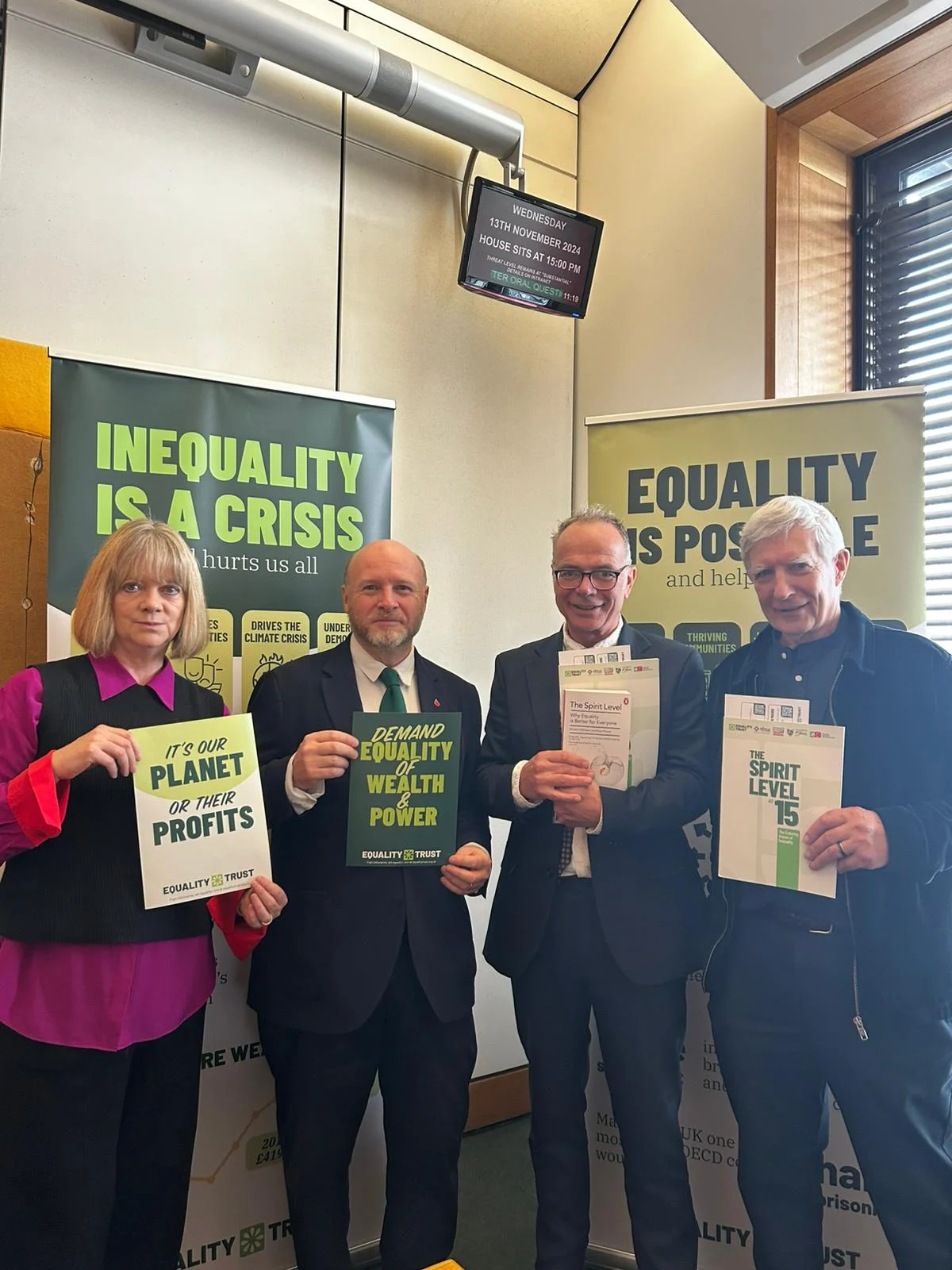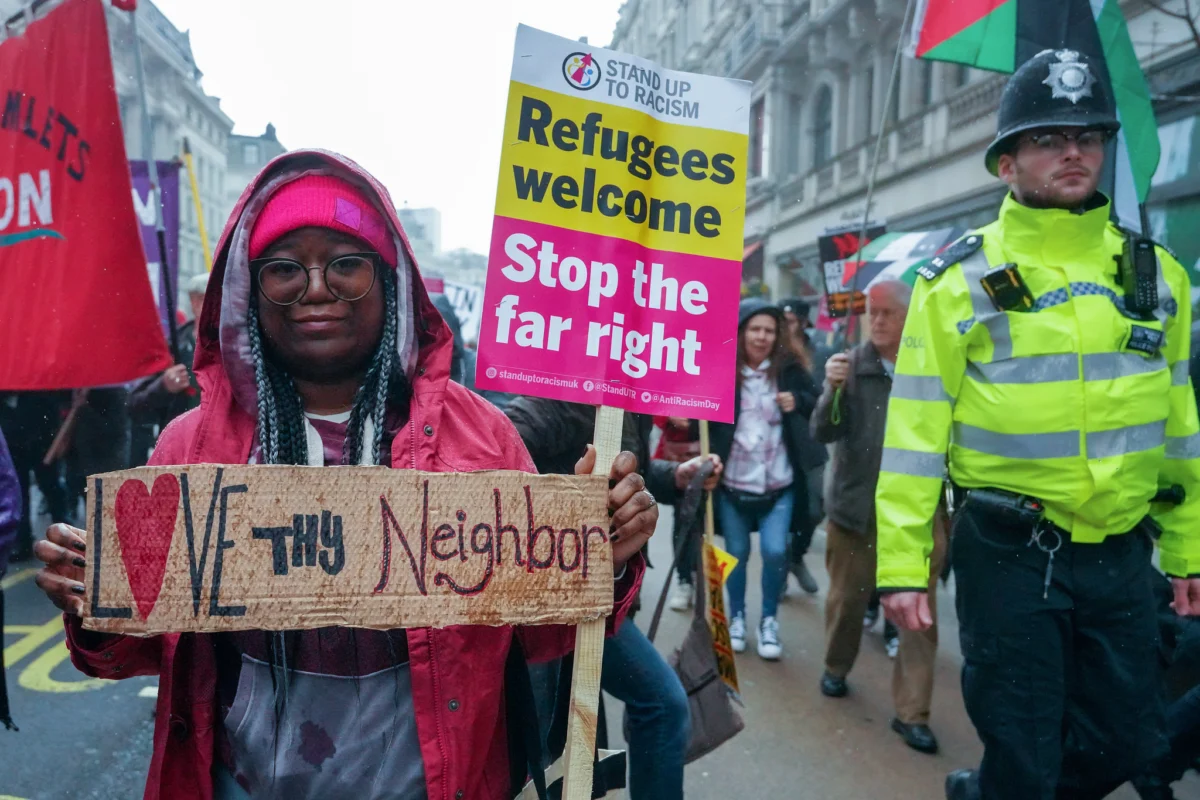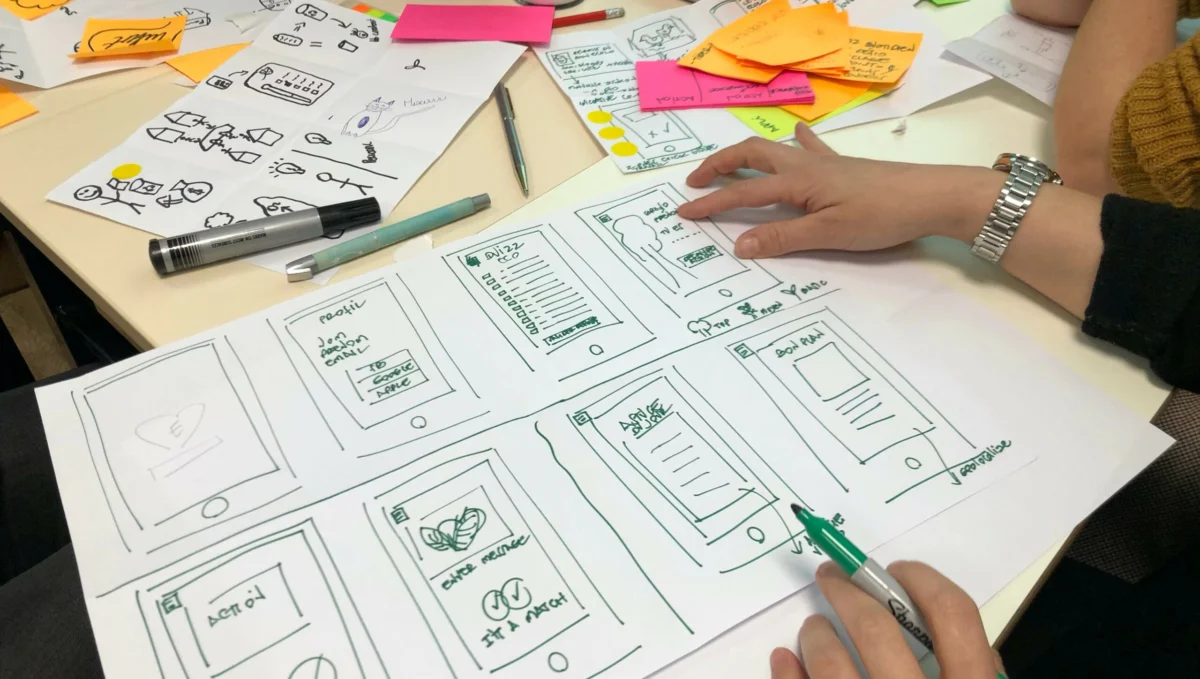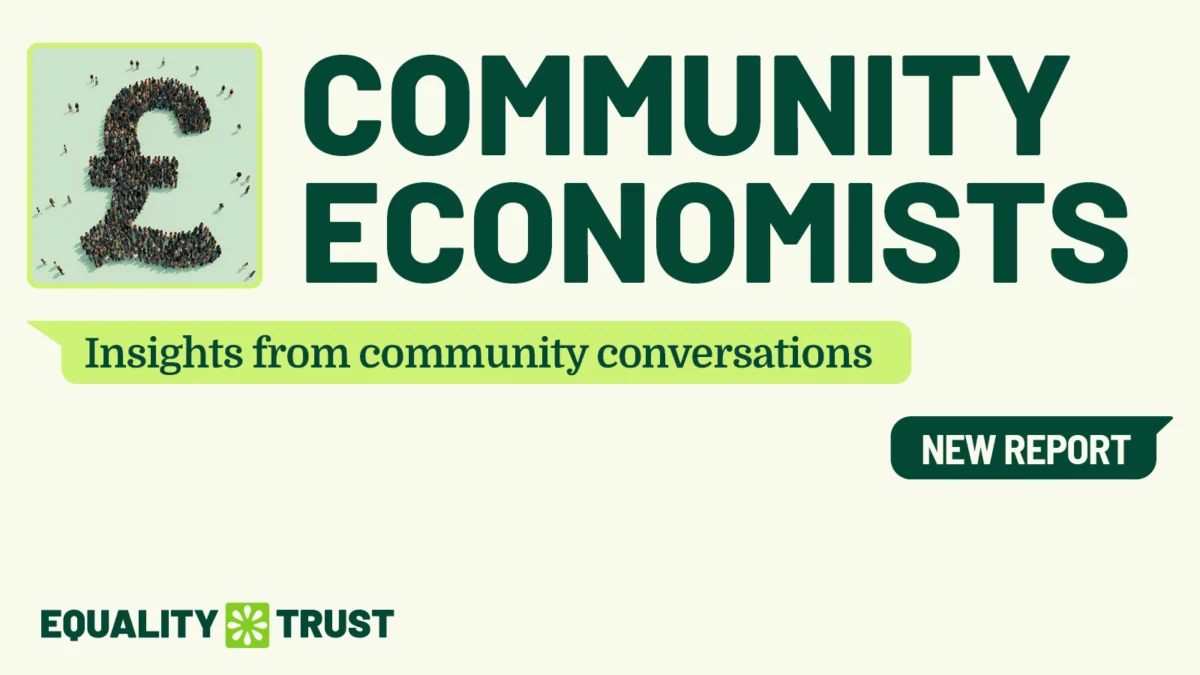
The Equality Trust has officially unveiled the results of its pioneering Community Economist project, a multi-stage initiative designed to bridge the gap between abstract macroeconomic theory and the lived realities of citizens across the British Isles. Developed in collaboration with a diverse cohort of volunteers spanning from London to the Scottish Highlands, the project represents a significant shift in how economic data is collected, interpreted, and utilized for social advocacy. By equipping non-experts with the tools of qualitative research and narrative analysis, the initiative seeks to challenge the prevailing sentiment that the economy is an uncontrollable force, repositioning it instead as a system that must be engineered to serve the public good.
The Evolution of the Community Economist Framework
The Community Economist project was conceived as a response to growing public alienation from economic discourse. In an era characterized by complex financial instruments and high-level policy debates, many individuals report feeling that the economy is something that "happens to them" rather than a system they can influence. To combat this, The Equality Trust designed a program that is part research, part pedagogical experiment, and part social action.
The initiative began with a competitive nationwide recruitment process. Despite the technical nature of the subject matter, the call for participants garnered a high volume of applications from individuals across various demographics. The selection criteria focused not on formal academic qualifications in finance or mathematics, but on lived experience with economic inequality and a demonstrated commitment to community building. Ultimately, ten volunteers were selected to form the inaugural cohort. These participants represented a microcosm of the UK’s socio-economic landscape, bringing perspectives from urban centers struggling with housing crises to rural areas facing industrial decline.
A Chronology of the Project: From Training to Narrative Synthesis
The project unfolded over several months, structured into a rigorous twelve-week training and implementation cycle. This timeline allowed the volunteers to transition from observers to active "community reporters" capable of conducting sophisticated thematic analysis.
Phase 1: Capacity Building and Skill Acquisition
During the initial twelve weeks, the ten Community Economists participated in a series of intensive workshops. These sessions were designed to demystify economic terminology and provide practical training in social science methodologies. The curriculum included:
- Storytelling and Narrative Construction: Learning how to frame individual experiences within broader systemic contexts.
- Interview Techniques: Developing the skills to conduct ethical, "unfiltered" interviews that allow participants to speak freely about their financial struggles and aspirations.
- Thematic Analysis: Training in how to identify recurring patterns and "narrative threads" across different interviews to form a cohesive data set.
Phase 2: Fieldwork and Data Collection
Following their training, the economists returned to their respective communities to gather data. The core research question guiding their work was: "What would it be like if everyone had what they needed to live a good life, and how would that be different from how things are now?" This question was intentionally designed to move beyond mere complaints about the cost of living, instead encouraging interviewees to envision an alternative economic reality.
Phase 3: Synthesis and Reporting
The fieldwork resulted in over ten hours of raw interview footage and hundreds of pages of transcripts. Over the latter half of 2025, the group worked to curate these stories into a comprehensive "Insight Report" and a documentary film. These outputs were designed to illustrate the tangible impact of economic decisions on housing, education, career aspirations, and interpersonal relationships.
Supporting Data: The Landscape of Inequality in 2026
The launch of the Community Economist report comes at a time when statistical indicators of inequality in the UK remain a point of intense national debate. According to data from the Office for National Statistics (ONS) and independent think tanks like the Resolution Foundation, wealth disparity has continued to widen over the last decade.
In early 2026, reports indicated that the top 10% of households in the UK hold approximately 43% of the nation’s wealth, while the bottom 50% hold less than 5%. Furthermore, the "poverty premium"—where low-income households pay more for essential goods and services due to a lack of access to credit or bulk buying—has been exacerbated by fluctuations in energy markets and housing shortages. The Community Economist project serves to provide the "human data" that these statistics often obscure, showing how a 2% rise in interest rates or a shift in social security eligibility translates into missed meals or delayed educational opportunities.
Perspectives from the Ground: The "Unfiltered" Economy
The findings of the Community Economists highlight a profound disconnect between official economic narratives and the reality of the British public. The "Insight Report" identifies several key themes that emerged from the community interviews:
- The Erosion of Social Stability: Many respondents noted that economic insecurity has led to a breakdown in community ties, as individuals are forced to work multiple jobs or relocate frequently in search of affordable housing.
- The Aspiration Gap: There is a growing sense among younger generations that traditional milestones of economic success, such as homeownership or a stable pension, are increasingly unattainable regardless of effort or education.
- The Demand for Agency: A recurring sentiment across the ten hours of footage was the desire for greater local control over economic resources. Participants expressed a need for "Community Wealth Building" models that prioritize local investment over extractive corporate interests.
A spokesperson for the project noted that the volunteers quickly formed strong bonds, united by the realization that their private worries were, in fact, shared systemic issues. "The training wasn’t just about learning how to record an interview; it was about reclaiming the language of the economy," the spokesperson stated. "By the end of the twelve weeks, these volunteers weren’t just reporting on the economy—they were analyzing it with the precision of experts."
Broader Implications and Future Phases
The Equality Trust has made it clear that the publication of the report and film is only the beginning of a long-term strategy. The project is designed to evolve through three distinct phases of social action.
Phase 2: Advocacy and Coalition Building
Moving into the next stage, the Community Economists will lead focused workshops and "message testing" sessions. The goal is to refine the narratives gathered in Phase 1 into actionable policy demands. This phase will also involve building coalitions with labor unions, housing advocates, and local government officials to ensure that the insights of the community are heard in the halls of power.
Phase 3: Direct Social Action
The final phase of the current roadmap involves turning "what we know and feel into real change." While the specific nature of the social action remains to be finalized by the volunteers, it is expected to involve localized campaigns aimed at reforming specific economic hurdles identified during the research phase, such as predatory lending practices or the lack of affordable childcare.
Analysis: The Shift Toward Democratic Economics
The Community Economist project reflects a broader global trend toward "democratic economics," a movement that seeks to involve citizens more directly in the design of the systems that govern their lives. Critics of traditional economic reporting argue that by focusing almost exclusively on GDP, inflation rates, and stock market performance, the media and government often ignore the "wellbeing economy"—the aspects of life that truly matter to individuals, such as health, security, and community.
By empowering "non-experts" to act as economists, The Equality Trust is challenging the technocratic monopoly on economic wisdom. This approach suggests that the most valuable data on the economy does not come from spreadsheets, but from the kitchens and community centers of the UK. The project posits that if people make economies, then people have the power to remake them.
Conclusion: Turning Private Worry into Shared Action
As the UK navigates the economic challenges of the mid-2020s, the Community Economist project offers a new model for civic engagement. The project’s success in recruiting and training volunteers who had previously felt excluded from economic debate demonstrates a significant appetite for systemic change.
The resulting insight report serves as both a critique of the status quo and a blueprint for a more inclusive future. By moving from "private worries" to "shared action," the Community Economists are attempting to prove that the economy is not a force of nature, but a human construction that can be dismantled and rebuilt to ensure that everyone, regardless of their background or location, has what they need to live a good life. The upcoming phases of advocacy and social action will be a crucial test of whether these grassroots narratives can indeed influence high-level economic policy and drive the "real change" that the storytellers of this project so clearly demand.