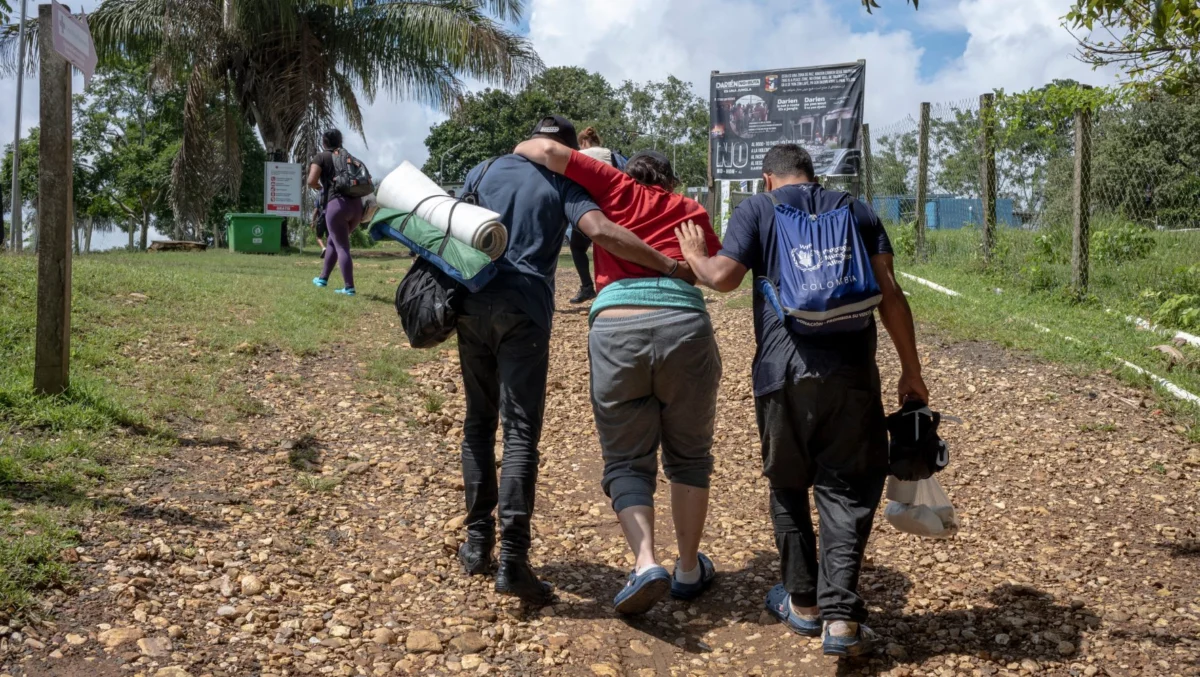
Since the outbreak of civil war in Sudan in April 2023, the region has been grappling with the world’s largest and most urgent humanitarian crisis. Chad, a nation already strained by its own internal challenges and hosting a significant refugee population, has found itself on the front lines of this unfolding tragedy. Nearly one million Sudanese individuals have sought refuge within Chad’s borders, converging in makeshift camps along its eastern frontier. These recent arrivals are joining a long-standing community of refugees, some of whom have lived in these camps for close to two decades, creating an unprecedented surge in humanitarian need that has overwhelmed already scarce resources and critical humanitarian services.
The sheer scale of the recent displacement is staggering. In just over two years, Chad has received more Sudanese refugees than it did in the preceding two decades of Sudanese displacement combined. This influx has placed immense pressure on Chad’s infrastructure and the capacity of humanitarian organizations to provide essential aid. Compounding this crisis are drastic, and in many cases, devastating cuts to humanitarian aid. These reductions have pushed both the newly arrived Sudanese refugees and the established refugee populations, as well as their host communities, to the absolute brink of survival. Despite this extraordinarily challenging and complex operating environment, HIAS Chad, an organization with over two decades of experience on the ground, continues its vital work, providing essential services to refugees, internally displaced persons, and host communities alike. The situation demands a comprehensive understanding of the current landscape for refugees in Chad, their origins, the challenges they face, and the profound impact of reduced international support.
The Shifting Landscape of Displacement in Chad
Chad now stands as a nation hosting an overwhelming number of displaced people, with over 1.8 million individuals seeking refuge within its territory. This translates to the highest number of refugees per capita on the entire African continent. The diverse tapestry of displaced populations in Chad primarily hails from Sudan, the Central African Republic (CAR), Nigeria, and Cameroon. These groups, each with their own distinct histories of displacement, are spread across different regions of the country and arrived at various junctures since 2001. Their reasons for fleeing are varied and often interconnected, stemming from the devastating impacts of violence, persistent political instability, severe persecution, and the escalating threat of climate change.
However, the most significant and pressing wave of new arrivals currently originates from Sudan, driven by the brutal civil war that erupted in April 2023. The ongoing conflict between the Sudanese government forces and the Rapid Support Forces (RSF) paramilitary group has unleashed a catastrophic humanitarian crisis within Sudan itself, displacing an estimated 14 million people across the country. In the wake of this widespread violence, and particularly renewed ethnic violence in the Darfur region, over 900,000 individuals have crossed the border into Chad since mid-April 2023. This relentless influx places an immense burden on Chad, a nation already struggling with its own internal challenges. A stark reality is that more than 40% of Chad’s own population is already in dire need of humanitarian assistance, highlighting the precarious balance of resources and the immense solidarity being demonstrated by the Chadian people and government.
Challenges Facing Refugees and Displaced Populations
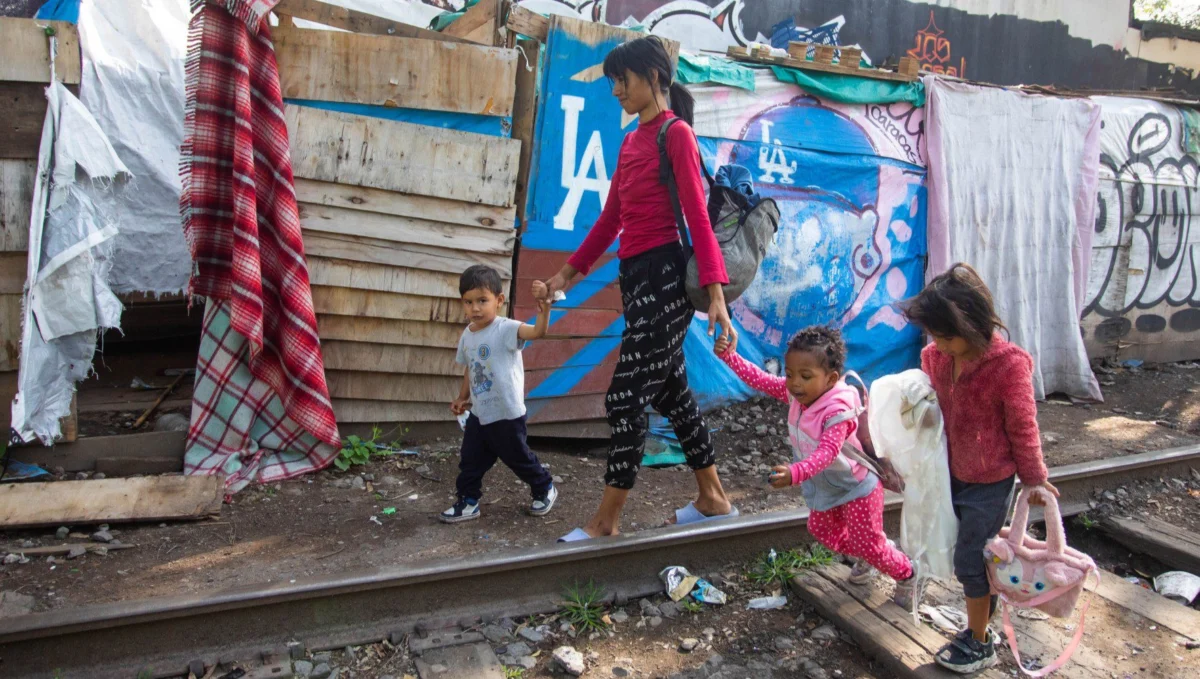
The daily existence for refugees and displaced individuals in Chad is a relentless struggle for basic necessities. Access to adequate food and shelter remains a critical concern, with limited options for sustainable livelihoods exacerbating their vulnerability. Women and girls, in particular, face heightened risks of violence, enduring harrowing experiences along migration routes and within the confines of refugee camps. The pervasive insecurity and lack of resources extend to essential services, with refugees and their host communities facing severely limited access to healthcare, clean water, and educational opportunities. This deficiency leaves them profoundly vulnerable to exploitation and entirely dependent on the fluctuating availability of humanitarian assistance.
These already dire challenges have been significantly amplified by substantial reductions in humanitarian aid. The cuts have directly impacted the capacity to provide life-saving interventions, leaving many without the critical support systems they desperately need. Compounding the humanitarian crisis are the recurring environmental shocks that plague the region. Frequent droughts and devastating floods take a heavy toll on communities, eroding their already fragile livelihoods and driving widespread food insecurity. In a stark testament to the severity of the situation, the Chadian government was compelled to declare a food emergency for the third consecutive year in 2024. Despite these compounding pressures, Chad has maintained its unwavering commitment to an open-door policy for refugees, a testament to its enduring humanitarian spirit, a policy it has upheld for more than two decades.
The Devastating Impact of Humanitarian Aid Reductions
The implications of reduced international humanitarian assistance on the ground in Chad are dire and far-reaching. In early 2025, significant cuts to U.S. humanitarian aid, enacted globally, have had a profound impact on Chad. Humanitarian funding for the country experienced a precipitous decline, plummeting from approximately $338 million in 2024 to a mere $112 million in 2025. This represents a staggering reduction of nearly 67 percent. These cuts have translated directly into a drastic curtailment of essential services. Food assistance programs have been scaled back, health services are severely limited, and crucial protection programs for survivors of sexual and gender-based violence have been significantly undermined, leaving countless vulnerable individuals without the support they critically need to survive and recover.
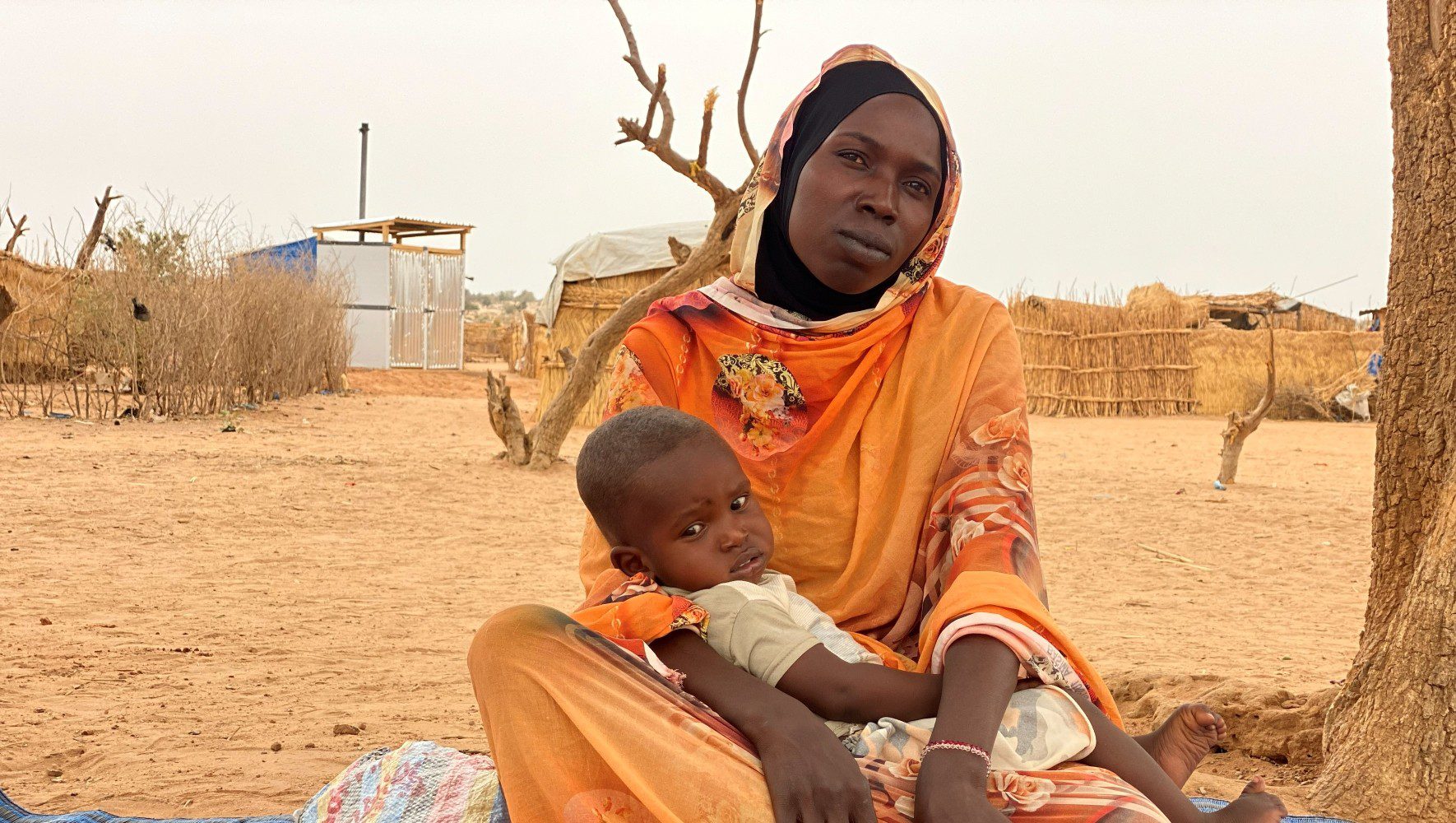
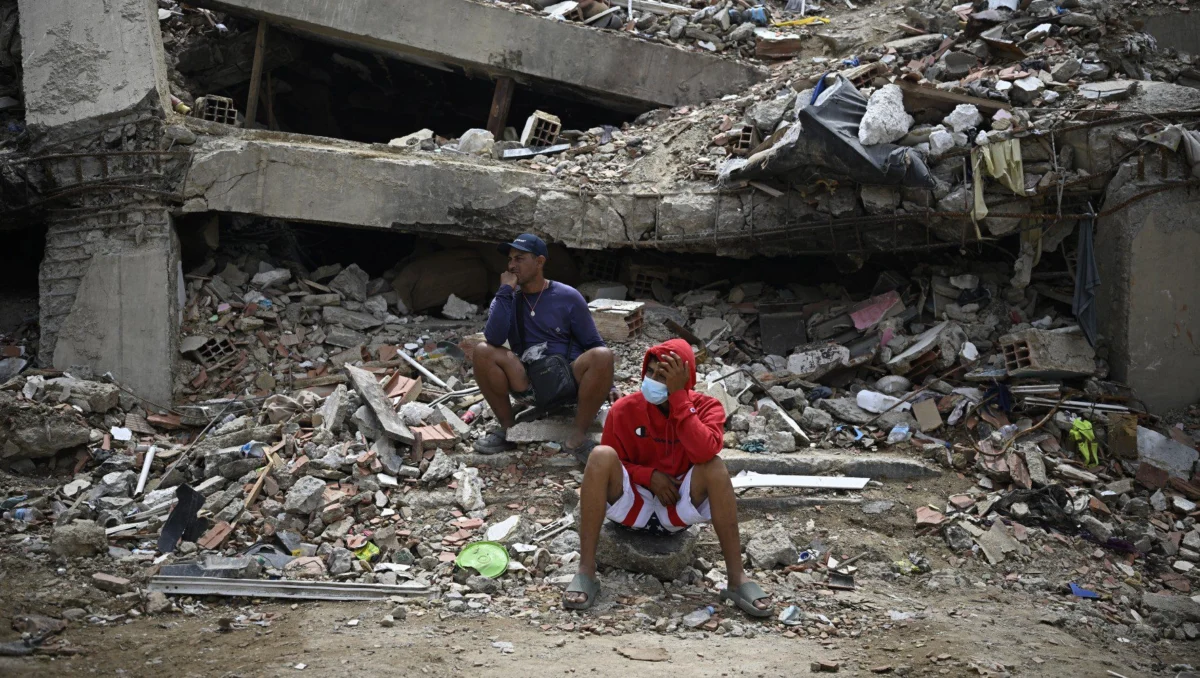
The consequences of these aid reductions extend beyond immediate survival. Refugees are losing their livelihoods, their access to vital mental health care – essential for processing the trauma of war and displacement – is diminishing, and their ability to rebuild their lives is severely hampered. The cuts in life-saving aid are directly contributing to rising rates of malnutrition, inadequate shelter, and an alarming increase in sexual and domestic violence against women and girls. Children, as always, bear the brunt of these devastating cuts, facing limited access to food, water, and education. Many refugees find themselves stranded at the border, completely devoid of the financial resources needed to travel to more secure shelter within the established camps. This precarious situation underscores the critical need for sustained and robust international support.
HIAS’s Enduring Commitment to Refugees in Chad
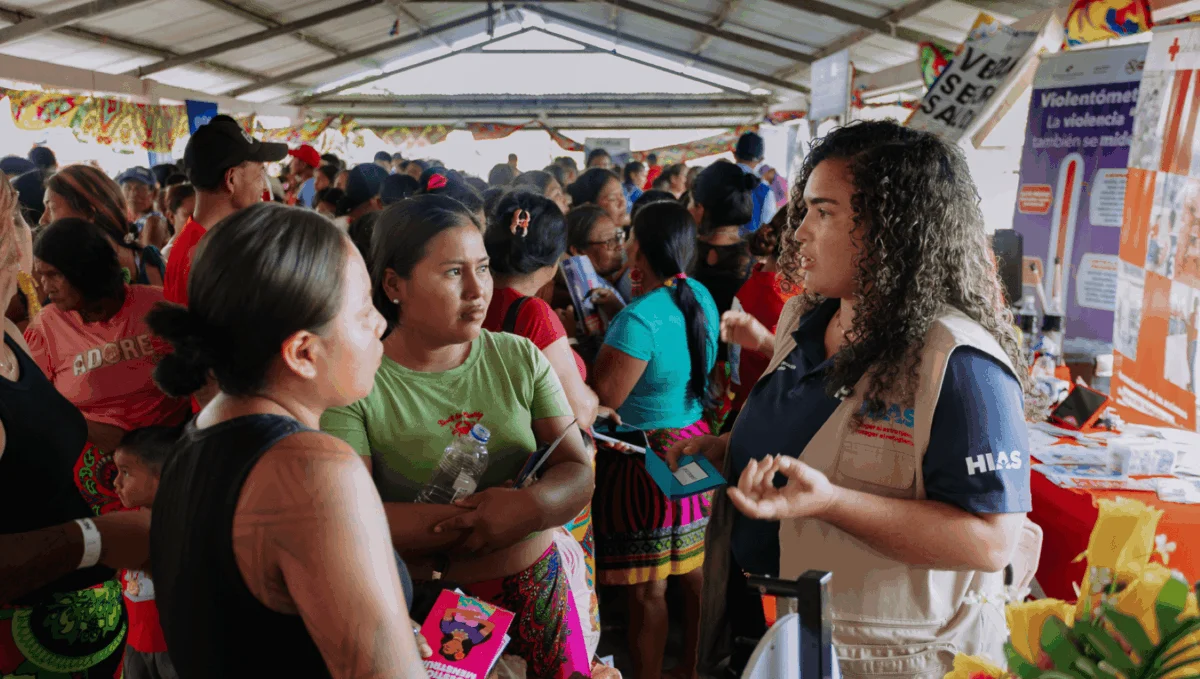
HIAS has been a steadfast presence in Chad, working alongside refugees and displaced persons for over two decades. The organization’s approach is centered on strengthening community-based protection networks, fostering resilience, and promoting peaceful coexistence between refugee populations and their host communities. In close collaboration with the Chadian government and a network of other humanitarian organizations, HIAS Chad plays a crucial role in welcoming refugees and addressing their most urgent needs during emergency situations, prioritizing protection and the fulfillment of basic necessities.
The dedicated staff of HIAS Chad are on the front lines every day, delivering life-saving assistance to those who have been forced to flee their homes. Their work encompasses a broad spectrum of critical interventions. This includes providing vital mental health support to individuals grappling with the profound psychological toll of conflict and displacement. HIAS also focuses on economic empowerment initiatives, equipping refugees with the tools and opportunities to build sustainable sources of income and regain a sense of agency. A significant area of focus is the concerted effort to end violence against women and girls, a pervasive issue in displacement settings. Furthermore, HIAS actively participates in the distribution of essential food and non-food items, ensuring that basic needs are met. The organization’s commitment to implementing economic projects is crucial in enabling refugees to establish self-sufficient livelihoods, thereby fostering long-term stability and reducing dependency on external aid.
The ongoing situation in Chad highlights a critical juncture in global humanitarian efforts. The confluence of a massive refugee influx driven by a brutal civil war and the devastating impact of aid cuts presents an unprecedented challenge. The resilience of the Chadian people, coupled with the unwavering dedication of organizations like HIAS, offers a glimmer of hope. However, sustained and increased international support is not merely desirable; it is an absolute imperative to avert a deeper humanitarian catastrophe and to provide a pathway towards recovery and dignity for millions of displaced individuals.
A Timeline of Escalating Crisis and Diminishing Support
April 2023: The civil war erupts in Sudan, triggering a massive wave of displacement.
Mid-April 2023 onwards: Over 900,000 Sudanese refugees begin crossing into eastern Chad.
Throughout 2023-2024: Existing refugee populations in Chad, some present for nearly 20 years, face increased competition for scarce resources due to the influx of new arrivals.
2023-2024: Recurring droughts and floods exacerbate food insecurity in Chad, leading to a government declaration of a food emergency.
Early 2025: The U.S. administration implements significant cuts to global humanitarian aid.
2025: Humanitarian funding for Chad drops drastically from approximately $338 million in 2024 to $112 million.
Ongoing: Reduced aid leads to decreased food assistance, limited health services, and gaps in protection programs, particularly impacting vulnerable populations, including women, girls, and children.
Present Day (March 26, 2026): Chad continues to host over 1.8 million displaced people, facing an ongoing humanitarian crisis compounded by insufficient international support.
Broader Implications and International Response
The situation in Chad is a stark illustration of the interconnectedness of global security and humanitarian needs. The ongoing conflict in Sudan and the subsequent displacement have destabilized an already fragile region. The reduced international aid not only exacerbates the suffering of refugees but also risks further destabilizing Chad itself, potentially leading to increased internal tensions and regional insecurity.
The international community’s response has been a subject of significant concern. While numerous humanitarian organizations are working tirelessly on the ground, the financial commitments from major donor nations have fallen short of the escalating needs. The cuts in U.S. aid, in particular, have had a ripple effect, potentially influencing the funding decisions of other countries. There is an urgent need for a renewed and robust commitment from the international community, not only to provide immediate life-saving assistance but also to invest in long-term solutions that address the root causes of displacement and support the resilience of both refugees and host communities. Diplomatic efforts to achieve a peaceful resolution to the conflict in Sudan remain paramount, as this is the only sustainable path to ending the suffering and allowing for the eventual voluntary repatriation of refugees. The current trajectory underscores a critical failure in global solidarity and a pressing need for a more effective and equitable approach to humanitarian crises.