From the verdant embrace of the forest village of Waranghushi to the pulsating arteries of Mumbai, MC Mahi G, born Mahadev Koli, has ascended as a potent and compelling voice within India’s burgeoning hip-hop landscape. What began as a deeply personal conduit for politically charged poetry has metamorphosed into a series of incisive rap epistles, delivered with an audacious and signature cadence. These powerful verses aim to amplify urgent societal themes, including the persistent struggles of rural farmers, the critical imperative of safeguarding ancestral mountainous terrains, a profound tribute to India’s transgender hijra community, and a steadfast honoring of the anti-caste visionary, Dr. B.R. Ambedkar, among a constellation of other vital subjects.
Mahi G deliberately navigates a course distinct from the prevailing currents of mainstream pop-rap. She has carved out her identity as a "conscious" rapper, committed to a path of creative resistance. Her artistic journey is characterized by collaborations with other notable artists who share her unwavering dedication to fostering social change, a commitment deeply steeped in reverence for their cultural heritage and the communities they represent. In a recent conversation held in the vibrant metropolis of Mumbai, Cristina Verán engaged with the artist to delve into her hip-hop awakenings and explore the multifaceted influences that inform both her musical output and the enduring hope she extends to Tribal peoples across India and beyond.
Note: In India, the terms "Tribal" (in English) and "Adivasi" (in Hindi) are commonly used to refer to Indigenous communities, rather than the term "Indigenous" itself.
The Genesis of a Conscious Voice: From Poetry to Protest Rap
Cristina Verán: How did you come to perceive hip-hop, particularly the poetic form of rap, as a powerful medium for expressing your activism?
Mahi G: My journey into activism through hip-hop was an organic evolution. While I was pursuing my engineering studies at university, I began to channel my thoughts and concerns into poetry. My early writings often reflected on global issues, touching upon events in places like Korea, France, and Russia. However, when I turned my attention to pressing matters within India, such as the significant Kisan farmer protests, I felt that my poetry, while heartfelt, lacked the assertive voice that such a movement demanded.
I also recognized a significant disconnect in how my generation consumed information and engaged with social commentary. I observed that my peers, much like many young people, were far more receptive to the messages conveyed by rappers than by traditional poets. The immense popularity of the film Gully Boy, which vividly depicted the underground hip-hop scene in India, and the widespread appeal of the hip-hop reality television show Hustle, were clear indicators of this trend. It was during this period that I began to understand rap as a potent poetic vehicle, capable of articulating my feelings with the necessary intensity and aggression. I realized that this medium could not only capture the attention of young people but also, perhaps, inspire them to contemplate solutions to the issues I was addressing.
Forging an Identity: Navigating the Hip-Hop Scene
Cristina Verán: Rappers typically develop their craft and build their audience through community engagement. How did you begin to cultivate your own artistic identity and connect with your peers in the hip-hop scene?
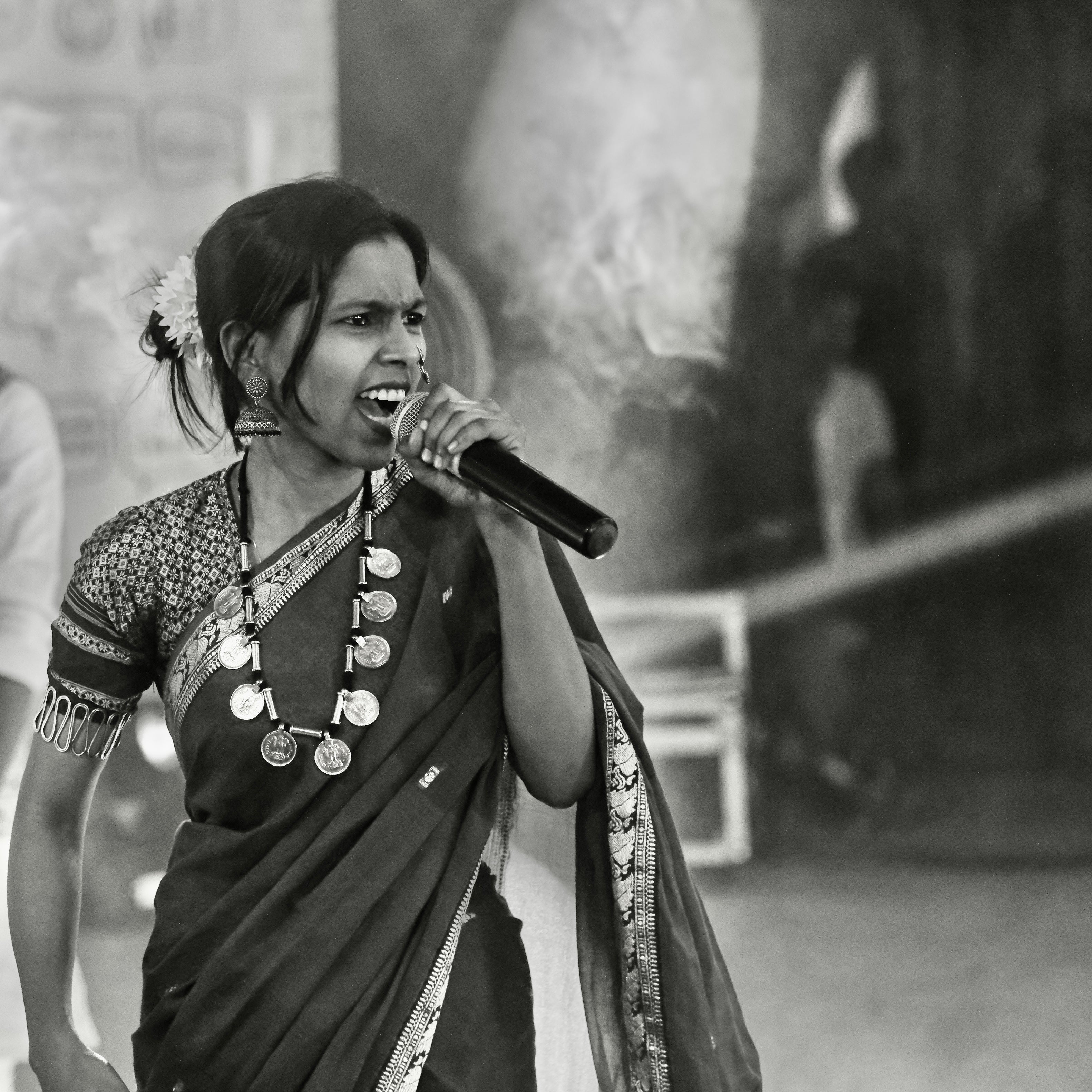
Mahi G: My initial steps were as a poet experimenting with rhyme and rhythm, rather than as a rapper actively participating in cyphers or directly engaging with the broader hip-hop community. I gradually developed the confidence to try rapping, and it was at this juncture that I decided to adopt the moniker Mahi G, a shortened form of my given name, Madhura Ghane.
It’s important to note that my prior exposure to rap music, both Indian and American, was limited. My primary influences stemmed from the rich tradition of rural poetry. However, I’ve recently been encouraged by friends to explore the works of artists like Kendrick Lamar and Doechii, whose lyrical prowess and thematic depth resonate with my own artistic aspirations.
The Birth of "Jungle Cha Raja": A Declaration of Identity and Purpose
Cristina Verán: Could you elaborate on your initial forays into writing poetry intended for rap, and how you subsequently sought out and connected with individuals who shared similar social and political concerns?
Mahi G: The very first rap song I penned with serious intent was a direct response to the Kisan farmer protests unfolding in Delhi at the time. The Indian government had introduced a new agricultural bill that was met with staunch opposition from the farming community. Farmers mobilized with their tractors, converging near Parliament to voice their dissent, demanding the withdrawal of the legislation. In response, the government employed measures such as tear gas, water cannons, and the erection of barriers to suppress the protests.
I was convinced that numerous rappers in India, like myself, felt a strong urge to address these critical issues. This conviction propelled me to actively search for artists who were creating conscious music with a social and political conscience.
Cristina Verán: Was Mumbai a conducive environment for this search?
Mahi G: Mumbai, undoubtedly, is a hub for what I would describe as the more authentic, underground street rappers. While exploring platforms like YouTube, I discovered a rap video titled "Warli Revolt," which spoke powerfully about Tribal peoples. This track was produced by Swadesi, a highly respected conscious hip-hop group based in Mumbai. What particularly resonated with me was their ability to seamlessly integrate their social commentary with messages of hope, and their innovative approach of collaborating directly with folk music artists from the Warli tribe. This fusion of traditional and contemporary artistic expressions served as a significant inspiration.
The Mentor and the Muse: The Partnership with Rapboss
Cristina Verán: Your primary collaborator to date has been the acclaimed rap artist and producer, Rapboss. How did your connection first form, and what role has he played in your musical development?
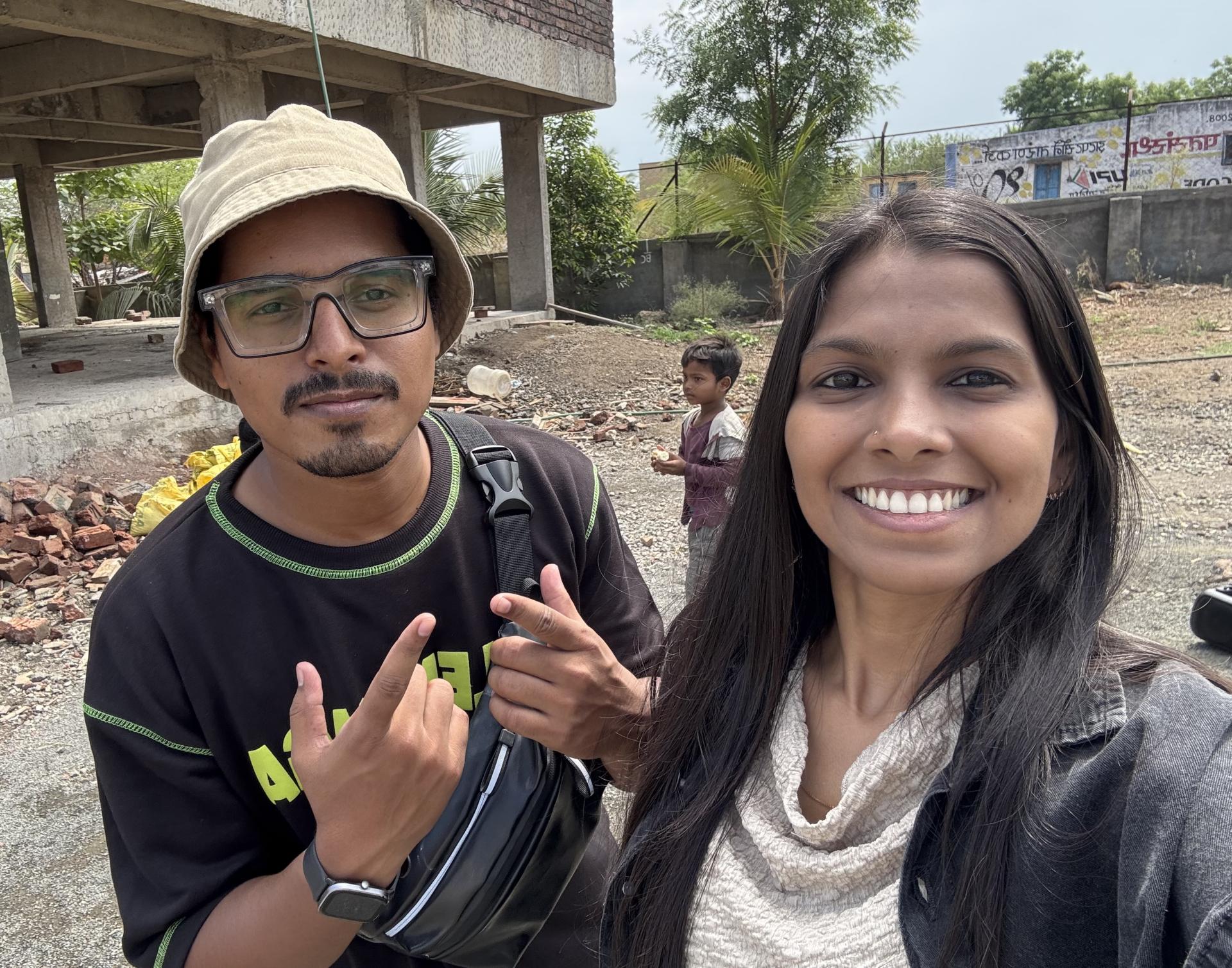
Mahi G: I was actively seeking a producer who not only possessed the technical skills but also shared a similar vision and commitment to socially relevant music. It was through this search that I encountered Rapboss, an artist who is both a rapper and a producer, and who also happens to rap in my native language. Hailing from a farming family himself, he possesses a deep understanding and concern for the issues facing farmers. In Maharashtra, a state that has tragically witnessed numerous farmer suicides due to severe droughts and other hardships, Rapboss courageously addressed these sensitive topics in his song "Sanga Sheti Karu Kashi."
Inspired by his work, I reached out to him, sharing that I had also written several raps about similar themes and was eager to record them. He graciously invited me to his studio in Pune, where we began collaborating. Since that initial meeting, Rapboss has become an invaluable mentor, launching my debut song under his production company, RFM Studios (Rapboss Film and Music Studios). Our friendship has flourished, and we continue to create music together, a testament to our shared artistic goals.
Cristina Verán: You mentioned that he raps in your language – Marathi, correct? Is this the Mahadev Koli Tribal language?
Mahi G: Marathi is indeed the regional language of Maharashtra, spoken by both Tribal and non-Tribal communities. While some Adivasi groups possess distinct languages separate from the broader regional tongues, in our case, we primarily speak Marathi. I choose to rap in a specific tribal dialect of Marathi, occasionally incorporating Hindi and a few lines in English to broaden my reach and impact.
Expanding the Network: Connecting with Tribal Hip-Hop Artists
Cristina Verán: Have you had the opportunity to connect with Tribal hip-hop artists from other regions of India?
Mahi G: I have had the privilege of performing at various Foundation and NGO events that support Tribal peoples, as well as at some local gatherings. However, I have yet to share my music on stage or in recordings with other Adivasi rappers. I aspire to do so, perhaps at the festivals held in the northeastern regions of India. Closer to home, in Maharashtra, I learned about a vibrant community of rappers residing in the Aarey Forest, a nature reserve teeming with leopards and other wildlife, situated just a few hours outside of Mumbai. I have recently connected with a friend from that area, who has kindly offered to introduce me to them.
The Impact of "Jungle Cha Raja" and "Heatwave"
Cristina Verán: Could you tell us about your first official recording endeavor and the impact it has had?
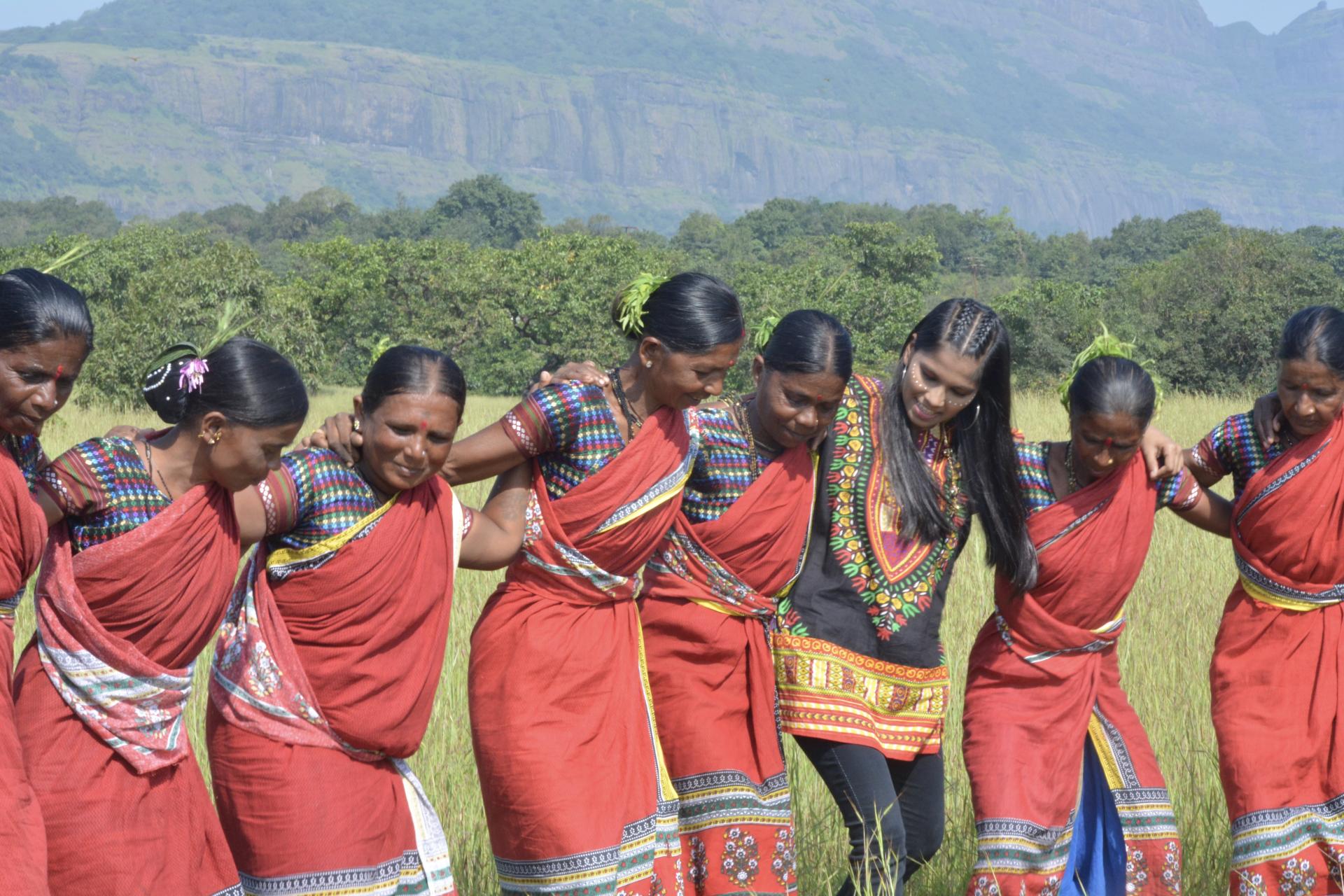
Mahi G: My first officially released song and music video was "Jungle Cha Raja: King of Jungle," a tribute to my own people. The song narrates the story of a Tribal individual dedicated to protecting the forest, the land, and the water resources. In the video, I not only performed the rap but also joined other Tribal women in executing the traditional kambad dance. This video achieved significant popularity, which in turn brought me wider recognition as an artist. Consequently, due to the socially conscious themes embedded in my music, I have come to be perceived as a "conscious" rapper. It’s worth noting that in India, there is generally a greater emphasis placed on commercial rappers and their pop-rap styles.
Cristina Verán: You also lent your voice to an important public campaign last year. Could you share how this opportunity arose?
Mahi G: I received a call from Greenpeace India, who had discovered my work on social media. They proposed a collaboration to create a song addressing the severe heatwave that was impacting numerous individuals, from street vendors and construction workers to farmers. Working with RFM Studios, we developed a comprehensive song, complete with lyrics, music production, and a music video. Our focus was on highlighting the plight of laborers, particularly those working in brick kilns and timber yards, as well as the challenges faced by elderly workers and women who had to work under extreme temperatures with their young children playing nearby. The song, "Heatwave," was subsequently chosen as the official World Environment Day song for 2025.
From Village Roots to Urban Aspirations
Cristina Verán: Geographically, where is your community located in relation to Mumbai, and how did your journey lead you from your ancestral home to this sprawling metropolis of over 22 million people?
Mahi G: I was born in Kalyan, a town in proximity to Mumbai. However, my ancestral roots lie in the village of Waranghushi, situated approximately three to four hours away in the mountainous Ahmednagar district (recently renamed Ahilyanagar) of Maharashtra. This is the place where our hearts truly reside. My father eventually relocated to an area near Mumbai for employment as a bus conductor, and subsequently, our family moved with him. Otherwise, my inclination would have been to remain within my community.
Navigating Identity and Opportunity in the Modern Era
Cristina Verán: What kinds of opportunities have presented themselves to you, either in spite of or as a result of your Tribal identity?
Mahi G: Being based in Mumbai has provided me with access to a multitude of opportunities. Crucially, India has implemented a system of reservations for Tribal Peoples. It’s important to clarify that a "reservation" in India does not refer to a land reserve; rather, it designates specific opportunities, such as employment or educational placements, that are set aside for members of designated communities. This system has enabled us to access avenues that were historically unavailable to our ancestors.
For instance, educational reservations ensure that in a university setting, a portion of the available seats are allocated to Tribal students. However, it is not uncommon for some of these seats to remain unfilled, with institutions citing a lack of qualified Tribal applicants. There is a pressing need to enhance awareness among Tribal communities, particularly those in more remote areas of India, to ensure they are fully informed about these opportunities and the necessary qualifications to access them.
Cristina Verán: Returning to your music, how does your family and community perceive your artistic endeavors? Were they familiar with rap and the hip-hop sound before it became your chosen form of expression?
Mahi G: The members of my community, and especially my family, are immensely proud of my artistic journey. While they may not have been deeply familiar with hip-hop prior to my involvement, they genuinely appreciate the themes I address in my music and understand the significance of the path I have chosen.
Echoes of Tradition: Music, Spirituality, and the Natural World
Cristina Verán: What traditional Mahadev Koli musical forms were you exposed to during your upbringing?
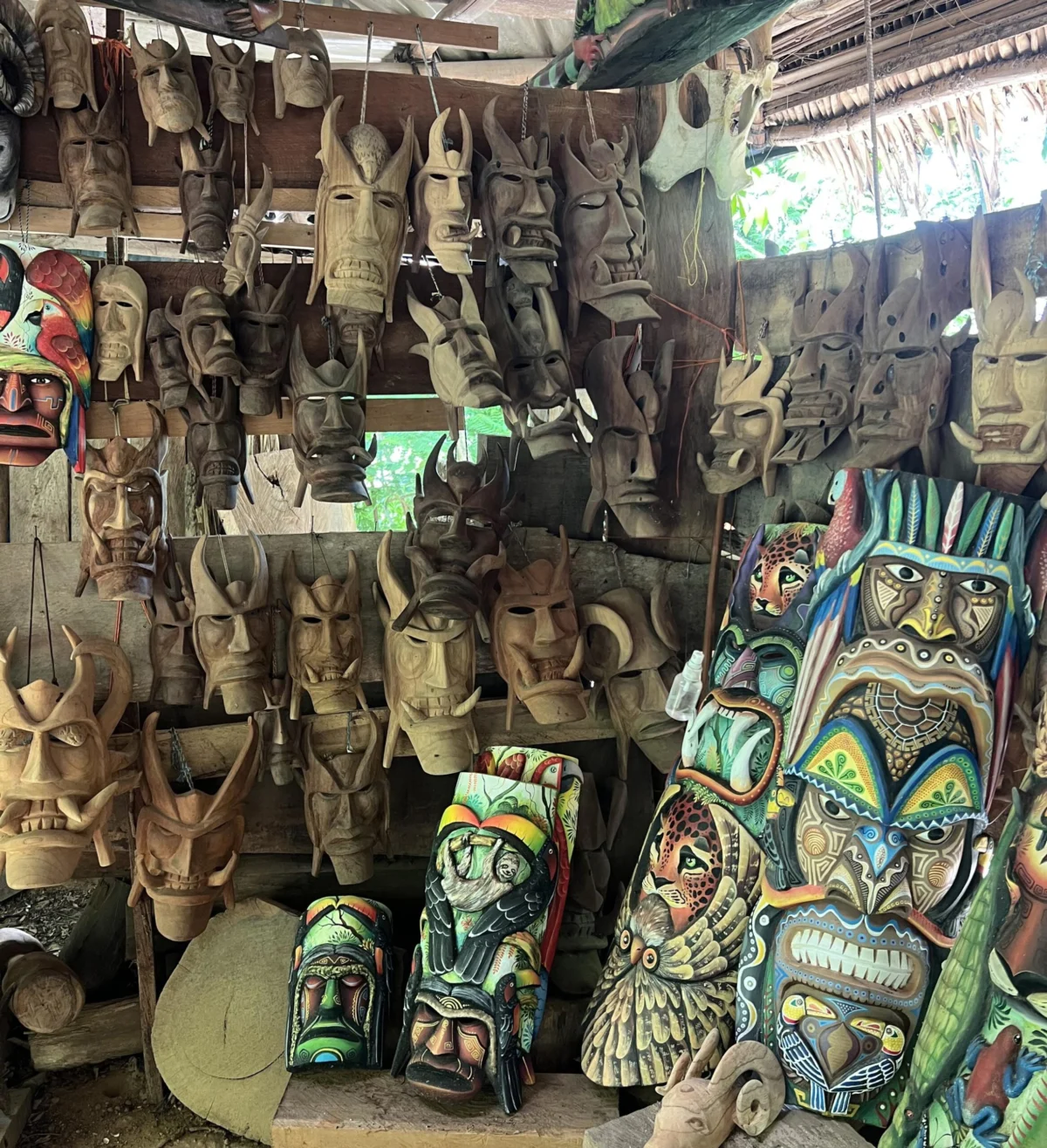
Mahi G: Our community observes a rich tradition known as bohada, a vibrant festival spanning seven to eight days, during which we engage in dancing and celebration. A distinctive element of this tradition involves wearing large, heavy wooden masks that represent our deities, along with numerous idols and nature-inspired figures. We wear these masks while dancing, often accompanied by sticks and tree branches. We also utilize our own traditional musical instruments to create songs and accompany our dances. The Warli Tribe, for example, plays an instrument called the tarpa, a long wind instrument crafted from a gourd, which is frequently incorporated into Adivasi songs in Maharashtra. I am considering incorporating the tarpa into my future musical compositions.
Additionally, there is the kambad dance (also known as kambbdavna), which was featured in my debut music video. This is a traditional leisure dance of the Thakar Tribal community, performed to the rhythms produced by the Thakar dhol, a percussion instrument covered in leather.
Cristina Verán: What other aspects of the spiritual foundations of your culture, and for your people overall, should readers understand?
Mahi G: To truly grasp the essence of my community’s way of life and our beliefs, it is vital to understand our profound reverence for a particular tree that grows on our ancestral lands. This tree not only provides us with sustenance in the form of its fruits but also supplies the very oxygen we breathe. Our connection to this tree is deeply spiritual. Each family is assigned a specific tree to care for. My family name is Ghane, and we worship a tree called the umbar, which symbolizes our goddess. We are strictly forbidden from cutting down this tree; its protection is our sacred duty. By ensuring that each family is dedicated to the preservation of its designated tree, we collectively and directly safeguard the forest and its rich biodiversity.
The Urban Jungle and the Resurgence of Identity
Cristina Verán: Speaking of the natural world, how has living primarily in the urban jungle of Mumbai impacted your relationship with the natural environment? Have you spent extended periods in your ancestral village in recent years?
Mahi G: When the COVID-19 pandemic first emerged, my entire family relocated from Mumbai to Waranghushi, where my grandparents resided. We remained there for approximately seven to eight months. While most of Maharashtra was under strict lockdown, we were fortunate to experience a degree of freedom in and around my village, allowing us to explore our surroundings. Each day, we would prepare our meals in the forest and ascend the mountains to gather fruits. This isolation from the city proved to be a blessing, as we were spared from the immediate impact of COVID-19 and had unimpeded access to clean air and water.
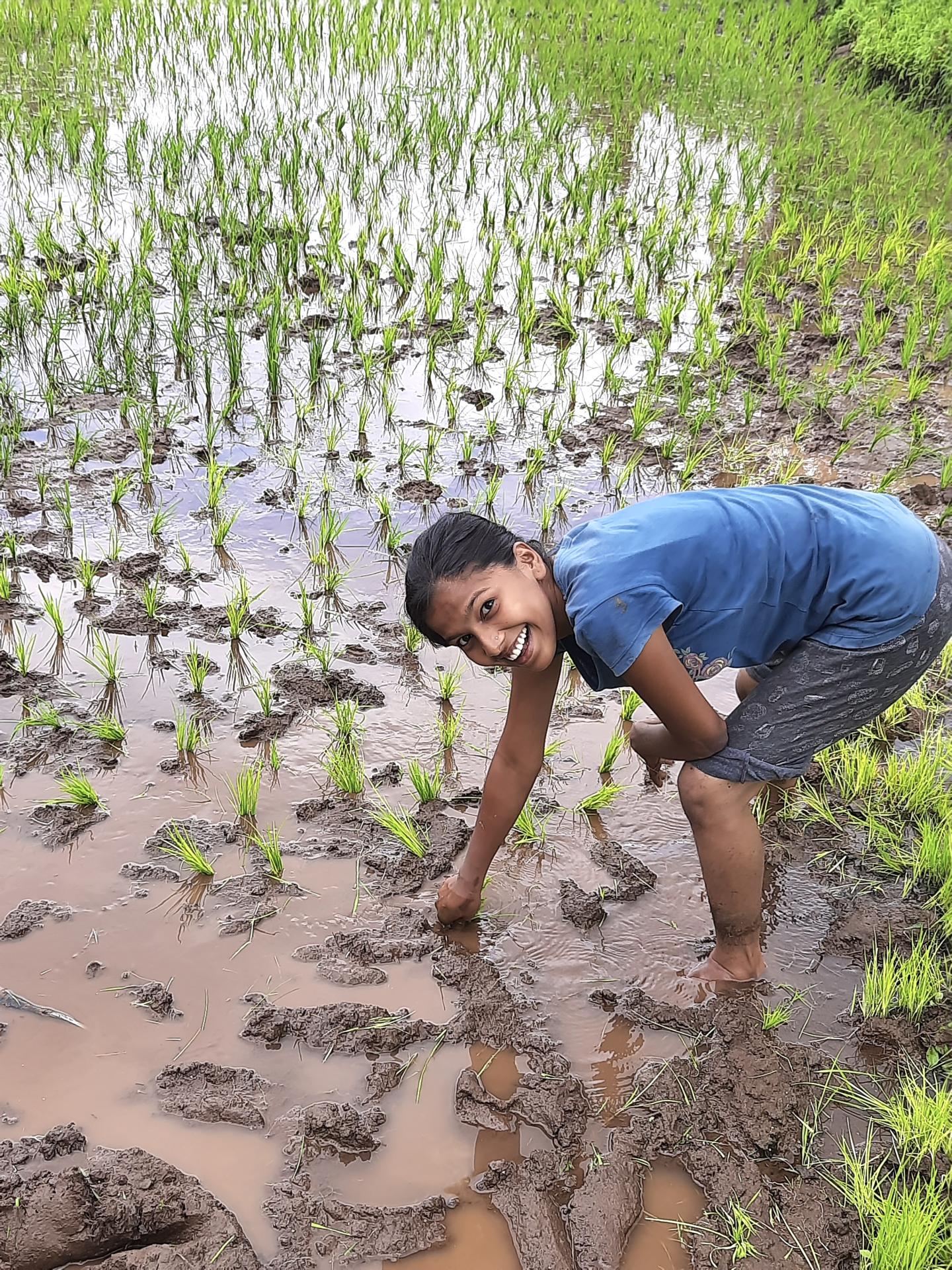
During this period, I was at an age where young people transition from the exuberance of youth to a more contemplative and mature mindset. I began to deeply reflect on fundamental questions about our identity and our origins. It was during this time of introspection that I started to articulate my feelings and explore what it truly means to be a Tribal person.
Cristina Verán: In India, "Tribal" (or "Scheduled Tribe") is the official designation used by the government. Is this a term and a category that you fully embrace?
Mahi G: For me, "Tribal" is a positive and empowering term, and it is how my community identifies itself. I am confident in my sense of self. While it is a regrettable reality that many individuals designated as Tribal in India face discrimination, I feel that I am seen and accepted, with people recognizing that "Mahi G is representing her community, representing her Tribal People through her music." This recognition is a source of great pride and motivation.
Cristina Verán is an internationally recognized researcher, educator, advocacy strategist, network weaver, editor, and mediamaker specializing in Indigenous Peoples’ issues. She was a founding member of the United Nations Indigenous Media Network and the Indigenous Language Caucus. As Adjunct Faculty at New York University’s Tisch School of the Arts, she brings a focus on the global histories, expressions, and socio-political impacts of Indigenous contemporary visual and performing arts, design, and popular culture.
Top photo: Performing at the REDEF festival, produced by the Digital Empowerment Foundation and held in Sundarban, India. Photograph by Mouhamed Moustapha.