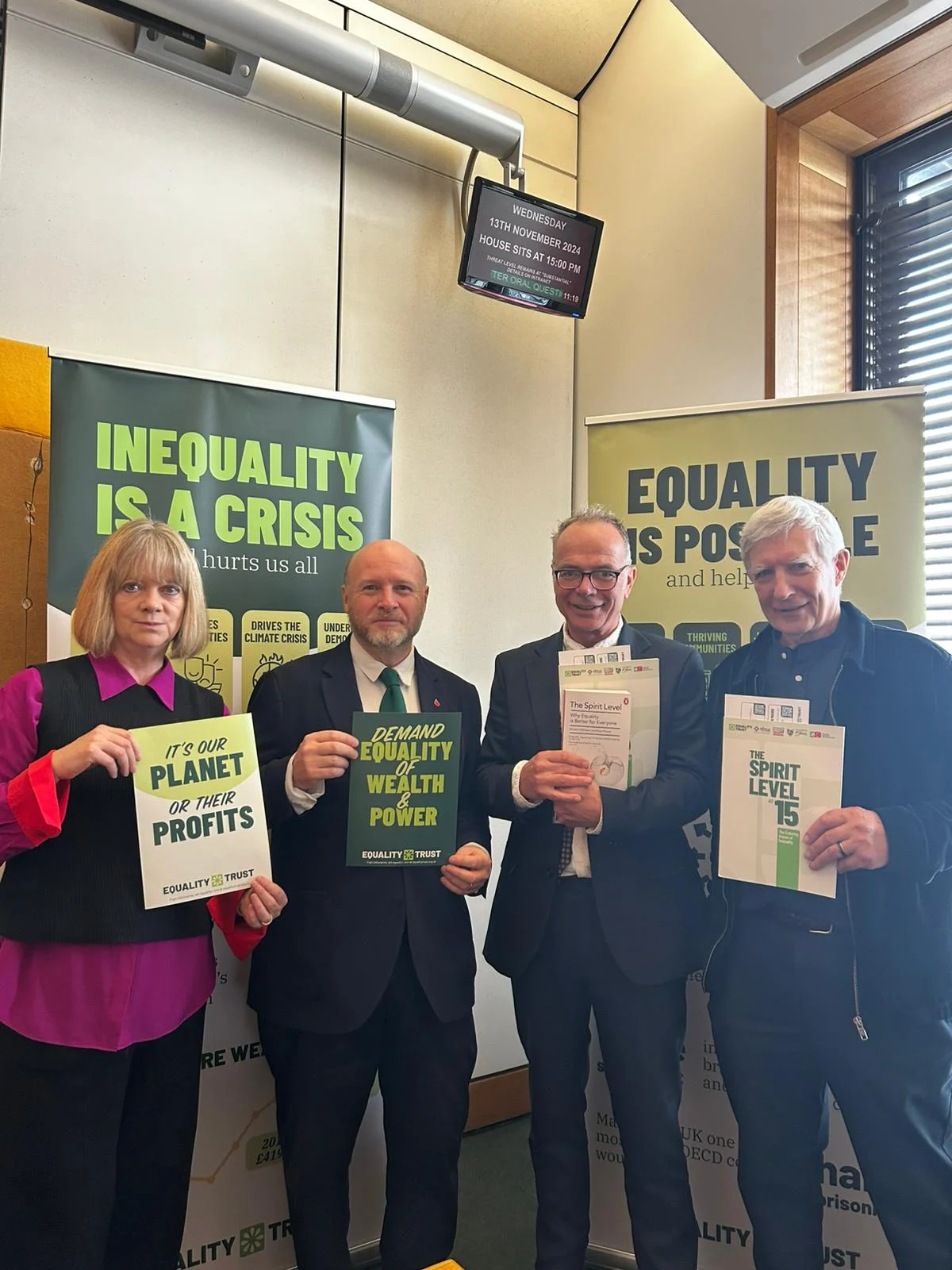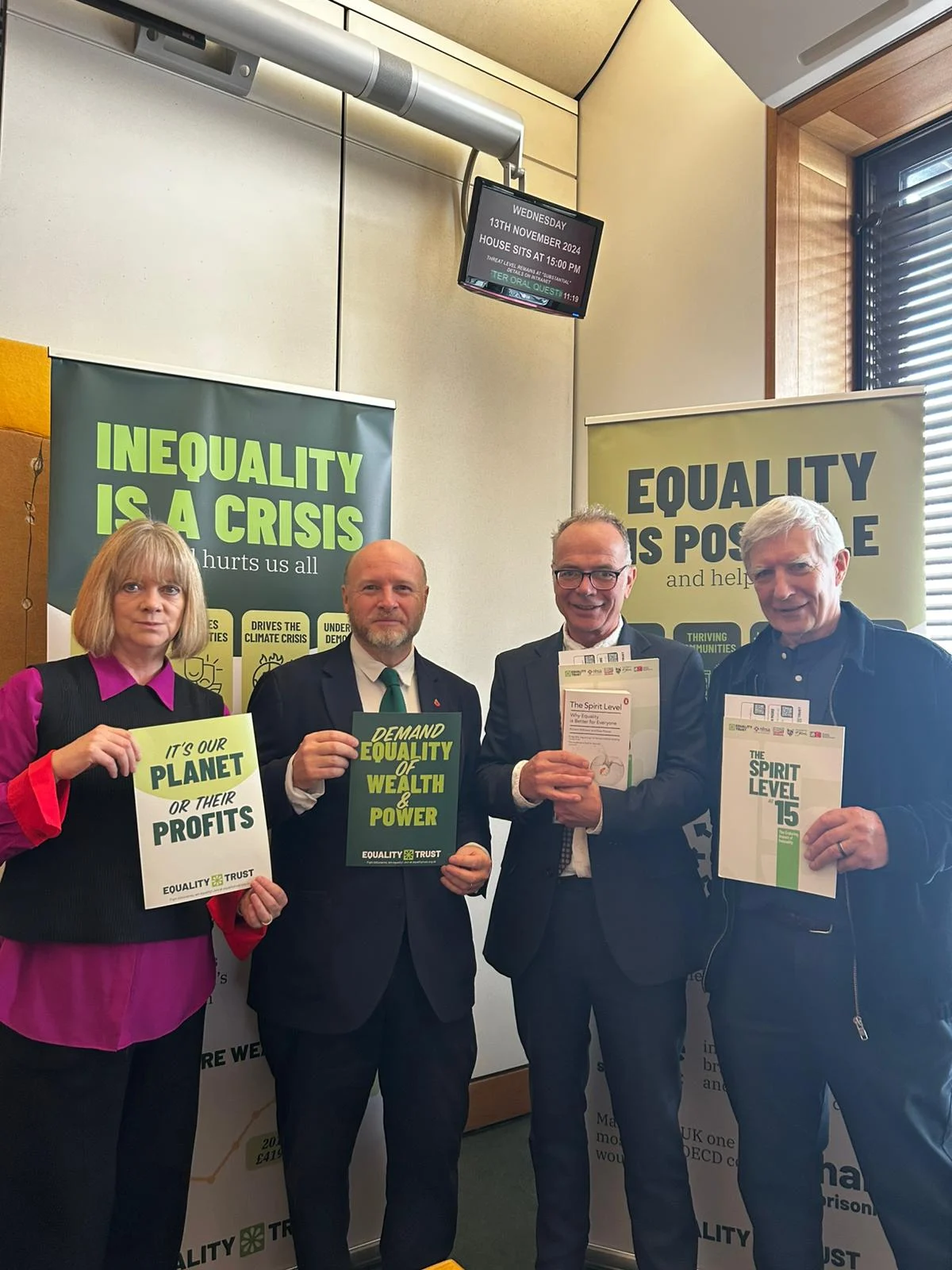
On February 4, 2026, Professor Kate Pickett, a leading figure in the study of social epidemiology and economic inequality, officially launched her latest work, The Good Society, during a high-profile virtual event hosted in collaboration with the political advocacy group Compass. The launch featured a panel of prominent public intellectuals and policy advocates, including Baroness Ruth Lister, environmental journalist George Monbiot, and former Green Party leader Caroline Lucas. Attended by over 500 participants, the event served as a platform for a comprehensive discussion on the structural changes required to foster a more equitable and sustainable social order. This publication marks a significant milestone in Pickett’s career, coming nearly seventeen years after she co-founded The Equality Trust and co-authored the seminal text The Spirit Level, which fundamentally altered the global discourse on the detrimental effects of income inequality.
A Vision for Social and Economic Transformation
The Good Society arrives at a critical juncture in contemporary politics, where the long-term effects of economic volatility and social stratification have prompted a renewed search for systemic alternatives. During the launch, Professor Pickett outlined the core thesis of her book, which shifts the focus from diagnosing the pathologies of inequality to providing a blueprint for a functional, egalitarian society. While her previous work established the correlation between high levels of inequality and a wide range of social ills—including declining public health, rising crime rates, and eroding social trust—The Good Society seeks to define the practical parameters of a community built on the principles of mutual aid, economic democracy, and environmental stewardship.
The event, facilitated by Compass, an organization dedicated to "the good society" through democratic reform and progressive policy-making, highlighted the necessity of cross-sector collaboration. The participation of Baroness Ruth Lister, a renowned academic and member of the House of Lords specializing in social policy, underscored the legislative challenges of addressing poverty. George Monbiot and Caroline Lucas provided insights into the intersection of economic reform and the climate crisis, arguing that social equality is an indispensable prerequisite for ecological survival.
Historical Context and the Evolution of the Equality Movement
The launch of The Good Society is the latest chapter in a movement that gained significant momentum in 2009 with the publication of The Spirit Level: Why More Equal Societies Almost Always Do Better, co-authored by Pickett and Richard Wilkinson. That work provided a data-driven argument that the scale of income differences within a population has a powerful effect on the quality of social relations and the health of the citizenry. The success of the book led to the founding of The Equality Trust in 2009, an organization designed to campaign for the reduction of social and economic inequality in the United Kingdom.
In the years following the 2008 financial crisis and the subsequent decade of austerity measures, the data presented by Pickett and her colleagues became a central pillar for advocates of progressive taxation and expanded public services. The timeline of Pickett’s work reflects a steady progression from academic research to active policy advocacy. By 2026, the global landscape has seen various attempts to implement these theories, ranging from experiments with Universal Basic Income (UBI) in Northern Europe to the implementation of "well-being budgets" in nations like New Zealand. The Good Society synthesizes these global developments into a cohesive narrative for future governance.
Statistical Analysis of Modern Inequality
The necessity for the solutions proposed in Pickett’s new book is supported by a wealth of contemporary data. As of the mid-2020s, the Gini coefficient—a standard measure of income distribution—remains high in several major economies, including the United Kingdom and the United States. According to recent economic reports, the top 1% of earners in these regions continue to hold a disproportionate share of national wealth, while real wage growth for the bottom 50% has struggled to keep pace with the rising costs of housing and energy.
Research cited during the launch event indicates that societies with lower levels of inequality consistently outperform their more stratified counterparts across several key metrics:
- Life Expectancy: Data suggests a gap of up to ten years in life expectancy between the most and least affluent neighborhoods in highly unequal cities.
- Social Mobility: Countries with lower income gaps, such as those in Scandinavia, report significantly higher rates of social mobility, allowing individuals to improve their economic status regardless of their birth circumstances.
- Mental Health: Studies continue to show a direct correlation between high-status anxiety—prevalent in unequal societies—and the prevalence of depression and anxiety disorders.
Professor Pickett argued that these statistics are not merely economic indicators but are symptoms of a "dysfunctional social architecture" that The Good Society aims to dismantle.
Perspectives from the Panel: Lister, Monbiot, and Lucas
The guest speakers at the launch provided a multi-dimensional critique of current social structures. Baroness Ruth Lister emphasized the concept of "citizenship" and the importance of dignity in social security systems. She noted that a "good society" must move beyond the mere alleviation of absolute poverty to address the "poverty of participation," where individuals are excluded from the social and cultural life of their communities due to economic constraints.
George Monbiot focused on the environmental implications of inequality. He argued that the pursuit of status through conspicuous consumption—a primary driver of carbon emissions—is fueled by the social competition inherent in unequal societies. Monbiot’s contribution highlighted the idea of "private sufficiency and public luxury," suggesting that by investing in high-quality public parks, libraries, and transport, societies can reduce their total resource consumption while improving the standard of living for all.
Caroline Lucas, representing a political perspective, discussed the legislative hurdles to achieving Pickett’s vision. She emphasized that the current "obsession with GDP growth" often comes at the expense of social well-being and environmental health. Lucas advocated for a transition to a "steady-state economy" where the success of a nation is measured by the health and happiness of its citizens rather than its industrial output.
Implications for Future Policy and Governance
The publication of The Good Society is expected to influence policy debates as nations grapple with the long-term requirements of the 2030 Sustainable Development Goals. Analysis of the book’s implications suggests several key areas where Pickett’s research may drive legislative change:
Taxation and Redistribution: There is an increasing call for "wealth taxes" rather than just income taxes to address the widening gap in asset ownership. Pickett’s work provides the moral and empirical justification for such measures as a means to stabilize social order.
Corporate Governance: The book explores models of employee ownership and democratic management within the workplace. By reducing the pay ratio between CEOs and average workers, Pickett argues that companies can foster greater internal trust and productivity.
Universal Basic Services: A major theme of the discussion was the shift from "income support" to the provision of "Universal Basic Services." This involves the expansion of free or low-cost access to essential services such as healthcare, education, internet, and transportation, ensuring a "social floor" below which no citizen can fall.
Reception and Broader Impact
The attendance of over 500 people at the digital launch reflects a significant public appetite for systemic change. While the book has been praised by progressive circles for its clarity and evidence-based approach, it also faces scrutiny from traditional economic theorists who argue that radical redistribution could stifle innovation. However, the consensus among the event’s participants was that the "status quo" is no longer tenable in the face of escalating social and environmental pressures.
The Equality Trust has announced that it will be integrating the themes of The Good Society into its national campaigning strategy throughout 2026. This will include a series of local workshops and policy briefings aimed at municipal leaders, encouraging the adoption of "Fairness Commissions" to evaluate local government decisions through the lens of inequality reduction.
In her closing remarks, Professor Pickett emphasized that the creation of a "good society" is not a utopian fantasy but a practical necessity. She noted that the tools for transformation—data, public will, and economic capacity—already exist. The challenge, as outlined in the event, remains the political courage to implement these changes. As the recording of the launch continues to circulate among policy-making circles, The Good Society stands to become a foundational text for the next decade of social reform, bridging the gap between academic research and actionable political strategy.