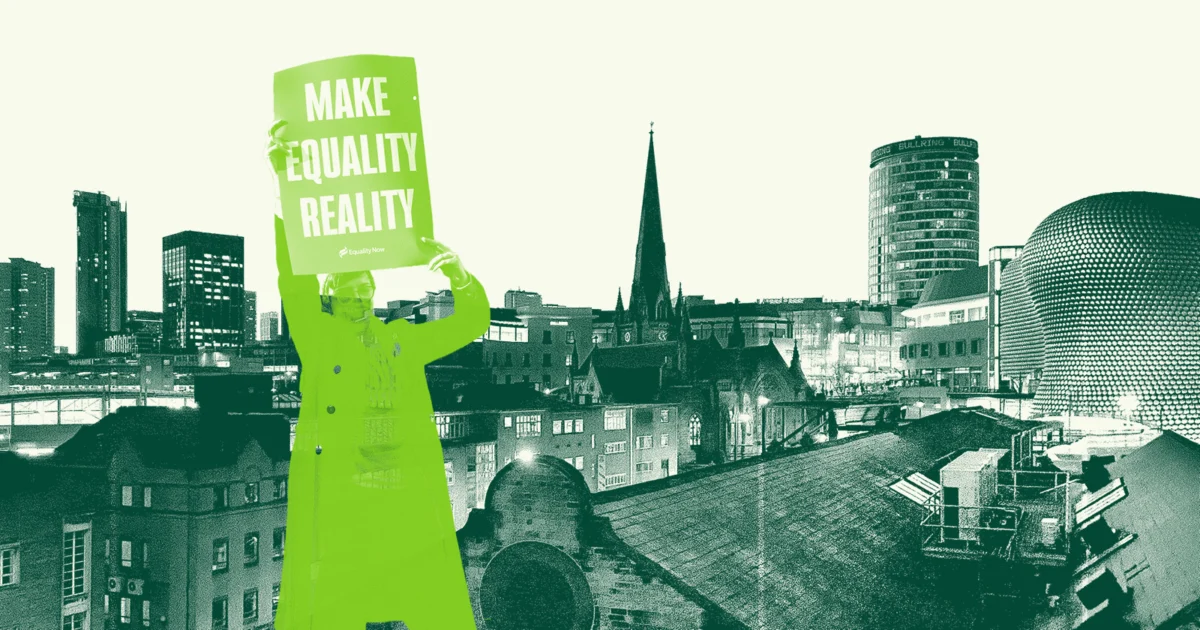
On January 29, 2026, the Midlands Arts Centre (MAC) in Birmingham served as the staging ground for a pivotal assembly of activists, academics, and residents dedicated to addressing the city’s deepening cultural divide. Organized by The Equality Trust and funded by the Barrow Cadbury Trust, the event—titled "Re-imagine a Better Brum"—centered on a workshop and the premiere of a documentary film produced by local Community Reporters. The gathering sought to dissect how systemic socio-economic inequality has eroded access to arts, recreation, and community spaces in the United Kingdom’s second-largest city, while simultaneously drafting a roadmap for a more equitable future.
The initiative comes at a critical juncture for Birmingham. Over the past several years, the city has faced unprecedented fiscal challenges, leading to significant reductions in public spending. These cuts have disproportionately affected the cultural and youth sectors, leaving many residents without the communal "third spaces" essential for social cohesion. Led by Charlie McNeill, Senior Project Officer for the Equality Trust’s Socio-Economic Duty (SED) program, the workshop brought together a diverse panel of experts and grassroots organizers to bridge the gap between policy and lived experience.

The Socio-Economic Context: A City at a Crossroads
To understand the impetus behind the January 29 event, one must look at the broader economic landscape of Birmingham. In recent years, the city has grappled with the fallout of a Section 114 notice—effectively a declaration of municipal bankruptcy—which triggered a wave of austerity measures. These measures included the proposed sale of community assets, library closures, and a drastic reduction in grants for local arts organizations.
Data from the Office for National Statistics (ONS) and local advocacy groups indicate that Birmingham remains one of the most deprived local authorities in England. High rates of child poverty and the ongoing cost-of-living crisis have transformed leisure activities from basic community rights into luxury goods. For families in the city’s lower-income deciles, the cost of a theatre ticket, a music lesson, or even the bus fare to a central arts venue has become a prohibitive barrier.
The Equality Trust’s project, part of the Barrow Cadbury Trust’s Economic Justice place-based program, was designed to investigate these disparities. By focusing on the "broken system" that governs local communities, the project aimed to show that cultural exclusion is not an accidental byproduct of economic policy, but a direct consequence of structural inequality.
The Community Reporters: Documenting Lived Experience
Central to the event was the screening of a new documentary created by three Community Reporters: Alev, Arash, and Jennifer. Unlike traditional journalistic endeavors, the Community Reporting model prioritizes the voices of those directly impacted by inequality. Over several months, these reporters conducted interviews across Birmingham’s diverse neighborhoods, capturing the stories of residents who have felt the impact of venue closures and rising costs.
The film, titled Conversations of Change: Access to Arts, Culture, Entertainment, and Recreation in Birmingham, serves as a visual and oral history of the city’s current cultural crisis. It highlights the testimonies of "storytellers"—local residents who described how the loss of community centers has led to increased social isolation. The reporters focused on four key pillars:
- Physical Accessibility: The geographic distribution of arts venues and the challenges posed by an aging transportation infrastructure.
- Economic Barriers: The rising price of admission for festivals and concerts versus the stagnation of local wages.
- Representation: Whether the art being produced and funded reflects the diverse ethnic and socio-economic makeup of Birmingham.
- Community Cohesion: The "knock-on" effect that a lack of recreational spaces has on mental health and neighborhood safety.
The screening at the Midlands Arts Centre was intended to do more than just inform; it was designed to provoke a visceral reaction from the audience, setting the stage for the collaborative workshop that followed.
Expert Perspectives: Advocacy and Academic Analysis
The workshop featured a panel of speakers who provided institutional and academic weight to the grassroots findings of the Community Reporters. Each speaker addressed a different facet of the city’s cultural struggle:
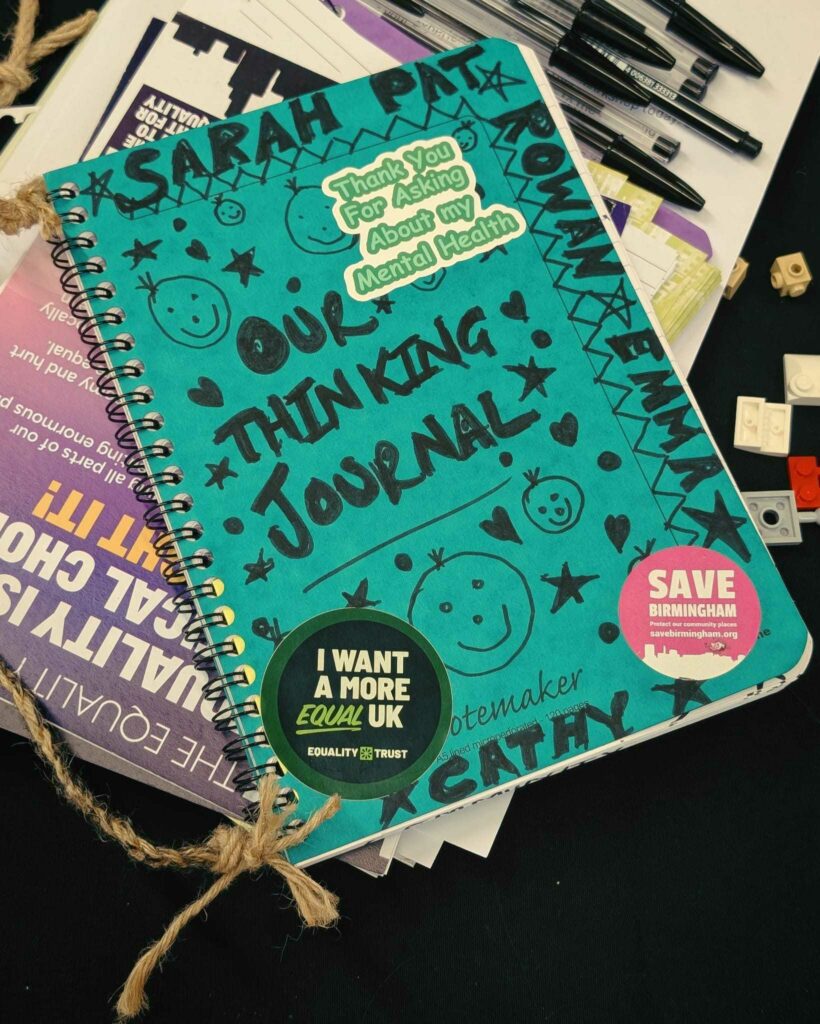
Kathy Hopkin (Save Birmingham): Hopkin’s organization has been at the forefront of the fight to protect Birmingham’s community assets. During the workshop, she discussed the dangers of "asset stripping"—the sale of public buildings and spaces to balance municipal budgets. She argued that once these spaces are lost to private developers, the social fabric of the city is permanently altered.
Dr. Patrycja Rozbicka (Aston University): An Associate Professor in International Relations and Politics, Dr. Rozbicka brought an academic lens to the discussion. Her research often focuses on the "Birmingham Live Music Project" and the health of the city’s night-time economy. She provided data-driven insights into how small-to-medium music venues are struggling to survive and why their disappearance hurts the city’s global reputation as a cultural hub.
Ian Francis (Flatpack Festival): As a leader in Birmingham’s independent film scene, Francis spoke to the resilience of the creative sector. He emphasized the importance of grassroots festivals in providing low-cost or free cultural engagement but warned that without a stable funding ecosystem, even the most innovative projects are at risk of collapse.
The Workshop: Visions of an Equal Birmingham
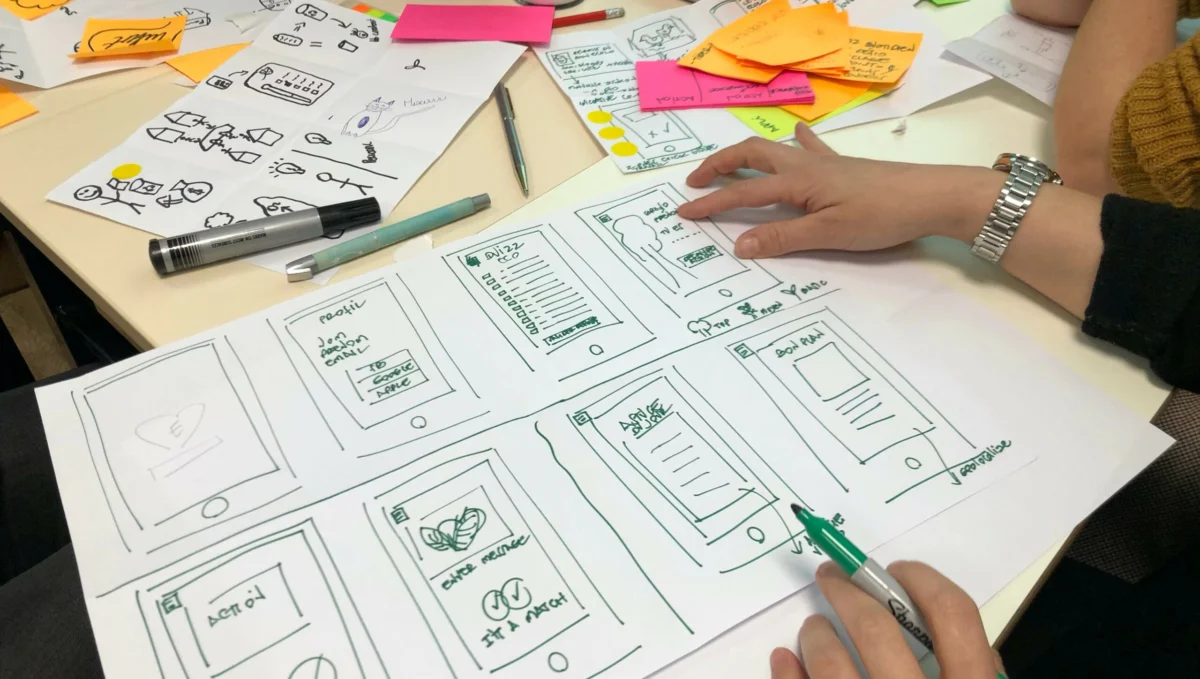
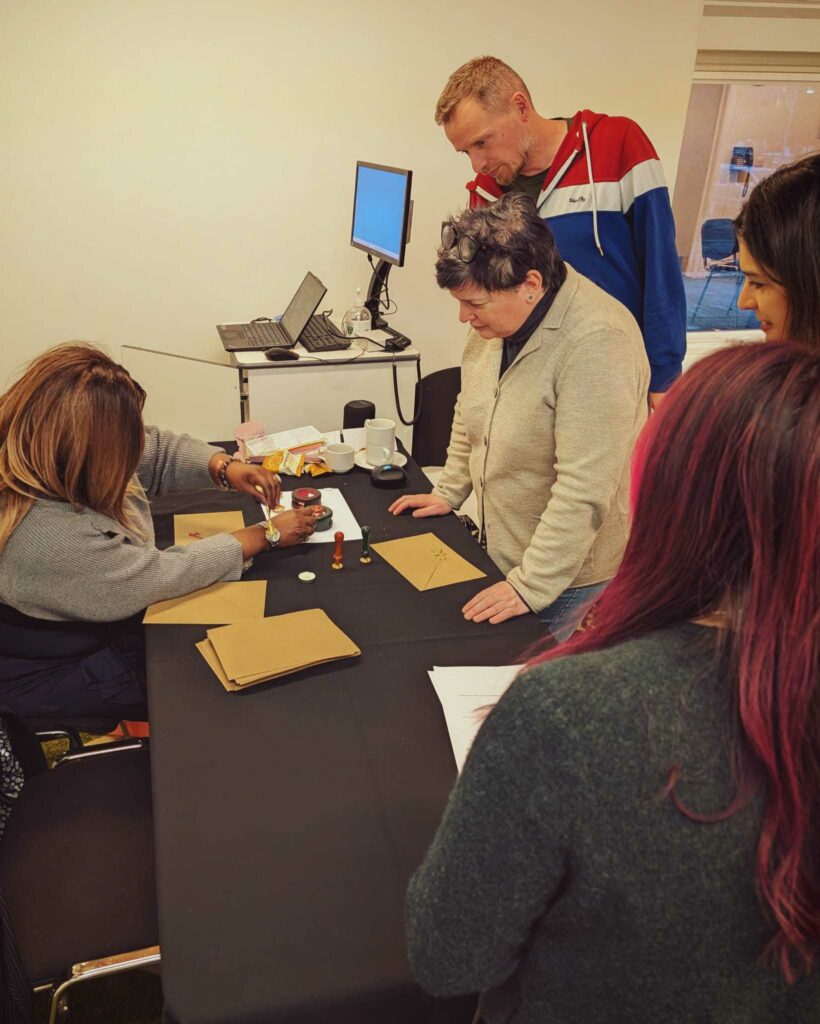
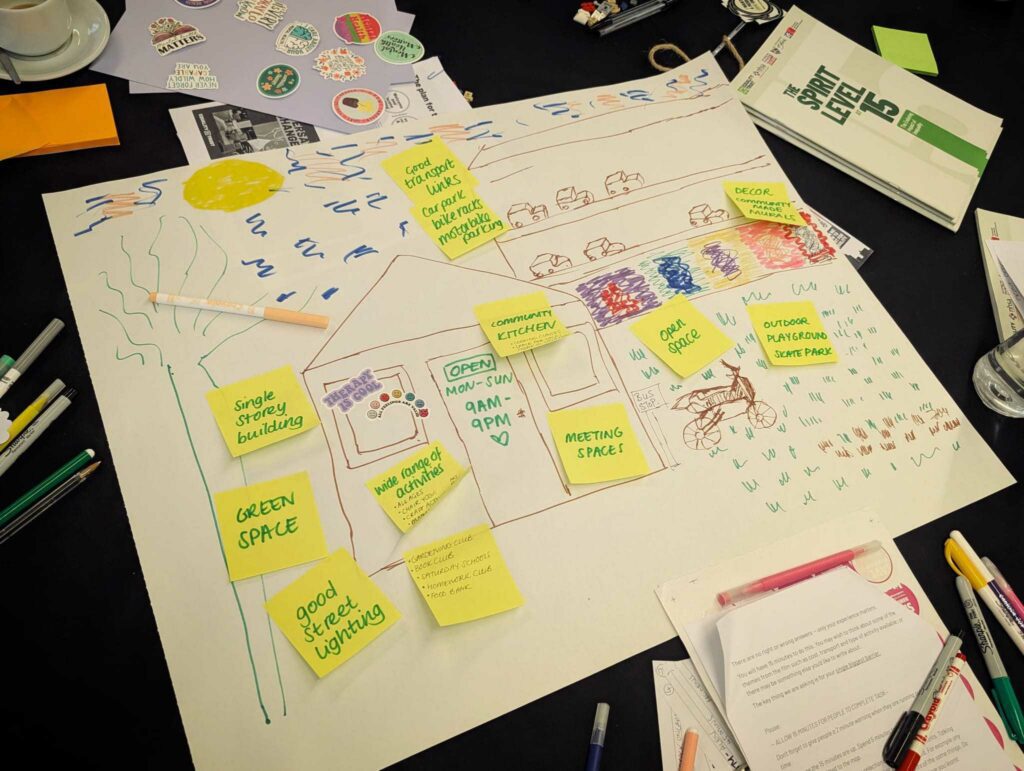
Following the film screening and panel presentations, the event transitioned into a participatory workshop. Attendees, ranging from local artists to policy advocates and residents, were tasked with "re-imagining Birmingham without barriers."
The discussions were categorized into several key themes:
- Decentralizing Culture: Participants argued that arts and culture should not be concentrated in the city center. There was a strong call for "hyper-local" funding that empowers neighborhood-based creative projects.
- The Socio-Economic Duty (SED): Much of the discussion revolved around Section 1 of the Equality Act 2010, which requires public bodies to consider how their decisions can reduce the inequalities associated with socio-economic disadvantage. Advocates argued that if Birmingham City Council fully embraced this duty, cultural funding would be viewed as an essential service rather than a discretionary expense.
- Sustainable Infrastructure: Proposals included the creation of "cultural land trusts" to protect venues from market fluctuations and the implementation of tiered pricing models for all publicly funded events to ensure affordability for all income levels.
The energy of the workshop was captured in a series of "grand plans" for change, which the Equality Trust intends to use as a basis for future lobbying efforts and community organizing.
Broader Implications and the Path Forward
The "Re-imagine a Better Brum" event is part of a larger movement seeking to redefine "Economic Justice" in the UK. The project posits that economic justice is not merely about wealth distribution, but about the right to participate fully in the life of the city. When a segment of the population is priced out of the arts, they are effectively silenced in the cultural conversation that defines what it means to be a "Brummie."
The film editor, Keiran Fuller, was credited with synthesizing the raw, often emotional interviews into a coherent narrative that challenges the status quo. The Equality Trust has indicated that the documentary will be used as a tool for national advocacy, illustrating how Birmingham’s struggles are reflective of a wider trend across post-industrial cities in the UK.
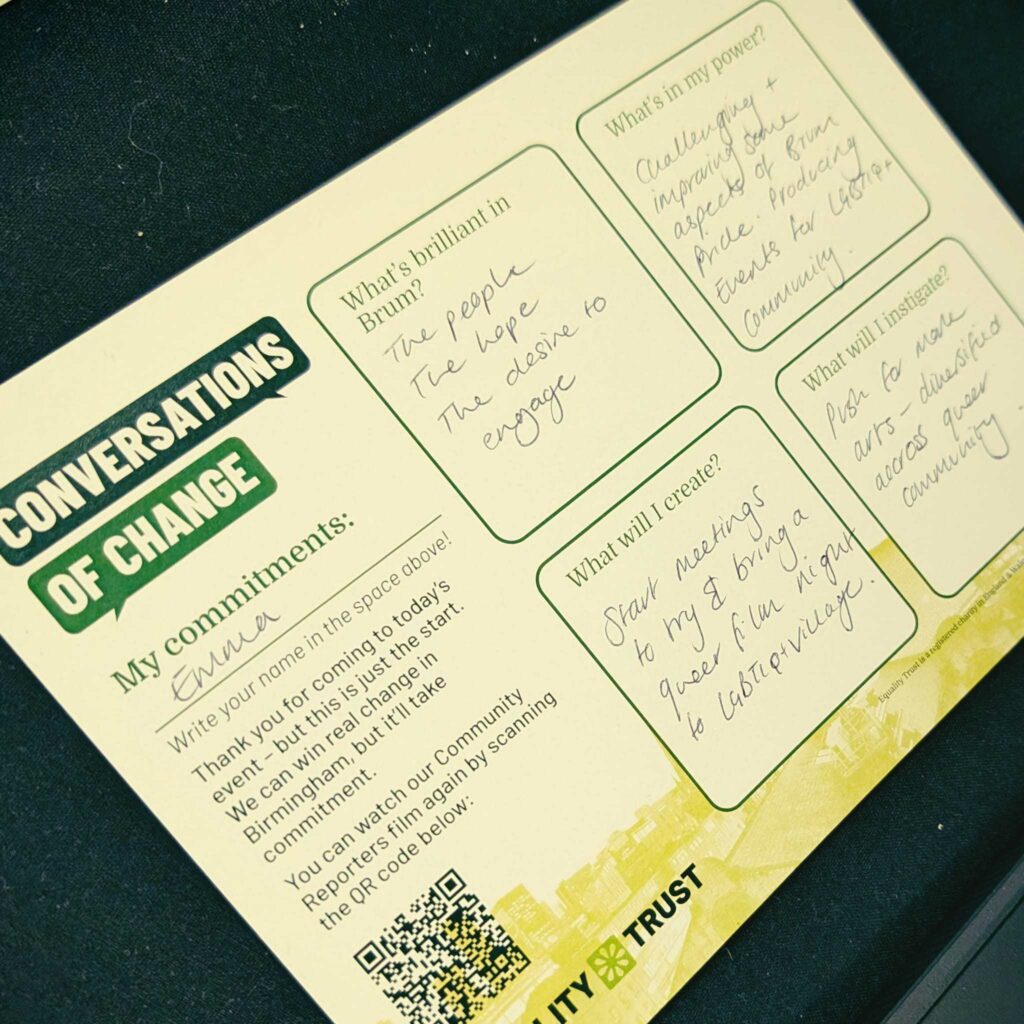
As the event concluded, the organizers issued a call to action for residents to remain engaged through the Equality Trust’s newsletter and local advocacy networks. The goal is to ensure that the "Conversations of Change" initiated at the Midlands Arts Centre do not remain confined to a single afternoon but evolve into a sustained movement for policy reform.
The findings from this workshop are expected to inform a report to be shared with local government officials and stakeholders in the West Midlands Combined Authority. By presenting a unified front of community voices, academic research, and grassroots activism, the Equality Trust hopes to shift the narrative from one of managed decline to one of radical reimagining.
In an era of fiscal constraint, the Birmingham workshop stands as a testament to the belief that culture is not a luxury, but a vital component of a healthy, democratic society. The work of Alev, Arash, Jennifer, and the countless others involved in the project serves as a reminder that even in the face of a "broken system," the collective imagination of a city’s people remains its most powerful asset.